We live in a strange world where its inhabitants, called humans, have a weird tendency to believe that other humans are fundamentally different to them and opposed to them. Don’t go to Planet Earth – the inhabitants there are dangerous, mainly to themselves. This is a bizarre aspect of this particular world.
That’s a paragraph from my book Blogging in Bethlehem. I woke up this morning with the idea to serialise it as an audio book.
But then I wondered whether enough people would be interested to justify the effort. It’s not a very long book (unusually for me). At a guess it would land up as three hours of listening, sectioned into 30ish minute segments.
So I’m wondering about that. Any views?
I can’t start today anyway, because the wind is rattling around too much for sound recording! But I have my cancer treatment tomorrow/Weds – a nurse comes round and it takes just 45 mins. I might well be buzzing on that sufficiently in the following two days to start recording – you never know. Depends on the winds.
My life goes in four-week cycles and treatment affects my psyche, stomach and daily life for around a week. That’s weird for an astrologer who has lived life attuned to natural cycles of a more elastic kind, rather than to a calendrically-regularised grinding cog of time, with a periodicity determined by medication.
Down’ere at the end of Cornwall, stuck out in the Atlantic, we’re getting a lot of high wind and storming. It’s a bit reminiscent of the stormy winter of 2014. The birds are lying low.
Dolphins playing the waves at Nanjizal Bay, Cornwall
And talking of calendars – specifically Gregorian ones – may the rest of your year remain happy. In the end, happiness is a decision of the heart, not an ideal set of circumstances that only occasionally crop up – then they go again. Happy times.
Rather like Greenwich Mean Time, the Gregorian calendar is a vestige of European imperialism. Nowadays it’s neatly called the ‘Common Era’, as if to conceal its origins, and GMT is re-named UT, or ‘universal time’ – except the universe doesn’t follow it.
It might be one of those post-colonial vestiges that stick around for some time. Perhaps the only situation to change this will come when we finally adjust our lives on Earth to the wider universe.
Watching intently. Portheras Cove, West Penwith, Cornwall
Until such a time, since we’re dangerous, we’re under a form of quarantine. Dangerous to the universe and dangerous to ourselves. Most strange.
It sounds simple, but the solution is happiness (as a decision of the heart). The way things are now, though, it looks really complex. Especially with vexatious warring and all manner of dissonances going on.
It needs modelling and shoving through supercomputers because we believe we can sort things out mentally, if only we have enough data. But mentality simply sorts data, even if intelligently. Decisions are made in the heart, the womb and the gut – the parts that AI can only imitate, though it cannot reach.
At this juncture of history, we have a lot of rather big decisions to make. We humans need to get more happy and become less dangerous. Less dissonance, more resonance.
It will affect climate change in a big way, with instantaneous results.
Think about it. But not too much. And I won’t either.
The long and winding road (near Falmouth, Cornwall)
I’ve been rather quiet recently. My energy has been under par. Nowadays I’m not good at doing winter. I’m often told that I look well, and part of me indeed is well, though this is more a matter of a grin-and-bear-it attitude than a medical reality. Since getting cancer I’ve found I give off an unintentionally deceptive appearance, looking better than I actually am, or feel. Sagittarius rising with Venus trine to it (the grin bit) and Saturn square it (the bear it bit). I’m not sure what to do about this.
Oh yes, I forgot… a health warning: beware of smatterings of astrology.
Though I’ve been relatively quiet, I’ve been at it, extracting parts of my blog from the last four years that tell my cancer story, turning them into a book for patients with cancer and other serious conditions, and their helpers – at least, for those interested in my approach. It will come out dreckly (sometime) as a free online PDF book, and possibly as an audiobook later on. I’m pleased with the way it’s developing.
In my birth chart I have Jupiter in Pisces – a dreamer perhaps, but for me the challenge has been to make dreams manifest. There’s fantasy and there’s vision, and there are doable and impossible dreams. The difference is a matter of discernment and not always clear, even if, like me, you have a forensic Saturn in Virgo, a dreadfully factual place for it. I’ve had successes and failures in this manifestation business, though a lot of things wouldn’t have happened if I hadn’t tried. Jupiter, in my case, is the handle to a bucket formation of planets – so it’s an energy-focus in my being. A bucket is a pattern where all but one of the planets in a chart are located in half of the zodiac, with a singleton on the other side acting as a handle.
In my chart the bucket tips so that it pours or perhaps spills out – all of my planets except one, Jupiter, are above the horizon (the horizontal line across the chart), in the social and public domain. But the key to that array is Jupiter, down below, in the personal, local-neighbourhood sphere. In my case it allows a certain privileged access to inner wealth – though I had to make a progression of big, sometimes difficult choices to unlock it. The Tibetans gave me the name ‘radiant merit’ and the Bedouin called me ‘always giving’, and these have been a challenge to live up to and live with. Had I oriented my life another way, I might have been a senior civil servant or an ambassador serving Tony Blair’s government. But I didn’t.
Pendower Cove, Land’s End
Life as it stands today is rather peculiar: I’m out there with my writings and podcasts, with a public presence, while in real life I’m very much on my own. That’s Jupiter in Pisces and Saturn in Virgo again. I live in an uplifting, ancient landscape, peppered with geomantic technology from millennia ago, surrounded by high granite cliffs and the wide ocean. Here lies the taproot of my being – the sense of space here nourishes my soul. Jupiter in Pisces needs a spiritual anchorage. Before this, I’ve lived under Glastonbury Tor, in Bethlehem, in the Swedish forests and the mountains of Eryri, Snowdonia.
Yet ‘No man is an island, entire of itself; every man is a piece of the continent, a part of the main‘, wrote John Donne in 1624. For me, solitude is a way of sourcing original experiences and perceptions which then I can bring to the wider world. I’m not one of those authors who can write a book for three hours a day while doing other things – instead I go into a hyperfocused voluntary lockdown for months, totally immersing myself in it.
I’ve even manifested electrosensitivity in my life, which is very isolating. I live in furthest Cornwall to be as far away as possible from the dense cloud of radiation that England emits. I’m close to other emitters instead – humpback and minke whales, dolphins, basking sharks and seals. And buzzards, geese and owls. The construction of our realities, both intentional and unconscious, has so much to do with what we tune into.
Dolphins playing in Nanjizal Bay
The funny thing is that, although West Penwith is relatively isolated, in my psychic work I find it’s easy here to reach around the whole globe. It’s geographically peripheral and psychically quite central, relatively free of etheric noise. I have Neptune in the ninth house (an eclectic spiritualist) and Chiron in Sag in the twelfth (a penchant for behind-the-scenes stuff). As George Harrison, lifting words from Lao Tzu, once sang: “Without going out of my door I can know all things on earth; without looking out of my window I can see the ways of heaven; the farther one travels, the less one knows… Arrive without travelling, see all without looking, do all without doing…” [1] This is certainly true for me now, though I’ve travelled and done plenty of things before, and this makes it easier to accept my current confinement. If cancer had come in my thirties or forties it would have been a very different story.
Currently, transiting Saturn has been sitting on my Jupiter. Normally I’d interpret this as a crisis of faith. Well, my faith is more or less intact but circumstances are having a good go at eroding it, with many disappointments, big and small. Singlehanded, I’m not keeping up with everything that’s involved in staying alive – at times the ‘to do’ list overwhelms me, and I need help with critical things like transport, shopping, laundry, lifting, specific tasks and particularly companionship. And a PA for online assistance and organising things, and a minder for travels. Ideally.
But reality is something else. No one covers my back or keeps their eye on me, and that’s the lesson of my life. Or perhaps I deserve it, or perhaps it’s a gift in disguise. One of the gifts you get when you die is that you see all these facts and nuances from an entirely objective viewpoint, and the end-chapter in life is, if we so choose, a time of revelation and release as insights like this trickle up. Life is, after all, not only about what we tell ourselves is happening.
On the other hand, I’m kinda managing, keeping many things together, as long as it doesn’t get too complex and demanding. My task pile is increasing though, not shrinking. Even so, a strange kind of peace and acceptance has settled on me. Last year I was lonely while this year I’m alone – circumstances haven’t changed though my feelings about them have.
Godrevy Head, East Penwith, Cornwall
Ironically, one issue that’s stretching me a lot is that, although I need help, quite a few people nowadays seek help from me. I even need help explaining to many of them why I can’t help them – this requires careful diplomacy. The world’s needs are rising and people from the past naturally come back hoping I can wave a magic wand once again. Mostly not, in concrete terms, though occasionally I can given them a magic key. But the human contact between us is important – it helps them plug into some sanity, perspective and encouragement, with a feeling that someone is bearing witness and feeling their pain.
It’s heart-wrenching too. I’m talking to Bashar, a young doctor in Gaza, when he can get messages through to me. I haven’t heard from him for over a week now – might have lost him. Some years ago I helped him write articles about life in Gaza, under the auspices of We Are Not Numbers.[2] It’s an NGO that trains young Gazans in writing, photography, video and social media outreach, to help them speak for themselves. One of its founders, Prof Refaat al Areer, has recently been killed in bombing.[3]
Bashar graduated as a doctor in August this year after six years study at the Islamic University in Gaza City and was plunged straight into working at Al Shifa hospital – the big one recently in the news. I asked if he could write something about it but I haven’t heard from him. He wished he could come and work in Britain, where a doctor can have the resources, drugs and equipment they need for their work – well, much more than they have in Gaza. He doesn’t want money or to immigrate here permanently – he wants to get experience and raise his game so that he can return home, where people like him are much needed.
Another friend, Aminha, had a baby a few weeks ago. I’m relieved that she and her child are still alive – well, they were, last time I heard. What a life to be born into, stuck in a devastated concentration camp with little food or security and no escape.[4] Her brother had been a nurse in Gaza – he managed to escape in 2016, got to Europe, was talent-spotted by the Belgian health service and later died of Covid while working in a frontline intensive care unit. Poor chap. Some years ago I asked him what was the most difficult job he had had to do as a nurse in Gaza. He said, “Holding down patients during surgery without anaesthetics“.
One of the reasons I’ve had a strange peoccupation with conflict zones is this. Kahlil Gibran puts it well: “Out of suffering have emerged the strongest souls; the most massive characters are seared with scars“. In conflict zones I’ve met some of the most impressive people I’ve ever met.
Sakyamuni Buddha put it another way: “The path to enlightenment begins with the experience of suffering“. That is, if shit happens, it might be a gift in disguise. It’s not fair to say that to a person in Gaza right now, but there’s truth in it – a truth better confronted in retrospect for the deepening of our understanding, at a time when we’re not actually being bombed.
Gurnard’s Head, West Penwith
I’ve been facing facts recently, regarding my health. I’m doing alright with cancer, though my current treatment, Daratumamab, is slowly losing its efficacy. So in the coming year I might have to change to Lenidalomide, which intuitively I feel nervous about. My anticipation is that I might not get on so well with it as I have with Dara. I’ll lose the visits by the nurses too, since it involves a daily pill rather than a four-weekly injection.
But my real concern is the peripheral side-effects of cancer. I have two critical issues – osteonecrosis of the jaw (my jaw is dying) and a compressed stomach (leading to difficulties digesting and eliminating food). The stomach is Virgo’s place in the body, while the jaw is critical for scrunching up the stuff of life. Experience is food too, so there’s symbolism in this. The stomach is where we assimilate the nutritional experiences that life gives us.
The osteonecrosis gives me anticipations. A specialist at the Royal Cornwall Hospital was concerned about it recently. We like each other, and he can see I’m very much alive, but the disintegration of my jaw, possibly in a year or two, could be a critical issue heralding my end – not a very happy ending either. Either this or the stomach issue are more likely to kill me than the cancer itself.
I’m not one who will struggle and fight to stay alive just for the sake of it. If I can, I’ll stick around until living becomes too difficult, but no longer. I’m okay about passing on, and I’ve had a full life. Over the last four years with cancer I’ve done my best to release regrets, accept facts, forgive and be forgiven, and to stay happy. However, without adequate support and with no one close to me in daily life, I’m concerned about what happens when I start deteriorating. I need someone who’s tuned in, an alternative type with some health knowledge and a good heart, with time available and willingness stand by me to the end – funnily, rather like my former partner, with qualities akin to hers.
She was into David Bowie and I was into John Lennon (having grown up in 1960s Liverpool). Lennon’s recent song, ‘Now and Then’, says it for me exactly.[5] Now and then I really do miss her. Nearly two years have passed and I’m moving on, gradually opening to other options. Not that options are here, but I’m opening up to them.
However, if I get close to someone or move house or join a new situation – a family or group, perhaps – this will be the last time, baby the last time, and I won’t be able to do another big change. If this can’t be the case, then it might be better to stay alone and handle things myself. This involves a promise to myself to pull out of life quickly and go home when the time comes to do so, and no later. I’ve spent my life pushing against the wind, and there’s no point doing it in death.
Life always has its compensations and our prayers are always answered – not necessarily when or how we might want them, but they’re certainly answered. When I was in the depths of cancer four years ago I was concerned about my humanitarian work. I could continue as an author and thinker, and my post-cancer blogs, podcasts and webwork are some of the best output I’ve done, but the humanitarian work died right then – I couldn’t travel and I’d be more of a liability than an asset at the frontline. Or so I thought.
But in the last two years I’ve worked with the Akan priestess Maa Ayensuwaa to disable a violent, Nigerian-led, drug-addled criminal gang, I’ve had involvement with the Tuareg in Mali, and recently I’ve been back with the Palestinians. It all happens from my desk here in Cornwall – online stuff – and in bed, or sometimes up on the bronze age barrows behind our farm – psychic stuff.
Something in me has been strangely calm about getting involved in human wrongs, death and devastation once again, even though at times it has been grief-filled and rather a strain. I’ve been given grace-time and opportunity to do it – a prayer answered. Which goes to show, there’s a gift in everything, even in disability, and even when it seems that all the wrong things possible are happening. But then, to quote a peacemaking Ulster vicar from some time back, ‘Better to fail in something that eventually succeeds than to succeed in something that ultimately fails’.
Treviscoe, West Penwith
When it comes to popping clogs, I think I might be able to fold myself up and pop out voluntarily, if necessary – though I’ll find out only when I get there. It’s a matter of shifting away from the apparent difficulty of letting go of life, toward being reborn into a new world with a sense of relief and homecoming. We don’t stop being ourselves when we die, but the location changes, you wave goodbye to your old, damaged, tired, physical self and body, and you say hello to welcoming souls who await your arrival. You get processed through a decompression, a debriefing and a healing of wounds, a few truth sessions, some re-education and recuperation, and then other options come before you.
So, I’m getting used to the possibility that my time might be shorter than otherwise it might be. My current state isn’t going to last forever. However, the conundrum is that, when you’re kept alive by spirit, anything can happen.
But I do need friends to quit trying to oblige me to stay alive for their own convenience. I’m here now, alive in incarnation, in physical form. If you wish, you may invite me places, get me to do a holy gig or two, join us at the Oak Dragon Camp in summer [6] or visit me here in Cornwall. But please don’t leave it too late. When it’s time to go, I’ll need to go, whatever anyone thinks and whether or not I fit their timetable.
After that, I’m in the hands of two Geminis – Tulki, my son, looking after my remaining affairs, bless him, and a dear soul sister, Rebecca, looking after my funeral. I’m pretty Mercurial (Sun in Virgo and Moon in Gemini) and, as you may have discovered, rather effusive with words – miles and gallons of the effing things – so being sent off by two Geminis somehow fits, and thank you, you two.
My Mum, also with a Moon in Gemini, was a prizewinning shorthand typist in the 1940s-70s and she got arthritic fingers in the end. I’ve managed to bypass that, thankfully. Instead, my fingers are losing their keyboard-accuracy and I have to go over and over everything multiple times until it’s right! We each have served the bane of being a compulsive scribe.
I’m Saturnine – it’s central in the array of my planets – and my cancer, Myeloma, is about bones (Saturn). Without treatment my bones would hollow out, crumble and break. Bones hold us up, enabling us to live in a functional planetary body with a humanoid architecture. They give us a frame to hang our body on, counteracting gravitation and the heaviness of physicality. When my energy is up, I’m more or less upright, looking bright, and when it’s down I’m stooped, dragging myself around like a corpse on double gravity, and I need putting to bed with a cuppa, some music, a hot water bottle and a cuddle – therapy for a saturnine old crock with a limited shelf life.
So it feels a bit like I’m poised at the top of a slalom slope and it could be downhill from here. We shall see – I don’t have a sense of the future right now, the gods like keeping me on tenterhooks and it’s a scary-ish seat-of-the-pants matter. Goes to show, I do get fear, in case anyone wondered. But I’m usually alright on the night – fear is more about anticipation than factual realities. One of the great things about being a senior is that, having got through many scrapes over the previous seven decades, I know that, live or die, I’ll get through the next lot too, somehow. It all lies in attitude, really. Only in certain respects can we genuinely control the circumstances of our lives, but we have much more influence over the way we respond to the circumstances we face. That’s what free will is all about.
Love from me, Happy New Moon and Happy Everythings. Palden
The next blog is half-written, and it’s a ‘Paldywan’s top tips for cancer patients’ blog. It’ll also form the final chapter of the book ‘Bones’.
I’m up on Botrea Barrows in West Penwith, Cornwall, recounting why they’re there, and what life was like 5,500-3,500 years ago in the megalithic era, in the neolithic and bronze ages, when they were built.
St Michael’s Mount
It’s also about the reasons why the ancient people of Britain went to so much trouble to build sites like this.
They weren’t fools, and they did it to create practical benefits, and they were onto something that is relevant to our day.
It has something to do with building a sustainable civilisation – one that works more or less in harmony with nature. Although it did come to an end, megalithic bronze age civilisation lasted around 1,200 years – pretty good.
Cape Cornwall
Introduced by a Cornish chough and outroduced by oystercatchers and a raven, and the Atlantic waves at Carn Les Boel, a cliff sanctuary just south of Land’s End, at the furthest end of Cornwall.
This being Britain, as soon as the tourists went home, the sun came out. It seems to be a law of British meteorology. My wooden cabin, with its big windows, gets quite hot when it’s sunny. I sat outside today, soaking it up. One of the very best cancer medicines is sunshine – and it’s free. I need to rest, because I’m shagged out – my legs in particular. Yesterday – pat me on the back, please – I did it. And it well and truly did me.
View from near Pordenack Point
A friend, Kellie, came round and we did the hike from Land’s End to Carn Lês Boel [map here]. For me this was rather special – a personal pilgrimage to a special place. It’s the place where, if I could, I would dance my last dance. I go there whenever I need to say prayers and come home to my soul.
But it’s a long haul, for me in my condition – my walking sticks, serving as legs three and four, get tired too. It’s two miles each way, with a lot of up and down, but it feels like four. I was not at all sure I would make it, but part of me realised that this was my last chance – now or never. There’s a shorter route from Porthgwarra, but this route is special, and I wanted to do it while I could.
Pordenack Point (see the people on top?)
Heading south from the car park at Land’s End, first you come to Pordenack Point, a high cliff bastion which, from the first time I went there fourteen years ago, I knew to be a major clifftop sacred site. But back then there was little evidence of that – to local archaeologists it was just one more of Palden’s crazy, rather left-field ideas. That evidence has appeared since then. It’s a friendly, strangely homely place where you can sense happy gatherings, unions and reunions, even choral singing. The panorama over the sea is spectacular.
One of the simulacra at Pordenack Point
Pordenack has a prominently-placed chambered cairn, which would have been used 4,000 years ago as an initiatory chamber for deep retreats in this definitely cosmickle place. Also it would probably have been used for dying – it’s a great place for disincarnation, an esoteric spaceport for soul-takeoff toward the Western Heaven. Or it would have been a repository for relics and revered personages put there, at least for a while, to bless the landscape – rather like charismatic saints’ relics in medieval times.
The new discovery was that of a circular enclosure at Pordenack Point, perched on the edge of a near-vertical cliff. That changed things. It was found using LIDAR, a brilliant new form of aerial radar mapping that can pick up hidden remains under the earth’s surface.
Here comes the interesting bit: the enclosure is lined up exactly with two other circular enclosures inland – Castle an Dinas and Caer Brân (pronounced ‘Care Brain’). Both of these enclosures are large enough to host gatherings of a few hundred people, though at Pordenack the enclosure might hold twentyish people. These were all concerned with the coming together of people.
By my reckoning, Caer Brân – it’s just over the valley from the farm where I live – was the parliament and moot site for the tribes of Penwith in the bronze and iron ages. Archaeologists are far more cagey. It is right at the centre of the peninsula, at the intersection of two major trackways. One goes west-east from Sennen (for the Scillies) to Madron and upcountry, and the other, NE-SW, links all of Penwith’s stone circles, from the Nine Maidens and Tregeseal to Boscawen-ûn and the Merry Maidens. This trackway goes past four bronze age platform barrows at the top of Botrea Hill on our farm and over the valley to Caer Brân – I made a podcast about this trackway two years ago.
Castle an Dinas was a further gathering site further east, probably for the meetings of tin traders and for fairs and celebrations at Beltane and Lammas. This is deduced from two astronomical alignments emanating from the enclosure, aligned to the rising and setting points of the sun at those times – the sun rises over Trencrom Hill and sets over Conquer Cairn.
Caer Bran
My feeling is that Caer Brân was rather more for formal and jurisdictional assemblies, while Castle an Dinas was more of a marketplace and social gathering site. Just up the hill from Caer Brân is Bartinney Castle, a hilltop circular enclosure with cairns inside it, which has a distinctly spiritual-religious character and a remarkable panorama. Legend has it that the Devil can never get at you inside the enclosure on Bartinney.
But, get this, three of these circular enclosures – Pordenack, Caer Brân and Castle an Dinas – are exactly aligned along a summer solstice sunrise orientation. Gatherings and festivals were really important to ancient peoples, and the people of the tribes of Penwith would come together at these enclosures at special times of the year.
In those days, folks weren’t as peopled-out and time-pressed as we are – there weren’t so many people around and, if you went anywhere, you walked. Much of the land was wooded, which gives a different space-perception to the open farmed landscapes we’re used to nowadays. Jumping in the car to visit friends wasn’t an option, so you met with them periodically, when you could, at gatherings like these, particularly at the solstices and cross-quarters.
You’d meet your relatives, distant friends, old acquaintances and new people too – at Castle an Dinas there would be interesting people from abroad, even in ancient times. There would be discussions, decisions, the making of deals and the settling of disputes. There would be trading, flirting, celebration, partying and morning-after hanging out, with moments of invocation, spectacle and holiness. They’d troop there from their living places around the peninsula, stay for 2-3 nights and troop back home again.
Pordenack Point is special not just for the above reasons. It hosts what must be one of the world’s largest collections of rock simulacra – natural rock shapes resembling ancient beings. There are whole gaggles and convocations of them – guardian rock-beings who face the vastness of the Atlantic at the far end of the Isles of Britain, holding the winds and waves at bay and protecting these isles from the storms, currents and weather gods. Some of the simulacra stand there chatting, and some are watchers, peering toward the far horizon. Some are Keepers of the Law, some are the Chanters of Intonations, and some are grumbly earth beings who resent the dwarvish bane they carry.
Carn Boel
Then you head onwards to Carn Boel, the next headland along the coast. Carn Boel (‘headland of the axe’) and Carn Lês Boel (‘headland of the court of the axe’) form the bounding headlands of Porth Nanjizal (Nanjizal Bay, pronounced ‘Nanjizzle’). Carn Boel has a big outcrop with a hooked nose, on top of which is a rather magical stone and sitting place, looking out to sea. Perhaps a place for consulting ancient seers and soothsayers.
Then you follow a cliffside path – a bit challenging if you have vertigo – alongside Porth Nanjizal, past a fascinating granite outcrop called Carn Cravah. We had a good sit and a round of tea there – I was already having to pace myself because, since I got cancer four years ago, I have few energy reserves to draw on. So it’s an exercise in prana-management, energy-management, pushing myself but not pushing too much. Often there are seals hanging out in the water below, but they weren’t around yesterday, possibly because of all the humans frolicking happily in the water.
Nanjizal Bay
Then you get to Nanjizal, a lovely sandy cove. It lost all its sand in the storms of 2014, but the sand has returned now. It was quite busy. It was lovely to see children getting lost in the magic of the place and playing in the waves, without a care. At least half of the people present seemed to have foreign accents – central Europeans, accustomed to being landlocked, love Cornwall and its wide-open, oceanic coastline. Since Covid we’ve had a new wave of non-white, second-generation Brits coming to Cornwall, laying claim to the extremities of their homeland, to plant their hearts in the landscape and tune in to its roots, and I really like that – they’re welcome.
Then it’s a steep climb up endless steps to the top of Carn Lês Boel, a few hundred feet above the sea. This was a killer and I had to take it slowly, step by step, with two pauses and one sit. An old dog came puffing up the steps like a steam engine, gave me some friendly slobber and continuing on its way, followed by a puffing human, smiling as he passed at this old hippy sat there in his Arabic jalabiya.
The path onto the carn is on the right of the propped menhir
But I got up there. It was painful, but the Carn makes the price worth paying. Its energy-field is strong and uplifting. It’s a place of transformation and healing, with a lightening (levitational) and enlightening (uplifting) effect. You can feel it as you approach. There’s an ancient ditch crossing the neck of the Carn, marking the boundary of its sacred space – I stop there to ask permission to enter but the answer is always ‘Yes, welcome back‘.
The propped menhir
Then there’s a gateway marked by two menhirs, one now fallen. At times, before cancer, I had a sneaky urge to come here one night with a few friends to re-erect it, but it never happened. The other gateway stone is a rare propped, crystalline granite menhir – raised up on small stones so that there’s a gap underneath, so that the menhir doesn’t itself touch the ground. The purpose of this is difficult to tell, but there’s quite a concentrated energy-field in the gap underneath. A similar thing happens at two other such stones: one at Trevean, half a mile away and probably built by the same builders at the same time, and the other a few miles up the coast at Carn Creis, amongst the Boscregan Cairns.
At the top of the carn is a rock platform with an energy-vortex that makes my body sway involuntarily when I stand on it. A nearby tipped-over stone probably stood on this vortex in former days. There’s another energy-centre further along the carn – a natural rock pile with a vortex emerging from the top – and, yesterday, over this and the first energy centre there were swarms of flying ants, swirling around psychedelically in the heat, following the flow of the energy-vortices.
When I’m there I settle and eventually lie down, finding myself drawn deep inside the carn. Esoterically it feels hollow. It does have seal caves in it, but this is a different kind of hollowness, as if there is an enormous atrium of vastness and voidness underneath, Tardis-like and bigger than the already enormous carn itself. There’s a feeling of very ancient beings here – geological beings who were here long before humans were ever thought of. There’s also a wide-open, upwards-and-outwards, infinite-space feeling to the carn, with its oceanic vista. The next stop across the ocean, thousands of miles away, is the Yucatán peninsula in Mexico, the Mayalands.
Carn Lês Boel marks the western end of the Michael Line, a line stretching across southern Britain along its widest axis, crossing Glastonbury Tor, Avebury and other major sites along the way. That’s one reason why this site seems to me to be working at a higher level than many other sites around Penwith – the carn is on a global great circle energy-line.
I needed to come here because I feel I’m at a junction point. I’m drawing a blank on where the roads lead from here. Unusually for me, at present I see no future – no sense of where I’m going or what happens next, or even what I want or need. I’m not sure how to interpret this, but I see three possibilities. One is that I’m just plain blank and need to feel alright about that. One is that I am on the edge of something, a new chapter, the form of which I should not even try to pin down at this stage, in order to allow it the space and freedom to develop. Or the third possibility is that my life might end quite soon, and that I see no future in life because there isn’t one – the path leads through a threshold to another, less physical world.
I can accept any of these, for although I turn 73 on my birthday (Tuesday 5th September), and I’m not that old, I feel like a hundred years. Life has been an uphill grind in recent years and I feel rather worn out. Tired of pushing hard to get through life, tired of all the palaver and complexity. But I’m not set on that either. I’ll be wherever it is most useful for me to be.
I’m rather a mission-driven kind of chap, and if there is something meaningful and manageable for me to do here on Earth, then I’m up for it. But my life has developed a kind of emptiness. I miss my family, my partner and her family. In the wider world I am well liked but not greatly included. Regarding will-to-live, it does make a difference when there’s someone to live for, and perhaps I haven’t appreciated this sufficiently, earlier in life. I’m not good at doing nothing, staying alive just to stay alive, and I’m uninterested in watching TV, entertaining myself, feeding my face and living in glorious isolation. There’s more to life than this, and if there isn’t, then perhaps I’ll be better off going back home.
That’s why I went to Carn Lês Boel, to place myself before the Vastness, to make a ‘here I stand‘ life-statement, to ask a question and make a prayer. I chose the hard path to get there since it might be the last time I can do that route. It’s special to me because, this time in particular, I have to work at it, wear myself out, and that’s a quality that pilgrimages need to have. I needed to open myself up to whatever is to come. To ask for clues.
I didn’t get anything definite for an answer except for one thing: when leaving the carn I paused and asked, “Is this my last visit?” and the answer was definitely ‘No’. That perked me up. But instead of giving answers, this pilgrimage brought a change in me, a change of state. The questions started mattering less, and I came to a feeling that everything is alright, okay and perfectly in order.
Even so, I had to build myself up for getting back. Part of me didn’t want to leave. Another part of me knew that I had to start now, while I still had energy and before my body stiffened too much. Being on the carn had recharged and reconditioned me, and I knew I just had to apply mountaineer’s grittiness, persevering through the next bit to get myself home – well, back to Kellie’s car.
So I psyched myself up and went for it. My legs and back were hurting and my strength wasn’t great, but I just had to do it. At times like this, when I’m out in the wilds, I have a secret wish my dear son would winch me up into one of his helicopters and teleport me back to the farm. But this is Planet Earth, and he’s busy with other things.
This said, the whole trip was really worth it. Kellie was great company too – a right-on lady who’d been a road campaigner in the 1990s and who, I sense, stands on the edge of taking on a new mission of her own sometime soon. She’s one of those women whose kids are hitting twenty, who finds herself standing in front of a rather big, wide-open space. She was attentive to my needs, pace and timings, which was great, but she didn’t fuss over me, letting me stagger along at my own pace – and this old cripple likes that! She also seemed to like the Queen Mary’s Rose Garden tea that I brought in a flask. And I liked the lunch she had brought, which we had at Nanjizal Bay, just before climbing up to the carn. Thanks, Kellie – and I hope the trip was auspicious for you too.
Another person who came along, in spirit, was the Okomfo Akue Ayensuwaa – a new soul-sister I’ve never met, and queen priestess of the Ayensu River in the Gold Coast of West Africa. We have worked together on a shared mission for the last nine months and, while Kellie and I were doing this pilgrimage, Maa Ayensuwaa was at her shrine, accompanying us in spirit. This lady is deep, and if she so chooses she really is with you. There’s a Nepali seer who has also entered the equation, and we form a sparky triangle. I’ll tell you more about this and our story another time, when it’s safe and proper to do so.
Today, on the day following our walk, my legs ache, and I’m happy. Sometimes I have a question but it turns out that I don’t really need an answer. Sometimes it’s just a matter of changing my state. Something is reintegrating. What I love about visiting a power point like Carn Lês Boel is that it can transport me out of the confines and coordinates of my life and raise me to another level. I get more of a panoramic sense of life – a sense of context and meaning that seems to slot everything into place. It’s a shift of viewpoint that casts another light on things so that they look different – and this in turn leads to different outcomes.
On this walk something else came clear. There are advantages to being aged, especially if I accept it fully and completely. There’s no longer a need to hurry. It isn’t a time of goal-orientation but a time of allowing. The urge to get there, to achieve objectives, and to get on with the next thing, fades into the past – almost as if it was another life. As my physical powers have declined, my psyche has become more spacious since I’ve been obliged to drop many of the concerns, activities and preoccupations that used to fill it. It means that, with an undertaking such as walking to the Carn, I can take each stage, each footstep, as it comes. I just keep on going, step by step, neither pushing nor giving up, and I keep on going until, suddenly, I surprise myself by finding I’ve actually got there.
Life is nowadays more of a here-and-now thing – not least because the past is fading in memory, and there isn’t a lot of future ahead, and when I spend a lot of time alone, other people aren’t around me, keeping me attuned to the issues, struggles and woes they face. So I lose track of most people’s sense of reality, floating off in my own bubble. That makes the present time expand into more of a timeless zone. It has a beatific effect, adding an enlivening sparkle to life, giving a rather childlike sense of spontaneous discovery of every moment. The urge to get there, to reach the destination, to tick off everything on the list, is a compulsion that touches me much less than ever before.
Yet again, Carn Lês Boel gave a gift of time, out of time. At life’s junction-points it’s a good place to go, as if to clock in to the universe to renew my contract with the Great Wide and Wonderful, to go through a reassessment turnstile, to get worked over by the spirits of the ocean and vibrational field of this holy cliff sanctuary.
So that’s what I did on Saturday.
Lots of love from me, Palden
The photos here were taken on earlier trips – I wasn’t in a photographic mood yesterday.
It rained. It’s strange for this to be important in a customarily wet country like Britain. But it rained down’ere in Cornwall.
We’ve had the best sunny weather in Britain in recent weeks, and we got the first rain – it came north from Brittany. I had been away for a few days in East Cornwall and, as the train home neared Penwith, the landscape changed colour and smell. It had rained.
The last two miles of the trip, pulling into Penzance station, is the best bit – cruising alongside the waves of Mount’s Bay, with St Michael’s Mount standing there majestically like a mythic castle transplanted from Gondor… When you return on the train from London (takes 5-6 hours), it’s like the real world opens up before you, bathed in the light of Penwith.
It was good to get away from home, to see things from another viewpoint. I seem to have been facing a variety of adversities for a really long time, and feeling rather locked into a loop where seemingly I had to accept a lot and couldn’t do a lot to change it. So going away was good, to spend time with an old friend I’ve known for forty years. It really helps to be in the company of someone who’s seen me through various chapters of life – there’s a mutual understanding there that I appreciate. Being a rather incomprehensible and inscrutable one-off oddball, it can mean a lot.
Regarding adversities, one thing I give thanks for is that it has really pushed me. With reduced capacities to handle things in the way I used to, instead I can draw on a tankfull of experience. That’s a blessing of old age – you’ve done it all before. Well, kind of.
Each day, spending a lot of time alone, I have rather a lot of available time, so I can go gradually though things to get them right. Takes ages. On the whole I think I’ve dealt with it all quite well – with a few errors and misjudgements thrown in. Could have done a lot worse.
The tide might even be turning, you never know, and the various nightmares I’ve been through might turn around. Perhaps I was being tested. After all, it is always the case that there is more to life than this, even in late life. Or perhaps life just gets like that sometimes, and it needs no reasons for doing so. Now that’s a thought.
Going down with cancer in late 2019 (or up, depending on your viewpoint), I decided to try to resolve as many as possible of the patterns of my life before I died. Actually, some of them have moved much further from resolution since then, becoming more complex and irresolvable. This has been disconcerting. Part of the reason for this is my own reduced capacity to remember, manage and handle things. They call it ‘chemo-brain’ but I find it’s ‘chemo-psyche’, since my capacity to process emotional and profounder things has changed too – it’s not just about brains.
But I’m being taught something here as well. Life’s been throwing googlies. I had a strange one recently. The cancer drugs I’ve been on produce funny neurological symptoms – funny feelings around my body. Well, some weeks ago I thought I had nits. But a few examinations and treatments have shown nothing at all there. It’s another of those funny neurological things. But the interesting thing is what this phenomenon put me through, in terms of self-esteem, feelings of failure and no-goodness, and all the stuff I’ve been carrying all my life that, only in late life, is coming clearer and visible. And I didn’t have nits!
I’ve written earlier (somewhere in this blog) that, as we come close to dying, we go through a progressive loss of control. When we are actually at the point of dying, there is absolutely nothing more we can do. It’s over. It’s all about what we truly have become – not what we aim, try, aspire or pretend to be, or avoid being, but what we have actually become. Not where your eyes are looking, but where your ass truly is at. I’ve wondered whether this escalating disarray is a kind of overload-lesson, to teach me to disengage further from at least some of life’s complexities.
For I am slowly deteriorating. My back is weakening, and I have a physical stomach issue and osteo-necrosis, and these are consequences of my cancer but having a worse effect on me than the cancer itself (I’m doing well with that). As I get worse I shall need real support (not just advice, which I get lots of), and I’m not currently managing to manifest it. So this might cause me to cut out earlier than otherwise I might. For me, the point of death is not exactly a medical thing – it’s more to do with willpower and how much I’m motivated to carry on.
You see, if you see your death as a home-going, it’s rather different. Most people see death as a loss or a departure, with little sense of what they’re heading towards. I’m rather looking forward to it, to be honest. So I’m not gnashing my teeth over dying – it’s living that’s more troubling. It isn’t about being on planet Earth – I quite like it here – but it’s more about living in the particular kind of civilisation we find ourselves living in at this moment in time. I’ve always felt a misfit. This might be the case for you too.
But there’s a job to do first. I’m not quite finished. After all, it’s a bit of a waste of time leaving before you’ve done what you came for. Earth is important for the progress of the rest of the universe, and many of us came because of that. Most people don’t realise Earth’s importance. This problem arises from the strange belief that we’re the only intelligent beings in this universe, and that Earth is a godawful provincial planet that we somehow got stuck on… and look at the mess we made of it. Well, there’s a larger story than that. I can’t relate it here, but I’ve done so in a few of my podcasts and podtalks (see notes below).
So these adversities have faced me with some quite big questions. One that I was facing during the winter was this (regarding the Africa mission I’ve been on): do I prioritise my own financial position and security, or do I let a person that I know and like die? That’s been quite a sharp question, often with only minutes to answer it. I had to face it several times, and it was difficult. But I’ve made my choices and stand by them, for better or worse.
Sometimes I find it really demanding to turn a problem into an asset and advantage, but that’s what I try to do. At this point in time it feels as if a coin is spinning in the air, in slow-mo, regarding all the various show-stopper questions coming up in life right now.
In a way, we all came here to get ground down, between rocks and hard places. We’re here to get burnished by struggling through impossible conditions. We enter life naked and helpless, and that’s how we leave it, and everything that happened in between is quickly blown away in the winds of time, well and truly forgotten and gone. We all have multi-generations of ancestors, hardly any of whom we know or remember – and, like them, you’ll be forgotten too. Even those who go down in history are often remembered for things they themselves might not want remembering for.
I became aware of this once on the Isle of Iona in Scotland. I ‘met’ Saint Columba, and he was troubled. In his view, everyone remembered him for the wrong reasons. He’s fondly regarded as a saint, but in his view he was a murderer, doing penance for his sins. This is what can happen for people who make a mark on history: what they’re seen as and remembered for doesn’t necessarily correspond with their own experiences and their own assessments of life.
I write this for the person who not long ago accused me of being a complete fake. Well, there’s truth in everything, dear sister, and you’re right. And also, as it happens, you’re incorrect. Fakes tend not to stake their lives on the kinds of things I’ve been foolish enough to stake mine on. Though you’re entitled to your opinion. It’s all in how we see things, really.
Talking of how we see things, it’s meditation time again on Sunday (and every Sunday). 8pm UK time, 7pm GMT. All the details are here. You are welcome to use up a precious half hour ‘doing nothing’ with us, if you so wish!
The photos from a lovely place in East Cornwall that I forget the name of, in the Lynher valley on the side of Bodmin Moor, near Rilla Mill.
Oh, and I’ve made a new soul-friend. The funny thing is, I’ve never seen a picture of her, and we might never meet in person, but we have done a lot of psychic and rescue work together since December, and it has been remarkable for us both. Maa Ayensuwaa, queen priestess of the Ayensu River in Ghana, wishes to send her greetings to you. She is a healer and priestess of the Akan or Ashanti people, who have deep roots stretching back to the same roots as ancient Egypt, and their cosmology resembles the Jewish Tree of Life.
Greetings to all of you from me too, across the void. Paldywan loves you. Don’t go away… because, inshallah, there’s more to come.
My website has just gone through its Saturn Return – 28 years old. Erk.
Born in the antediluvian days of the ‘information superhighway’, when John Major was prime minister…
Every coupla years I’ve added an extra bit to it, and it’s like a new age minefield now. Tread carefully.
Unless I suddenly earn a million between now and the time I pop my clogs (with Jupiter in Pisces, such things can sometimes happen, as a kinda cosmic joke!), this is the legacy I’m leaving.
Wurdz. Bl**dy loadsa them.
Perhaps you might now understand why, in late life, I’ve developed a slight allergy to sitting at my computer to chat with people… (‘cos computer keyboard=work, for me).
It started with pink and green punchcards on tea trolleys in 1971. I was on the world’s fourth largest computer at the time (London Univ), and it had a memory of 56k – hot shit! We had the latest tech too – dot-matrix printers! But no keyboards or screens – they came later.
It was my dear old friend Sig Lonegren who nudged me to get on internet in 1994. Initially I had reservations. Perhaps part of me knew this would be a life-changer. I’d been in printing and publishing for some time, but this… well, I had to get ready for it.
Actually, I was on my Saturn opposition, at age 44. This was a step-change. And then… whoosh… egged on my whizz Avalonian programmer friend Barry Hoon, before long, with him, I was creating www.isleofavalon.co.uk which, by 2002, was getting a million visitors per year. (Apart from the content, people liked it because it had zero advertising – no estate agents or shop adverts in sight, and it worked, for the town as a whole.)
One thing I’m looking forward to when I die is the possibility of returning to direct mind-to-mind and heart-to-heart communication. Paper, print, messages and web-pages, well, they have their virtues, but when we’re talking about ‘sharing’, internet just doesn’t measure up.
As an early adopter of internet, one thing that disappoints me about the way things have gone is that too many people, imho, quote and re-post other people’s stuff and media stuff, and too few actually speak for themselves and create from themselves.
I get five-ish friend requests every day, and I look at everyone’s FB page. If you speak for yourself, you interest me more, and you’re more likely to become my friend. People who hide behind re-posted material or blankish pages… well, please come out and give us a sign of who you actually are!
I do have a way of making uncomfortable statements (a bit like Martin Amis, wordsmith, my age, who’s just died)…
One of them is that withholding is a crime against humanity.
I submit this for your consideration.
Having lived through a remarkable slice of time (1950 to now), I’ve been privileged to be surrounded by and adding to a pool of emergent knowledge that lays foundations for the future. My website’s Saturn Return is significant (at least to me) because it marks a transition from a website to an archive.
An archive of an old codger who saw some stuff and did some things to add to what’s changing in this world. This, on the offchance that, like William Blake, my stuff might be valued more after my passing than during my life!
But then, a Saturnine soul like me has to accept that time makes its own decisions, and his Jupiter in Pisces speaks from the Void, and it can take time for time to catch up with Voidness.
If you wish, join me and us in meditation this evening (Sunday) at 8-8.30pm UK time (7-7.30pm GMT). Let’s give this world a push to get through the rather dangerous Mars-Jupiter-Pluto triangle that’s been firing off for the last few days. Angry stuff – facing the music – grasping the nettle – time to be brave.
If you’re resident in Cornwall or a Cornwall fan, or you’re likely to visit here this year, and if you’re into visiting ancient sites, these maps are useful.
The last five days, since it has been rainy a lot and quite often really white-out foggy, I’ve been doing my six-monthly updates of the ancient maps of Cornish and Scillonian ancient sites that I’ve been working on since 2015.
There are two main maps: 1. ancient sites 2. ancient site alignments
These are not just maps but also rather encyclopaedic databases. That is, if you click on an ancient site symbol, a popup give you information and links to other sites where there’s more info about that site.
The location of ancient sites is very accurate and these maps can be used in the field, so that you can find sites when tramping around.
However, before entering ancient sites, please switch your phone off completely, so that you don’t pollute the site and you feel and experience the site more clearly.
If you live in Cornwall or are visiting this summer, or if you’re a fan of Cornwall, these maps are very useful!
One of the big themes of my life has been time – dealing with the present, understanding the past and envisioning the future.
The future has preoccupied me since I was a late teenager – sitting around with friends, discussing things, trying to see which way the world will go. That’s still an open and evolving question, though for me the issues are clearer now [see:The World in 2050] and my perceptions of fifty years ago, honed by experience and the passing of time, in essence remain quite consistent.
Looking at the future led me to the past. As a student at the London School of Economics during the ‘troubles’ of 1969-71, I’d experienced what it’s like being in a revolution that is suppressed and fails – a devastating transition from inspired ferment to cruel disillusionment. Many are the peoples round the world who have experienced similar since then.
Trying to deal with my ‘political pain’, I studied the movements of change of the past, seeking clues. Then I was given a gift.
Ragged and burned out, one summer’s day I hitched out of London, landing up two days later in the Orkney islands. I found the Ring of Brogar, a big stone circle, and innocently I decided to sleep in the middle of it. I wasn’t expecting a major soul-intervention that night. But it came.
I had a profound lucid dream in which hundreds of people danced around the circle. Chanting and stamping rhythmically as they moved round it, they made the earth resound like a deeply donging bell, generating a charged magical atmosphere.
Loving my favourite stone at Carn Lês Boel
One of them came, reached down and said, “Come and join us“. Which I duly did. From then on I was a smitten megalithomaniac. A deep memory of ancient times was reawakened. Back then too I was involved with time, responsible for organising longterm observances and rites to work with Metonic, Jupiter, Saturn and other longer cycles of time.
Guess what, in this life, by the mid-1980s I was initiating consciousness-raising camps, doing a modern version of the same thing. And they were astrologically timed. After one of the camps I had a moving inner experience where the modern I and the ancient me were dialoguing, sharing our perspectives from our contrasting points in time.
So, I’ve been an astrologer, historian, antiquarian and futurologist. I didn’t particularly plan this but that’s the way it unfolded, in paragraphs and chapters through life. While studying astrology in the 1970s it felt more like remembering than learning afresh. By 1990 I had compiled The Historical Ephemeris of historical cycles with a timeline of events, showing how major-scale changes in human ideas and activities can be identified by observing such cycles. A labour of love, much ignored by historians, it needed doing and I did it.
For the last decade I’ve been studying and mapping West Penwith’s prehistoric sites. We have lots of them. One day I realised why the ancient Penwithians had gone to all the trouble of building these things. Experiences gathered in world healing [see:The Flying Squad] over the previous 35ish years led to a lightbulb moment that came up at Bosiliack Barrow, where I go whenever I seek insights. It’s funny how a revelation often simply uncovers something obvious and already there, though until then it is unseen.
I’m not particularly into earth healing, lightworking or healing and prayer circles, though it’s important that people do these. I’m more into working surgically with specific issues that obstruct progress, in an inner journeying and energy-working sense. It involves addressing fundamental social and cultural patternings, tendencies and institutions that become spotlighted by current events, digging down to get closer to the heart of things, unconcealing and helping to heal the layered pain and damage that humanity has brought upon itself over time. In our own time, these issues are getting in the way of necessary change.
CASPN members, after doing maintenance work at Boscawen-ûn
Consciousness work is upstepped immensely when groups of people work together. Over time, in activities with others that I’ve been involved with, remarkable outcomes have occasionally arisen from it. The Council of Nine (I wrote a book for them in the early 1990s) had emphasised this too: “If there are thirty-six with one mind, focused together, then the entire world, even the universe, may be changed“.
However, an undistracted, unwavering, one-minded focus is needed for that, and it’s not easy. If a group or network knits itself together over time, melding as a group, it can build up a momentum and focus that can take us at least part way along that track.
Sometimes it even happens unintentionally in the public sphere – moving moments experienced at a captivating music concert, a funeral, an uprising or even in a football crowd. Notable in particular are those moments that shake the awareness and feelings of mainstream people in their millions – poignant events, situations and crises that can sometimes evoke a one-mindedness in millions of people at the same time.
When the numbers rise, the intention and energy-holding are good, and there is real feeling behind it, the work people do in this field does have a positive effect, incrementally raising the world’s vibrational level. I encourage you to include this kind of work as a slice of attention in your life, in whatever way is best for you.
Brane chambered cairn, near Carn Euny
Back to ancient sites. The key sites are those that enclose space – stone circles, enclosures, chambered cairns, caves, wells and dolmens. Here intense vibrational fields can be built up within that space. That’s what the people in my dream fifty years ago were doing.
In many ancient sites we can still feel vestiges of those energy-fields, built up over the centuries during the megalithic era. A presence is in residence. At Boscawen-ûn stone circle, a couple of miles from me, it’s quite common that, when you arrive, someone else is leaving, and when you leave, someone else arrives. There’s something bigger going on here.
Being a peninsula at the end of a bigger peninsula (Cornwall and Devon), West Penwith has definite edges, bounded by the sea. Even the landward side in the east is guarded by three hills in a dead straight line (St Michael’s Mount, Trencrom Hill and St Ives’ Head), creating a threshold and energy-shield. (Interestingly, the G7 conference held in Cornwall in 2021 was located exactly on this line.)
Bosiliack Barrow
As I did my research, it came clear that this was not just a fascinating collection of ancient sites – they constituted one big, integrated system, roughly 10×15 miles in size, and purposefully built. It was rooted in the landscape, anchored to key hills (neolithic tor enclosures) and promontories (cliff sanctuaries). The location of major sites such as stone circles is largely determined by these.
These sites are also variously plugged into underground water-energy systems beneath them. Stone circles and dolmens are sited on top of ‘blind springs’, energy-springs emerging as a vortex on the surface, which the ancients then entrained and focused by building an ancient site on top.
They’re also plugged into the wider cosmos by alignments to the rising and setting points of the sun and moon at key times of year, as well as, in some cases, certain key stars – marked out by alignments to menhirs, cairns or natural features. The designs, geometry and mathematics of many sites also embodied principles such as the Metonic cycle, a 19-year cycle of relationship between the solar and lunar calendars, both of which were used at the time.
Tregeseal
Stone circles and other sites are placed in remarkable locations, with a visible relationship with the lay of the land. Tregeseal stone circle, near me, lies in the apex of a U-shaped bowl of hills which meld together to highlight a gap in the west, toward the sea and the distant Isles of Scilly, which float on the ocean like a mystic realm on the edge of the world.
Stone circles, enclosures and certain hills and features were amped up by cairns, menhirs and other markers that were aligned to them, acting as feeders, relays and batteries. These integrated the system as a whole into a network. In some cairns, bodies were buried not for the memorialisation purposes we now practice with our dead, but to bless and light up the land and the network by burying the relics of revered people at carefully-chosen places – rather like the medieval reverence for saints’ relics.
It was all for the engineering of conditions in which advanced consciousness levels could be achieved – though there were other purposes too. Enclosed energy-spaces such as stone circles and chambers are insulated, charged-up spaces. In Penwith, background radiation in a stone circle is much lower inside than outside it, and this applies also to background psychic noise. A protected, charged space like this allows clearer and stronger psychic, shamanic and healing work – and many of you will have experienced this yourselves.
At the Hundredth Monkey camps of the mid-1990s we built up an energy-field in the circle that resembled those that they built up at ancient sites. An energy-field morphs into a reality-field, where the framework of reality changes gear and things become possible that are not available under normal circumstances.
This was noticeable at the end of a camp when we closed the circle – the mood would subside like a slow puncture, ‘normality’ would restore its grip and the background noise and clamour of the busy world around began intruding again. We had been in a magic space with very different character, norms and rules.
Treen chambered cairn
Inside chambered cairns there’s a profound quietness providing ideal conditions for solitary meditation, vision-questing, innerwork and conscious dying, and also for the treatment of seeds, tools, elixirs and magical objects. Insulated from outside by stone and earth, such cairns sit on energy-vortices generated by the intersection of two or more underground water streams underneath. This makes the chamber into an energy-bath or orgone accumulator, valuable for entering into altered states.
Apart from ‘getting high’, why did they bother with all this? It had a direct bearing on the fortunes of people and tribes, as an investment that paid good dividends. Although their civilisation was materially simple, it was culturally and spiritually sophisticated. They had an advanced technology that worked esoterically with the essence of life, the core dynamics within all things, with which they could carry out forms of genetic modification, long-distance communication, medical procedures, ecological and climatic regulation and societal problem-solving.
They weren’t manipulating genetics the way we do today: instead they created energised conditions within which organisms could modify and enhance themselves, and this has been demonstrated to be possible in modern-time experiments too. They needed no telegraph wires or radio waves for communication: trained psychics, often some of society’s neurodiverse people, trained up, would enter a state in which time and distance ceased being an issue.
As for weather-modification, by siting menhirs, mounds and stones on top of energy-conductive water and metal veins and magnetic anomalies, they could neutralise the excesses of bioelectric charge between land and sky, reducing climatic extremes and damaging weather events. Conducting sometimes long and complex rites they focused on keeping Gaia and the spirits of land, sea and sky happy.
Caer Brân
Different kinds of sites evoke different responses – this concerns consciousness-engineering. Just over the valley from me is Caer Brân, a circular hillbrow enclosure surrounded by earth banks, which could hold a gathering of at least 300 people – I believe it was the parliament site for Penwith in the bronze and iron ages. Parliament-moots were probably held annually at a fullmoon around summer solstice, exploiting the virtues of the time and the site, which is exactly aligned with two other circular enclosures (Castle an Dinas and Pordenack Point), with a summer solstice orientation. Though it has a remarkable panorama encompassing Mount’s Bay and the Isles of Scilly, you can’t really see the view from inside because the surrounding banks obscure it. This entrains consciousness upwards and inwards.
Chapel Carn Brea from Boscawen-ûn
Meanwhile, on a neolithic tor hill or a hill camp, awareness opens out over a wide vista, invoking an upward-and-outward feeling. Or at some sites our attention might be entrained in certain directions – at Boscawen-ûn we are drawn toward Chapel Carn Brea, the very last hill in Britain, a beacon hill topped with a neolithic longbarrow and bronze age cairns. In contrast, in a chamber or holy well a deep interiority arises. Ancient sites had added properties engineered into them.
People did ongoing magical work over many generations, well-trained, focused and serious in intent. To crank it up further, they chose power points in time – an eclipse, solstice or planetary configuration – amplifying and pushing their energy-work over a critical potency hump.
There are things to learn from all this. I’m not suggesting building new stone circles everywhichwhere, but there are ways we can amp up world healing work by learning from the shamanic methodology and philosophy that megalithic peoples used. One key element is groupwork and another is the focus such a group can build up. In some respects this was easier for the ancients since they were mostly related, well accustomed to it and also much less psychologically scatterbrained than we. But we moderns have our virtues, such as psychospiritual diversity, a lot of creativity and a good measure of despair regarding the state of the world.
My feeling is that, in the coming decades, events on planet Earth will reach moments of intensity where everyone worldwide gets a deep and clear sense of the full extent of what’s at stake. Events have a way of manifesting scenarios before us that stir us up, press our collective buttons and present sharp dilemmas – whether they’re big events such as the recent earthquakes in Türkiye and Syria, or small, highly poignant events such as a refugee baby washed up dead on Greek shores. These experiences focus minds and hearts, invoking archetypal imagery, stirring sentiments and moral choices. This global process will intensify in coming times and there’s an inevitable crunchpoint approaching, or a few of them, where we’re faced with events of a ‘this really is it‘ kind.
Chapel Carn Brea
It all hangs around whether we pull together globally or atomise into a tangled mess of narrow interests. It’s not just a matter of practical cooperation, effort and peacemaking, but also one of one-minded and one-hearted inner consensus. We’re faced with a mountain of global issues that require a miracle, or a stream of them, and normal means of fixing our problem are too slow and clunky. Only a quantum shift of approach and priorities is likely to prevent disastrous levels of hardship and disruption in coming decades.
A miracle requires the focusing and intensification of an energy field to the extent that our former understanding of reality flips. Nothing much might immediately change, but everything looks and feels very different. A new reality-field supersedes the previous one. The rules change and remarkable things happen. This depends greatly on how, collectively, we see and judge things – a disaster can be made good if if leads to fundamental changes.
This involves going to the heart of things, dealing with them in a psychospiritual way. Not to the exclusion of practical solutions, but complementing them. Making a big step in the collective heart of humanity. Creating a resonance that overrides the psychic disarray and disturbance of today – a central cause of today’s global problems.
‘Disaster’ means out of tune with or loss of the stars. Out of sync with nature, human nature and the cosmos. Out of sync with the guiding light within. The ancients did their shamanic energy-work to keep things resonating well, knowing that everything is interconnected and interdependent. Fixing the world today involves a big cooperation in every possible sense, between humans and with nature and the cosmos.
We have this in our collective memory – it’s a taproot memory in humanity’s collective soul. If we read the underlying meaning of current events to be a manifestation of all that we semi-consciously fear, dread, need and hope for, it is possible to see how events are leading us toward a crunch point, a truth point. A point of focus where everyone’s awareness potentially comes together to think a new and deep thought.
Mên Scryfa and Carn Galva
So something in our deep memory from former millennia holds a key here. And it concerns the future.
Time is a strange thing, and dimensional. When I went down with cancer, my life expectancy was shortened yet strangely I was given a gift of expanded time. In a time-poor world I became time-rich. Not long ago I asked myself whether I’d like my old life back, and I realised I didn’t really. Though life is more difficult now, and serving time as a cancer patient, 70% dead and hovering there, mostly alone, has tested me to the limit, time has morphed toward a more timeless zone where other things start happening. Loss of physical capability has led to something of a gain in inner ability. Life on Earth always has its compensations!
Perhaps that’s where the world is heading. Global loss of traction caused by increasing crises and disruptions could well lead to a similar compensating factor, experienced by growing numbers of people. I’ve discovered this in the crisis zones I’ve been in – such intensity can pull out the true human in us. When your life is at risk you play for high stakes, and there’s no alternative. You’re drawn into the immediacy of now, and time changes in power and potency. That’s where root-questions are met. From a world healing viewpoint, that’s where the crunchpoint lies, and from it will be born the next world, whatever shape that takes.
Logan Rock or Castel Tredhyn, castle of Tredyn (SW 3972 2198)
With a daunting magic and brooding mystery hovering around it, Treryn Dinas is a fascinating place, though it’s also a place not to be messed with. Enter with respect or the Cosmic Trickster might knobble you with a dash of unsolicited reality.
You get the feeling odd things might have happened here. It’s a place of mystery, power, sorcery and truth. Not exactly tranquil, it is nonetheless impressive in its strong underlying feeling of power. In folklore it was the home of giants.
On the actual dinas there aren’t easy assembly places or comfortable places to hang out – precarious scrambling is involved – so at any time people will have been in small numbers only on the dinas. Something about this and its obstacular nature gives the dinas its character. It’s strong in feeling, and worth visiting to feel the brooding, enigmatic character of the place.
The headland has two parts, the rocky headland itself and a large encampment to its landward side called Treen Circle, built in the Iron Age, according to archaeological orthodoxy – and the banks on its landward side probably were Iron Age.
However, its first use would have been in the Neolithic 3000s BCE, if not earlier, even if little or nothing was built there then. Neolithic artefacts and relics have been found on the dinas – items and offerings hidden in the rocks.
How otherwise can we say it’s Neolithic? First, the dinas is so prominent and rich in character that it must have been important.
Second, Treen Circle lies exactly on a backbone alignment (108) through the Merry Maidens, St Michael’s Mount and Carn Brea – an alignment of three natural features (two Neolithic tor enclosures and one cliff sanctuary) with a Bronze Age stone circle dropped onto it. Treen Circle is where people would hang out and camp when visiting the dinas. Antiquarians once thought there was a stone circle in Treen Circle, but this is improbable.
It was the most inhabited of the cliff sanctuaries of Penwith except perhaps for St Michael’s Mount. Treen Circle encampment was large – it could have hosted some pretty big gatherings and, in the Iron Age, quite a few people in roundhouses. This would have been a summer residence – in winter it is exposed.
It was strategically placed, not far from Porthcurno, one of Penwith’s prime landing beaches. But still, it’s a bit far away for defence of the beach, if such were necessary, so a defensive purpose to the dinas is questionable, even though Treen Circle is separated from the surrounding landscape by a significant Iron Age rampart and ditch.
Just outside it, a strongly aligned menhir has recently been rediscovered and re-erected.
Unlike many cliff sanctuaries, Treryn Dinas had practical value, with good farmland and fishing grounds nearby, situated in a commanding position that is a twenty minute trot from Porthcurno.
One wonders whether rocking the logan rock at Treryn Dinas was done to make sound and rhythm for geomantic reasons, to pulse the earth, or even as an ancient kind of foghorn, sounding out a slow drumbeat to warn boats when sea mists were down.
The rather unique upstanding stone at its summit gives Treryn Dinas a special character – it might have been placed there.
Another backbone alignment runs from Treryn Dinas to Boscawen-ûn stone circle, Lanyon Quoit, Bosiliack Barrow (a rather special chambered cairn) and a menhir just yards from the Nine Maidens. So, three of Penwith’s stone circles are linked with Treryn Dinas – that’s significant. Even so, no alignment has been found with Tregeseal, the fourth stone circle of Penwith.
I’m doing a series about cliff sanctuaries in West Penwith, Cornwall, where I live. I forgot to post the first one here when I did it, so you’re getting a bonus blog this time, about two cliff sanctuaries. The first is about Cape Cornwall and the second about Bosigran Castle. Also, at the bottom is mention of my forthcoming visit to Glastonbury at Easter – if you happen to live in or around it.
Cape Cornwall as seen from Nancherrow valley
Cape Cornwall
Down’ere in West Penwith, Cornwall (right at the end) we have an important coastal feature called cliff castles – though I call them cliff sanctuaries, a far better descriptor. Archaeologically they are customarily dated back to the iron age (from 500 BCE on), though actually they go back to the neolithic 3000s BCE.
Cape Cornwall and the Brisons rocks from near Cape Kenidjack
That is, when this area was mostly forested, the main places you could get out of it, ‘get some space’, were on the neolithic tors and hills and the cliff sanctuaries. So these formed the first major ancient sites in the area.
This is one cliff sanctuary, Kilgooth Ust (pr: ‘east’), the Gooseback of St Just, or Cape Cornwall, and it’s near St Just. It was severely affected by the tin trade 150ish years ago – hence the remnant chimney and the houses. But it is a classic, and it’s one of the major alignment centres of Penwith. Originally it had four barrows on its neck. Here’s an alignments map: https://www.google.co.uk/maps/d/viewer…
Cape Cornwall as seen from Carn Gloose
Around Cape Cornwall were some of the richest deposits of metals in ancient times, with arsenic-rich tin, gold and other rare metals used in metal smelting to create different qualities and finishes, from around 1800 BCE. On either side of Kilgooth Ust was a landing bay where metal ingots were exported.
The rocks offshore are called The Brisons. It’s the left-hand, southern one that is the energy-centre there. In neolithic and bronze age times they were probably not islands.
Cape Cornwall as seen from Sennen
I’ll post a few more cliff sanctuaries as time goes on. See the map to see the other cliff sanctuaries in the area, forming a necklace around Penwith, the ancient Belerion, or ‘radiant land’. These were sanctified spaces, and you can feel it.
Until someone did a proper theodolite job in late Victorian times, this was regarded as the Land’s End. But actually, what’s now called Land’s End is a matter of yards further west. But this, in a way, is the energetic Land’s End.
Bosigran Castle
Bos chy carn, ‘home house [under the] crag’, often translated as ‘Ygraine’s home’ (Map ref: SW 4169 3688)
This is one of my favourite cliff sanctuaries, mainly because of its friendly atmosphere. There’s a story that it was the home of a queen – Ygraine, after King Arthur’s mythic mother, but it has other possible meanings too. It has a hospitable, sociable feeling. So, this queen, whoever she was, might well have been a great lady, leaving a strong imprint.
Today, it attracts lots of rock climbers – avid Bristolians in VW vans. You can be sitting there listening to the waves, looking wistfully over the sea toward Ireland, when a clinking starts up and, sooner or later, a helmeted climber appears over the parapet, trailing ropes and looking pleased. On one occasion a school of minke whales cruised past and the climbers were spellbound, frozen to the spot, hanging in weird positions on their ropes. I was moved too, preoccupied as I had been with my prehistoric ponderings and customary flask of anthropocene tea.
The top of Bosigran Castle is rocky and divided into a number of different natural spaces. Carn Galva is behind
Bosigran has a pleasantly healing and relieving feeling. Good for spending time when the weather is pleasant, it’s a great place for picnics, in both Neolithic and modern times. It could easily accommodate around 200 people for a summer weekend shindig, though there is no evidence and little likelihood of permanent occupation (too exposed in winter). Summer nights spent around a campfire would have been wonderful. It lies below Carn Galva, the magic mountain of Penwith, and perhaps the tribe that had Bosigran Castle lived around Carn Galva, coming down to the cliff sanctuary for special occasions. Summer sunsets there can be special.
The ‘throne’
A rocky Iron Age rampart sections it off from the surrounding land, though defence is only one possible reason it is there. More likely it was simply an energy-threshold, since when you cross it you get the feeling you’re entering special space. There are several distinct areas on top of Bosigran, each with rock platforms that could serve as outdoor ‘rooms’ – so it’s a place where a number of things could happen at the same time. At one of these areas is a throne-like rock where one can imagine a chief, wise-woman or druid sitting, with their flock arrayed around them.
The logan rock
The top of Bosigran is littered with earthfast rocks and, apart from the boundary rampart, there are few signs of rock-moving or the placing of stone, except in two instances. There is a logan or rocking stone on the top, near the ‘throne’. These are flattish granite boulders balanced in such a way that they could be rocked. It’s possible they were natural, or placed there or adjusted slightly to make them rock. What the purpose of logan stones was, we do not know, but the ancients clearly thought them special. These were the bass drums of the Neolithic era. Perhaps people drummed along to the deep rocking sound, building up a stirring, thumping beat.
The ‘council circle’
Further along the left side of the headland and down a bit, there is a sunken, west-facing area with an array of rocks which suggest a ‘council circle’, as if it were a place for undisturbed discussions.
Nearby is a line of three rocks with their lined-up edges aligned toward Pendeen Watch, a neighbouring cliff sanctuary. These are (I think) deliberately oriented stones intended to highlight the relationship between the two cliff sanctuaries.
The zawn (inlet)
Bosigran is a good example of a cliff sanctuary potentially serving as a coastal beacon site – the prehistoric equivalent of a lighthouse. A few of the cliff sanctuaries will have been connected with trade, but this is unlikely at Bosigran. This was a place for gatherings and events. It’s a pleasant half-mile walk down from the road, and it’s worth going down into the zawn (inlet) on the western side too, to watch the seabirds, waves and climbers. There are some interesting tin-mining remains in the valley, with signs of tin-streaming methods having been used in centuries past.
I shall be in Glastonbury over Easter and doing two gigs while there.
One is at the Legend Conference in the Assembly Rooms on Sunday 9th April at 10am on Sunday morning, and here’s the blurb…
———–
Consciousness work and the way it can affect our reality
My talk will be focusing on consciousness work and the way it can affect our reality. I’ll be going back to our roots, in the neolithic and beyond, to the early inner imaginal work that gave root to the core stuff of our culture, to our beliefs and ways of perceiving things. Using my home area, West Penwith in Cornwall, as an example, I’ll show how ancient sites were built for consciousness work in order to penetrate and engineer the heart of reality – amongst other things affecting the climate, the ecosystem and human society. Which happen to be issues that are a wee bit important today.
Forty years ago, the Assembly Rooms hosted some very early experiments in ‘working the circle’ – something that is now accepted and common – and Glastonbury is a place with deep historic and esoteric roots too. So the heart of my talk is about consciousness work in the imaginal sphere, how this might be used in jogging the prevailing reality-field of our world, and how it all started several millennia ago.
I shall also be doing ‘An Evening with Palden Jenkins’ on Friday evening, 7th April, hosted by the Inner Light Community, and that will be announced on their site and on my Facebook page soon.
On Saturday I’ll be around if anyone wishes to meet up. However, I’ll need you not to wear me out, and to have your phone switched off! I’m a bit of an old crock and I’m electrosensitive (my cancer is caused by EM radiation). Still here though!


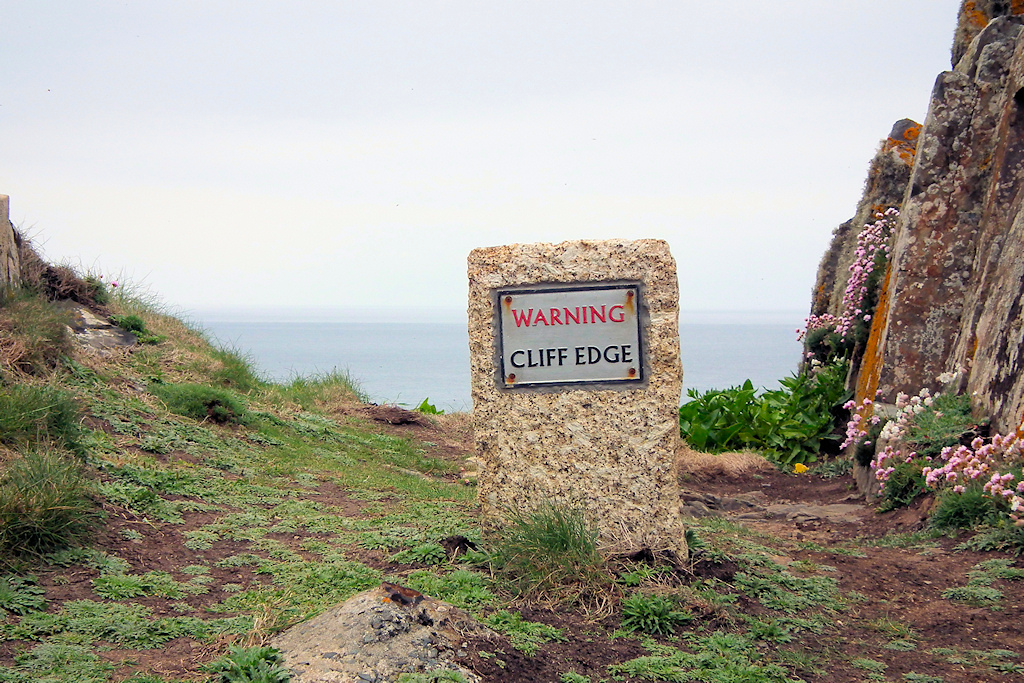

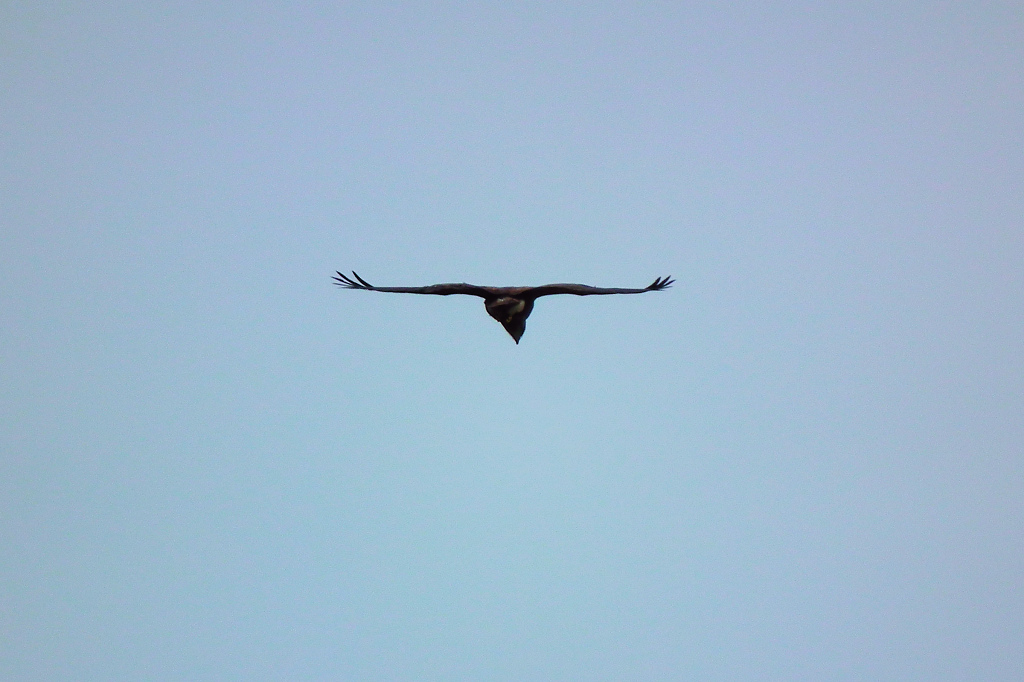



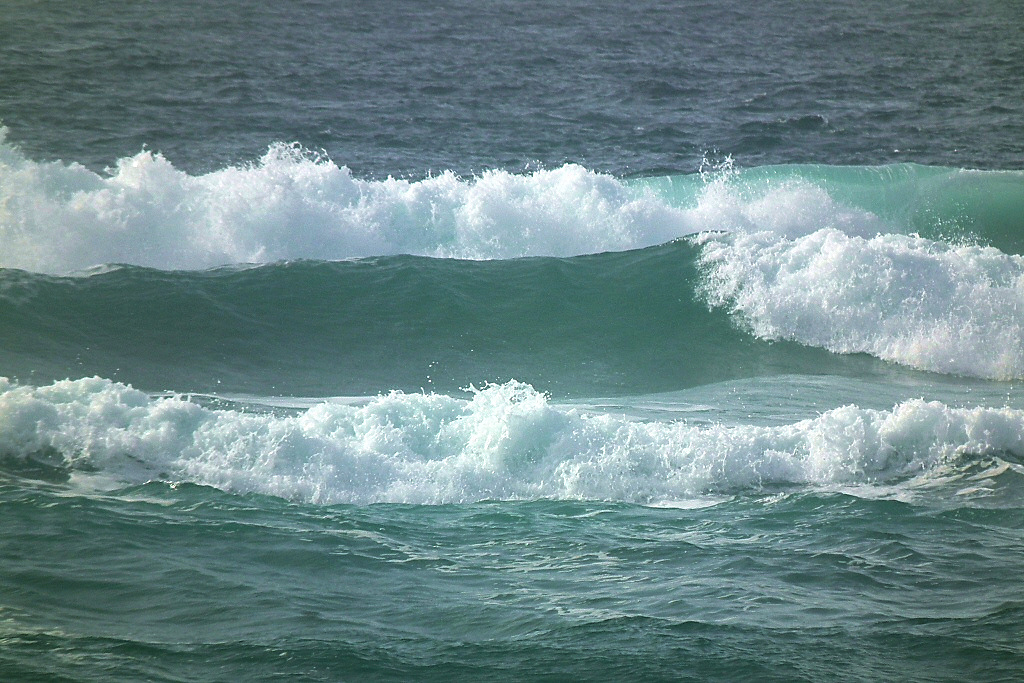

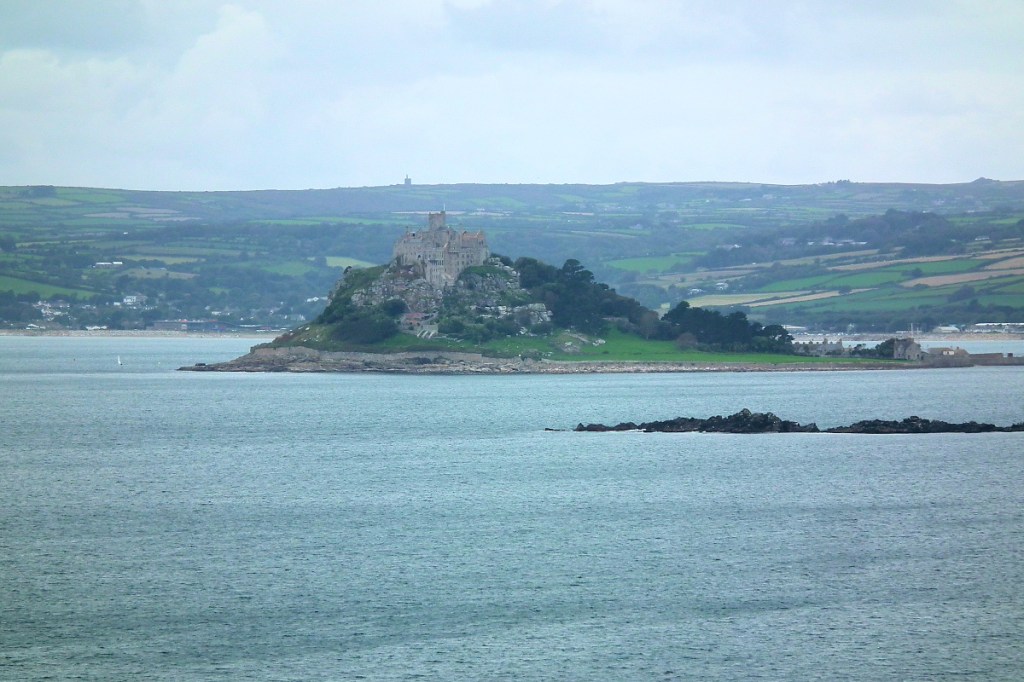
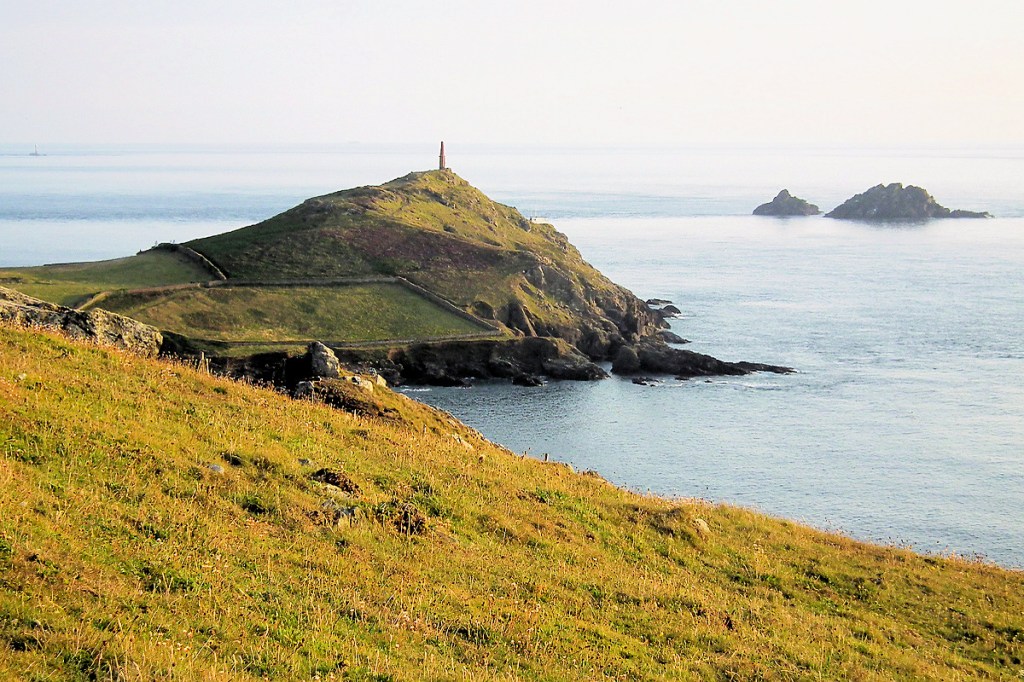

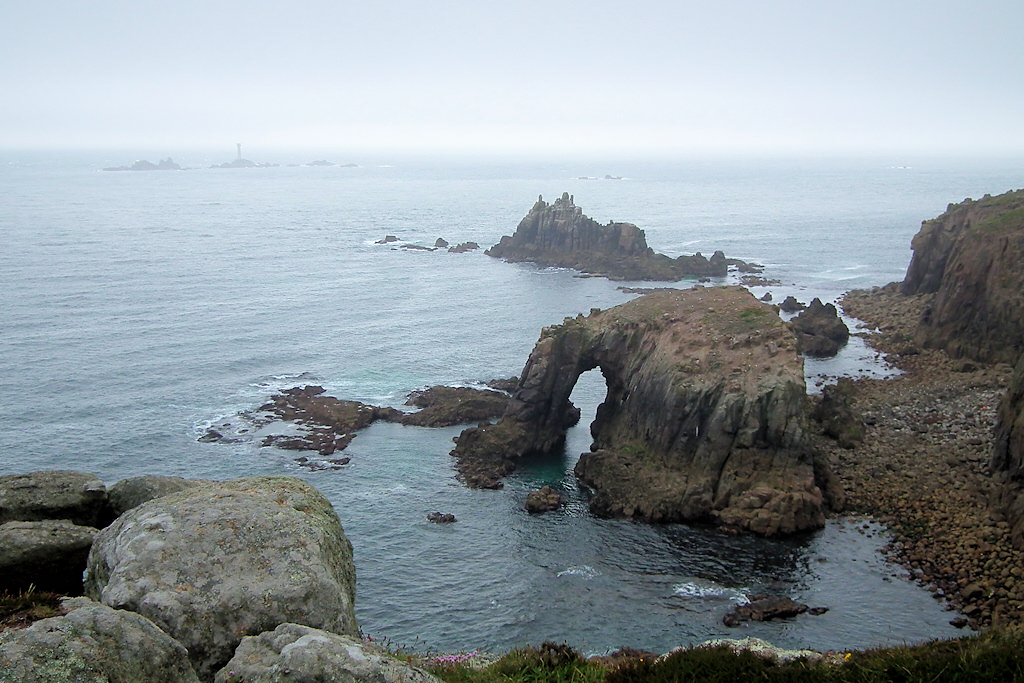


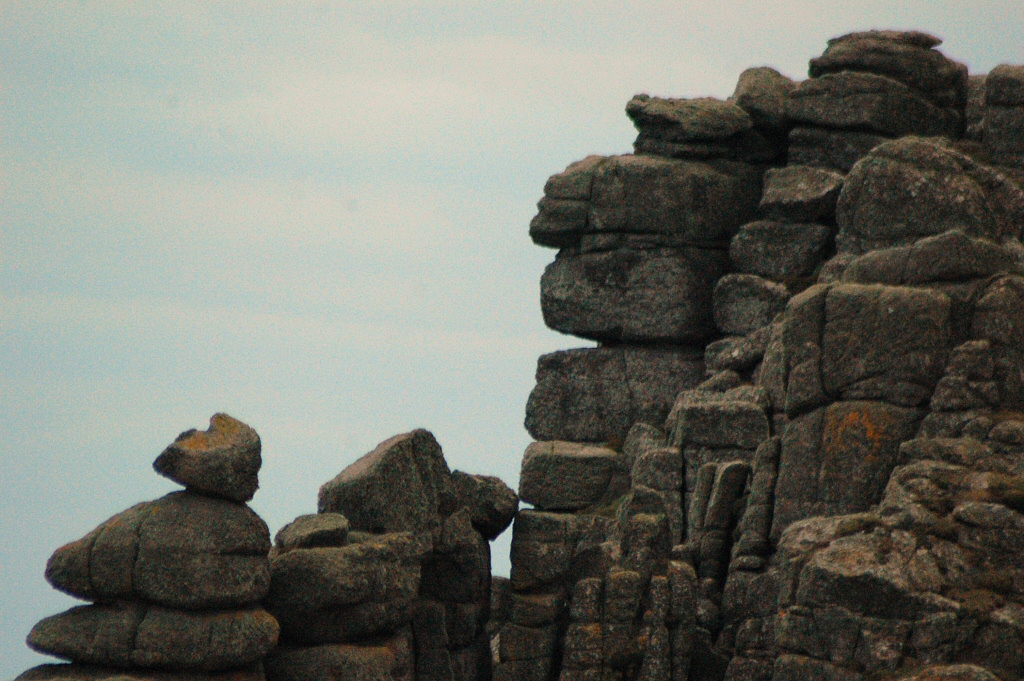
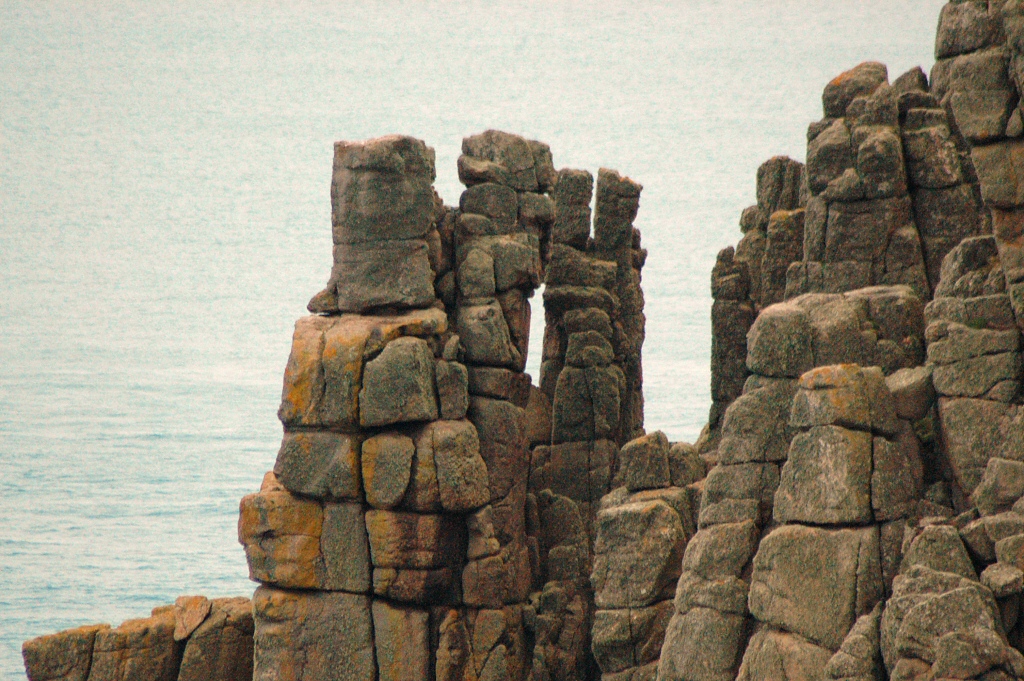
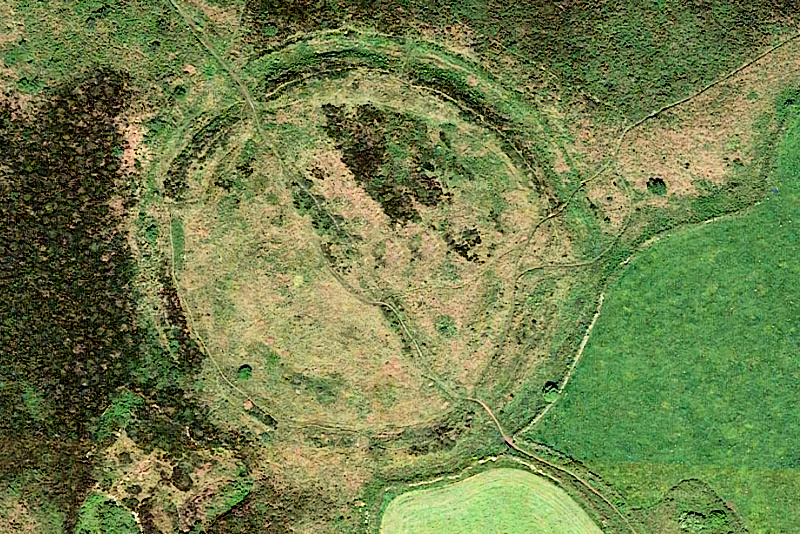
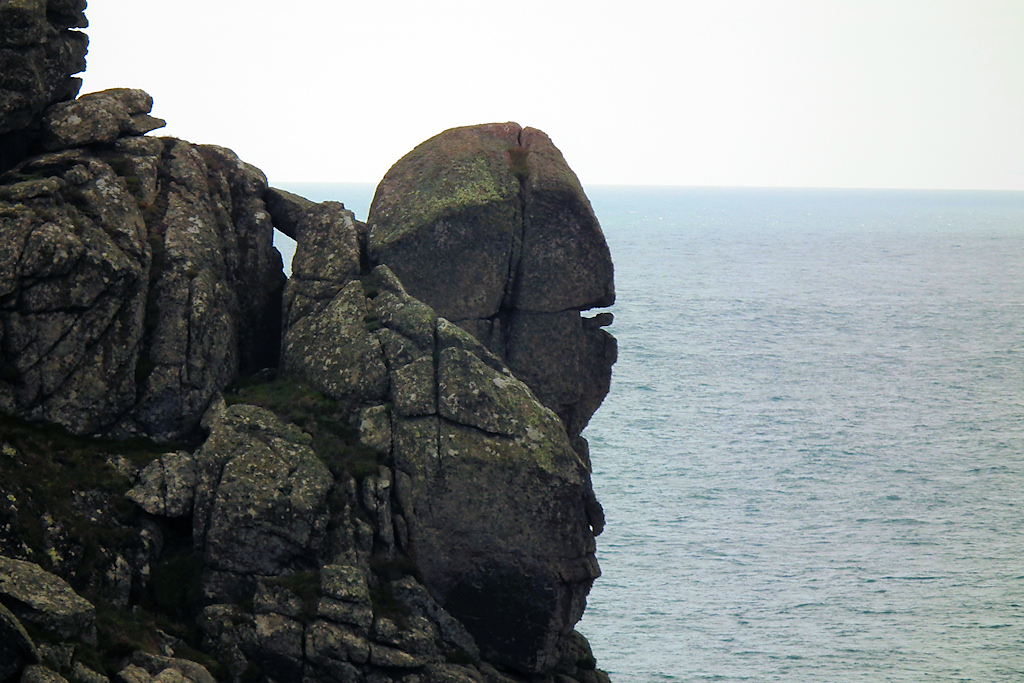

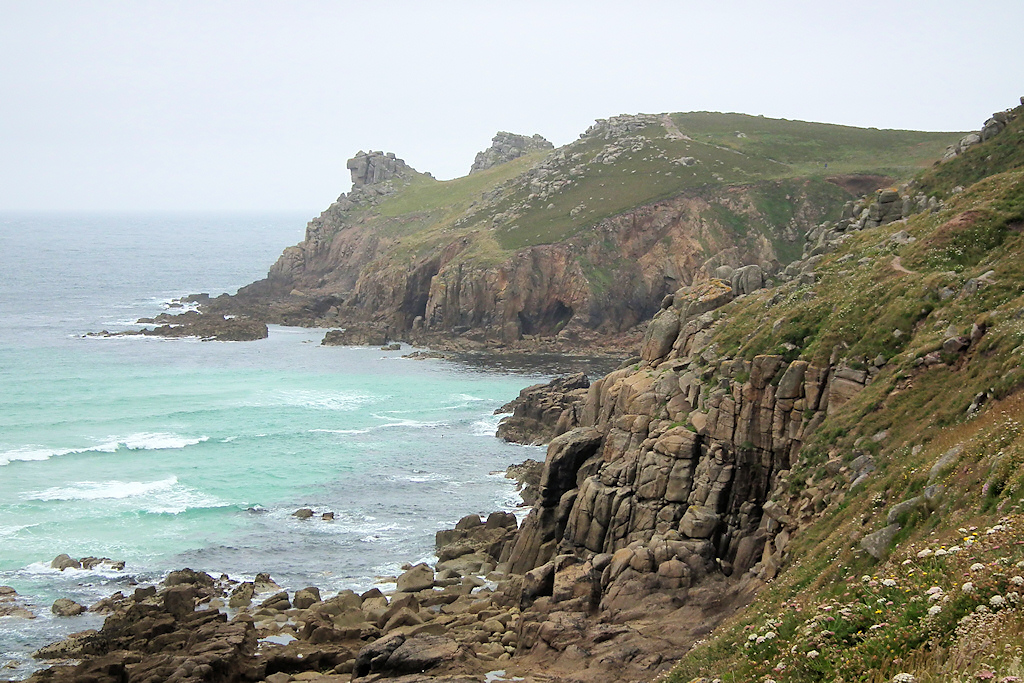

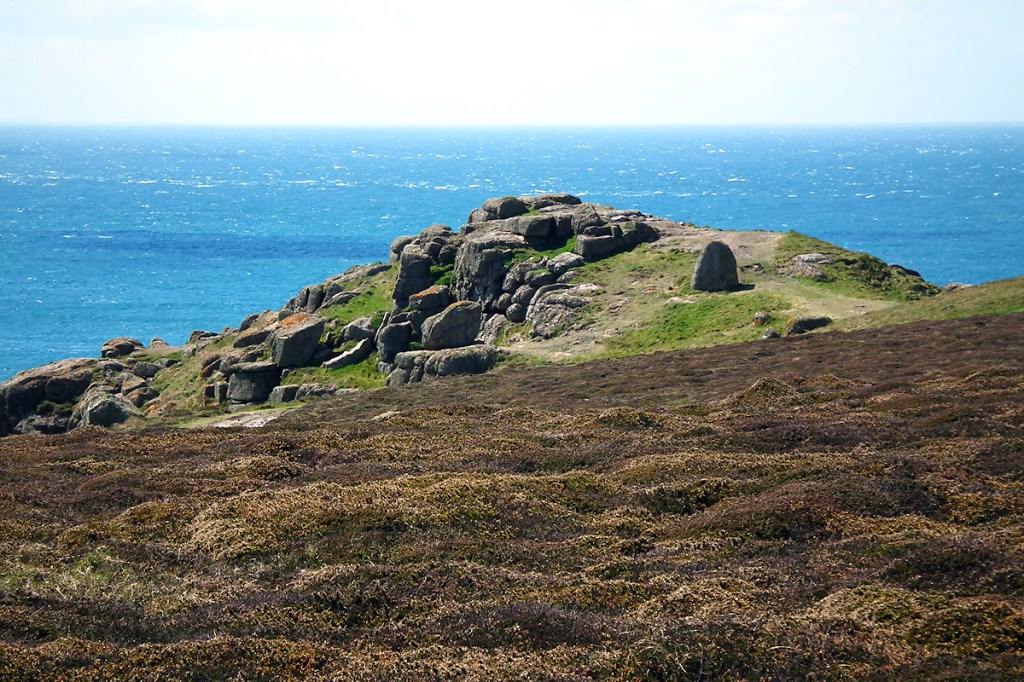

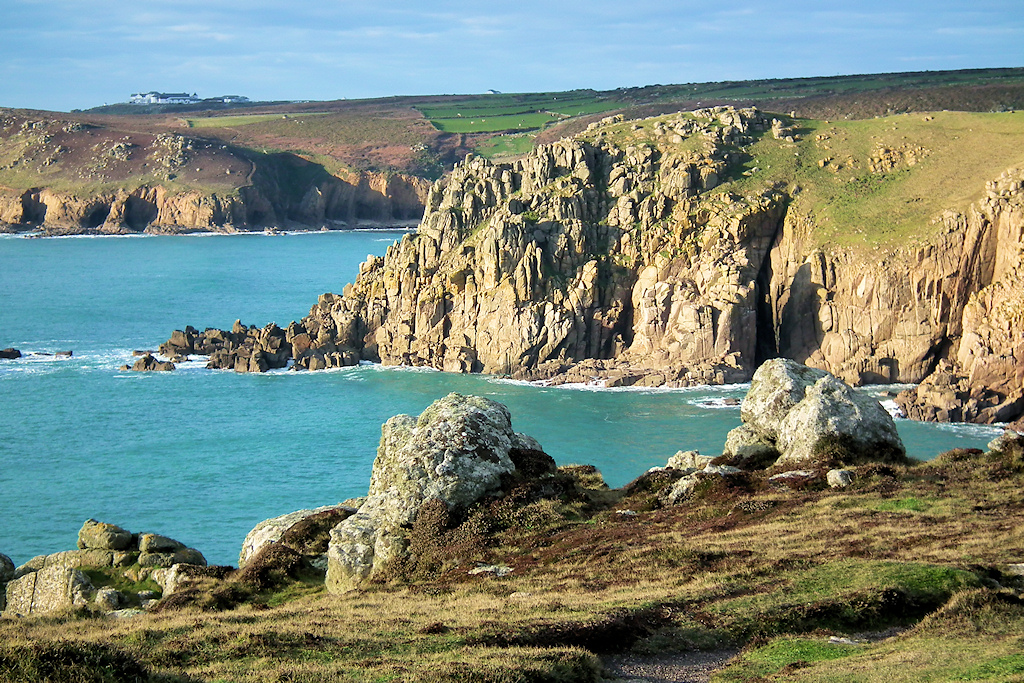


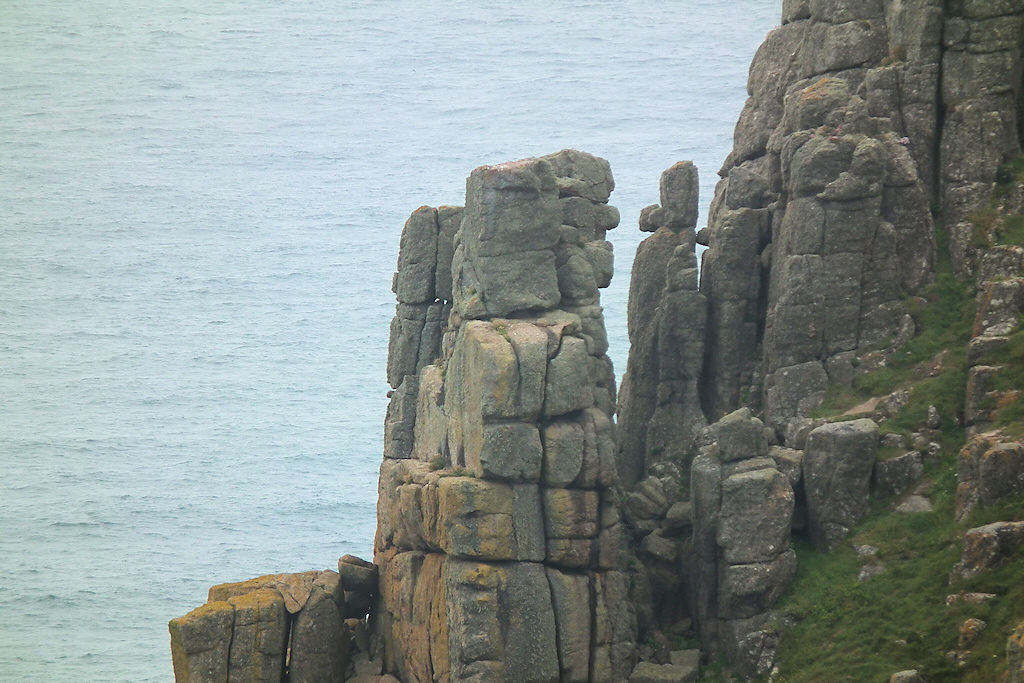



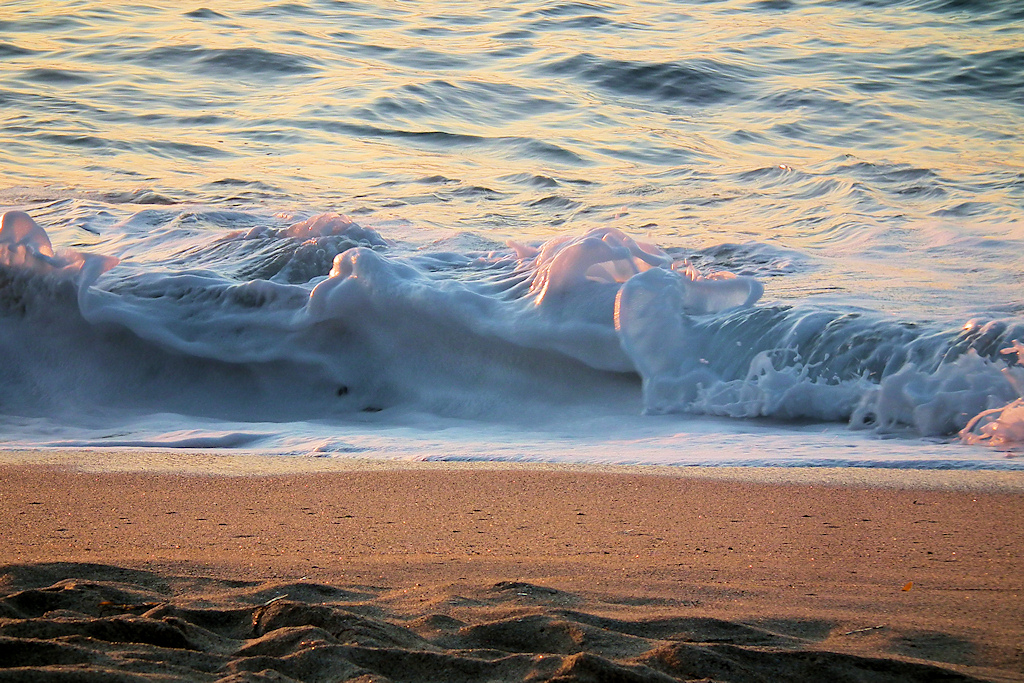
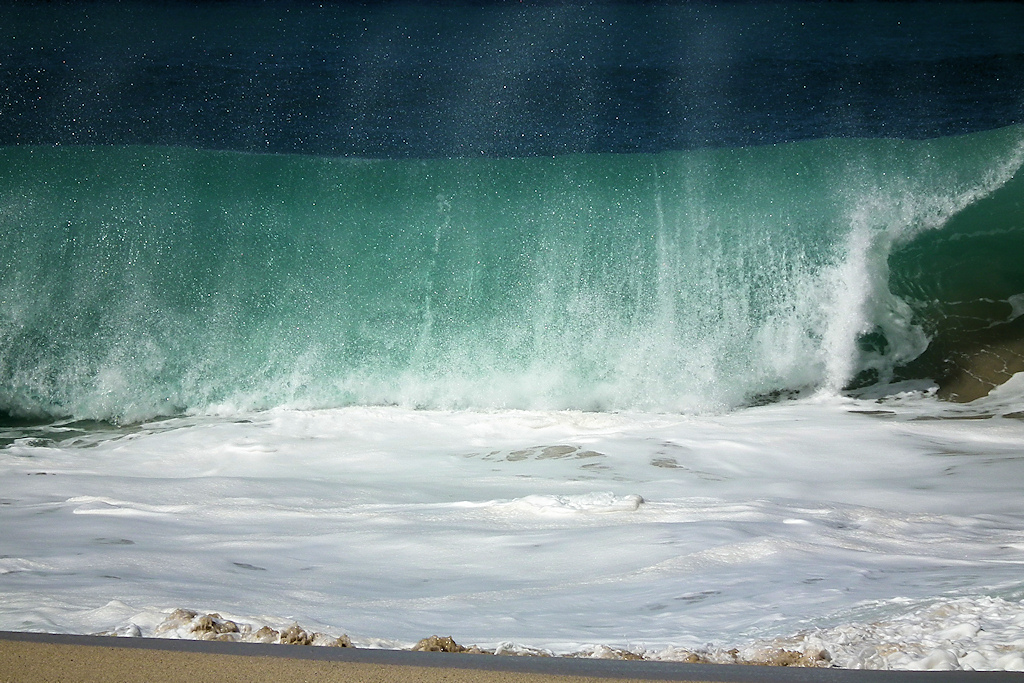
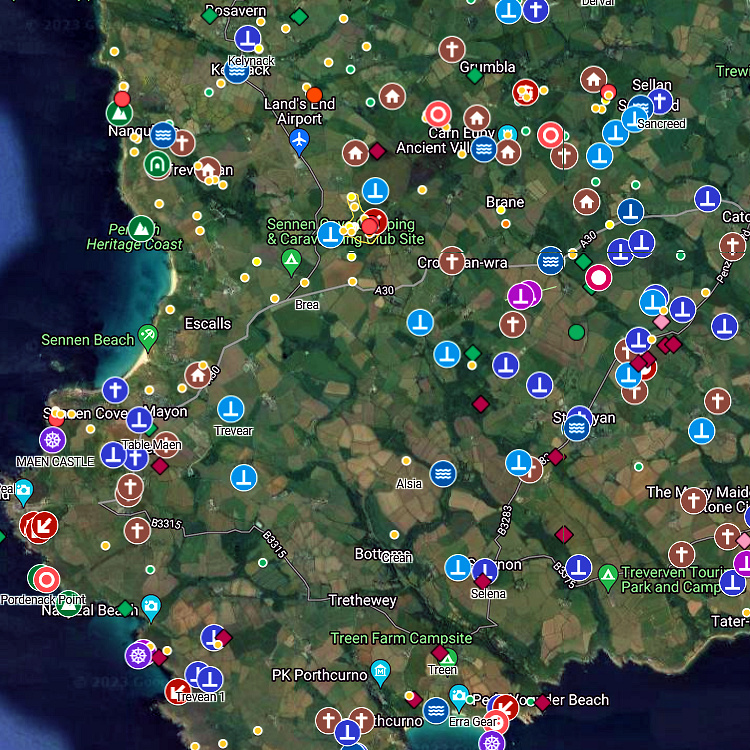
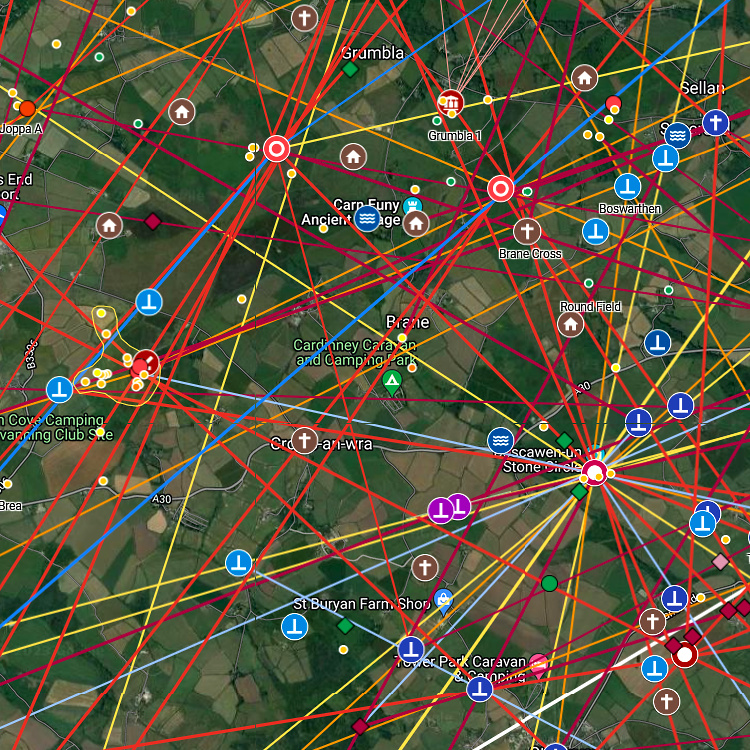

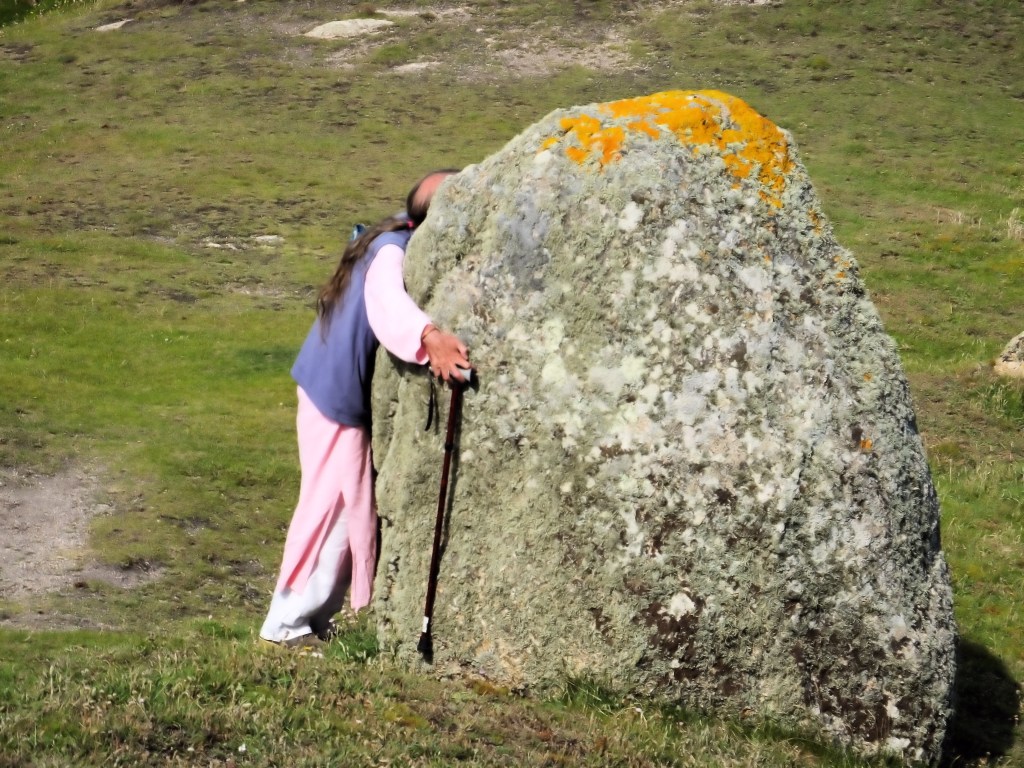
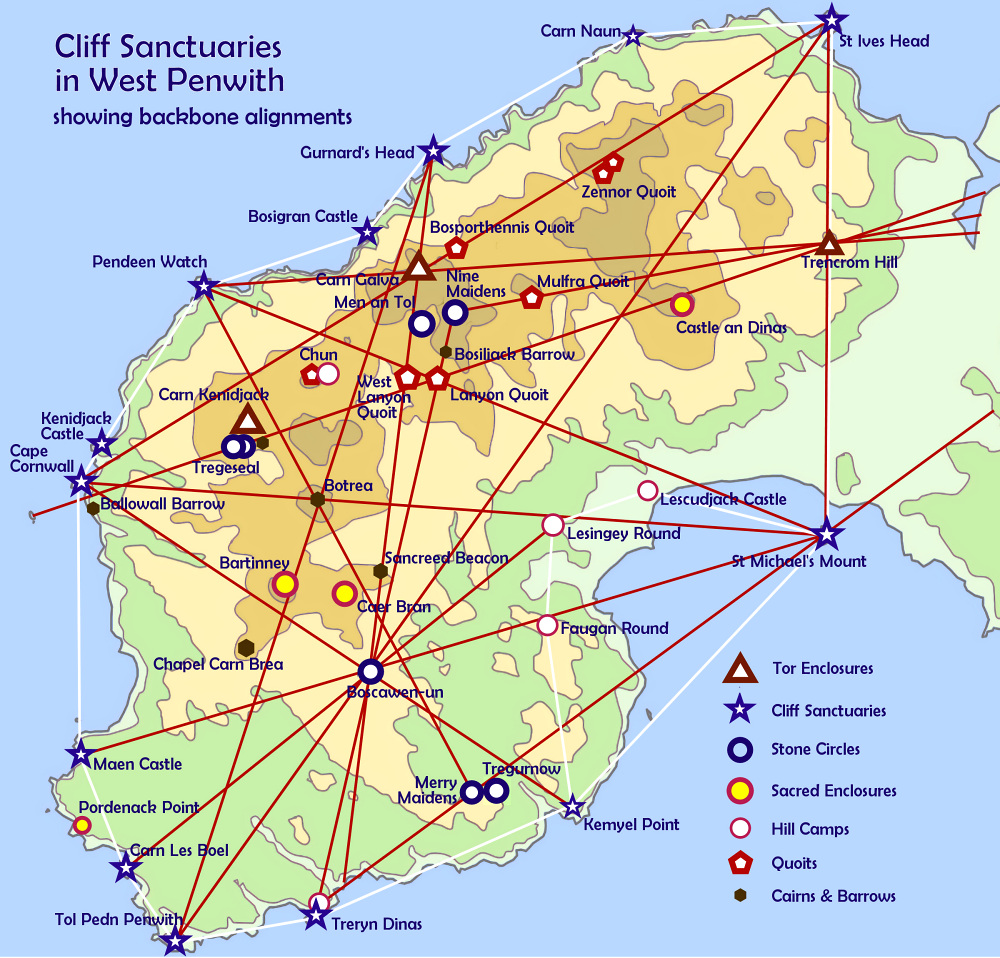

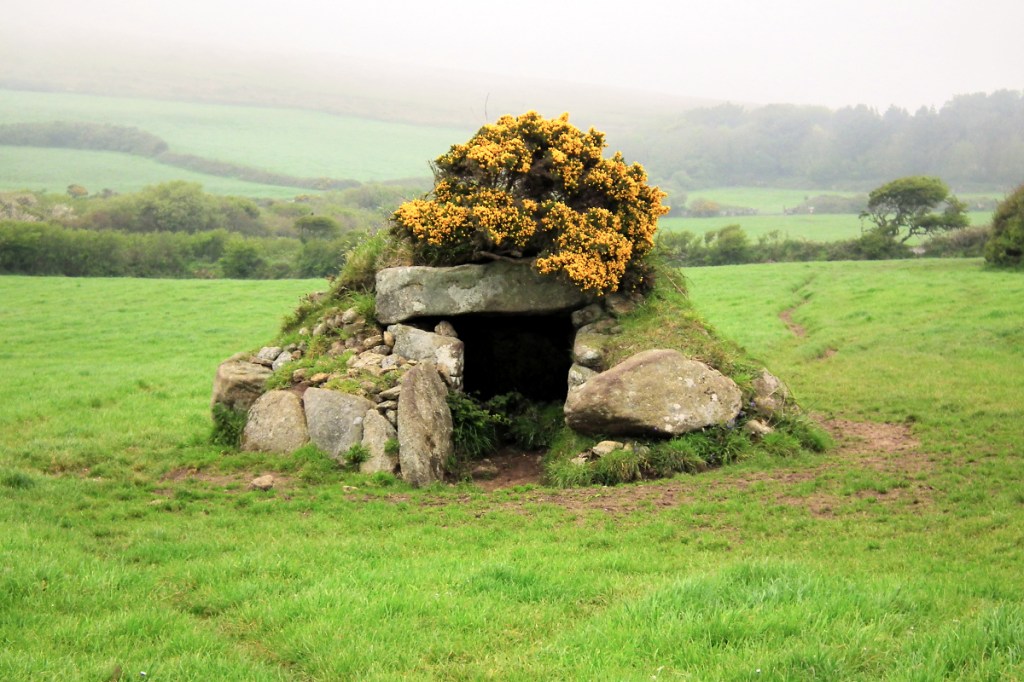
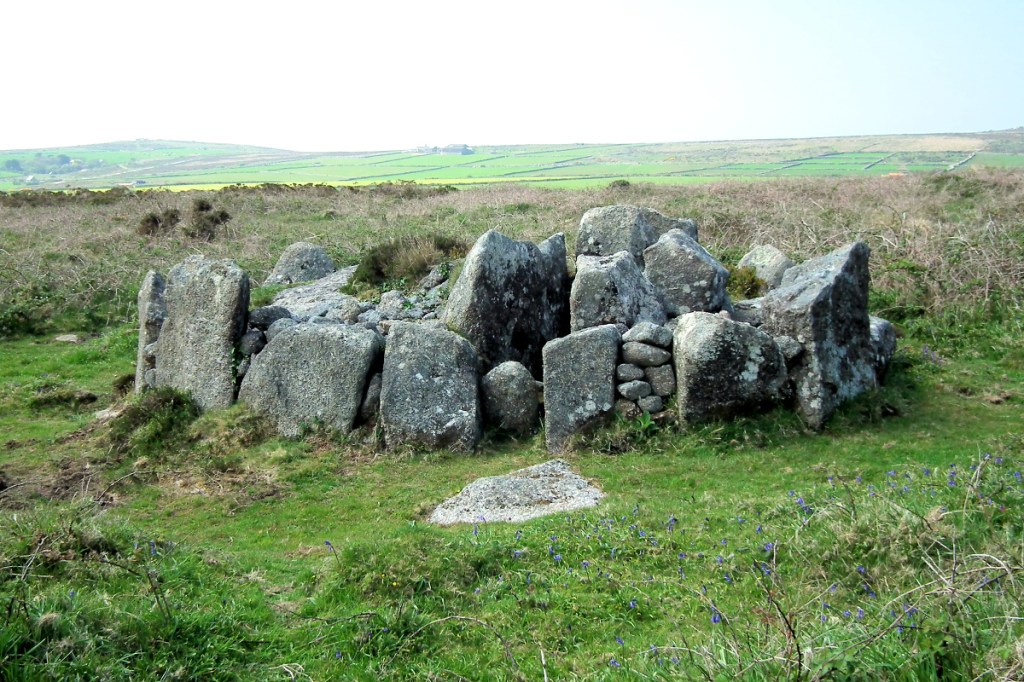


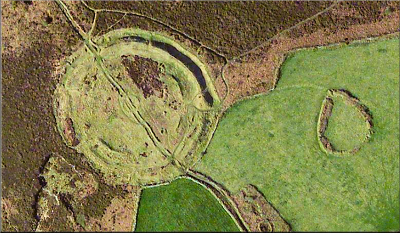
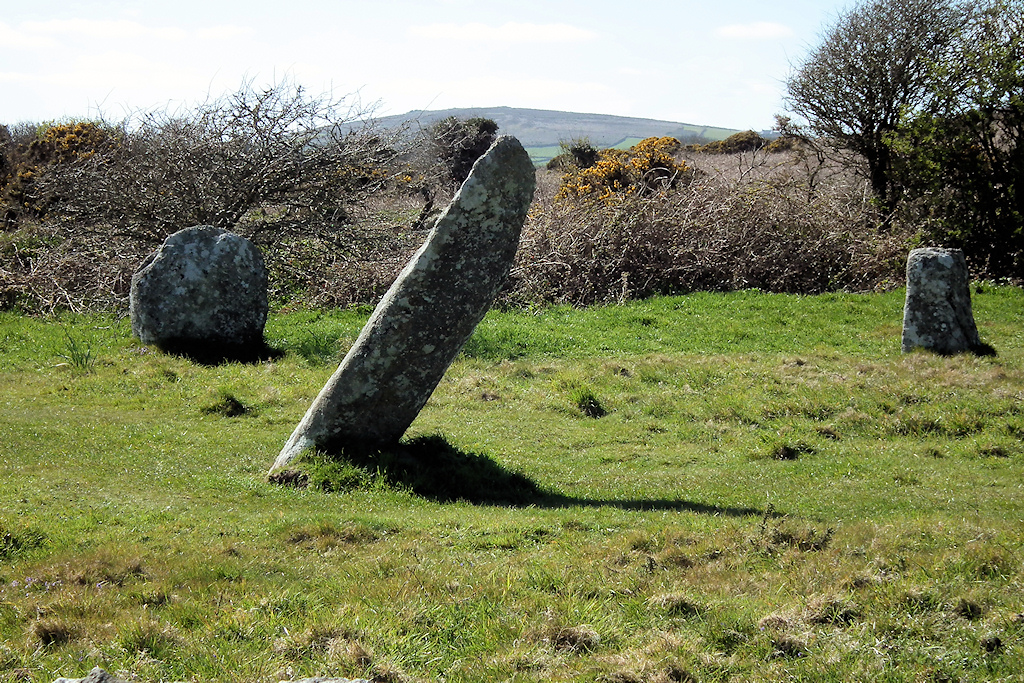
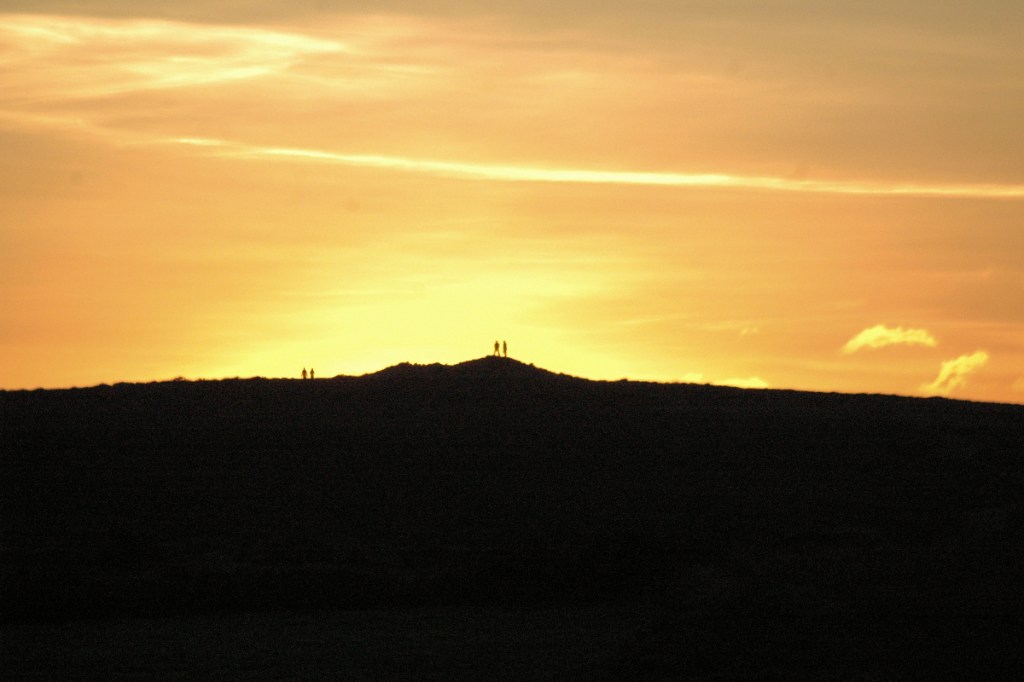
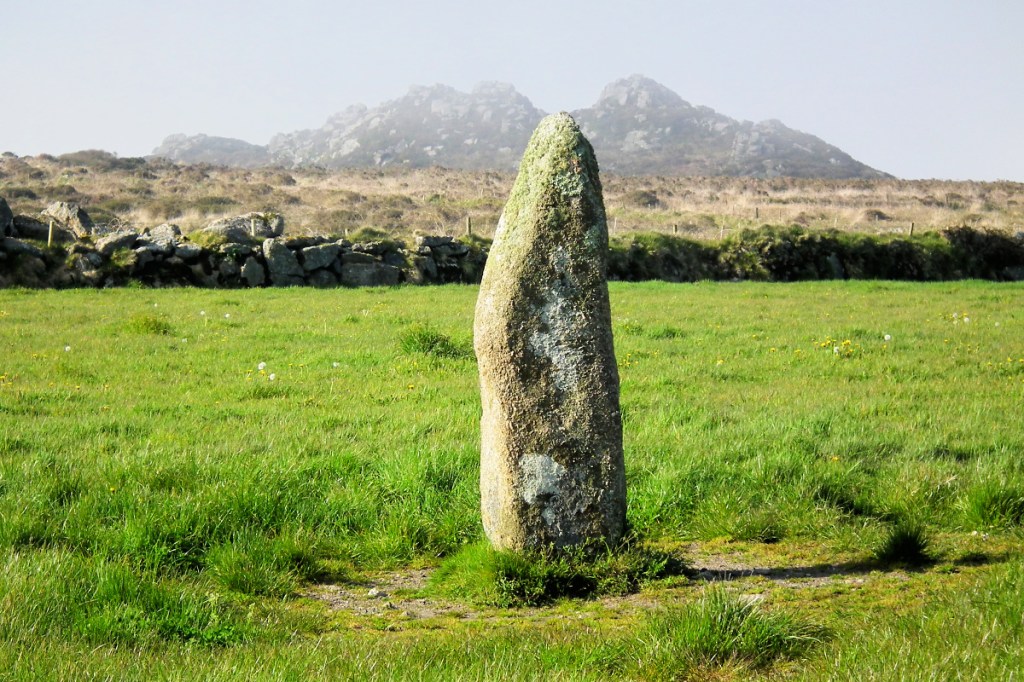
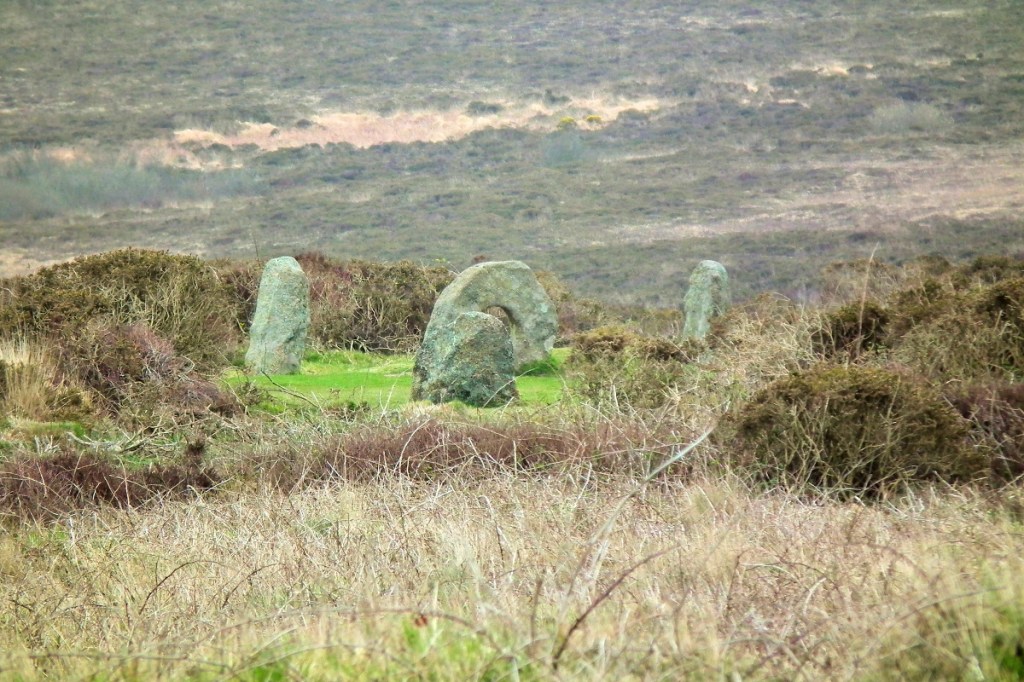


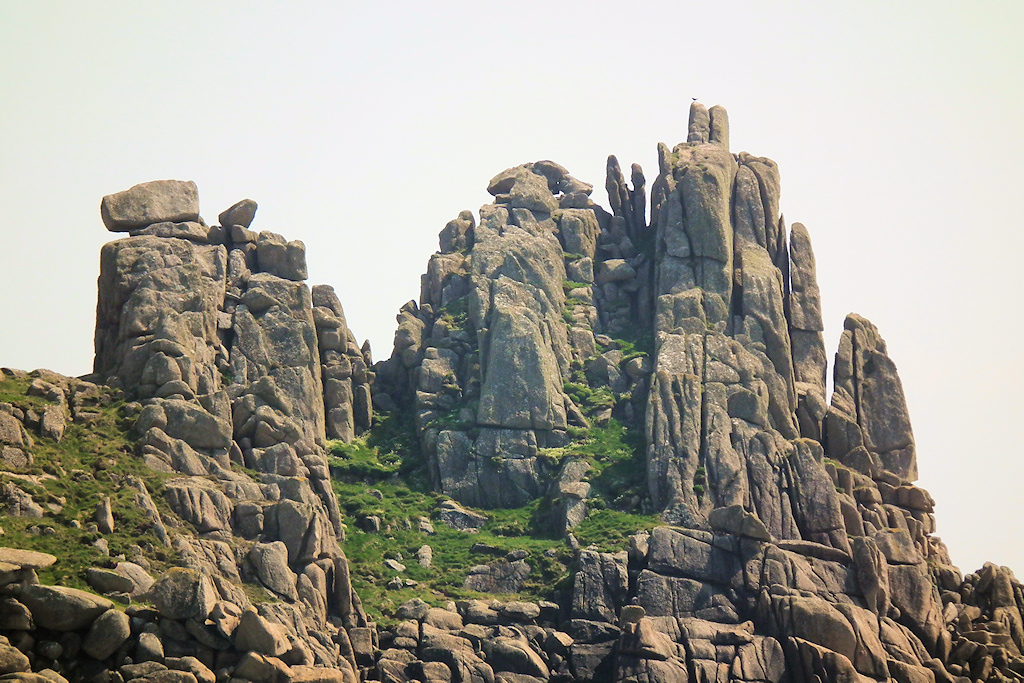
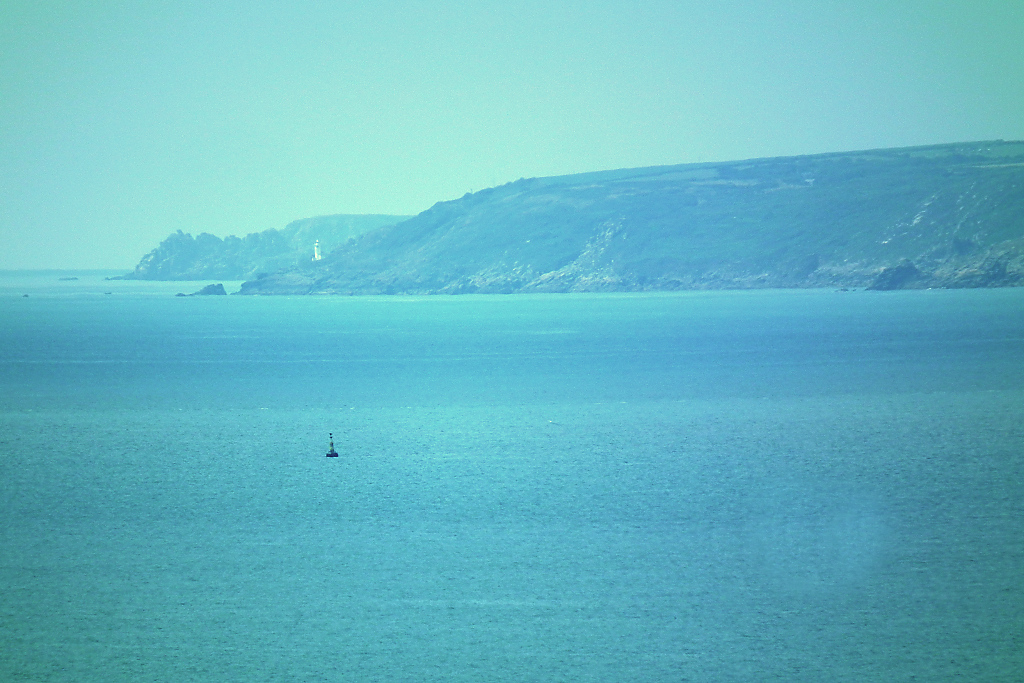
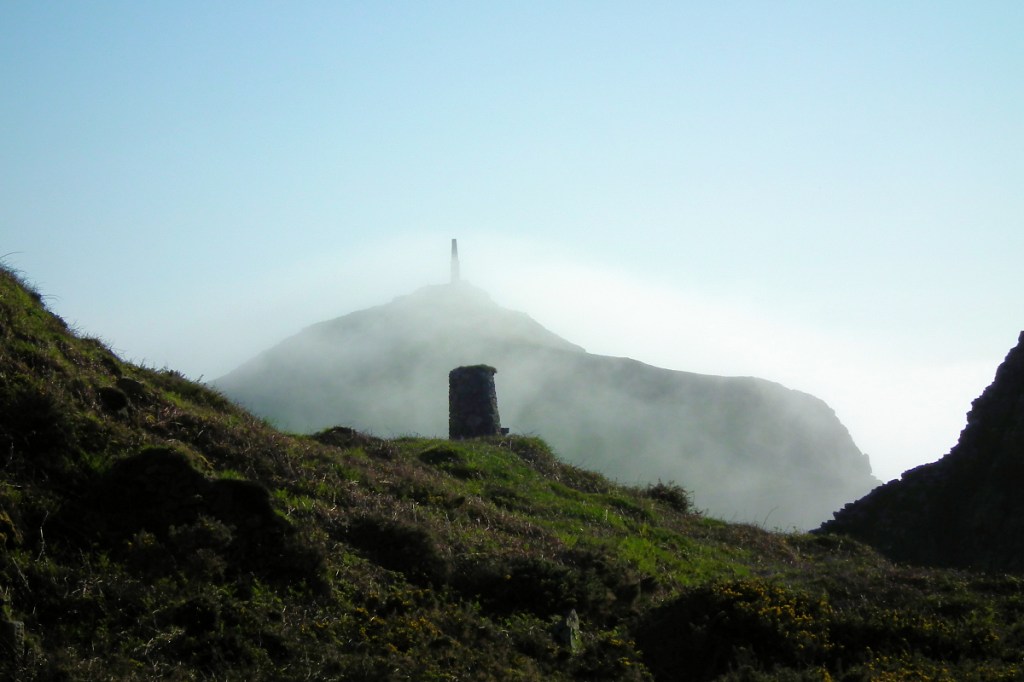


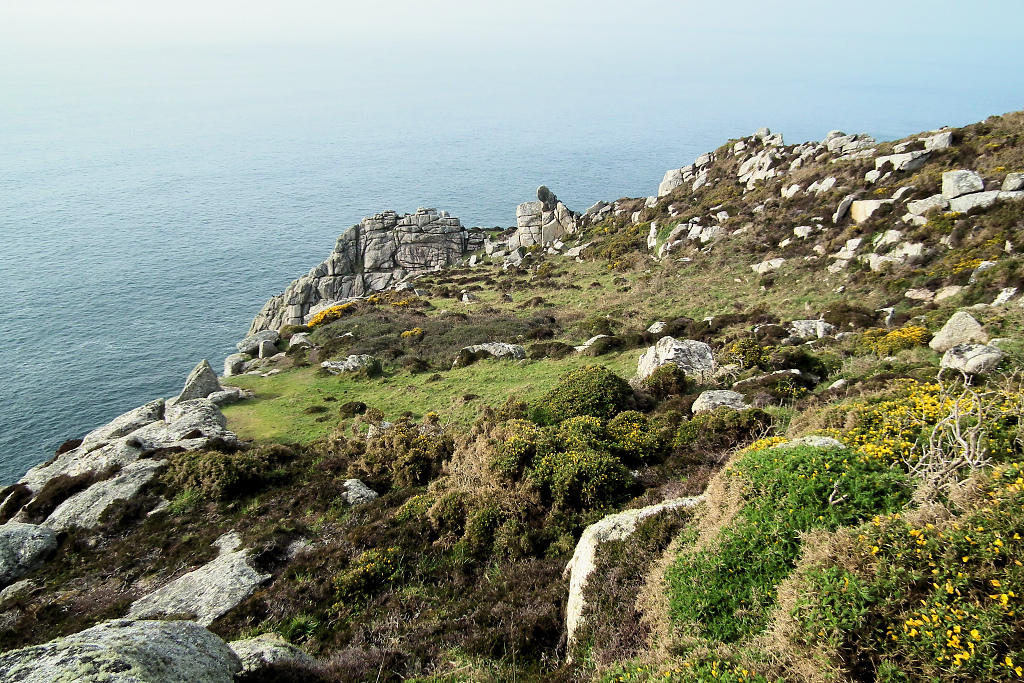
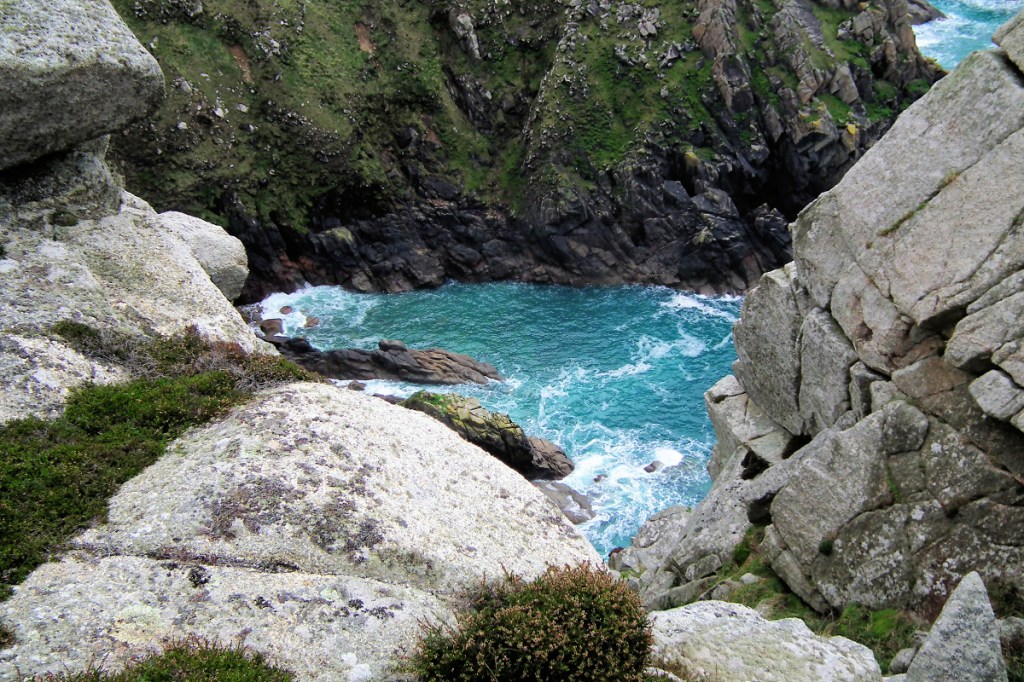
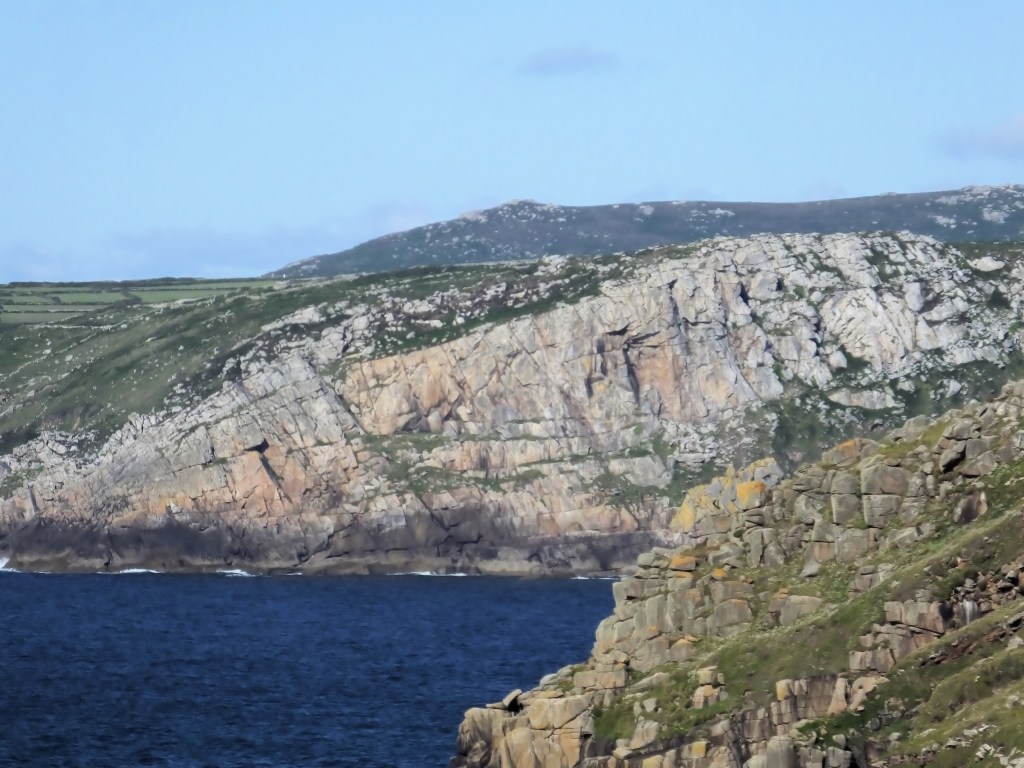


You must be logged in to post a comment.