World Work

I’ve been involved for a long time now in world healing work – or world work.

That’s to say, using the psycho-spiritual practices that I, and others, have learned over the years, and applying them in the context of world events as they are actually happening. The idea is simple enough: when something is happening in the world which causes fear, suffering, conflict or upheaval, we can work with it inwardly.

We fell upon this whole saga almost accidentally. A series of ‘coincidences’ happened, through which we discovered that this kind of thing does actually work.

For me, and for quite a few other people involved, the big breakthrough came in 1986, during the Chernobyl crisis. I was running an Earth Mysteries camp near Glastonbury for Beltane. People were arriving at the camp having just heard on their car radios that Chernobyl had gone up.

This of course brought up deep nightmarish feelings of dread in many people. Is this it?

There were about 150 earth-loving people at the camp, and we used a technique we called powwow. It was a talking-stick process. We sat in a circle, the stick went round, and people were invited to speak from the heart – their feelings, observations, intuitions and whatever they knew about what was happening. The purpose wasn’t simply to talk about Chernobyl. It was to do some healing and clarification around it.

So that’s where it really began.

In the mid-1990s this developed further when I started the Hundredth Monkey Project, which ran for three years. The story of that is on my website at https://www.palden.co.uk/m100.html.

After that came the Flying Squad, which continued for about twenty years, started by a caucus of ‘Monkeys’. That was a smaller group, but totally committed. The commitment was actually quite manageable: one meditation every week, and then three or four gatherings during the year – either weekends or week-long camps – both of these without fail.

Each week we would take a theme – conflicts, forest fires, nukes, apartheid… Sometimes a theme would stay with us for several weeks.

Once a month we would have an open session, where people could simply go where they were drawn to go. It was a way of fishing, really – fishing for the issues that needed attention, and for possible solutions, answers and ways through.

I’ve written and talked about these methods elsewhere, so I won’t go into all that here but you can find out more at https://www.flyingsquad.org.uk and at https://www.palden.co.uk/psychic-work.html  .

But there was something we discovered that surprised me. When you do this kind of work, you can actually go through more personal growth than when you deliberately set out to do personal growth work.

That was quite an eye-opener.

It gave us an indication that perhaps we are programmed with quite a lot of ideas about our individuality and ‘sovereignty’ that aren’t necessarily correct. Because the world’s issues are our issues. Refugees. Hunger. War. Earthquakes. Climate extremes. Racial tensions. Economic problems. All of it.

And in some way, the world outside reflects the world inside of us. The Buddhists have a word for this: non-duality. The world within and the world without are one and the same.

Afghanistan and the shadow of the world

More recently I’ve continued this work on my own, although there are still people doing it in various ways. Recently I’ve been focusing on Afghanistan – on the shadow of Afghanistan, what it reflects about the world today, and what it might be trying to teach us.

We have to get out of the good guys and bad guys mentality. We have to get out of judging people from other cultures as though our way of seeing the world is automatically the right one. We have as much to learn from them as they have to learn from us.

This is particularly important for those of us in the West. We’re rather proud of ourselves and we’re rather stuck on the idea that we know best – and that needs to end. Many of the problems on Planet Earth come from precisely that sense of superiority.

So, what does it mean, to work with Afghanistan? Well, first of all, I try to find out what’s going on. I read up on the matter. I watch videos. I look at all sorts of things. I’ve watched material about the Taliban, about ordinary people in Bamiyan Provence, about the British forces in Qandahar, about the Panjshir valley, and the ins and outs surrounding the whole thing.

I get into it. I get to learn what the issues are for people, and the variety of those issues. That creates what I think of as a kind of psychic anchor point.

You can visualise people as psychic beacons – people who, simply by being who they are and living through what they are living through, can bring something into the collective field. Perhaps some blessing can come through them that we couldn’t bring ourselves. And that’s an important thing.

It’s important to know something about the actual situation. Not just the statements politicians make. Not just what Trump does. Not just what the newspapers say. Forget the politicians. Forget the propaganda. Bone up on the stuff and find out what is actually happening. Nowadays we’re blessed with enormous sources of information. But we also have to be discerning.

The discipline of doing it

Then I meditate. Once a week. That’s my world-work meditation.

What I’ve discovered is that perhaps one meditation in ten is blitzingly amazing. One of those experiences where something opens up and you think, woo, something just happened. The rest vary enormously. Some bring insights. Some bring subtle changes. Some seem to do very little.

And sometimes I just fall asleep. The Tibetan lamas taught me something useful about that. They said not to feel guilty about falling asleep during meditation. The Buddhas might simply want to work with you on another level. Well, may it be so.

So one meditation a week becomes fifty-something meditations a year. Do that for ten years and you’ve done about five hundred. That’s quite a lot of work. It’s amazing what can happen when you simply keep doing something regularly, for years.

I visualise some of the people I’ve encountered. Sometimes I’ve actually met people who become part of the work. Here’s an example.

I remember one evening at Bosigran Castle, a cliff sanctuary here in Cornwall. It was beautifully still and a friend and I heard bagpipes. The sound carried a long way. We walked towards the car park and found a man there who had recently come back from Afghanistan.

He was playing his bagpipes to the wind – for his dead comrades and for all the people he had known there.

It was a moving thing to witness. He was relieved to talk to us.

Having worked in war zones myself, I could understand something of the weight he was carrying. That’s one of the problems for soldiers and humanitarian workers. They come home and nobody understands. Nobody really knows what it was like. And yet, in another sense, it’s not as bad as all that either. It’s human life. Full-on human life.

What the comfortable West has forgotten

We live such switched-down, comfortable lives here in countries like Britain. And I’m afraid we may be in for a bit of a shock. Because the reality experienced by the majority of people on Planet Earth is very different from the reality experienced by relatively wealthy, comfortable Westerners.

We are not the bees-knees any more. Increasingly we exist by the good grace of people who are not Euro-American, not white-skinned – people who make up the majority of humanity. There’s something we need to learn here.

One of the ways to do this is through the Tibetan practice of Tonglen. The basic idea is that you start with something you know yourself. For me, I have cancer. My body is fucked. Life is difficult. These are things I understand from the inside. That becomes the anchorage. Then I reach outward.

I might think about people in Gaza who have cancer. There will be thousands of them. And unlike me, many of them may not have access to the medication I have been fortunate to receive.

But there is something else. They may have something I don’t have. Depth of care. A humanity, an empathy which is far greater than we sensible Westerners care to show. And this raises a fundamental issue. Forget the Judaeo-Christian idea that has motivated the humanitarian and the charitable sector, for so long. This isn’t really about helping other people.

This is about energy exchange.

If I went back to Palestine as a cancer patient, the care I would get from other people would be better than what I receive in Britain because they have large families and a different attitude and priorities. It works easily in a family of forty. So the funny thing is, they have no medication and we have little care – we need to swap some of each. Our society is geared towards material things and that is both our strength and our problem.

Even in the last few years since the whole Gaza thing and the West Bank has kicked off again, Palestinians can actually be happier than people in countries like Britain, Europe and North America. They are strangely socially wealthier.

This might sound strange but it’s because they have faced stuff which we still fear. We fear loss. We fear danger. We fear pain, violence, rainstorms, droughts, having no chocolate. All sorts of stuff. Using our fear, we conform to the requirements of the machine we live in, and as a result of this we have lost quite substantial degrees of our humanity.

This is what people in Palestine, Syria, Yemen, Iran, Pakistan, South East Asia, Latin America and Asia can show us. Ubuntu. This is about caring for our fellow humans. It’s one of the key things which people like Palestinians can teach people like us.

So really this is an energy exchange.

I can visualise somebody receiving medication or help, or comfort for their soul, or light in their darkness, and in doing so I too become healed – and this is how it works. It’s not about us helping others, it’s about us swapping what we are strong in, with what they are strong in.

We, in countries like Britain, are a bunch of softies nowadays. We are incapable of dealing with a lot of basic things – finding food after an earthquake or sharing our last loaf of bread with our friends and neighbours. We’re going to have to relearn this because things are going to go down in the West. When I say down, I don’t mean necessarily mean ‘bad’.

I remember a professor at the London School of Economics once saying something. He said that when the economy goes up, society goes down, and when the economy goes down, society goes up.

And this is what we have ahead of us.

We’re coming into a time where society will go up, even if the economy goes down. And this is going to be a very fundamental thing. This is going to change the whole sociology of our nation.

Energy exchange

Look at me. I’m old. I’m disabled. I need some care and attention. But I’m not helpless. There are things I can still do, up to a point, that are good for me to do – and for others too. I can contribute. I could cook a meal once a week for ten people (though not more). And because I have the time, I can do something that somebody else doesn’t have the time to do. I’m not just a recipient of care. And that matters.

People can go through extraordinary loss and still have something remarkable to offer. I know of a woman in Gaza, a journalist, whose family was bombed out while she was away working. She came home to find her house levelled and her family gone. And yet, somehow, it made her more committed to a life of peace-building.

You get the arrival of amazing peacemakers, fully qualified to bring about social healing because they’ve been into the depths of suffering and have come out the other side. They don’t want revenge, they want peace – and there’s something here which is important.

To get back the world work, we’ve got to change our philosophy. It’s natural that a person like you or me should want peace and that would be our social-political preference. But the thing is, you can’t wish peace on people, you can’t oblige it. People have to come to peace in their own way, and that often involves a lot of forgiveness.

It often involves a lot of exhaustion, actually. It means that people have to come to a point within themselves where they have had enough. They just want to go home, lie in bed and twiddle their toes. They want to do some shopping, just like everyone else does. They want to have a holiday.

That’s what brings peace. But people have to come to it in themselves.

So don’t wish peace upon people – it doesn’t necessarily help. These people are hurt, and they’ve got to work things out for themselves but you can wish forwardness and progress on them.

Take Ukraine.

At the moment, no matter what we might wish about peace and ceasefires and all the rest of it, it’s not going to happen anytime soon – unless of course, there is a miracle. So it’s not worth it really. It’s more to do with encouraging people to have good attitude, fortitude, perseverance, looking after each other and looking after themselves. Wish that upon people because, that way, they will get to peace quicker.

Getting underneath the story

This kind of work has got to be realistic, and that’s important. Not just idealistic. There’s enough idealistic meditation. There are enough people praying for peace, transformation and ascension and all the rest of it and that’s good. But this is about digging around in the dungeons. Digging around in the undergrowth and looking at the deeper causes of what’s really going on.

Take the situation in Iran at the moment. The fascinating thing is that it’s not going to resolve itself anytime soon, or very easily, and yet the aspirations of the Gulf states are getting ruined and Iran itself, a country with such a history, is getting ruined. Its people are paying a high price for the intervention that’s going on. What right have we or the Americans to do this, really?

I say ‘we’ because we British have been involved in Iran’s history. Back in the 1950s we brought about a coup d’etat there to work in our favour. What was it about? Oil and money. No wonder Iranians have difficulty trusting British people, even though we’re not involved in this war.

Technically speaking, it’s Mr Trump’s own war, such a desperate soul that he is. But he himself is channelling a force which is alive in the collective psyche of humanity. He wouldn’t have any power if there were no people who implicitly support him and are persuaded by him. And so the story goes on.

Our own shadow

We’ve got to get out of these judgements. Donald Trump is shaking things up. He is showing us plenty of things that we don’t want to do or to see in future.

We humans and our societies are a key issue, now and over the next decade or two. Because humanity has a leadership problem. We have a big crop of pretty bad leaders at the moment. We also have a good crop of pretty good leaders whom many think are bad leaders. And we have a crop of bad leaders who many people think are good leaders.

There is something we need to straighten out here. This has to do with social power and healing the past, healing history and the pain that we have had.

We might pride ourselves of living in a democratic country such as Britain but we’ve had our riots, violence and oppression. Just because the system now uses carrots rather than sticks, it doesn’t necessarily mean everything is better.

Part of world work is therefore to do with working with the shadow of our own country. Britain has an imperial past. We have hidden guilt about it, inherited from our ancestors. It’s not our responsibility to correct everything they did because it was something of a past generation, but nevertheless we can use our privileged position as British people, Americans and Europeans, to bring about good.

Palestine, personally

One reason I became so involved with Palestine is because it is a former British colony. My grandfather was involved in General Allenby’s British invasion of Palestine during the First World War. It’s personal, and in order to heal my own personal shadow stuff and that of my nation it has been good to go to Palestine and work with people there.

I’m so happy that I’ve done that and it’s brought me such joy – even though it has been tragic and we’ve made no progress, really. I’ve been involved in this whole thing for twenty-fivish years and it’s been backwards progress. Well that’s what it appears to be, but underneath there’s something really, really important going on, and so we can’t judge events too superficially. Don’t just tut tut at Israeli settlers – they are teaching us something. What is it? And what are we going to do about it?

This isn’t about feeling guilty about antisemitism either. This is about humans and human needs. All of us.

A friend once said something which stayed with me. She said that nowadays we talk about human rights, whereas in former times we talked about natural justice. There’s something in that.

So what now?

Do you believe in world healing? Do you want to heal this planet? Do you believe in a positive future?

If you’re going to be one of the people that join the Great Ascension, do you really feel ready? Really? Have you done the homework? And, if you haven’t started, what then?

It only really needs to take an evening every week or perhaps a month or two every year. You can get involved in things like this and it has a way of gladdening the soul on a very deep level. Even though there is plenty of blood, sweat and tears that goes on, this is the stuff of life. This is Planet Earth. This is what we’re working with.

——————-

Recorded by Palden, and transcribed by Emma Cass – thank you, Emma.
Standing on the Edge

Two limited-edition evening talks
with Palden Jenkins
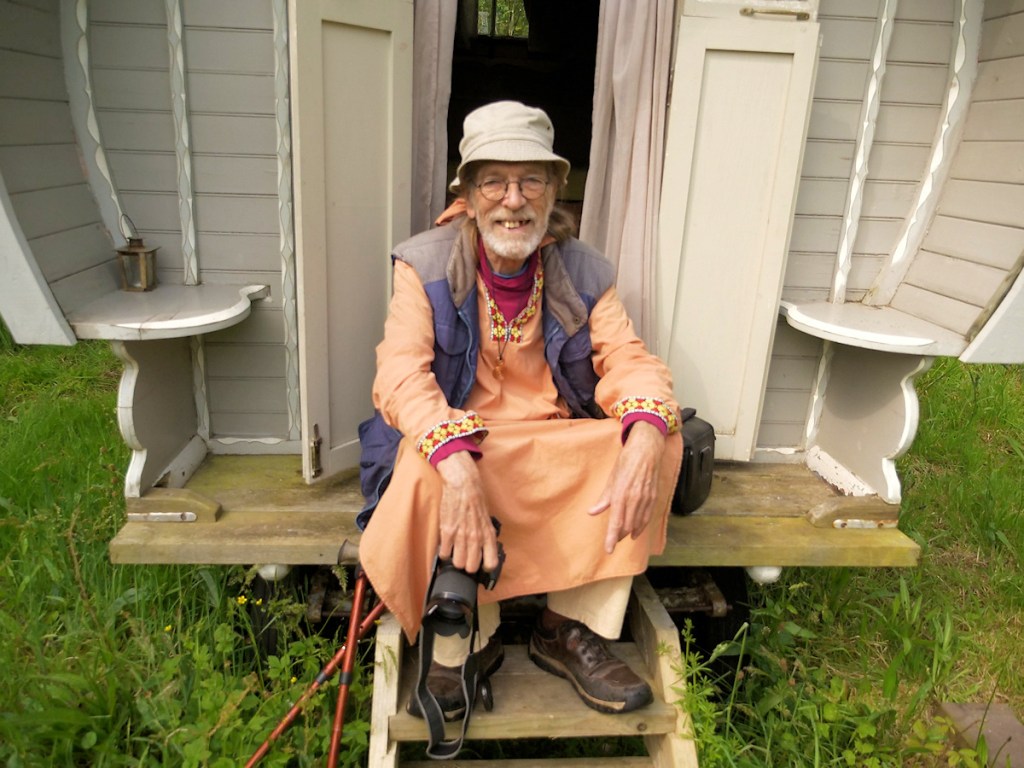
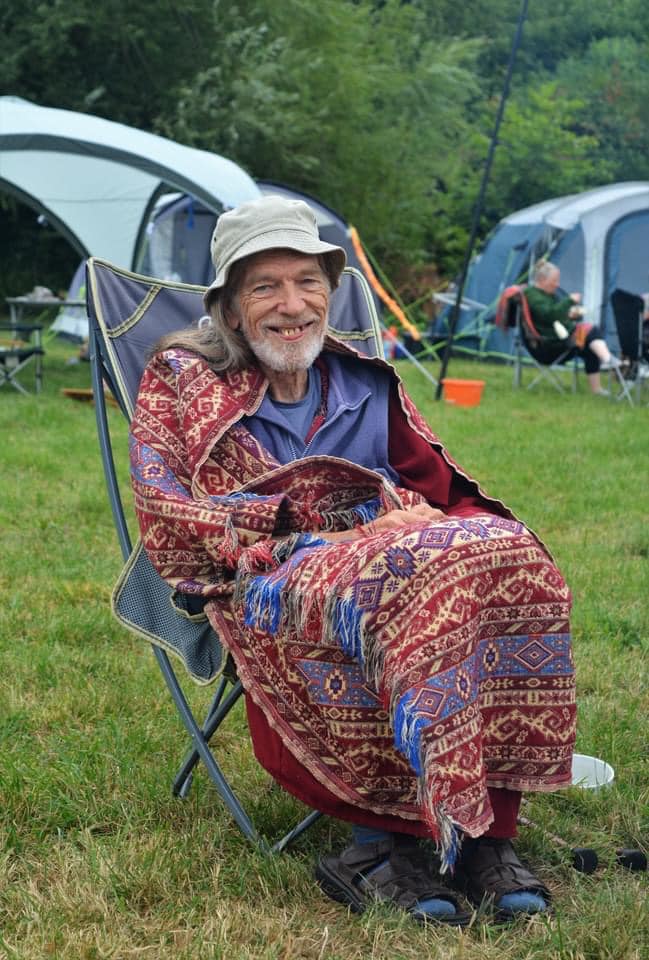
a decrepit old new age Penwithian from another millennium!

at The Hive in Penzance, Cornwall, TR18 4TP. Fridays 25th Sept and 23rd Oct, 7.00pm.

A 1960s veteran with a life-story to tell, and now in the end period of my life, I’ve come into a few insights along the way. I invite you to come and partake of whatever comes up or comes down on the day.

Teetering on the edge of the unknown, this is about our personal lives, our community belonging and our national and global futures.

Back in 2020 I described the late 2020s as an ‘avalanche of events’. Well, here we are. We and the world are being squeezed, stretched, shaken and squirted into a new, changeful, insecure reality in which it’s really difficult to see what is to come next.

But it’s coming anyway and it’s getting bigger and deeper.

It is this that will bring the changes that are needed.

Just as, in our own lives, we’re challenged to step into our true selves, so it is with Planet Earth. Earth seeks to realign with her purpose, her soul, and we, as itchy nits on her skin, are a part of that process.

In a sense, we’re losing control. But don’t fall for the idea that we’re doomed, that World War Three is just round the corner – it’s a trap of the mind and heart. It’s time to choose.

Here we stand on the surfboard of history, yet there’s another level of balance and control that comes up underneath. It’s all about riding that wave.

Seven years ago my life changed thanks to cancer. I was given a year or two to live and I’ve been hovering on the edge ever since. It yields insights. One of them is this: the more we work with change within ourselves, habituating ourselves to shedding skins and starting over, the more adept we become for the time when the big change really comes.

In the end, we’re all dead and forgotten. Everything that begins comes to an end. Yet we don’t die: we’re reborn into another world. These are not the End Times: this is just the beginning.

The rest we shall find out on the night.

With love, Palden

Here’s my online archive: www.palden.co.uk

Book tickets at Golden Thread:
https://www.facebook.com/profile.php?id=100087774533364

Do come. If geography prevents that, an audio recording will follow in due course: www.palden.co.uk/podcasts.html

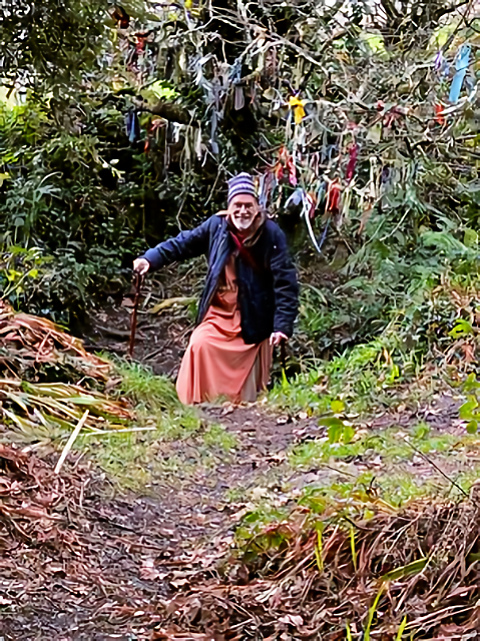
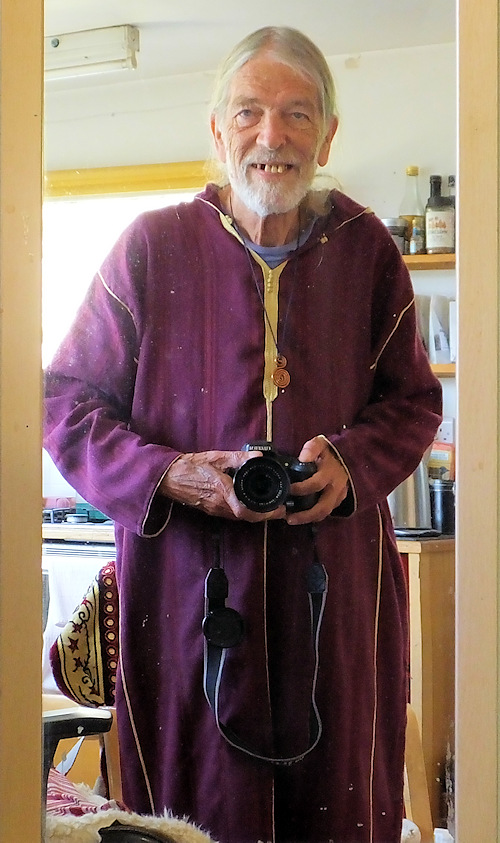
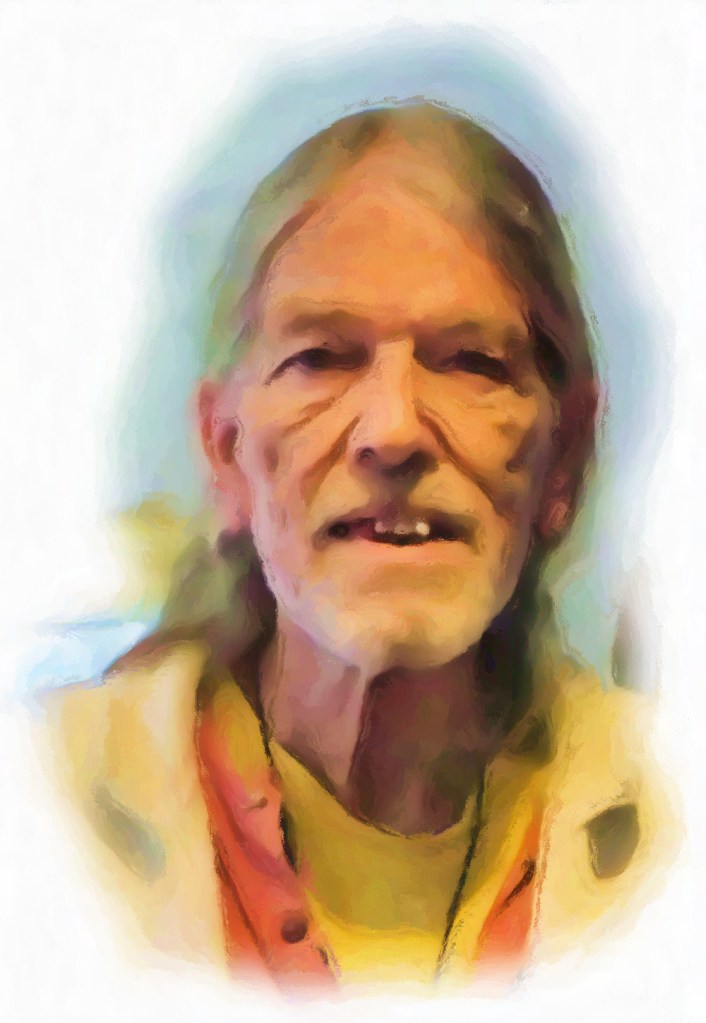
Pictures by Claudia Caolin and Faith Warn, modified using Painter Essentials 8 and a little human intelligence.

Populus Empatheticus

I was listening to a feature on the BBC World Service about the Afghan women’s football team, who have recently been reunited in New Zealand. My eyes flooded with tears. Now, I have no particular reason to feel this way about refugee Afghan sportswomen, but the tears came up anyway, from somewhere deep down. Not for the first time: this is happening quite often, prompted by the smallest of triggers.

Yesterday it was a little bat: it comes out at dusk, swooping around in our farmyard, catching insects attracted by the lights in my cabin. Up came the tears, set off by an upwelling feeling for the lonely struggle of the bat to find food, thanks to a serious decline in insect populations in Britain. Yes, that bat and its fellows could be doomed by the unthought-through ecological malpractices of the British people, blithely getting on with our lives, worrying about the prices of school uniforms, avocados and tankfuls of petrol.

Another was a story about computer programmers in Gaza, trying to find work internationally, on laptops retrieved and refurbished from the rubble – they just want to feed their families. Another was a story about seamen stuck on boats in the Persian Gulf – they just want to go home. Their kids haven’t seen them for ages. They’re victims of a geriatrically whimsical president in a faraway country who labours under the belief that his priorities are bigger and more important than everyone else’s.

These aren’t just narrowband tears restricted to feelings of pain and sadness. Sometimes I emerge from these soggy interludes with a smile and a feeling of relief – not because relief is imminent for these poor souls, but because of the tender humanity and emotional solidarity that lies within these feelings. This human vulnerability, so easy to bomb, mow down and bulldoze, is where the future of humanity lies.

Our desensitised world is so caught up in its dramas that we forget what we’re here for. Though we have a wide spectrum of feelings about the state of the world, collectively we have lost our emotional anchorage, our moral compass. We’re burdened with enough of our own problems, and distant people are another matter. It’s a sad dilemma, this.

Occasionally bursts of empathy come along when we see lines of refugees in a futile trek over the mountains, heading for refugee camps far from home, or a baby lying dead on a beach on the edge of the rich world. That child had lost its chance for a better life – a life of cars, refrigerators and the juggling of timetables and monthly bills.

But mostly, while we get empathic twinges as the media trot out yet another disaster in someone else’s backyard, we don’t have time. We have to get on with stuff. This is the way in which, on this planetary world, we’re unwittingly destroying ourselves, as well as all the other critters and species who nowadays find themselves dependent on our decisions and behaviour. I’d love things to be otherwise but, well, sorry, I’m too busy right now.

Nevertheless, we are all empaths underneath, true humans at heart, and herein lies a big solution. Not in arguments about net zero or GDP, but in a feeling of human togetherness and shared vulnerability. We’re all in this together, sharing as we do a rather small world. Yes, even billionaires are lonely and afraid.

Our current global trajectory pushes us in a direction where, to our horror and surprise, we might rediscover a big truth – that it is in our own best interests to prioritise everyone’s interest. To make sacrifices in our own lives, just as the world’s victims and underdogs today are doing for us.

It’s in our best interest to let those tears come up. To feel the pain of the world. And its tender joy, sprouting like springtime flowers in the nightmarish wastelands of today. To forgive ourselves for screwing up. To see things with another optic. To set the past behind us, entering the future facing forwards.

Whatever unfolds in the coming decades, our descendants shall one day live in a new world, whatever form that takes – we are creating it now. We’re getting closer to a showdown, a catharsis of global choice, and we’re all here for that. If you wish to escape it, that’s fine, but you’ll be missing something – missing the redemption of a planetary world. It’s the biggest game in town. And it’s happening in our own hearts.

That’s what came up for me this morning.

With love, Palden.

Siddhis

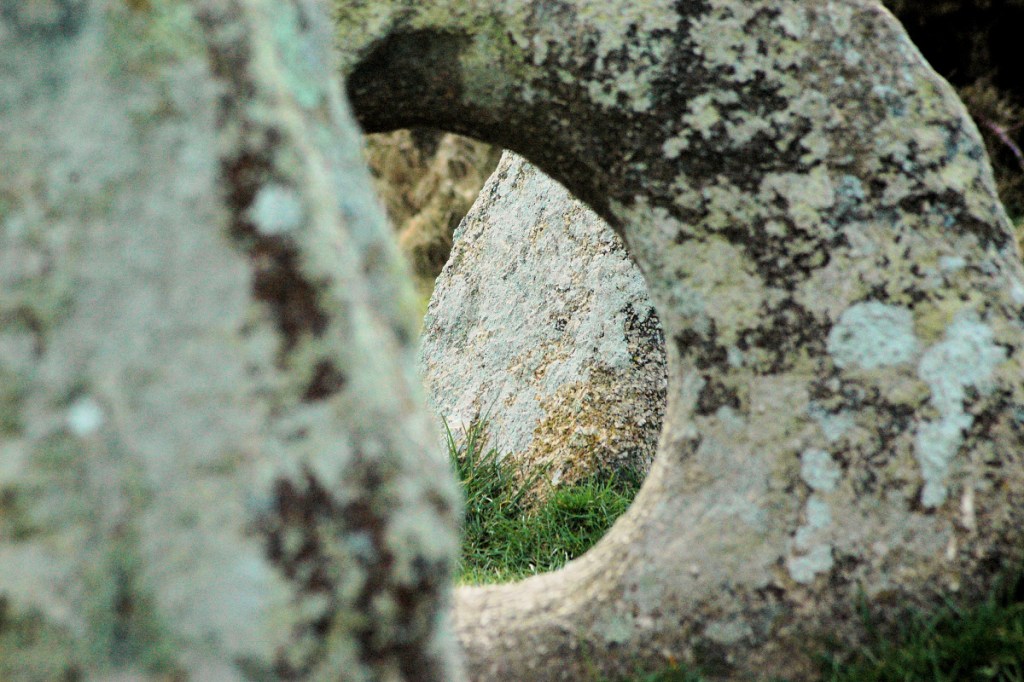
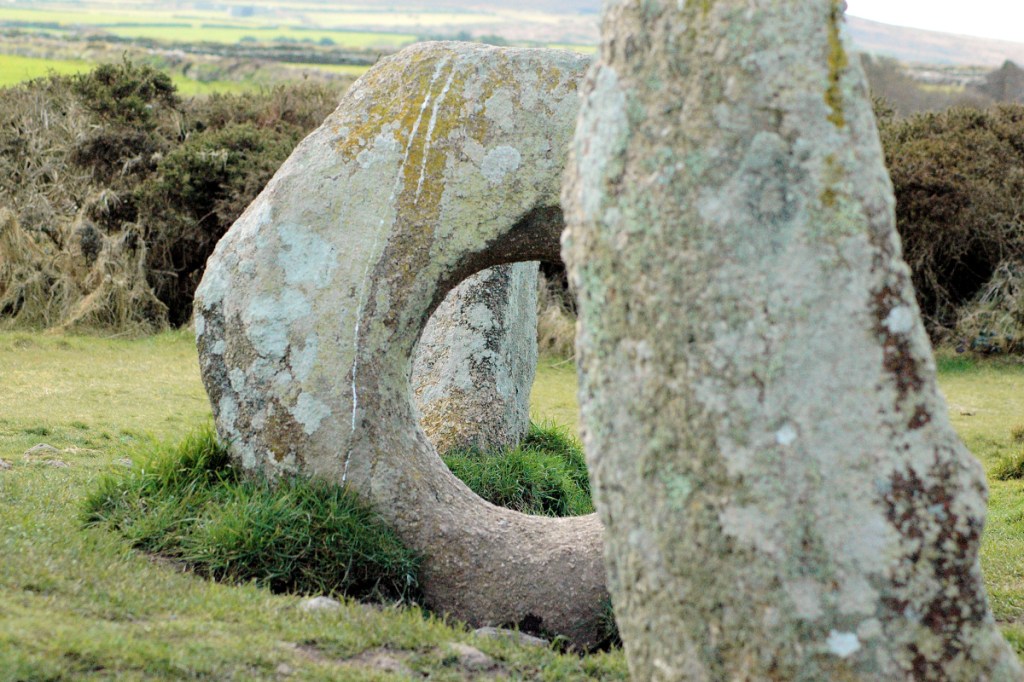
The Men an Tol (Stone of the Hole), Penwith, Cornwall

Siddhis is a Sanskrit word. It concerns magical, healing and psychic abilities. Oriental faiths look on these as a by-product of spiritual growth – not something to seek in themselves. They are natural abilities, and everyone has siddhis available to them – rather like musical and artistic abilities, which we might or might not take up.

We all have instinct and intuition. Some people are wired up to specialise and excel in them.

A lot hangs around whether and to what extent we open up to the siddhis available to us – this varies from person to person. This isn’t about seeking them out – it’s about letting them develop, if and when they do develop. Allowing them to surface as we grow psycho-spiritually. Taking the growth choice instead of the fear choice.

It’s all about taking note of what’s going on in our psyches, and trusting in our ability to perceive these inner movements instinctively or intuitively – going by our feelings. It’s about loosening up the control and censorship of our rational mind and being willing to go outside the realm of our normal thoughts and beliefs.

But remember… siddhis are a by-product of our inner growth. The siddhis within yourself will develop as you grow, and they are here as perceptual and healing tools.

One thing I have always done has been to act on my intuitions almost immediately. Sometimes I get up in the morning with an idea powered up with an urge, and I set about it there and then. The advantage of following these inspirations is that they tend to work well – somehow they are in tune with the universe.

In a sense it’s a matter of acting on behalf of the wider, deeper universe. The main problem with this is that I often forget my breakfast. Which is one reason I’ve always been physically rather slim. Intuitions have a way of working in paradoxically multiplex ways.

Love, Palden

www.palden.co.uk

Agonos

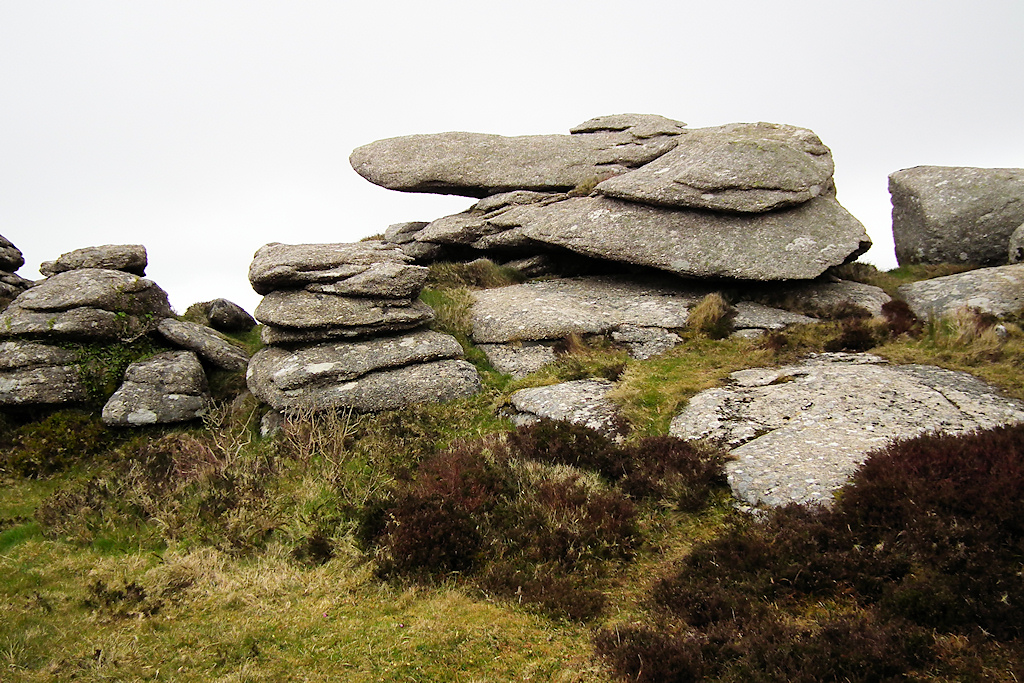
A natural or a placed rock? This one is probably natural. Zennor Hill, West Penwith.

I’m only as good as I am in my worst moments. This is what I have learned, or perhaps re-learned, recently. I’ve been going through a lot of physical pain, and pain has a way of reducing and diminishing me, bringing me down into a state of unclarity bordering on despair, so that my best efforts at staying conscious get to be a struggle.

This is affecting my writing. Already, peripheral neuropathy in my fingers has made typing difficult, and my fingers miss the buttons, and there is so much correction and re-editing to do that I lose track of what I’m trying to write.

Unfortunately, using speech-recognition software isn’t as simple as many people believe when they recommend it, and it doesn’t work well with me. That said, about one third of this blog was first-drafted this way, then re-edited.

It’s the pain that is really doing it. Pain demands complete attention – it is merciless, scooping up consciousness and attention and blurring my inner focus. It’s my left foot only, but the pain level is so high that it can keep me awake all night or, in the day, at times bring up tears of helplessness. I’ve also been weakened by tiredness – finding myself wondering whether it is day or night, what time it is, and what’s happening.

So I will not be writing as much as I have done in the past. Which I regret, because writing has been a major part of my life – I’ve spent mega-thousands of hours doing it. But that’s the way things are now and I must accept it. The pain I am currently dealing with soaks up so much of my attention and energy, and that’s that.

This brings up something of a fear. It is the fear that, if I say nothing and go quiet, I’ll be forgotten. It’s probably an early-life psychological issue or a past-life memory, or both. I can be forgotten for perfectly good reasons – people are busy, and so many things shout for our attention, and people assume that, if I’m quiet, I must be okay, or that perhaps they should not disturb me. Or relationships become digitalised and weakened, with a constant stream of how-are-yous with little or no face-to-face contact. But I do have people close to me who keep their eyes on me and I much appreciate their involvement in my life.

This is about neurological pain. It’s to do with the interaction of our neurological system (the information system), which is plugged into our body, and our conscious mind, which isn’t directly so. It has a lot to do with what we give attention to. However, it is easy to say this, but when in deep pain it’s difficult to summon enough focused attention to change the pain from the inside.

Pain has a way of forcing us to pay attention to it whether or not we wish to. It sucks up all clarity, positivity and perspective. It’s important not to panic and to avoid getting too caught up in it, though this in itself can be difficult when the pain gets mixed up with nightmares and dream-stuff in the quiet loneliness of the deep night.

Holding my focus has become more of an issue. I wrote a blog last week and ground to a halt with it. This is what I wrote…

Weird pillow granite on Carn Galva

I don’t know whether Agonos is a proper Greek word but, in the middle of the night a few nights ago, it gyrated around in my mind, aptly describing the state I was in. Things have been tough, and daily life is hard work. I’m doing quite well regarding the blood cancer, Multiple Myeloma, that I’ve had for seven years now – it is held at bay with cancer drugs. It’s the side-issues that cause the agony – especially peripheral neuropathy – and I have also acquired a secondary skin cancer, a carcinoma. Doctors’ visits, tests, pills and interventions are increasing.

I feel like I’m in my Nineties, shuffling around like an old crock. Things have been changing in recent months, and life and my medical condition have been getting more complex, as have relationships with the various different doctors I’m under. It’s a long uphill grind. The pain in my feet dredges and wrings me out. I have some fundamental life-questions to sort out too, the main one being this: is all this toil and trouble actually worth it?

Peripheral neuropathy is a side-effect of cancer drugs I’ve taken since 2019, which have killed off the nerve endings in my feet and fingertips. Initially it leads to an ungrounded loss of feeling – I learned to live with that though, since the cancer drugs have kept me alive and I’m glad about that. But recently it has developed into two kinds of acute pain: one is a feeling of burning in the feet and the other is a bony pain, like the excruciating pain you get when you stub your toe. Except it doesn’t go away.

These happen when I am sleeping, relaxing and not moving. With a vengeance. When I move around the pain usually subsides. But I cannot move around at all times of the day and night – I need to rest and sleep too! The sensors and signals in my neurological system have gone haywire, sending the wrong signals to the brain, which registers pain and exaggerates it, sending the wrong signals back. This is rather ironic, for one who has spent so long on computers! It becomes a psychological loop that is difficult to break out of, even with painkillers.

I was given a drug (Amitriptylene) to deal with the peripheral neuropathy, and it helped partially, but it had a big psychological effect. It drained my willpower, making small tasks seem big, and making me ask depressive questions like ‘What’s the point?’ and give up. In the blurb for the drug they do say ‘risk of sui*cidal thoughts’. I’m not desperate, lost or unstable enough to be thinking of that, but I can see how such thoughts can develop with that drug. So I’ve been switched to another drug (Nortriptylene) and I cannot yet tell whether it is helping or when it will start working (it takes 4-6 weeks, apparently). The question drags on.

I’m unhappy about the number of drugs I’m prescribed and the number of doctors who are tinkering with me – none of them know me and they tend to look at the computer more than at me. Tests and scans are amazing, but sometimes a look in my eyes or a feel of my feet would do better – cheaper and faster too. The doctors and nurses are all good people, doing their best, but they work in a medical system that is not really designed for humans – for the whole human.

There’s a good chance this is a human-placed or adjusted rock. Simply to enhance nature.

So that was what I wrote and didn’t finish. It’s the same with this one, where I need to report to friends and relations what is happening, so that you know, and I’m not sure how to finish it.

I’m making some sort of progress though, giving the pain less attention, taking more of an uncomplaining and accepting attitude – when I can – and receiving some insights into my father, mother and ancestors, and into the way of things.

My left foot hurts a lot right now. I wish this would end. I guess there must be a good reason why it doesn’t. I haven’t found it though.

Eitherwhichway, I wanted to give you a read-out on where things stand for me. I’ll probably be saying less and recycling more in the way of old material from now on (but it’s good stuff). But I have a new digital helper here in Cornwall, Lucy, who, all things being well, will handle my online affairs when I lose the ability to do so – we’re running in and working through details and questions, as time goes on.

Thanks to all of you who have been following my blogs, pods and other outpourings. After getting cancer it gave my life new meaning, and the creativity of it has itself had deep healing effects. Were that not so, I think I might well have died in winter 2022. I am so glad that good souls out there like you have been enjoying and benefiting from them, and so grateful to have touched the lives of so many people – as you have touched mine.

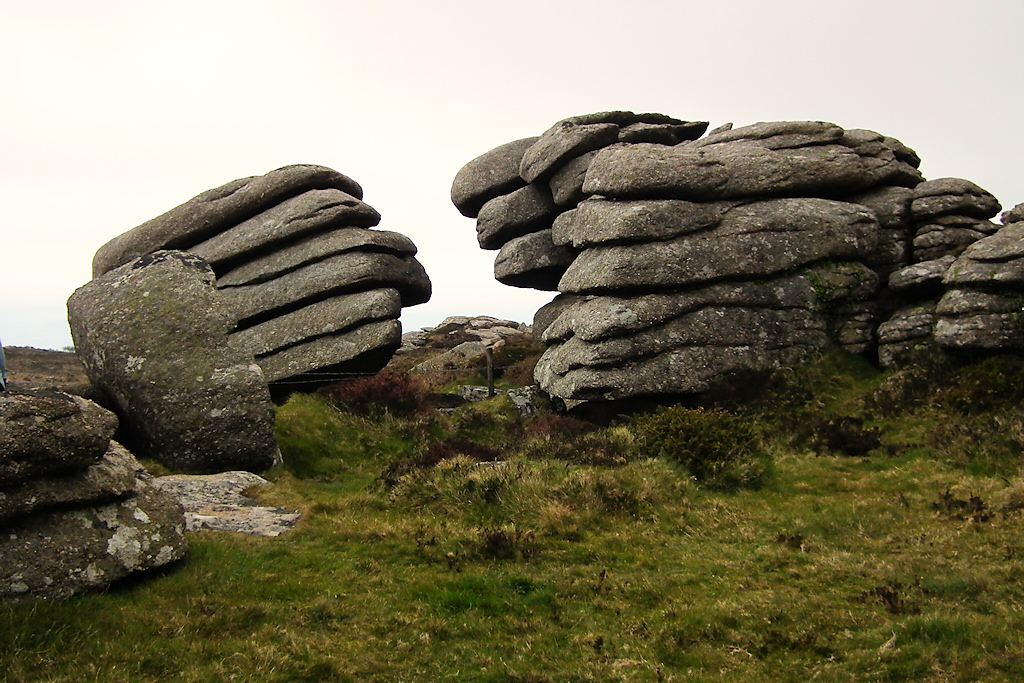
These are at Sperris Quoit, forming part of a kind of rock temple close to the quoit. I think these are placed rocks.

In life’s final chapter, as daily life gets more difficult, the multi-level, even multidimensional costs and benefits of staying alive can shift, and the costs can get to outweigh the benefits. Just getting up out of a chair or clipping toenails can be quite an operation! Sometimes cooking food wears me out so much that I can’t eat it (but often I cook for 2-3 days each time, so it’s not disastrous).

I’m active and functional for about six hours each day, usually doing catch-up things – phone calls, messaging, clearing up and self-care – and then I wear myself out even more! “Palden, why won’t you reply to me? Have I done something wrong?”. No. I can’t keep up, that’s all, and I lose track, and I can’t spend all day at my computer.

That’s the way things are. I’ve written here about problems and hard stuff, yet I’m still grateful for the experience. That might sound a bit schizoid but, for better or worse, throughout my life I’ve always tried to make the best out of apparently bad situations, and it doesn’t stop now – and they aren’t necessarily bad either, if handled well and turned around. I’m minded to dredge up a quote I quoted several times a few years ago in my blogs:

It’s okay in the end. If it’s not okay, it’s not the end.

I was given that jewel of wisdom by a Berliner, while standing amidst the geological drama of the Sinai Desert in Egypt in 2012. We were like ships passing in the night, briefly meeting as soul-friends in the middle of the void. I wish I could remember his name.

Love, Palden

https://www.palden.co.uk

——————-

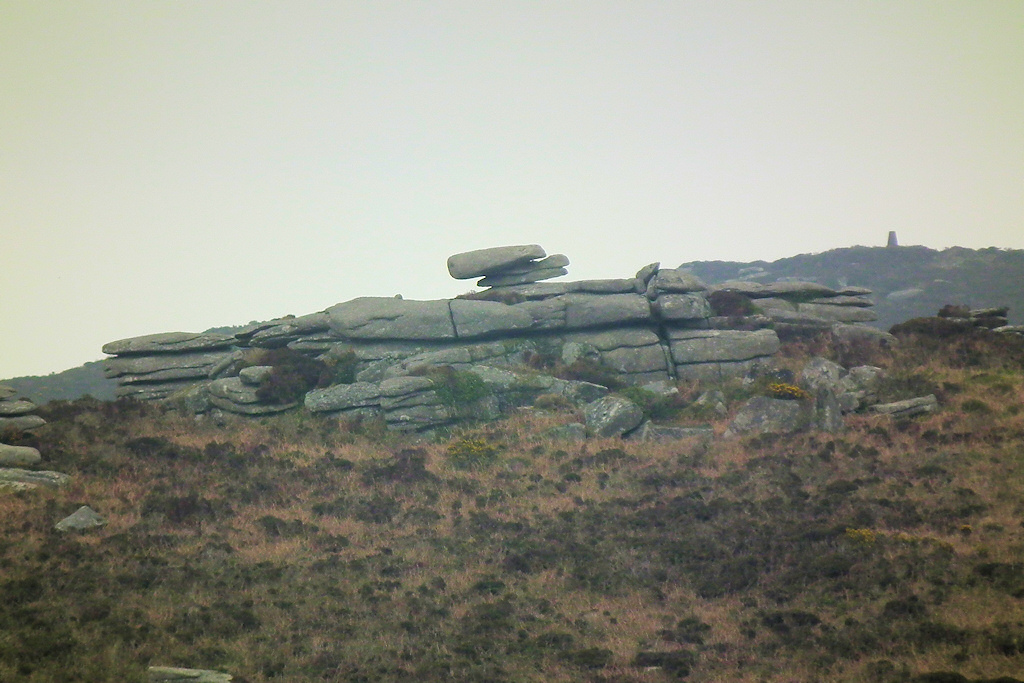
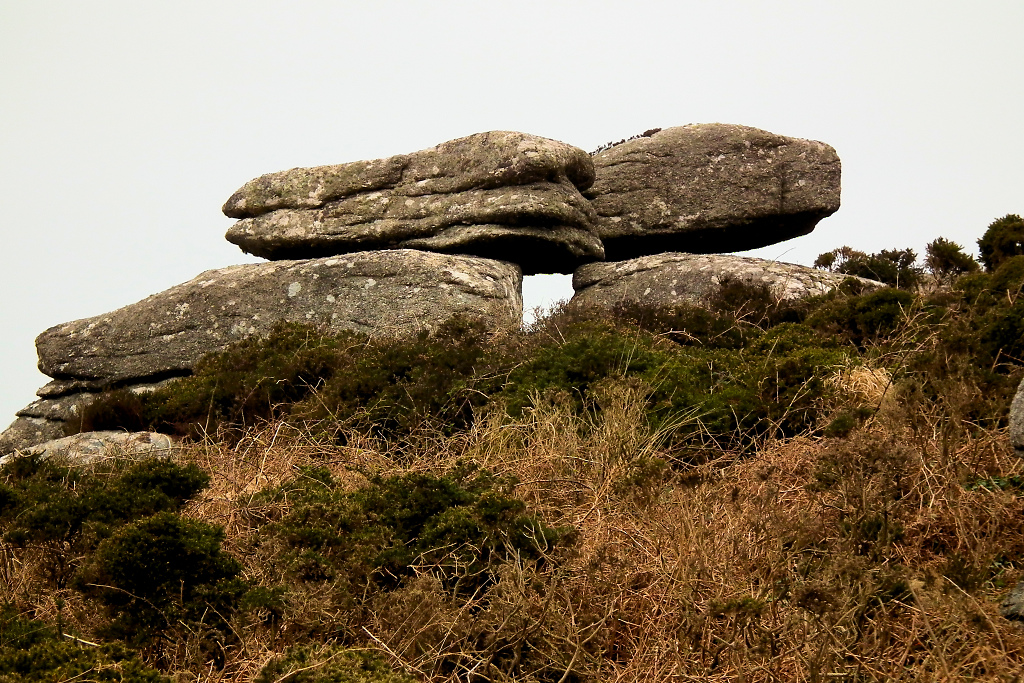
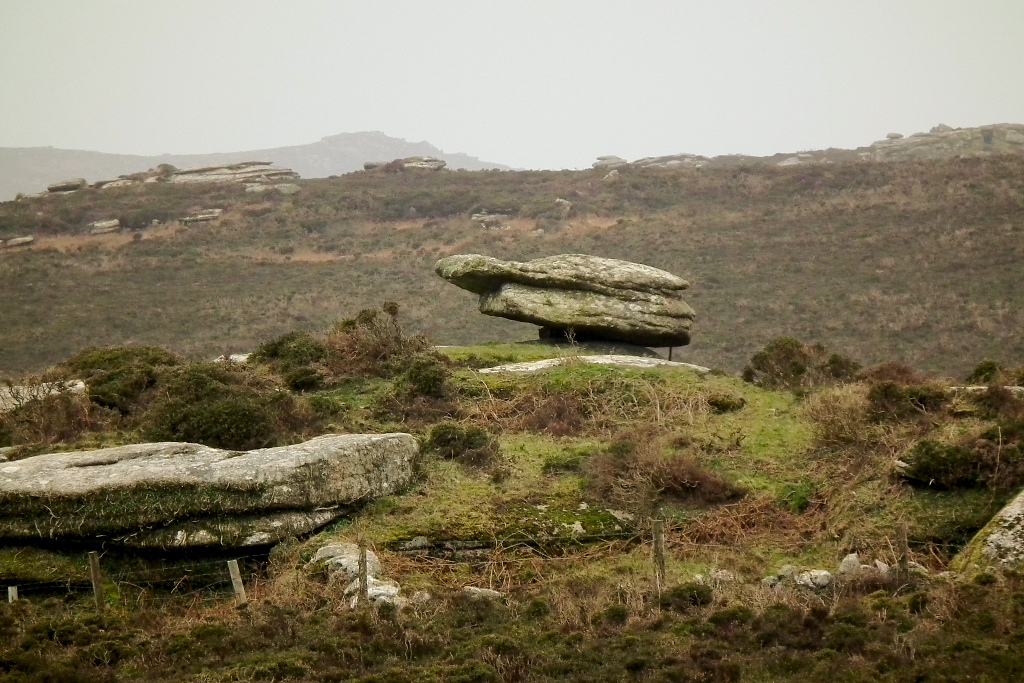
The pics are from Zennor Hill and Sperris Croft in West Penwith, Cornwall. Some of these rocks are natural (it’s weird granitic geology round there) and some are placed or moved – back in the Neolithic, around 5,700 years ago. The question is, which are which? With some it is clear and with others it is a matter of debate.

Most people think this is natural, but I think there’s a good chance this was placed, or adjusted.

World Work

A podcast about inner meditative work to help the world.

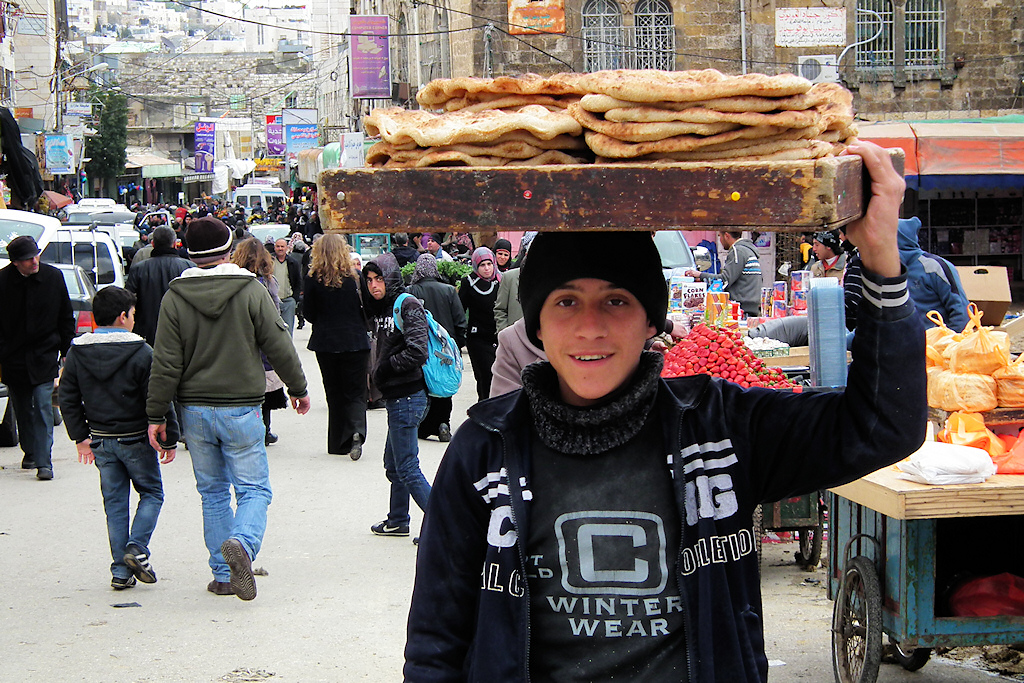
A marketplace in Hebron, Palestine, in 2012

This is a recording of a talk I gave in 2022 in Avebury, about the ins and outs of inner-working with crises, wars and acute situations around the world. Places such as Iran may seem a long way away, but it is on the same planet as we, and crises happening elsewhere are very much a part of our own lives.

On the inner planes there is no distance at all – only the psycho-social distance, the uncloseness that we create ourselves. Those people over there are just like us.

So this is about world work. There is lightworking – working with light beings to bathe our planet in healing vibes – and there is world work, which is about getting inside critical situations to work more surgically, bringing whatever is needed to a situation to help it resolve itself constructively.

I’ve done quite a lot of this over the years, in groups large and small, and on my own. In this talk I share experiences of what can happen when we apply ourselves to this kind of thing.

If you are vexed by events unfolding around the world, this is one way to be involved. Ever thought of flying alongside a missile and tipping it so that it lands in a harmless place? Ever thought of ministering empathically to the needs of souls devastated by floods or bombing? Or standing alongside a mother who has just watched her family die?

Ever thought of sitting alongside a fighter to try to understand what drives him and how he feels about life? And then to witness a woman fighter (Kurdish or Burmese, perhaps) and what drives her?

In retrospect this is one of the most meaningful activities of all that I’ve done in my life. You can do it wherever you are. This is one of the key things I do during the Sunday meditations – working consistently and regularly with the issues of the time. I’ve learned so much from beavering away at this. Paradoxically, since becoming semi-disabled as a result of cancer, I’ve got better at it – as physical capacities have declined, inner capacities seem to have grown.

I’m reminded of George Harrison’s song, The Inner Light, adapted from the teachings of Lao Tzu. “Without going out of your door, you can know all things on Earth. Without looking out of your window, you can know the Ways of Heaven. The farther one travels, the less one knows, the less one really knows…“.

It’s here on my site:

https://www.palden.co.uk/podcasts.html

or on Spotify:

With love, Palden

Helpers

If you ever get a serious late life illness such as cancer (and there’s a good chance you will, even if you’ve looked after yourself, as I had), or simply if you’re growing older and more decrepit, you come to a stage where you need help. You just can’t do all the things you used to be able to do.

When I was younger I could open every jar, reach things down from high places, safely drive everyone home after a party when they were tired and stoned, and overcome many challenges that now are well beyond my scope. Nowadays I don’t have the strength to open stuck jars, some logs I can’t chop, and if I took the lead of my neighbour’s sweet dog it would pull me over. Sometimes I’m really useless. I can’t drive any more either – what, me, a traveller-soul with Gemini Moon and Sagittarius rising?

Yesterday was like that. I’m on a new drug which is supposed to help with peripheral neuropathy – it’s called Amitriptyline and I’m not getting on well with it. It’s draining my energy, my head is befogged, I’m losing my balance and I’m just sitting here in an armchair like a sackful of manglewurzels.

On days like that I really appreciate some help, often just with small things – things to make life a bit easier because, in my situation, life is twice as difficult as it once was, and more painful too. Just standing upright is strenuous, and going for a walk for half a mile takes a lot of focus and willpower.

People often ask, “Anything I can get you?” This doesn’t work – my brain blanks out. Writing a shopping list isn’t easy: that’s left-brained stuff that I’m no longer good at. So, often, I’ll say No, when actually I should say Yes, but I can’t in that moment think of anything I need. Five minutes later, my intuitive right-brain will start working, and I’ll remember. But it’s already too late. That’s tricky.

Managing this process can at first be quite confronting, because it requires opening up to the generosity of others. You can’t complain if they get the wrong thing or turn up late when you’re stuck in a rainstorm – after all, they’re doing this out of the goodness of their hearts. The secret is to hold your silence and appreciate the gifts you’ve been given, even if it’s raining – then you mention it diplomatically at a later moment. Don’t complain.

There are different kinds of help, and it’s necessary to clarify this. Some people try too hard to help and fuss too much, or they might not have the right skills, or they might not be emotionally sensitive, or they might be a dodgy driver – so it’s important to find the right kinds of people, and sometimes one must be frank with people about this.

You get quite close to your helpers. I have a new helper who has been with me for a few weeks, and it’s working well, but it is still taking her time to figure out where everything is in my little house, and how I like things to be. She’s attentive to that, and that’s good, and we have interesting discussions too, because part of the benefit she brings me is some company (since I spend most of my time alone).

But it’s not just that. I have a wider group of friends, FoP – Friends of Palden. They help me in all sorts of big and little ways. But most of them don’t see me very often. So the first thing they do, and sincerely, is to ask me “How are you?”. That’s not the right thing to do. I need you to look at me, watch and witness me and tell me what you observe. If you ask me “How are you?” at different times of day, I will give quite different answers too.

Besides, it’s not easy being asked how I am five or six times a day. I have to assess myself and give some sort of answer, and there are times when that works fine and other times when it’s actually rather difficult. Instead, you could tell me how you are. So, sometimes, when someone asks me “How are you?”, I just say, “I’m like this!”, opening out my arms. I invite you to make your own assessment, because your observations of me are more useful than my own observations of me.

Special qualities… well, one key quality is reliability. You see, if someone rings me up just before they’re due to come, saying “Oh, sorry, I’m too busy, can we make it next Tuesday instead?”, that can be tricky too. Well, yes, we can, and that’s kinda okay, but actually it makes quite a big difference, even if I can’t at this very moment say why, or give a list of things that needed doing. So it is good to have people coming along reasonably regularly. Not least because the number of e-mails and messages that can otherwise be generated can be staggering, when things lapse into ball-juggling flexi-territory.

Also, there’s the matter of the computer and phone. If I don’t respond, what does this mean? Am I in bed, gone out, sitting on the toilet or dead? Should someone check me out? Or perhaps they decide not to bother me. A helper who knows me well, with a little intuition on top, can usually figure this out. But if I am dead, then it helps to discover this before I start smelling too much.

Regularity also helps because of memory issues. It can be quite challenging and complicated managing a group of four, five or six people who are all in changeable states. So recently I’ve managed to sort things out rather differently. I’ve now got two ‘reliable regulars’ and then a number of occasionals and reservists, and that works well.

The two regulars cover me three days a week – they come for an hour or two on Tuesdays, Thursdays and Saturdays – and then the occasionals come when they can, or drive me to Treliske hospital (thirtyish miles), or take me out somewhere… or things like that, on a more flexible basis.

The funny thing is that one of my reliable regulars is called Claire, and the other is called Clare – just to confuse things! Perhaps my Anima is telling me something, though I’m not sure what.

But actually, for it to really work, it’s necessary for a person to get to know me more closely than they normally would. This includes seeing me in my weak states, at times when I’m quite helpless, and I might need tenderness of a kind that wouldn’t usually happen with friends who come to socialise. Other times, I’m quite bright, cheerful and able, and there isn’t much for my helper to do, so we sit, drink tea and chat, and that’s really good too.

There’s something nice about this because I’m no longer seeking one-to-one relationship (been there, done that), which in this era of toxic maleness, makes me a reasonably safe bet. I’m not going to try it on. There’s also a difference between depending on help and emotional dependency – something that can get confused and tangly in close relationships.

Claire, who has worked with me for eighteen months now, has really got me sussed. When we go shopping she knows what I’m looking for, so she wanders off, comes back and puts things in the basket, with a knowing smile, and that’s really useful. She points things out to me and helps with the most difficult part at the end when we’re checking out.

She packs the bags and keeps the cashier entertained while I fumble around with cards, lists and last-minute memory-eruptions. I find that last bit really exhausting. Then she drives me home, puts stuff in the fridge, unpacks the bags, makes some tea and leaves me to rest and defragment. I’m happy with that. But that arises from the fact that she’s got to know me. She can read me off.

This matters a lot because my brains have been affected by chemotherapy – they call it chemo-brain. My executive functions – the left-brain stuff – are a lot weaker now. So although I’m quite brainy, I have difficulty figuring out certain things. It helps to have someone around who’s like a second brain, who will remind me to take my pills, or to be ready to go, or to remember to take something with me, or perhaps to tell me that my complexion is not very good today, or making useful observations and suggestions.

So if you’re in a situation rather like mine, as a net recipient of help, it’s worth giving some thought to the different kinds of help you might need, and the different kinds of people who will be good at giving it – and enjoying doing so. One male friend of mine, Kai, loves going shopping for me and he’s really good at it, and I can say to him, “Oh, just use your commonsense…” when he asks whether I’d prefer this or that, because I know he’ll get the right thing and, if he doesn’t, that’ll be interesting and useful too. On the other hand, he’s not so good at making tea, so I don’t expect it of him – I enjoy making tea for him instead. After all, this is about energy-exchange. I only get to see him occasionally (he’s a Gemini, travelling a lot), but this works well because both of us have identified how we slot into each other, given the circumstances we each have.

There’s a big sociological problem going on here. It’s this. Everyone is busy rushing around, racing timetables and to-do lists. They are time-poor. It’s a deep cultural and psychological thing in our society. This time-poverty sometimes makes things difficult. Occasionally I need a person to slow down to my speed, and at times it’s really good for them to do that, and they are grateful for it – it’s something I can give.

But people who are just fitting me into their busy timetable… well, that can be difficult. I remember, I did this once to a soul-sister with breast cancer – I’m sorry, Lily, but I was up to my neck in stuff and felt unable to stretch into your space. I realised this only when I got cancer and experienced others doing it to me. Us men, it can take us a while to realise these things, but we do get there in the end. Well, a lot of us do: toxic males make a lot of noise, but new men are more numerous than we appear to be.

This is to do with the way our society is today. We have become alienated and atomised as a society, and many of our family and community energy-saving mechanisms have deteriorated or disappeared. My own family is a case in point. I have four grown up children and seven grandchildren, and they’re all lovely people, and they do care, and they’ve got busy lives to pursue, and we live quite a long distance from each other and in two different countries. In truth, that’s mainly my fault, not theirs, since it was I who chose to live at the far end of Cornwall, a long way from everyone else!

Living and working in Palestine taught me a lot. I’d been brought up in a NW European Protestant environment, where you’re supposed to pay for all that you receive and deserve all that you get. If you go to any Muslim country (including Iran), you quickly find out that it is offensive to try to pay for other people’s generosity or to return the favour. You are depriving them of the right to give. To them, everything comes from God and returns to God, so they’re just channelling the infinite beneficence of Allah. Hindus do this too. So you have to develop other ways of circulating the energy, and this has nothing to do with returning the favour or paying your way.

These are guilt-driven, obsolete Christian beliefs – all about indebtedness and original sin. The result is that we live in a mean-hearted, capitalist society made up of a few winners and lots of losers, which doesn’t really care for the weak and needy, because everyone is busy pursuing our own paths through life and, in the end, we don’t have enough time for each other!

Arabs taught me how to receive. This opens up channels of sharing and mutuality. It creates an inherently supportive society, a generosity economy where there is little need for professional carers or babysitters because the extended family or the community can handle it. I learned something about the Christian virtue of giving without counting the cost – a practice that works well in a society where everyone does it. But it’s more difficult in a society where only some do.

I might need help, but even in my needy condition, it’s also a matter of what I can offer. Support is a two-way thing. I can’t do a lot now, but the funny thing is that some of my helpers simply enjoy coming to sit in my nice, warm, radiation-free cabin, drinking tea, chatting and doing nothing much at all. They can slow down for a while before they have to return to the madding crowd or to shepherd their elusive teenagers around.

On a good day they might also have a lightbulb moment, arising from a conversation that we have over tea and biscuits. Yes, one thing that useless old codgers like me can still deliver is the occasional gem of insight and perspective, helping people remember that this is not the end of the world and that everything turns full circle in the course of time. It’s all alright, really, even when you don’t quite know why or how.

There’s some sort of energy-circulation going on with FoP and with friends and acquaintances further afield. I have soul-sister, Jo, in Oz, and we haven’t seen each other for thirty years, yet we’re still close. In some respects I feel a bit like a cosmic-energy server, operating in a psychic network of souls near and far that functions of its own accord, on a mysterious level where we get only faint intimations of what’s really going on between us.

Perhaps that’s why I spend a lot of time alone nowadays, to give space to tune in to all those people, dead or alive, who resonate on a similar soul-network to the one I’m on. Twenty years ago I lived at the bottom of Glastonbury Tor – a distinctly noisier kind of energy-place in comparison with West Penwith, where I live now, sitting on a granitic pile of crystals in the wild Atlantic.

I’ve said enough. I might return to this theme another time. There’s more to say, but I can’t think what it might be. Except for this…

At age fifty I realised that I had no capital or savings. So I chose to trust in building up my social and spiritual capital, and to work at it. I decided to make it as easy, pleasant and rewarding as I could for people to help me, when the time came that I would need help, and to stay useful right to the very end. Us Virgos, we need to feel useful. I’ve screwed up a good few times with this but, since cancer came to me in 2019, I’ve been much blessed with fine helpers and minders, and I’m really grateful for that. Including Lynne. I mean, really, really grateful, and thank you all for that. And the funny thing is that it all ends with a funeral!

Love, Palden

Sunday Vegetation

The good news is that most of the world is not at war – despite exaggerated claims by some talking heads that this is WW3. Catastrophising things doesn’t help, since it gives power to fear.

When meditating in times of war and polarisation, it is important not to take sides. If you find yourself on one side, one thing to do in meditation is empathically to explore what it is like being on the other side – whether as an ordinary person or as a combatant. Experience it, within you. Know that, despite media-driven appearances, people on the other side will not themselves be of one mind and in agreement – they will have a variety of reactions to their situation.

It’s also important not to judge things or take firm positions – such as wanting peace or cease-fires after a conflict has started. It is already too late, and often such a wish is premature, not doable.

There’s an honest question to ask yourself too. Is your wish for peace genuine and deep, or does it reflect a wish to stay inside a comfort zone of indifference?

I’d suggest two approaches that can help give focus to neutrality and peacebuilding. The first is humanitarian – working to understand and ease the suffering of people and environments on both sides, and to note your feelings when working with people on the other side, since this involves bridgebuilding, forgiveness and healing.

The second is to look for opportunities amidst disaster. Wars and the events that take place in them change many things, changing people’s lives and those of neighbourhoods and localities, in many cases permanently. Wars are crucibles of change, however cruel that may be, and such changes are not always negative. So meditate on those glimmers of light and possibility – on the longterm and the future. The past is being burned up, and not all of that destruction is regrettable.

So focus on possibilities, on lessons actually being learned – some of them really fundamental – and on planting seeds of healing and forwardness in the devastation of the moment. Infuse the collective psyche of humanity with these thoughts and visions.

While warfare as a whole is something that needs to end during the 21st Century – it is a tragic distraction from the main issues before us – it does shake things up and change things, and here lie opportunities. In our time, we need to make good use of the lessons that Life presents us with, because the main problem on Planet Earth is not change but ‘business as usual’. Normality is destroying our world, leading humanity down a path that will not solve the problems that it faces.

Bless the soldiers, fighters, terrorists and advocates of war and remember this: every act of violence arises from an unhealed wound. So we need to heal the wounds that lead humans to fight. These are personal, ancestral and collective.

Try to free up your thoughts and beliefs at times like this. Humanity needs to do this. We have a habit of entering the future facing backwards but, that way, we fall over more easily.

I hope this useful. I was part of a group, the Flying Squad, working with issues such as this, and we learned a lot about approaches to meditation. We disbanded the group in 2017 after twenty years of working together (it was shrinking numbers and ageing, mainly) but, as individuals, we all still do the weekly Sunday meditation. It’s a good thing to do. We left a website behind, for the record: https://www.flyingsquad.org.uk

If you need details about the Sunday meditation, go here:

https://www.palden.co.uk/meditations.html

Next week, in UK and Europe, the clocks change. So, from next weekend onwards, the meditation starts an hour later in UK and EU. In other words, the meditation stays at the same actual time when the clocks change. So, if it’s 7pm this weekend, next weekend it is 8pm. Times this weekend are below.

Love from a sunny Cornwall, Palden

———————

Current meditation times, on Sundays:
GMT: UK, Iceland, Ireland & Portugal: 7-7.30pm
W Europe: 8-8.30pm
E Europe, Turkiye, Israel, Palestine, Egypt: 9-9.30pm
Jordan, Syria, Iraq, Iran, UAE: 10-10.30pm
Pakistan: midnight-00.30 Monday
India: 00.30-01.00 Monday
Oz: AEST 5-5.30am Monday
NZ: 8-8.30am Monday
Greenland: 5-5.30pm
Brazil, Argentina, Chile: 4-4.30pm
EST, Venezuela, Bolivia: 3-3.30pm
CST, Colombia, Cuba, Jamaica: 2-2.30pm
MST, Mexico: 1-1.30pm
PST, West Coast North America 12noon-12.30pm

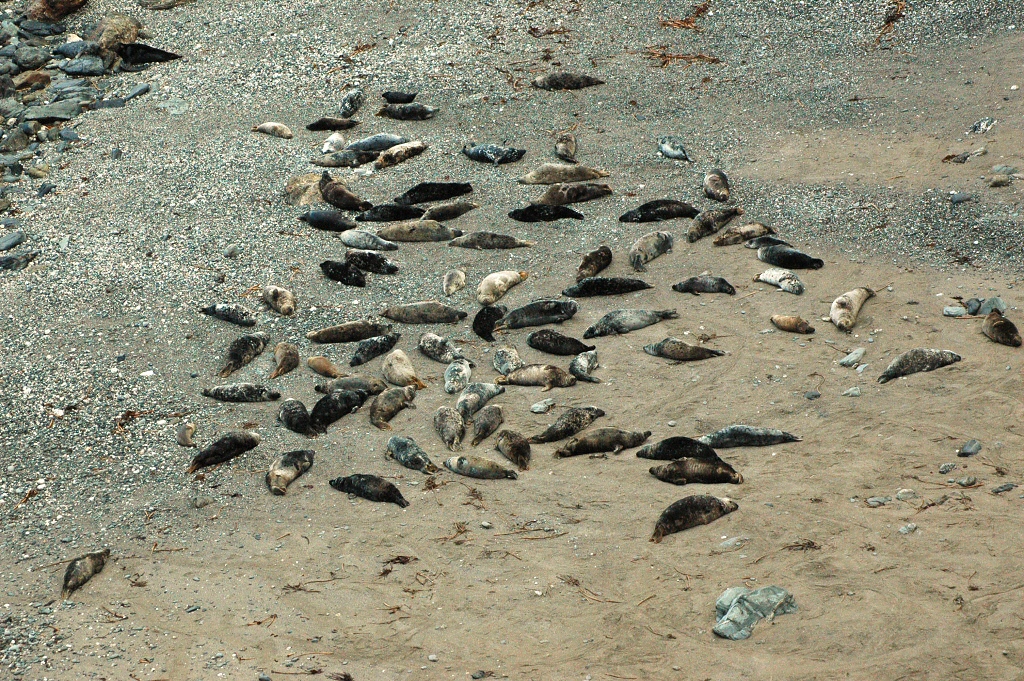
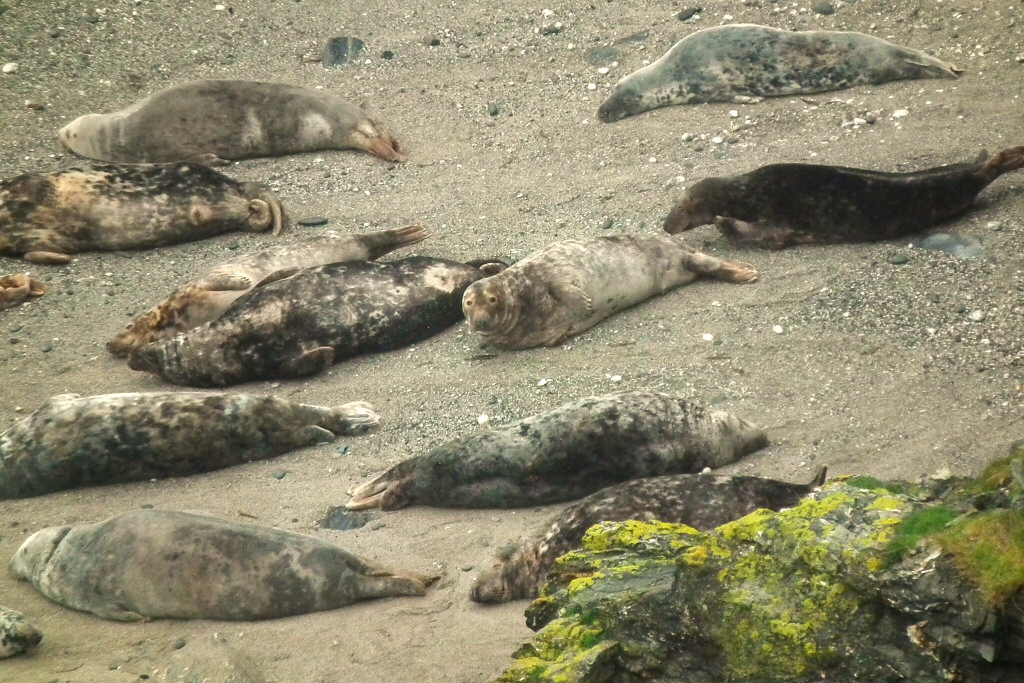
Seal meditation at Godrevy

Sundays

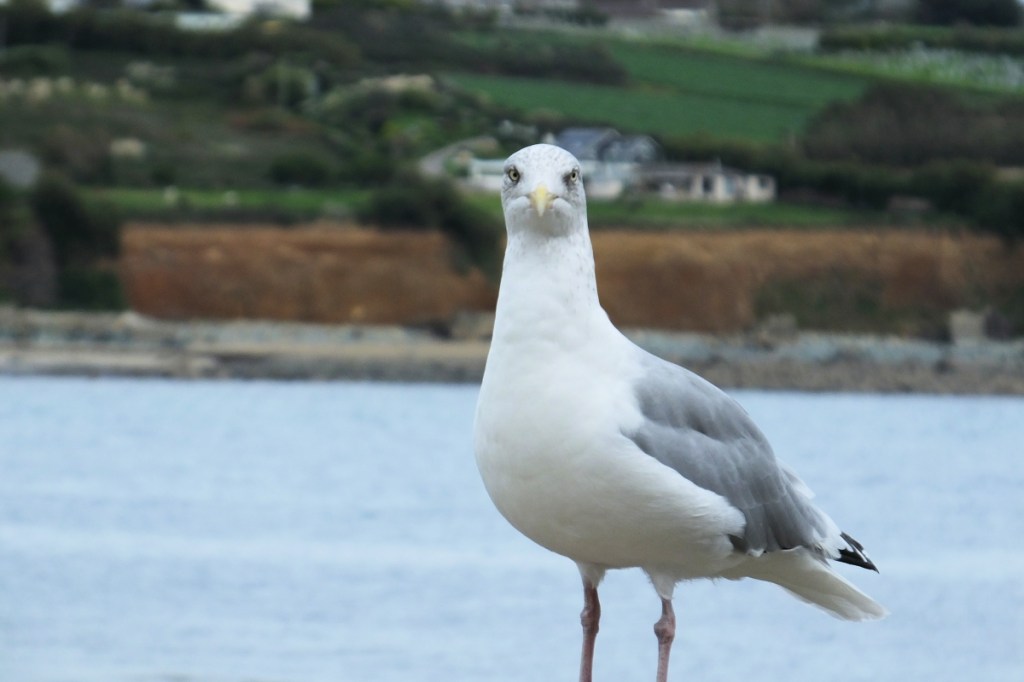
Gull at St Michael’s Mount

I rather love Sundays. It’s a bit strange, that, since I live and spend most of my time alone, so there’s not much difference between Sundays and other days. But there is a difference, on two counts. The first is that this is the day of the week that I take my cancer drugs – Ixazomib, Lanalidomide and Dexamethasone. I have a small breakfast, fast for two hours, take the drugs and then fast for another hour or so. Then I spend much of the rest of the day rather out of my head. But at least it’s legal.

The second is the Sunday meditation. By evening, the drug effects have worn off a bit, helped by a herb I take called Resveratrol (Japanese Knotweed, no less), which helps balance me out, and with absorption of the drugs.

I’ve been doing the meditation since the 1990s, almost without fail, around 1,500 times now. Yes, if committedly you do a meditation once a week, it adds up.

The numbers don’t matter but, during that time, some of those meditations will in some way be extra special, even life-shifting. Looking back over my life, though I’ve done a few things with it, my feeling is that these meditations have been one of the most significant things I have done, ever.

No one and nothing have been able to stop me, because it can be done at a bus stop, in the corner of a cafe or even when in distinctly unsupportive company. You just have to go quiet and lock on to the beam. I’ve even delivered a few public talks during the meditation, letting my friends upstairs drop ideas into me for conveying to the audience. I even did it once in Israeli detention at Checkpoint 500 outside Bethlehem, but it wasn’t serious and they let me out thanks to good behaviour. The tofu I was carrying, which I’d bought in Tel Aviv, looked to them like Semtex, but the officer in charge rather liked me, letting me go. I didn’t have the profile, vibe or age of a terrorist, he reckoned.

But, most weeks, it’s a day of return. Return to a certain perspective that comes with the meditation, even before it starts. It’s a bit like going home. Regardless of what has happened in the previous week, and regardless of my state of mind and heart, which at times are not at peace, I can lock back into the energy-space, the continuity, the flow of the meditation.

Yet it’s different every time too – it’s a parallel thread of sanity, of re-anchoring and of bathing in the blessing-field of the inner, deep-space overlighters who preside over the occasion. They do things to me, or sometimes they set tasks, or sometimes I’m just floating in their energy-world.

Sometimes I section up the meditation. It starts with a self-healing routine with my ‘inner doctors’, who scan me, flood me with light and sometimes perform operations. For this to work I have to clear my psyche, empty myself out, let them in and allow them to draw me up to their level.

Then we progress to ‘any other business’ – and this varies a lot from week to week. Often it involves seeing things going on at the time in a different light, or blessing and thanking those who have troubled me, or changing my position in an energy-constellation of relationships and situations, to unlock them, and to own up, at least to myself, about the ways I have contributed to creating or maintaining the situation. Even if it involves Donald Trump – poor man.

Then comes the work. If I don’t already know where to go, I ask my inner friends to send me to a world situation where I might be able to bring some release, healing and forwardness, or do some spiritual mop-up, or, a bit like a surveillance drone, connect them into the details of a situation so that they can do what they need to do with it. Recently this has concerned Iran, though I’ve done a lot with the two Palestines too.

Then it comes to an end and, amazingly, the blessing-field shuts off. This can be quite distinct, and always exactly at 7.30 GMT. If I’m sleepy I sometimes doze off at that time. Sometimes I go into a different kind of meditation, and sometimes I get up.

Then I spend the rest of the evening in a reflective state and, if I have thought ahead, by then a meal will have simmered its way to readiness in my slow-cooker. Or perhaps Claire or Selena, two members of Friends of Palden, bless them, have left some food in the fridge.

I’m so fortunate to have a small group of helpers who look after me, and I’m so grateful to them for that. It means so much to me, and I am so happy that they feel it is worth it. I’m also at present super-grateful to my former partner, who left four years ago, for the love and care she gave during my first two years of my cancer journey. I became too much for her. Sometimes we truly appreciate things and people when we no longer have them – and this emptiness can also be a gift if we make it so.

If you don’t know about the meditation, try here: www.palden.co.uk/meditations.html – and, if you wish, do join in. It’s your choice and your move. You might be meditating alone, physically, wherever you are, but you are in good company. Just do whatever meditation you normally do, except with us – this is about spiritual diversity.

Meditation times for different countries are below.

And now it is time for breakfast and pills! And for another day, feeding the birds, going for a staggery walk and delighting in the silence of my own company. Yesterday I felt unhappy being alone but today it is different: loneliness is a feeling while aloneness is a simple fact, and that feeling can be changed.

Because everything is a gift. As many of my Arabic friends would say, everything comes from and returns to Allah. We bathe in the wide-open field of the Vastness. And ever shall it thus be so.

Love from me. Palden.

———————

Current meditation times, on Sundays:
GMT: UK, Iceland, Ireland & Portugal: 7-7.30pm
W Europe: 8-8.30pm
E Europe, Turkiye, Israel, Palestine, Egypt: 9-9.30pm
Jordan, Syria, Iraq, Iran, UAE: 10-10.30pm
Pakistan: midnight-00.30 Monday
India: 00.30-01.00 Monday
Oz: AEST 5-5.30am Monday
NZ: 8-8.30am Monday
Greenland: 5-5.30pm
Brazil-Argentina 4-4.30pm
Venezuela, Bolivia, Chile 3-3.30pm
EST, Cuba 2-2.30pm
CST, Mexico, Jamaica, Colombia 1-1.30pm
PST, West Coast North America 11am-11.30am

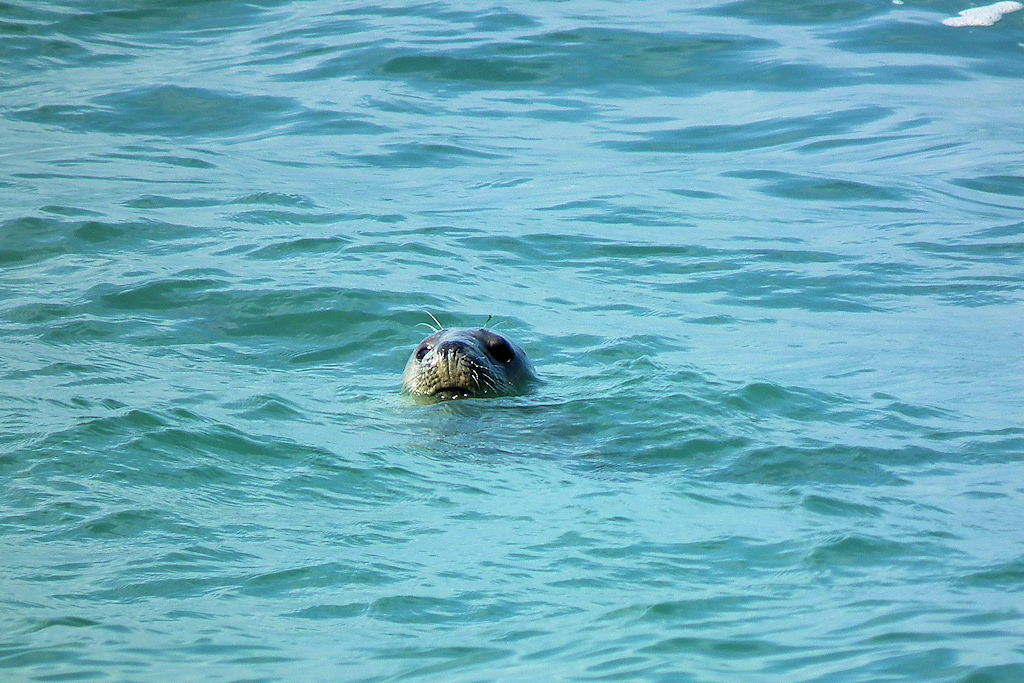
Seal at Portheras Cove

Sunday

Having done battle with the Furies of Storm/Hurricane Goretti, and by the grace of hard-working local tree surgeons and power engineers, I’m back online and able, yet again, to elbow you about the Sunday Meditation!

Usually I do it weekly on Facebook and occasionally here on my blog. From now on I shall do this more occasionally, since I’m slowly losing my capacity to sit easily at a keyboard and activate it in a manageable way.

That is, though I sound lucid and coherent, as a meticulous Virgo and retired editor I go over and over it at least five times, and that’s getting laborious. A life of service to keyboards is slowly grinding down as finger-coordination declines and brains slowly decouple from this World of Ten Thousand Things.

But meditation is another thing, and I’ll be there, regardless, at the appointed time, whatever the weather or circumstances, at least until my passing and possibly for a while afterwards. The times are below, and if you are so moved, you are welcome to find a place to park yourself and join a holy party! And if not this week, then another week.

It’s also a good, doable and undemanding life-habit to establish, since the blessing-channel will be open and operative at 7-7.30pm GMT whatever happens. Times in other timezones are below. For me, over the last thirty years, and having had a life with little regularity to it, it has been like a cosmic timecheck – one thing that has been constant and unchanging over time, whatever is going on and wherever I have been – even in car parks, trains, deserts and cow fields. Funny, that.

Full info is here: www.palden.co.uk/meditations.html

It’s easy. Meditate, contemplate, be mindful, go quiet, make prayer, go inner-journeying, drop out for half an hour, and do it in your customary way. There’s no prescribed method or mantra, no sign-up and no need to be online. Just be present. I sometimes call it ‘cosmic availability’. We’re just a bunch of bright souls sitting together in inner space, at an appointed time. It amplifies the outcomes.

It is overlighted by a collective of cosmic beings I’ve worked with for decades, the Council of Nine, and if you resonate with me, then you’ll probably resonate with them. But they don’t meddle with us. They put it this way: if you meddle too much with your children you’ll drive them against you, and that is what free will is all about. So they don’t meddle – they subscribe to the Prime Directive (and that Startrek concept came from them). But they do like to support us in exercising our free will – our true and deep free will. More about them here: www.palden.co.uk/nine.html

As for times of passing, it’s funny how things go. If you’re spiritually oriented then other forces tend to take over, and the timing of death is not just a medical matter involving normal probabilities. It’s now six and also four years since I should have died, medically speaking, but here I am, and though I experience deterioration and decline of capacities and fascinating changes of viewpoint, I have no idea at all whether I have weeks, months or years ahead. This weekend my ‘perceptual age’ is in my mid-90s, though on a good day it’s 80-85ish, and my physical age is 75.

Thanks to all of you who have flown alongside over recent times, and may it continue, and may it bring benefit to you and to our benightedly shining planet. This isn’t a resignation letter but it’s always good to say things that need saying while we still can – or perhaps, when in the mood! Perhaps the Furies shook me up.

Love from me, Palden.


Current meditation times, on Sundays:

GMT: UK, Iceland, Ireland & Portugal 7-7.30pm
W Europe 8-8.30pm
E Europe, Turkiye and the Levant 9-9.30pm
Iran: 10-10.30pm
Pakistan: midnight-00.30 Monday
India: 00.30-01.00 Monday
Oz: AEST 5-5.30am Monday
NZ: 8-8.30am Monday
Greenland: 5-5.30pm
Brazil-Argentina: 4-4.30pm
Venezuela, Bolivia, Chile: 3-3.30pm
EST, East Coast North America, Cuba: 2-2.30pm
CST, Mexico, Jamaica, Colombia: 1-1.30pm
PST, West Coast North America: 11am-11.30am