Seven years ago my life changed thanks to cancer. I was given a year or two to live and I’ve been hovering around the edge ever since. It yields insights. One insight is this: the more we work with change within ourselves, habituating ourselves to shedding skins and starting over, the more adept we become for the time when the big change really comes.
It might not look like it, but another world is birthing itself and it’s already in labour. The big squeeze is happening and, by being alive today, you’ve chosen to be part of it.
Everything that begins comes to an end. Yet we don’t die: we’re reborn into another world. This is what I’m facing at the end of my life, and eventually it comes to each and every one of us.
I’m a former astrologer, geomancer, original thinker, consciousness-worker, project-founder and humanitarian, a veteran of the 1960s and the late 20th Century alternative society. I have a few perspectives to share, and that’s what this talk was about.
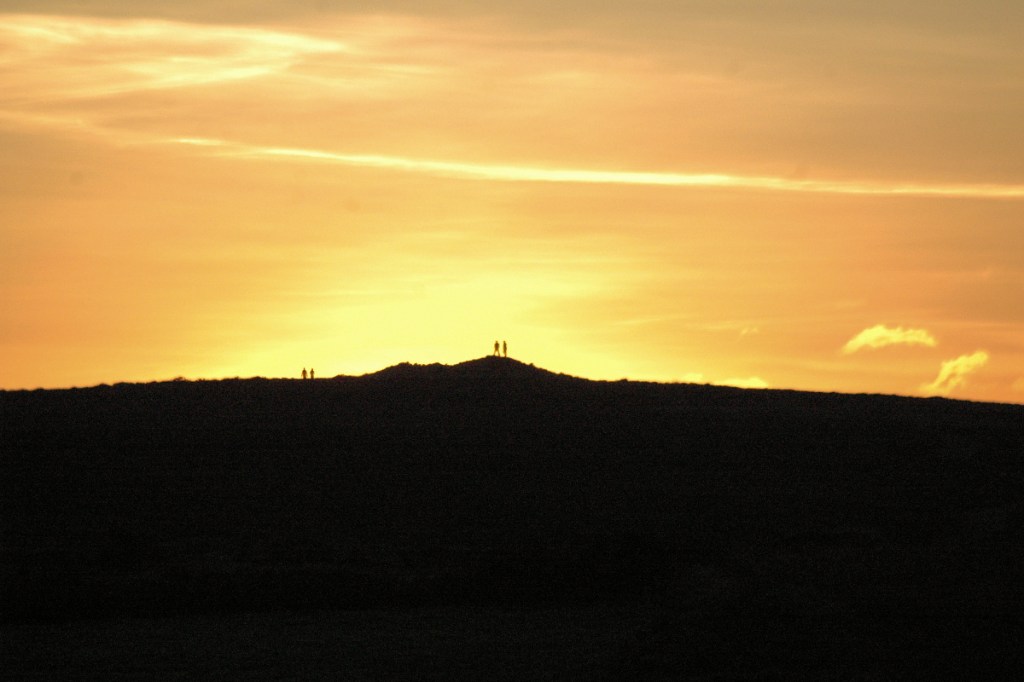
I went up the hill to be with the solar eclipse, down’ere in Cornwall, and these were the thoughts that came up. Well, those which I could put into words.
All about the nature of reality and the way it is changing. And about miracles, reality-overrides, and random small matters like that.
Acceptance is quite difficult for Westerners. We tend to want life to go the way we want it to go – and it doesn’t. Life has its own agendas and game-plan.
This becomes very apparent in late life, or when we contract debilitating, life-threatening illnesses like cancer, or when we acquire disabilities. Especially when we face death, over which we have little or no control. Death makes its own decisions.
But in the 2020s, a bigger agenda is taking over, and we have many unknowns and normality-disruptions ahead. Our grip on reality is loosening, and even billionaires and other sundry titans cannot buy themselves out of it.
It’s all about acceptance. Reality-street. That’s what this is all about.
and how the Tin Trade ended Cornish Megalithic Civilisation
This is for readers who are interested in ancient sites in Cornwall
I’m an historian who is deeply interested in prehistory, and I have an historian’s viewpoint, looking at longer-term processes at work over time. Over the last fifteen years I have done a lot of research in West Penwith, Cornwall, where I live, and here are a few new thoughts on that matter.
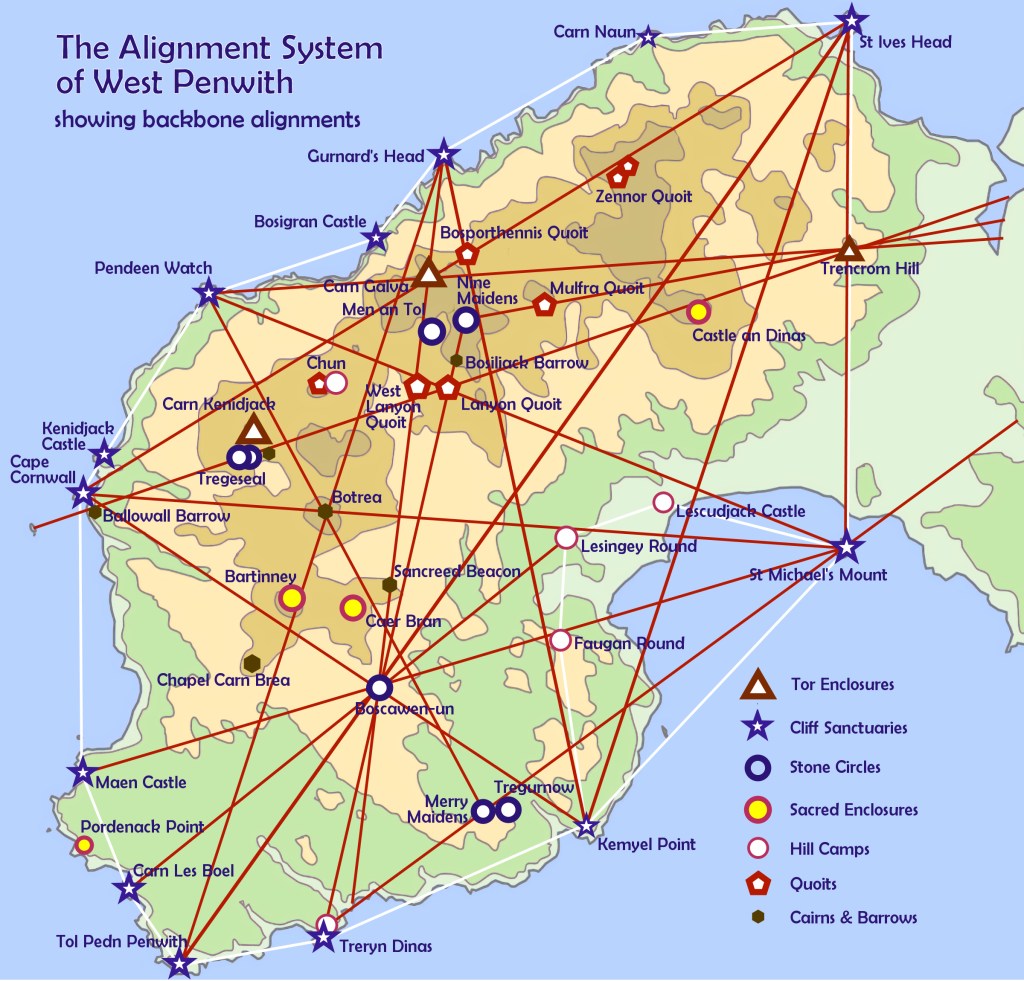
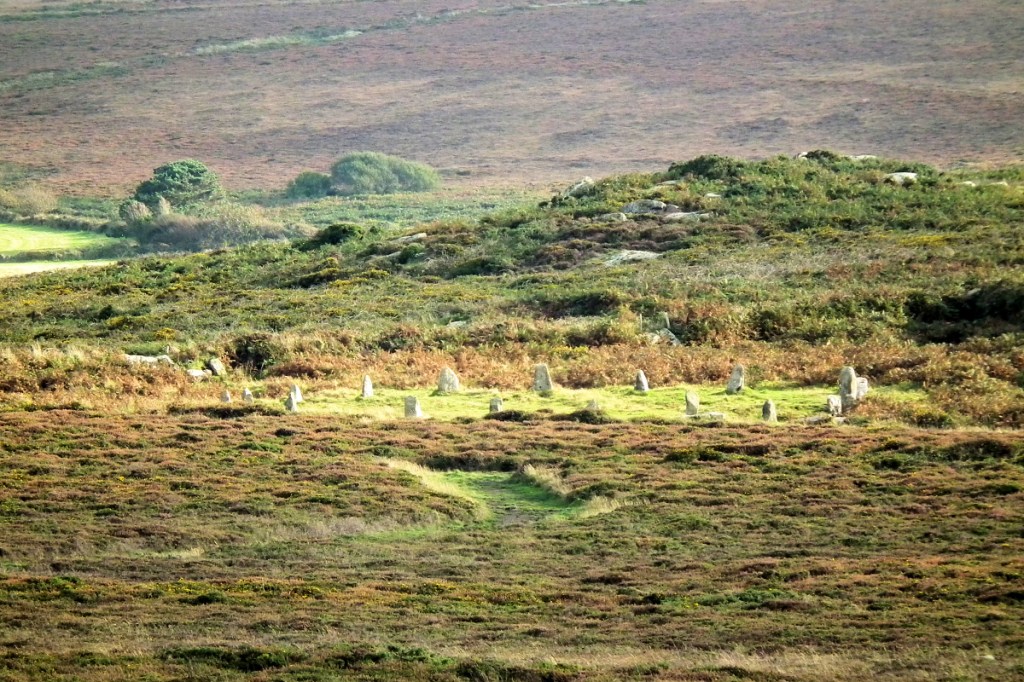
By examining its alignments system (see above) I was able to demonstrate that Penwith constituted a complete, integrated and focused magical landscape, an upgraded local ecosystem, and a cultured people who were at their peak in the Bronze Age.
This is about the transition from a matrifocal to a patriarchal culture, incrementally taking place during the Bronze Age.
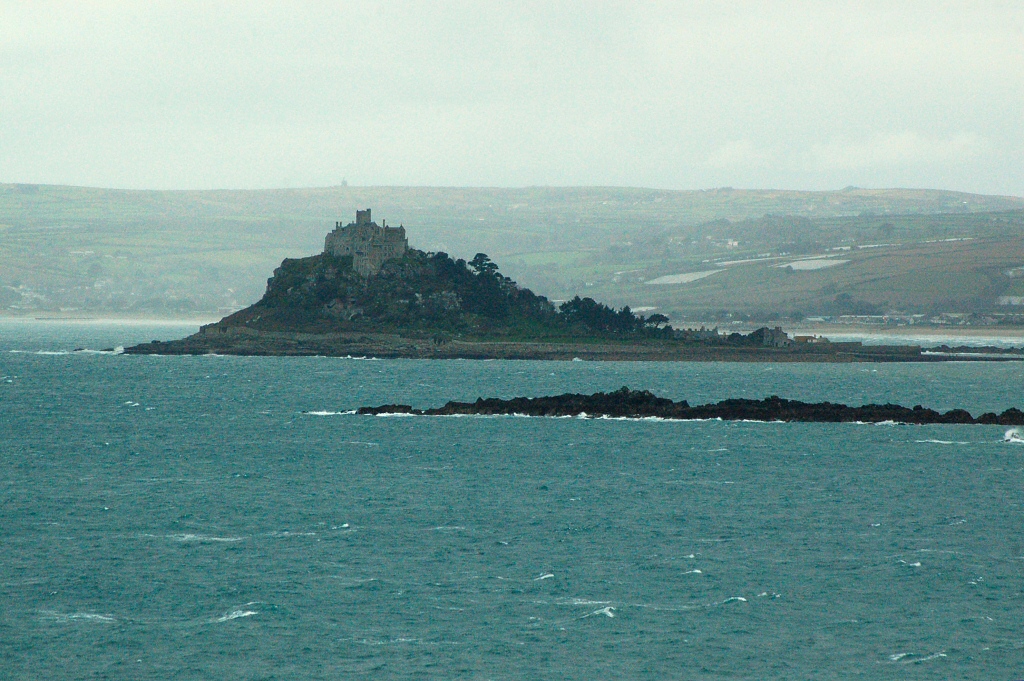
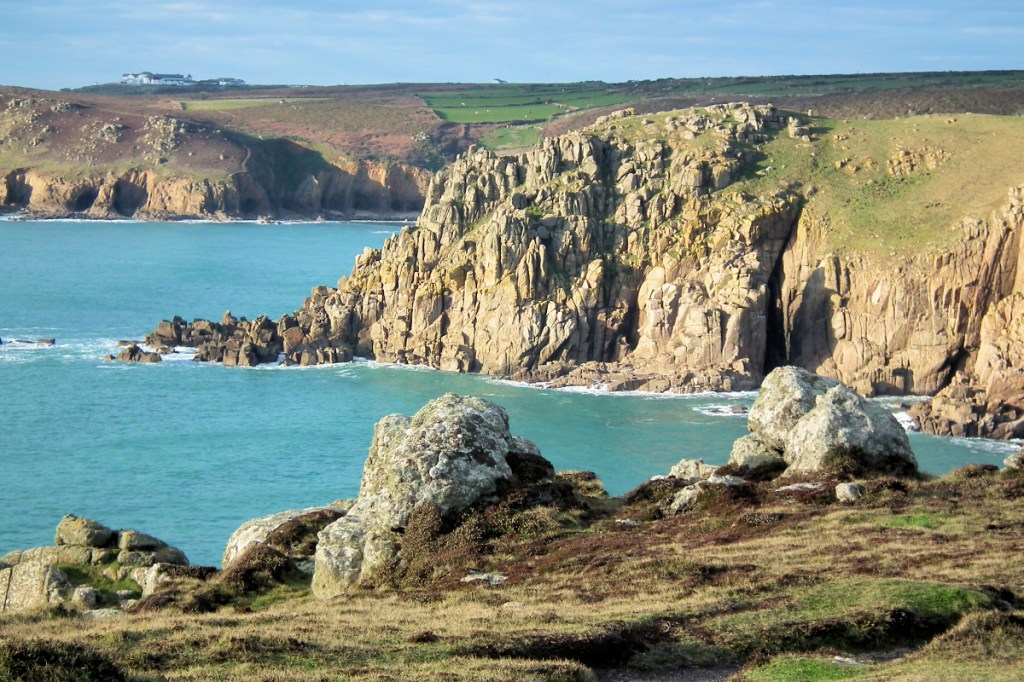
Now a peripheral place, in that time Penwith was a central place because long-distance travel took place by sea and river – the land was extensively wooded and tracks were muddy. Penwith lay on an ancient maritime trading and cultural corridor stretching from Iberia to Britain and Ireland, so boats came from Europe every summer, landing at St Michael’s Mount.
St Michael’s Mount
This pod is about the social and psycho-spiritual changes that went on through the 1,200 years of the megalithic part of the Bronze Age. It was a pretty sustainable culture, yet it was eventually overtaken by events.
An enchantment, uplifting the land and people, was shattered. The megalithic period came to an end around 1200 BCE. It was the end of a world – the Bronze Age Collapse, affecting Egypt, Greece, Mesopotamia and the whole of western Eurasia.
Recorded in the bluebell woods on our farm. For more about Penwith’s ancient sites, look here: ancientpenwith.org or here.
I’m moving towards the end of six decades of public speaking and teaching. I feel it in my aching bones and sluggish brains – what’s left of them. My synapses have run almost enough marathons for this lifetime. But I think I’ll last until the end of this year, inshallah. So I’m going to do a few talks and classes during the rest of 2026. That is, if people invite me, and if it’s doable.
I was thinking recently about my capacity earlier in life to hold and convey vastnesses of information and big, wide perspectives. In my audio archive there are talks from thirtyish years ago, and some of that stuff surprises me now. Gosh, was that me? Was it in this life or another? The audio archive is here: https://www.palden.co.uk/audio-archive.html
I’ve always been rather a polymath, covering a range of subjects. A typical hyper-focused Aspergers type, I became a veritable expert in each subject I took on, and subject to occasional bursts of genius. But that’s what I did in mid-life, and now I’m rather a worn out, ponderous old hippy veteran who’s seeing things in more of a reflective way. More transdimensional. But I still have a few more things to share.
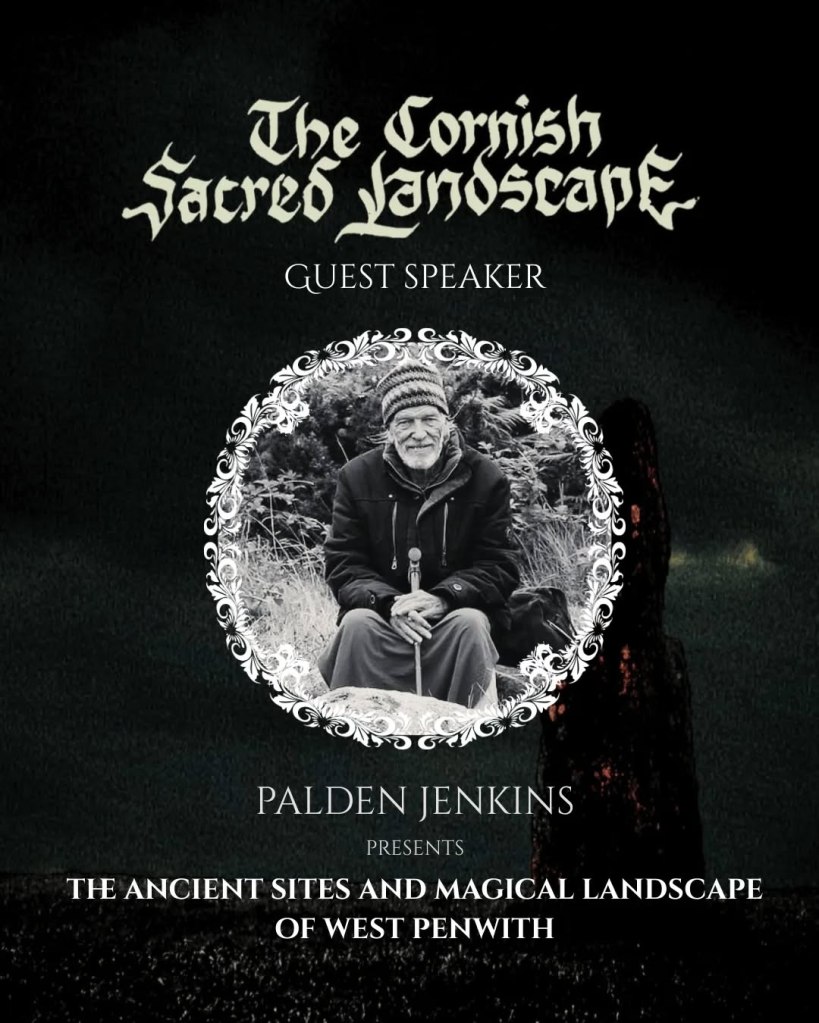
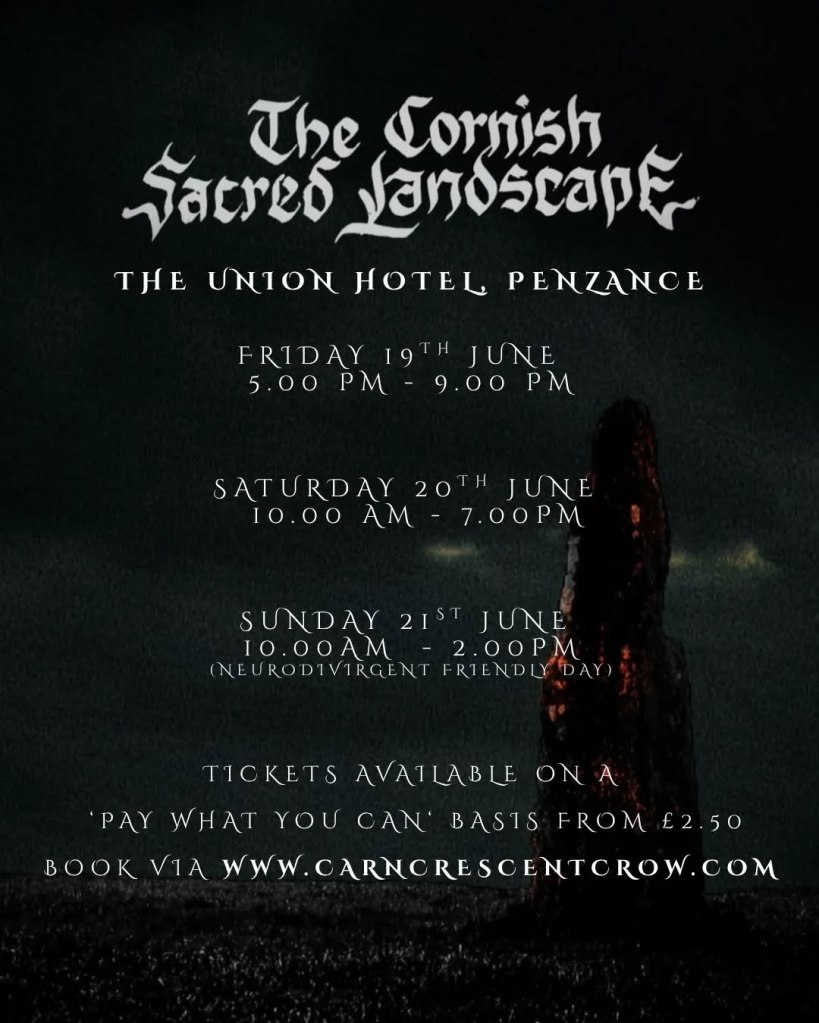
I’m doing a talk in Penzance as part of the Golowan Festival around summer solstice, courtesy of an old friend and neighbour, Na Nook. (Info: The Cornish Sacred Landscape.) I’ll be holding forth on the prehistoric society of West Penwith in the Neolithic and Bronze Ages.
This is about the ancients’ worldview, their optic, their magic and their society, as demonstrated in the ancient sites they left behind. That’s fascinating, though what’s most important is that we need to learn from the ancients – it’s growing in relevance today. I’m really happy with the discoveries I’ve made about Penwith’s ancient sites in the last fifteen years. This is a kind of final statement of where I’ve come to on that matter.
As usual for me, it’ll take 20-30 years for people to really get what I’m talking about – being ahead of the times has been both a blessing and a bane in life. Hence, I’m leaving an extensive online archive which, I hope, will stay intact and available for at least thirty years! Perhaps its time will come. In the archive there’s some interesting stuff from the 1990s – some of you might enjoy Paldywan Kenobi’s Millennial Master Class from 1995.
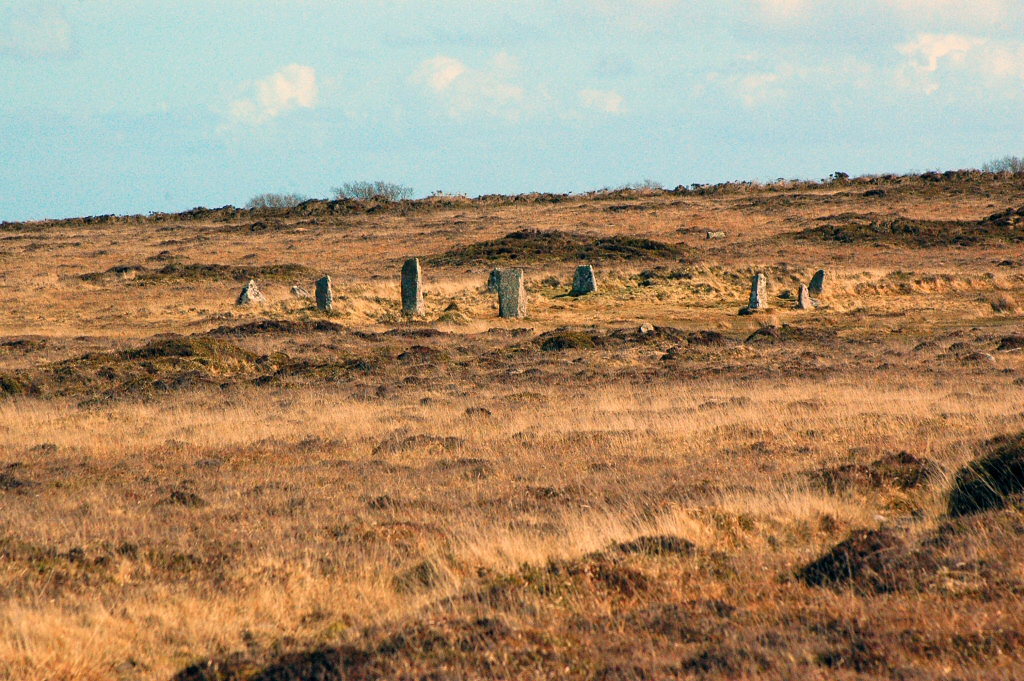
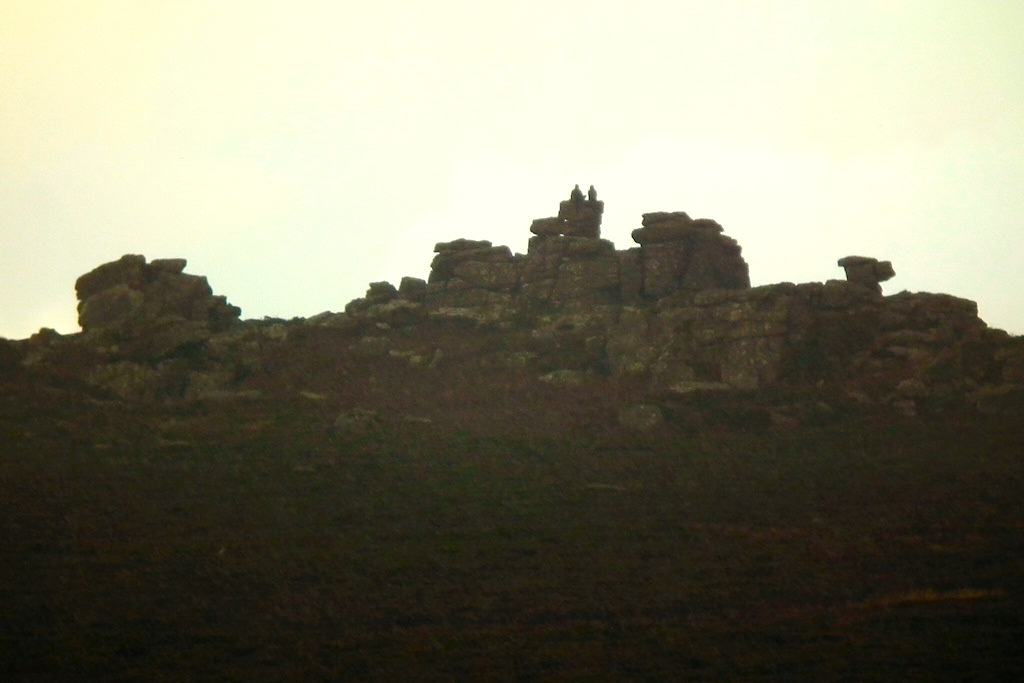
At the JustLiveCamp at Morvah, in Penwith, Cornwall, 23–29 May, a community camp in sacred Cornwall, I’ll be giving a talk about quoits, stone circles and cliff sanctuaries. Chun Quoit is just up the hill from the camp, and I’ll happily transport those who are present on a journey into the Neolithic, 5,000 years ago, to connect with those times – the much-forested times when Chun Quoit and Chun Castle were first built.
If I can, I hope to make a trip around parts of Britain during this year, to see old friends and haunts. As you might gather, my health and mental acuity are approaching a stage where making coherent talks is becoming less possible, but if there are invitations to speak, and if it’s doable (I have to be brought by a driver-minder) then I’ll do my best!
I hope to be able to keep on with podcasts – they’re still doable. Blogs are more difficult because my fingers no longer work well. A lot of people think voice recognition programmes are a solution but, no, they take so much re-editing and correction work that I find they don’t necessarily help. Besides, written English is a little different from spoken English.
Perhaps I need a digital assistant – someone living nearby with networking and literacy skills who would like to manage my online process as I pass away. To the right person this could be really interesting, since I have a large archive of material which can easily be recycled. We shall see. Magic happens – and sometimes it doesn’t, and something else happens instead!
Anyway, here’s a new podcast about ancient sites. I pose the simple question, why do people like visiting ancient sites? We need to look at this question. We need to be honest about a few things. I believe we need to get a bit more serious about ancient sites and what they mean for us now. It’s here:
All things being well, my penultimate book, Shining Land – the ancient sites of West Penwith and what they say about megalithic civilisation, might come out in printed form before long. It already exists in digital and audiobook format, and it’s here: https://www.palden.co.uk/shiningland/
My final book, Blessings that Bones Bring, is going through a review and hopefully will emerge as a second edition by the end of the year. Or sometime – in Cornwall we say ‘dreckly‘. Clare, one of my helper-angels, is assisting with that. It’s made up of re-edited cancer-related extracts from my cancer blog.
It gives the inside story about being a spiritually-oriented cancer patient, and about cancer as a spiritual path and process – a path of awakening, acceptance and completion. As I say somewhere in the book, doctors saved my life and healers gave me a new life – and this is how it has been.
Everything that begins and is born eventually comes to an end. This is the nature of life. This is our learning. We come here to master this. It’s all in the grand scheme of things and, guess what, it’s a training for a greater life. Yes, folks, there’s further to go.
Just remember: you are on a journey, and this life in a physical body, on a dense, spinning and rather troubled planet, is but a stage along that path.
Oh, and while we’re here, I invite you to join me and a widely-spread group of shining souls in the Sunday Meditation, any and every Sunday. Come and waste half an hour with us, for a homoeopathic dose of infinity.
Whether or not you do so, please put in a prayer for all those people round the world whose lives are being devastated by the military actions of fucking assholes who believe they can bend people to their will and their geopolitical delusions by bombing hell out of them. Both the bombers and the bombed are to be pitied, each for their own reasons, and may the 21st Century be the final century in which this kind of insanity is permitted to happen.
Yes, permitted. You can go on as much as you like about Illuminati, Reptilians, Bilderbergers, Oligarchs or any Them you can name, but, in the end, it is we, humanity, who permit all this madness to happen. It is in our hands. We can do it. It has to be done.
With love, Palden
BTW: I was given the nickname Paldywan Kenobi in 1986 by a boy, then aged about eight, in a rather deep, hot and heavy talking-stick sharing circle at the time of Chernobyl, and the name kinda stuck. He stood there with the stick before him like knight holding a medieval standard, uttering words of power that I can’t remember but I’ll never forget. He’s William Cartwright, nowadays a rock musician in Glastonbury. This is where children become our teachers. And our parents.
A podcast about inner meditative work to help the world.
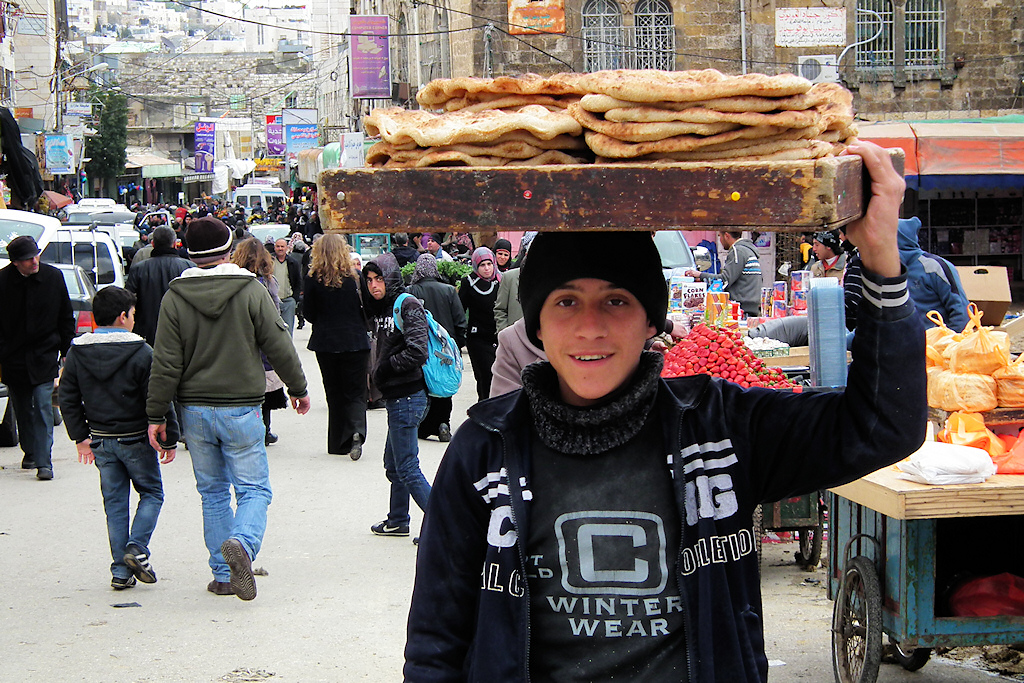
A marketplace in Hebron, Palestine, in 2012
This is a recording of a talk I gave in 2022 in Avebury, about the ins and outs of inner-working with crises, wars and acute situations around the world. Places such as Iran may seem a long way away, but it is on the same planet as we, and crises happening elsewhere are very much a part of our own lives.
On the inner planes there is no distance at all – only the psycho-social distance, the uncloseness that we create ourselves. Those people over there are just like us.
So this is about world work. There is lightworking – working with light beings to bathe our planet in healing vibes – and there is world work, which is about getting inside critical situations to work more surgically, bringing whatever is needed to a situation to help it resolve itself constructively.
I’ve done quite a lot of this over the years, in groups large and small, and on my own. In this talk I share experiences of what can happen when we apply ourselves to this kind of thing.
If you are vexed by events unfolding around the world, this is one way to be involved. Ever thought of flying alongside a missile and tipping it so that it lands in a harmless place? Ever thought of ministering empathically to the needs of souls devastated by floods or bombing? Or standing alongside a mother who has just watched her family die?
Ever thought of sitting alongside a fighter to try to understand what drives him and how he feels about life? And then to witness a woman fighter (Kurdish or Burmese, perhaps) and what drives her?
In retrospect this is one of the most meaningful activities of all that I’ve done in my life. You can do it wherever you are. This is one of the key things I do during the Sunday meditations – working consistently and regularly with the issues of the time. I’ve learned so much from beavering away at this. Paradoxically, since becoming semi-disabled as a result of cancer, I’ve got better at it – as physical capacities have declined, inner capacities seem to have grown.
I’m reminded of George Harrison’s song, The Inner Light, adapted from the teachings of Lao Tzu. “Without going out of your door, you can know all things on Earth. Without looking out of your window, you can know the Ways of Heaven. The farther one travels, the less one knows, the less one really knows…“.
Bombs are falling, strongmen are flouncing their stuff and the Megamachine happily strafes another family. It looks as if everything is going wrong.
In a way, it is, though not quite. These are the growing pains of the global community. We are learning how not to do it. And there’s more going on underneath.
Perhaps you could call this psycho-spiritual geopolitics. Or parapolitics.
I wrote this piece in 2003 on the buildup to the Iraq War and it’s pertinent to give it another spin as the Iran War unfolds. It’s an extract from my 2003 book ‘Healing the Hurts of Nations‘.
That’s what this is about. The unconscious pain, guilt and shadows in the psyches of nations, which cause them to act as they do. And what we need to do to deal with our divisiveness and wars.
With sound collected from the birds of Grumbla in Cornwall, on an early February morning this year, 2026.
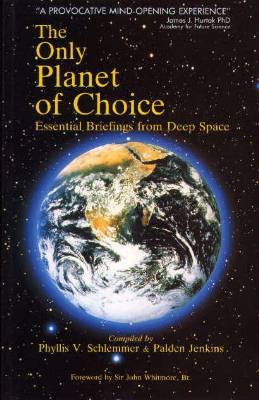
Today I was interviewed online about the time thirty-plus years ago when I worked with the Council of Nine, compiling a book for them called The Only Planet of Choice – essential briefings from deep space. This is the story of what happened in the making of the book.
The interviewer, Greg Mallozzi in USA, asked interesting questions, about how the channelling sessions worked, and what I thought about the genuineness of the Nine, and what I think about the communications thirty years later.
I also spoke about the remarkable force-field around my house at the time I was working on the book, and about the process of editing it into its final form. And about the transformative effect it had on me.
So if you have read ‘Only Planet’ this will probably interest you. And if you haven’t, some clues about the Nine are here:
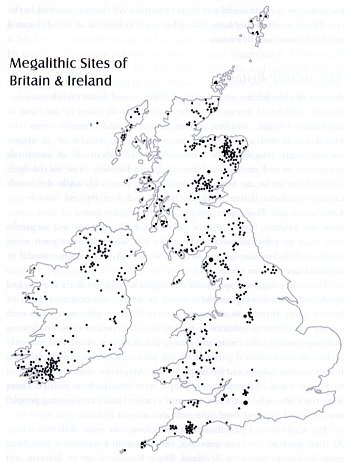
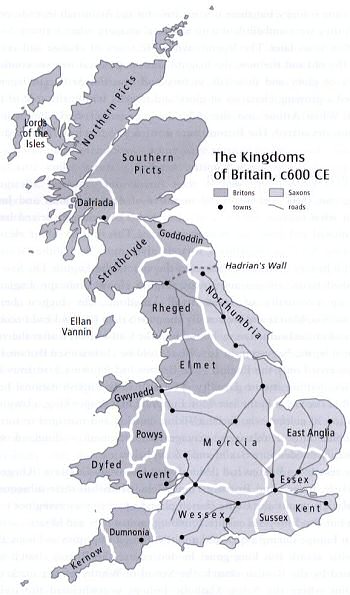
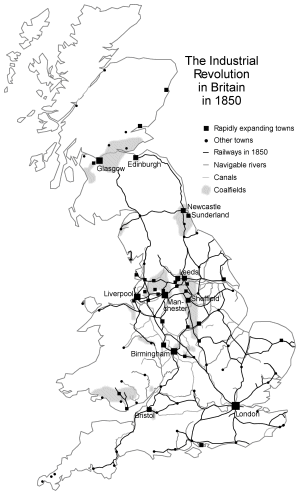
A short audio history of the Isles of Britain – in one hour flat.
We Brits, we’re proud of our history but most of us just know snippets about the Romans, 1066, Henry VIII and World War Two.
Let me take you on a 6,000 year journey to see the forming of a nation.
It’s the story of an island people and their gifts and tribulations, and a succession of periods, phases, invasions, migrations, ups and downs.
It’s not just about kings, battles and acts of parliament – the usual stuff dished up as history. It’s about the collective experience of the British, the effect we’ve had on the world and the way this story affects us now.
It’s a chapter from my 2003 book Healing the Hurts of Nations. Whether or not you’re British, you might find this interesting.




You must be logged in to post a comment.