Living consciously with cancer | and some thoughts and interests | Palden Jenkins
Author: Palden Jenkins
A pedigree Sixties veteran with a track record. Supposedly retired with bone marrow cancer, I'm still at it. Innovative projects, inspiring ideas, yardages of verbiage, copious photos, lots of audio.
I’m up on Botrea Barrows in West Penwith, Cornwall, recounting why they’re there, and what life was like 5,500-3,500 years ago in the megalithic era, in the neolithic and bronze ages, when they were built.
St Michael’s Mount
It’s also about the reasons why the ancient people of Britain went to so much trouble to build sites like this.
They weren’t fools, and they did it to create practical benefits, and they were onto something that is relevant to our day.
It has something to do with building a sustainable civilisation – one that works more or less in harmony with nature. Although it did come to an end, megalithic bronze age civilisation lasted around 1,200 years – pretty good.
Cape Cornwall
Introduced by a Cornish chough and outroduced by oystercatchers and a raven, and the Atlantic waves at Carn Les Boel, a cliff sanctuary just south of Land’s End, at the furthest end of Cornwall.
This being Britain, as soon as the tourists went home, the sun came out. It seems to be a law of British meteorology. My wooden cabin, with its big windows, gets quite hot when it’s sunny. I sat outside today, soaking it up. One of the very best cancer medicines is sunshine – and it’s free. I need to rest, because I’m shagged out – my legs in particular. Yesterday – pat me on the back, please – I did it. And it well and truly did me.
View from near Pordenack Point
A friend, Kellie, came round and we did the hike from Land’s End to Carn Lês Boel [map here]. For me this was rather special – a personal pilgrimage to a special place. It’s the place where, if I could, I would dance my last dance. I go there whenever I need to say prayers and come home to my soul.
But it’s a long haul, for me in my condition – my walking sticks, serving as legs three and four, get tired too. It’s two miles each way, with a lot of up and down, but it feels like four. I was not at all sure I would make it, but part of me realised that this was my last chance – now or never. There’s a shorter route from Porthgwarra, but this route is special, and I wanted to do it while I could.
Pordenack Point (see the people on top?)
Heading south from the car park at Land’s End, first you come to Pordenack Point, a high cliff bastion which, from the first time I went there fourteen years ago, I knew to be a major clifftop sacred site. But back then there was little evidence of that – to local archaeologists it was just one more of Palden’s crazy, rather left-field ideas. That evidence has appeared since then. It’s a friendly, strangely homely place where you can sense happy gatherings, unions and reunions, even choral singing. The panorama over the sea is spectacular.
One of the simulacra at Pordenack Point
Pordenack has a prominently-placed chambered cairn, which would have been used 4,000 years ago as an initiatory chamber for deep retreats in this definitely cosmickle place. Also it would probably have been used for dying – it’s a great place for disincarnation, an esoteric spaceport for soul-takeoff toward the Western Heaven. Or it would have been a repository for relics and revered personages put there, at least for a while, to bless the landscape – rather like charismatic saints’ relics in medieval times.
The new discovery was that of a circular enclosure at Pordenack Point, perched on the edge of a near-vertical cliff. That changed things. It was found using LIDAR, a brilliant new form of aerial radar mapping that can pick up hidden remains under the earth’s surface.
Here comes the interesting bit: the enclosure is lined up exactly with two other circular enclosures inland – Castle an Dinas and Caer Brân (pronounced ‘Care Brain’). Both of these enclosures are large enough to host gatherings of a few hundred people, though at Pordenack the enclosure might hold twentyish people. These were all concerned with the coming together of people.
By my reckoning, Caer Brân – it’s just over the valley from the farm where I live – was the parliament and moot site for the tribes of Penwith in the bronze and iron ages. Archaeologists are far more cagey. It is right at the centre of the peninsula, at the intersection of two major trackways. One goes west-east from Sennen (for the Scillies) to Madron and upcountry, and the other, NE-SW, links all of Penwith’s stone circles, from the Nine Maidens and Tregeseal to Boscawen-ûn and the Merry Maidens. This trackway goes past four bronze age platform barrows at the top of Botrea Hill on our farm and over the valley to Caer Brân – I made a podcast about this trackway two years ago.
Castle an Dinas was a further gathering site further east, probably for the meetings of tin traders and for fairs and celebrations at Beltane and Lammas. This is deduced from two astronomical alignments emanating from the enclosure, aligned to the rising and setting points of the sun at those times – the sun rises over Trencrom Hill and sets over Conquer Cairn.
Caer Bran
My feeling is that Caer Brân was rather more for formal and jurisdictional assemblies, while Castle an Dinas was more of a marketplace and social gathering site. Just up the hill from Caer Brân is Bartinney Castle, a hilltop circular enclosure with cairns inside it, which has a distinctly spiritual-religious character and a remarkable panorama. Legend has it that the Devil can never get at you inside the enclosure on Bartinney.
But, get this, three of these circular enclosures – Pordenack, Caer Brân and Castle an Dinas – are exactly aligned along a summer solstice sunrise orientation. Gatherings and festivals were really important to ancient peoples, and the people of the tribes of Penwith would come together at these enclosures at special times of the year.
In those days, folks weren’t as peopled-out and time-pressed as we are – there weren’t so many people around and, if you went anywhere, you walked. Much of the land was wooded, which gives a different space-perception to the open farmed landscapes we’re used to nowadays. Jumping in the car to visit friends wasn’t an option, so you met with them periodically, when you could, at gatherings like these, particularly at the solstices and cross-quarters.
You’d meet your relatives, distant friends, old acquaintances and new people too – at Castle an Dinas there would be interesting people from abroad, even in ancient times. There would be discussions, decisions, the making of deals and the settling of disputes. There would be trading, flirting, celebration, partying and morning-after hanging out, with moments of invocation, spectacle and holiness. They’d troop there from their living places around the peninsula, stay for 2-3 nights and troop back home again.
Pordenack Point is special not just for the above reasons. It hosts what must be one of the world’s largest collections of rock simulacra – natural rock shapes resembling ancient beings. There are whole gaggles and convocations of them – guardian rock-beings who face the vastness of the Atlantic at the far end of the Isles of Britain, holding the winds and waves at bay and protecting these isles from the storms, currents and weather gods. Some of the simulacra stand there chatting, and some are watchers, peering toward the far horizon. Some are Keepers of the Law, some are the Chanters of Intonations, and some are grumbly earth beings who resent the dwarvish bane they carry.
Carn Boel
Then you head onwards to Carn Boel, the next headland along the coast. Carn Boel (‘headland of the axe’) and Carn Lês Boel (‘headland of the court of the axe’) form the bounding headlands of Porth Nanjizal (Nanjizal Bay, pronounced ‘Nanjizzle’). Carn Boel has a big outcrop with a hooked nose, on top of which is a rather magical stone and sitting place, looking out to sea. Perhaps a place for consulting ancient seers and soothsayers.
Then you follow a cliffside path – a bit challenging if you have vertigo – alongside Porth Nanjizal, past a fascinating granite outcrop called Carn Cravah. We had a good sit and a round of tea there – I was already having to pace myself because, since I got cancer four years ago, I have few energy reserves to draw on. So it’s an exercise in prana-management, energy-management, pushing myself but not pushing too much. Often there are seals hanging out in the water below, but they weren’t around yesterday, possibly because of all the humans frolicking happily in the water.
Nanjizal Bay
Then you get to Nanjizal, a lovely sandy cove. It lost all its sand in the storms of 2014, but the sand has returned now. It was quite busy. It was lovely to see children getting lost in the magic of the place and playing in the waves, without a care. At least half of the people present seemed to have foreign accents – central Europeans, accustomed to being landlocked, love Cornwall and its wide-open, oceanic coastline. Since Covid we’ve had a new wave of non-white, second-generation Brits coming to Cornwall, laying claim to the extremities of their homeland, to plant their hearts in the landscape and tune in to its roots, and I really like that – they’re welcome.
Then it’s a steep climb up endless steps to the top of Carn Lês Boel, a few hundred feet above the sea. This was a killer and I had to take it slowly, step by step, with two pauses and one sit. An old dog came puffing up the steps like a steam engine, gave me some friendly slobber and continuing on its way, followed by a puffing human, smiling as he passed at this old hippy sat there in his Arabic jalabiya.
The path onto the carn is on the right of the propped menhir
But I got up there. It was painful, but the Carn makes the price worth paying. Its energy-field is strong and uplifting. It’s a place of transformation and healing, with a lightening (levitational) and enlightening (uplifting) effect. You can feel it as you approach. There’s an ancient ditch crossing the neck of the Carn, marking the boundary of its sacred space – I stop there to ask permission to enter but the answer is always ‘Yes, welcome back‘.
The propped menhir
Then there’s a gateway marked by two menhirs, one now fallen. At times, before cancer, I had a sneaky urge to come here one night with a few friends to re-erect it, but it never happened. The other gateway stone is a rare propped, crystalline granite menhir – raised up on small stones so that there’s a gap underneath, so that the menhir doesn’t itself touch the ground. The purpose of this is difficult to tell, but there’s quite a concentrated energy-field in the gap underneath. A similar thing happens at two other such stones: one at Trevean, half a mile away and probably built by the same builders at the same time, and the other a few miles up the coast at Carn Creis, amongst the Boscregan Cairns.
At the top of the carn is a rock platform with an energy-vortex that makes my body sway involuntarily when I stand on it. A nearby tipped-over stone probably stood on this vortex in former days. There’s another energy-centre further along the carn – a natural rock pile with a vortex emerging from the top – and, yesterday, over this and the first energy centre there were swarms of flying ants, swirling around psychedelically in the heat, following the flow of the energy-vortices.
When I’m there I settle and eventually lie down, finding myself drawn deep inside the carn. Esoterically it feels hollow. It does have seal caves in it, but this is a different kind of hollowness, as if there is an enormous atrium of vastness and voidness underneath, Tardis-like and bigger than the already enormous carn itself. There’s a feeling of very ancient beings here – geological beings who were here long before humans were ever thought of. There’s also a wide-open, upwards-and-outwards, infinite-space feeling to the carn, with its oceanic vista. The next stop across the ocean, thousands of miles away, is the Yucatán peninsula in Mexico, the Mayalands.
Carn Lês Boel marks the western end of the Michael Line, a line stretching across southern Britain along its widest axis, crossing Glastonbury Tor, Avebury and other major sites along the way. That’s one reason why this site seems to me to be working at a higher level than many other sites around Penwith – the carn is on a global great circle energy-line.
I needed to come here because I feel I’m at a junction point. I’m drawing a blank on where the roads lead from here. Unusually for me, at present I see no future – no sense of where I’m going or what happens next, or even what I want or need. I’m not sure how to interpret this, but I see three possibilities. One is that I’m just plain blank and need to feel alright about that. One is that I am on the edge of something, a new chapter, the form of which I should not even try to pin down at this stage, in order to allow it the space and freedom to develop. Or the third possibility is that my life might end quite soon, and that I see no future in life because there isn’t one – the path leads through a threshold to another, less physical world.
I can accept any of these, for although I turn 73 on my birthday (Tuesday 5th September), and I’m not that old, I feel like a hundred years. Life has been an uphill grind in recent years and I feel rather worn out. Tired of pushing hard to get through life, tired of all the palaver and complexity. But I’m not set on that either. I’ll be wherever it is most useful for me to be.
I’m rather a mission-driven kind of chap, and if there is something meaningful and manageable for me to do here on Earth, then I’m up for it. But my life has developed a kind of emptiness. I miss my family, my partner and her family. In the wider world I am well liked but not greatly included. Regarding will-to-live, it does make a difference when there’s someone to live for, and perhaps I haven’t appreciated this sufficiently, earlier in life. I’m not good at doing nothing, staying alive just to stay alive, and I’m uninterested in watching TV, entertaining myself, feeding my face and living in glorious isolation. There’s more to life than this, and if there isn’t, then perhaps I’ll be better off going back home.
That’s why I went to Carn Lês Boel, to place myself before the Vastness, to make a ‘here I stand‘ life-statement, to ask a question and make a prayer. I chose the hard path to get there since it might be the last time I can do that route. It’s special to me because, this time in particular, I have to work at it, wear myself out, and that’s a quality that pilgrimages need to have. I needed to open myself up to whatever is to come. To ask for clues.
I didn’t get anything definite for an answer except for one thing: when leaving the carn I paused and asked, “Is this my last visit?” and the answer was definitely ‘No’. That perked me up. But instead of giving answers, this pilgrimage brought a change in me, a change of state. The questions started mattering less, and I came to a feeling that everything is alright, okay and perfectly in order.
Even so, I had to build myself up for getting back. Part of me didn’t want to leave. Another part of me knew that I had to start now, while I still had energy and before my body stiffened too much. Being on the carn had recharged and reconditioned me, and I knew I just had to apply mountaineer’s grittiness, persevering through the next bit to get myself home – well, back to Kellie’s car.
So I psyched myself up and went for it. My legs and back were hurting and my strength wasn’t great, but I just had to do it. At times like this, when I’m out in the wilds, I have a secret wish my dear son would winch me up into one of his helicopters and teleport me back to the farm. But this is Planet Earth, and he’s busy with other things.
This said, the whole trip was really worth it. Kellie was great company too – a right-on lady who’d been a road campaigner in the 1990s and who, I sense, stands on the edge of taking on a new mission of her own sometime soon. She’s one of those women whose kids are hitting twenty, who finds herself standing in front of a rather big, wide-open space. She was attentive to my needs, pace and timings, which was great, but she didn’t fuss over me, letting me stagger along at my own pace – and this old cripple likes that! She also seemed to like the Queen Mary’s Rose Garden tea that I brought in a flask. And I liked the lunch she had brought, which we had at Nanjizal Bay, just before climbing up to the carn. Thanks, Kellie – and I hope the trip was auspicious for you too.
Another person who came along, in spirit, was the Okomfo Akue Ayensuwaa – a new soul-sister I’ve never met, and queen priestess of the Ayensu River in the Gold Coast of West Africa. We have worked together on a shared mission for the last nine months and, while Kellie and I were doing this pilgrimage, Maa Ayensuwaa was at her shrine, accompanying us in spirit. This lady is deep, and if she so chooses she really is with you. There’s a Nepali seer who has also entered the equation, and we form a sparky triangle. I’ll tell you more about this and our story another time, when it’s safe and proper to do so.
Today, on the day following our walk, my legs ache, and I’m happy. Sometimes I have a question but it turns out that I don’t really need an answer. Sometimes it’s just a matter of changing my state. Something is reintegrating. What I love about visiting a power point like Carn Lês Boel is that it can transport me out of the confines and coordinates of my life and raise me to another level. I get more of a panoramic sense of life – a sense of context and meaning that seems to slot everything into place. It’s a shift of viewpoint that casts another light on things so that they look different – and this in turn leads to different outcomes.
On this walk something else came clear. There are advantages to being aged, especially if I accept it fully and completely. There’s no longer a need to hurry. It isn’t a time of goal-orientation but a time of allowing. The urge to get there, to achieve objectives, and to get on with the next thing, fades into the past – almost as if it was another life. As my physical powers have declined, my psyche has become more spacious since I’ve been obliged to drop many of the concerns, activities and preoccupations that used to fill it. It means that, with an undertaking such as walking to the Carn, I can take each stage, each footstep, as it comes. I just keep on going, step by step, neither pushing nor giving up, and I keep on going until, suddenly, I surprise myself by finding I’ve actually got there.
Life is nowadays more of a here-and-now thing – not least because the past is fading in memory, and there isn’t a lot of future ahead, and when I spend a lot of time alone, other people aren’t around me, keeping me attuned to the issues, struggles and woes they face. So I lose track of most people’s sense of reality, floating off in my own bubble. That makes the present time expand into more of a timeless zone. It has a beatific effect, adding an enlivening sparkle to life, giving a rather childlike sense of spontaneous discovery of every moment. The urge to get there, to reach the destination, to tick off everything on the list, is a compulsion that touches me much less than ever before.
Yet again, Carn Lês Boel gave a gift of time, out of time. At life’s junction-points it’s a good place to go, as if to clock in to the universe to renew my contract with the Great Wide and Wonderful, to go through a reassessment turnstile, to get worked over by the spirits of the ocean and vibrational field of this holy cliff sanctuary.
So that’s what I did on Saturday.
Lots of love from me, Palden
The photos here were taken on earlier trips – I wasn’t in a photographic mood yesterday.
Tregeseal stone circle here in Cornwall sometimes has a knockout effect!
It’s meditation time again on Sunday evening at 8-8.30pm UK time. Do it wherever you are, using methods you’re used to. No sign-up, no strings – it’s a sharing of inner space, with a view to raising the energy of the world. For full details, including the meditation times in different timezones, go here:
On a slightly different matter, I am creating an archive of my work and last week sorted out an astrologically-based talk I did in 1990, shortly after the fall of the Berlin Wall, and Tienanmen Square and a massive shift in all and everything worldwide. This was a time when many new ideas born in the 1960s – environmental, gender, racial, human rights – came into mainstream awareness.
Neolithic longbarrow on Chapel Carn Brea, Cornwall – the last hill in Britain
Interestingly, I predicted several things at the time – that Gorbachev would not last long, that trouble would ensue from Western encroachment on Russia and that online networking would become a big thing. But there was one thing I got wrong: I reckoned the world would make the big and necessary decisions very soon, during the 1990s, and it took another 30 years and we’re only now entering a time, the late 2020s, when such decisions are really likely to be made. Well, better late than never.
This PodTalk is not required listening but some of you might find it interesting. It outlines the astrology and the underlying meaning of of those times, a major junction point of modern history that was only really equalled by the banking crisis of 2008 (when Western world hegemony lapsed) and the Covid crisis (the seeding and beginning of a major social change that is likely to unfold further during the coming 15ish years as Pluto chugs through Aquarius.
It’s raining. Unwittingly, we were teleported into October. Well, that’s the case down’ere in Cornwall. I’ve even lit up my woodstove to cheer things up.
Then I started working on a half-finished website – a shortened version of my 2003 book ‘Healing the Hurts of Nations’. I wrote that in Glastonbury as the Iraq War was building up. It’ll be ready dreckly – a Cornish word meaning ‘whenever’.
One of the funny things that has happened in my life has been that I’ve given focus to quite a wide variety of different subjects and areas of activity. I give each of them total attention, lots of time and energy, sometimes to the annoyance of people close to me.
Something comes out of it that lands up as a book or a project of some sort. And then, once it’s complete and wrapped up, I have a tendency to move on to something different. Sag rising and Gemini Moon. Four planets in the Ninth. Or manic Aspie obsession, perhaps.
Which means that, over my lifetime, I’ve accumulated a range of bits of work. This one here, ‘Silk Roads’, represents the para-political and geopolitical side of me, fed by the historian and feeding the stuff I’ve done in humanitarian activities and world healing.
The other side of this is that I’ve made contributions to many fields – astrology, geomancy and cereology are other ones – though I haven’t stuck around long enough to really milk any of them fully. Other people got better known than I. By the time the ideas I’ve put forward start gaining traction, I’m off somewhere else.
This traction process seems to take around 30 years – a Saturn cycle. It’s frustratingly slow when you’re younger, but it starts making more sense when your bones start creaking. It’s necessary to let go of the urge for fame and success, let others get the accolades and royalties, and instead enjoy feeding the collective psyche with ideas and impulses that take on a life of their own. After all, ideas don’t come from us – they come through us. It’s all to do with feeding future history with ideational fertiliser. Planting seeds.
At the end of life, that process seems to be turning around, for me. I’m leaving an online archive of much of my stuff on my now rather labyrinthine 600-page website, and it’s all there for anyone who wishes to trawl through it. Or for anyone who find the parts that are waiting for them. It has become a kind of wholeness – at least to me. But for most of you, bits of it will be valuable.
Cape Kenidjack, a cliff sanctuary
I’m now approaching what might be a crisis. I’m running out of stuff that needs revising and entering into the archive, and also my capacity to cook up new stuff is diminishing. Blogs and podcastswork quite well, because I can get them done in a matter of hours, but books, no, I can’t do books any more.
I can do single intense workshops like the Magic Circles I did last year, but these are in-the-moment one-offs, never to be repeated. I can’t do longer courses or series any more. For both better and for worse, chemo-brain and ageing have put me more into my right, intuitive-imaginal brain. It kinda trundles along like an old steam engine, but the livery is a tad smart.
I’m able to do a few more five-hour Magic Circles, if you’re an organiser who’d like to host one. I can’t organise them myself, but on the night you’ll get something really memorable, special for that moment and for the needs of those present. I’m contemplating doing some online… er… I’m looking for a term like ‘master class’ but better… one a month for 4-5 months. But really, I prefer now to work amongst people, not online. People power me up.
In my last life-chapter, I find myself looking for something new – there’s something that needs to come right. I need to find a situation where, as a partially-disabled but rather interesting old crock with cancer, I can play my part and make the contribution that I can make, and not be difficult to have around – and have someone cover my back or even consider hosting a good decline and death.
Investigating an iron age settlement in Penwith
I want to fix this sometime before long, in the coming year. Before it’s too late for me to make a change. I’m not sure whether it involves moving – I do love it where I live, but I’m too alone here now. It’s circumstances rather than location that matter most. Perhaps my world is gradually shrinking.
Anyway, here’s a re-posting of an interesting chunk from Healing the Hurts of Nations, in case your eyeballs needed something to get down on, to feed your synapses with some interesting stuff. It’s all about humanity’s largely unconscious attempts at becoming a planetary race.
That’s rather important, a key ingredient in the next stage of human evolution. All of the issues before us, including local and personal ones, are now planetary in context and thoroughly affected by global-scale influences. Like it or not, we’re becoming one humanity. It’s an at times painful process, and at times it’s amazing.
It’s a kind of destiny. It was not foreordained how we would get here, and the process has been in many ways cruel, but it’s what humanity is heading toward. It’s a bit like an acorn that is programmed to become a mighty oak – it’ll get there somehow.
The uniting of humanity is necessary because we can then join the wider, greater universal order, but only as a unified race of beings. At present we can’t handle that idea, but it’s coming. Also, the only way we can fix our own problems on Earth is by becoming a unified race of beings. It all boils down to simple questions: who decides and who gains? Well, now, by necessity, we’re a team, currently with 8 billion players.
We’re in the critical part of that process now. I’d suggest the process properly started in the 1960s and will, at least in principle, be worked out by the 2060s-70s. That is, by then, I think we will know the state of play on Earth, what we have to work with, and we will have started doing it. Whatever that entails at the time. (For more on this, click ‘The 2020s’ above.)
I’m re-working a 2003 book, Healing the Hurts of Nations, as a short, thinking-points archive version, and here’s a chapter about the historic growth of globalisation.
————————–
In the Sahara with the Bedouin
Our time is the first in which it has been possible to take a literally universal view of human history, because this is the first time in which the whole human race around the globe has come within sight of coalescing into a single society. In the past, a number of empires, and a smaller number of missionary religions, have aimed at universality. None of them, so far, has ever attained to universality in the literal sense. – Arnold Toynbee, historian, 1967.
Healing the Hurts of Nations contains a few unusual underlying assumptions. One of them is that globalisation is historically inevitable. A bit like growing up. I am not suggesting that the once imperialistic and now corporate-style globalisation process we see today is the only way it could have happened – perhaps it took place this way because humanity rejected earlier-presented options. Nevertheless, globalisation was a pre-programmed potentiality from the early days of human history.
Saying that globalisation is inevitable does not mean that inevitably it should happen as it did, when it did, carried out by the people who did it and with the outcomes that resulted. But it suggests that there is an urge or secret aspiration deep in the human psyche, seeking to form a planetary civilisation, and that humans would therefore try, mostly unconsciously, to put into place the conditions to achieve it.
Humanity customarily walks into the future facing backwards, yet this does not exclude the possibility that, deep down, it secretly knows something more than it sees. Several attempts at globalisation are visible in history. Let’s look at a few.
Alexander the Great
Athens
Alexander, one of history’s finest megalomaniacs, did not invade all of Eurasia, but he made a good try. Had his conquests lasted, they could have been a platform for further extension at a later date, by the inheritors of his bequest to history. Starting from Greece in 334 BCE, he and his troops swept through Anatolia, Egypt and the Middle East, through Persia and Afghanistan to Turkestan and what is now Pakistan in eight years, by 325 BCE.
They established a capital at Babylon, Eurasia’s key meeting-place. He took on god-like status, gobbled up several major civilisations and then died prematurely in 323, aged 32. He had set in motion one of history’s biggest intentional genetic engineering experiments too – mating his men with women across his conquered territories.
His big idea was to seed Greek culture and, in his view, to upgrade humanity with Greek modernist internationalism. A flash in the pan, the social and political effects of his audacious feats all the same survived centuries after his time. Had he lived a longer life and run his affairs well, history today might look very different.
The Silk Roads
Three centuries later, in the time of the great classical empires, the world tentatively approached the possibility of unifying Eurasia. The Roman, Persian, Kushan and Han Chinese empires, between them, controlled most of the main axis of Eurasia, from Spain to Manchuria. The backbone of this civilisational axis was the Silk Road from China, through Turkestan to the Mediterranean, along which there was continual travel and trade, despite the distance. Few travelled the Silk Road in its entirety – instead, goods and ideas changed hands at caravanserais and trading cities, and trade between Rome and China reached significant levels for the time.
Chinese silks first reached the West in 500 BCE through Persian intermediaries. Chaotic forces put an end to this period of Eurasian stability: warrior nomads rampaging across Central Asia, together with the separate yet roughly synchronous collapses of imperial Rome and Han China, caused trans-Eurasian trade and interchange to collapse for some time.
The precedent of connecting civilisations and setting intercultural exchange in motion was now there, setting patterns for the future. It is suggested, with some plausibility, that Jesus, in his ‘lost years’, travelled as far east as Tibet and as far west as Britain. This sounds fantastic, yet significant international travel was not uncommon at the time. People had gained a taste for items and influences from faraway places. Imperial administrative structures also approached a scale which could, with a few more developmental steps, begin to manage global control – if subsequent human history had but followed this thread. Though this was perhaps premature.
The Muslim Ascendancy
Amman, Jordan
Then came the rapid Muslim expansion initiated by Muhammad the Prophet in 630 when he and his followers took Mecca, an ancient Arabic cult-centre. He died in 632, but his successors channelled the dynamism of their faith by invading the whole Middle East. By 670 the Islamic empire stretched from Tunisia to Afghanistan, spreading to Spain, Turkestan and northwest India by 720. They had a go at Europe too, but it was too muddy, cold and backward to bother with, and the Franks beat them back.
The Muslim empire’s success arose not only from the energy of the new Islamic dispensation, but also from the acquiescence of conquered peoples, many of whom thought the new dominators better than their predecessors. Muslims did not forcibly convert their subjects, and the relative doctrinal, social and legal clarity and coherence of Islam was attractive to many, whether or not they converted.
Political unity in the empire later broke down, but cultural unity continued, with a second zenith in the 1600s in the form of the Ottoman, Persian Safavid and Indian Mughal empires. Had Westerners not intervened, it is conceivable that a third wave might have occurred during the 20th Century. Despite the fact that globalisation is currently Western-driven, it is likely that the Muslim world will have a big influence in shaping the culture of the 21st Century world. Osama bin Laden and al Qaeda might even play a part in this: though their actions are questionable in a short-term context, the longterm effect of their impact on globalisation and its moral tone could be influential. Whether Muhammad the Prophet would approve of their actions is another question, but the fact that the centre of al Qaeda’s initiative has been Saudi Arabia, Muhammad’s home, is not insignificant.
The Crusades, Richard and Salah-ad-Din
Jerusalem
A further chance to build a proto-global fusion came during the Crusades of the 1090s-1290s – Europe’s first bout of overseas expansionism. The Crusaders made their mark with extreme courage and bravado, yet they blundered repeatedly. When they seized Jerusalem in 1099, they allegedly murdered virtually all Muslims and Jews as well as eastern Christians. The Crusaders were a strange mixture of religious visionaries and holy warriors, glory-and-booty seekers, power-maniacs, noble adventurers, outlaws and vagabonds.
Their unprincipled actions incited a pan-Arabic reaction, especially under Nureddin, Seljuk ruler of Syria 1146-74, and his successor Salah-ad-Din or Saladin, Sultan of Egypt and Syria, 1175-93. They took strong objection to Crusader atrocities and arrogance. This was a religious matter of righting wrongs rather than a purely territorial issue, since it was the stated duty of all Muslims to protect their fellows from oppression by the launching of jihad or holy war.
Nureddin and Saladin were not implacably opposed to the presence of foreigners in the Holy Land, as long as they behaved themselves. Saladin mooted the idea of sharing Palestine with the Europeans on a principle of mutual respect for each others’ people, faiths and holy places. This accorded with the highest of Muslim ideals. But he would not allow the Crusaders sole control, since they did not behave themselves and were over-ambitious. His diplomacy could have laid a basis for substantial cultural interchange between Europe and the Muslim world which, conceivably, could have created a vast world bloc with enormous potential.
The English king Richard Coeur de Lion was hesitantly partial to his proposition, tempted by Saladin’s chivalrous political challenge. Some Crusaders were relatively pacific and liberal, many of them born and living in Palestine, with Muslim friends and concubines and adopting some Middle Eastern ways. Muslim civilisation was, after all, culturally superior. But Richard was persuaded and outmanoeuvred by the belligerent lobby amongst Crusaders, mostly fresher to the Holy Land. They were backed by an unholy alliance of Papal, lordly and financial interests back in Europe, who preferred cultural separatism, booty and sole control of Palestine.
The mediating efforts of 1192 by Saladin’s brother were sabotaged. The possibility collapsed. This led to the eventual failure of the Crusades: after the collapse, Saladin knew the Crusaders must be ejected. It blew an historic opportunity to bring together two extensive cultures which, together, were potentially in a position to bring about a new international order. It was not to be.
European magnates became ever more bigoted and dogmatic during the Middle Ages: cultural cleansing and the imposition of control and uniformity were major trends underlying the period. Lordly church henchmen even sent Crusades against heretical and pagan Europeans in southwest France, Bosnia and Latvia. Islamic civilisation, which had matured by the 1100s, was multicultural, to the extent that its top level was taken over by Turkic peoples, the Seljuks, and later the Ottomans, without enormous disruption. It had little to gain from cooperation with Europeans, but the Christians nevertheless had their merits – a spunky and enterprising lot.
This failed meeting of cultures was but one entry in a catalogue of missed historic opportunities. In Israel and Lebanon to this day, much suffering might have been avoided, had this cultural hand-shaking taken place. It might have affected the many persecutions of Jews in Europe, the breaking up of the Middle East by the West in the 20th Century and the nature of European imperialism from the 1500s onwards.
The Mongols
Another window of opportunity arose under the Mongols in the 1200s. Invincible blitzkrieg warriors, they felled the Chin and Song dynasties of China and the great Abbasid Caliphate of Baghdad. They brought down the feared Assassin (Hashishiyun) Order of Syria, a Shi’a terrorist sect led by the legendary Old Man of the Mountain, whom even Saladin could not beat. But to do so they had to use massive force – this story slightly resembles America’s match with Osama bin Laden and al Qaeda.
The Mongols had an interesting style: they were herders by nature, setting themselves over their conquered lands and employing local administrations and institutions to run their empire. At first they did not take over the palaces and great cities, camping instead outside their walls. Genghiz Khan (c1167-1227) saw it as his and the Mongols’ divine destiny to rule the world, on behalf of the gods, who wanted it unified. This man had a global vision: any opposition was opposition to the will of the gods, worthy of instant death.
The Mongol empire, at its peak between the 1220s and the 1290s, stretched from China to the Middle East and Ukraine, embracing many ancient culture-areas. Rapid communications systems were developed and intercultural exchange was encouraged, knitting diverse cultures into an internationalist order controlled from Karakoram in Mongolia. They invited Buddhists, Taoists, Christians, Manichaeans, Muslims and pagans to their courts, bringing all under their umbrella. Many impressive potentials were there, but the essentially nomadic Mongols, who were not by nature civilisation-builders, only coordinators, gradually subsided in power.
Two of their biggest weaknesses related to democracy and delegation of power: whenever a Great Khan died, the hordes returned to Mongolia to elect a new one, meaning that their conquests lost momentum; additionally, regional power was delegated to khans who eventually pulled away from the centre, adopted the ways of China, Turkestan or Persia and loosened the ties of the empire. Yet the Mongols had brought a flourish of world integration. No empire was ever so extensive or all-embracing. But then, few empires created piles of skulls to the extent they did.
The Meeting of Civilisations
A further rumbling of global hegemony arose during the 1400s. Three powers were unwittingly positioning themselves for world domination, and not entirely consciously: imperial China, the Islamic bloc and the upstart Europeans, then in the early stages of their cheeky exploratory adventures led by the Portuguese. The smallest of these powers was the Europeans, a smelly, drunken, flea-ridden and voracious lot whose raucous bravado and booming cannons shocked the Muslims and sank their navy in a trice.
Civilised Islamic principles were the Muslims’ undoing when they met the Europeans – the Muslims were too gentlemanly. The Chinese had invented gunpowder, but they considered it immoral to use it in war, so they too had a problem with battle ethics – their philosophy was that it was ignoble to kill a warrior without looking them in the eyes. The Portuguese cared not a hoot about that.
The Chinese sent out embassies all over Asia during the reign of the Ming emperor Yung Lo in the early 1400s. His Chinese Muslim admiral Cheng Ho, from Yunnan in south China, led an enormous flotilla of ships to Indonesia, Australia, India, Arabia and east Africa (some say even the American west coast), furthering the grandiose interests of the Middle Kingdom. They sought ambassadorially to extend the hegemony of the Chinese emperor worldwide and render all other lands tributary – to the Chinese, the emperor was both a monarch and the embodiment on Earth of the gods.
This rare outburst of Chinese internationalism was courteous and diplomatic: Ming mandarins presumably dreamt of lording it over the world. Their big failing was that, since commerce was distasteful to the Chinese ruling class, their costly expeditions led to no significant profit. By 1433, there was a change of emperor and all embassies were called back. When Cheng Ho, who had sailed as far as Zanzibar, came home, he took giraffes and lions back with him for the imperial zoo. The succeeding emperor decided, for internal political reasons, to revert to traditional isolationism. This knocked the Chinese out of the game, by their own doing.
The Portuguese and the Muslims (the Ottomans, Safavid Persians and Indian Moghuls) met up at sea outside the Persian Gulf in 1509. The combined Islamic fleets, masters of the Indian Ocean, were quickly sunk and scattered by Portuguese cannons, giving the Europeans sudden dominance of the Indian Ocean and its trade. Muslim traders had for long plied the waves from the Red Sea and the Persian Gulf down the African coast, and past India to China and the Spice Islands (Indonesia).
The result of the European victory was that, of the three powers eligible to dominate the world at that time, the Europeans had suddenly gained the ascendancy. For the next four centuries, they were the prevalent world force, followed in the 20th Century by their successors, the Americans. The whiteskins, by force, trade and missionary activity, united the world – at least in terms of materialistic integration. By 2000 it was woven into a multi-channel telecommunications web which has turned the world into a buzzing network with a rapidly-diminishing need for a central dominating power. The conclusion of this story is yet to come.
Exploration
Cape St Vincent, Portugal
Exploration is not a European invention. Hanno the Carthaginian circumnavigated Africa around 2,500 years ago. Pytheas, a Greek, reached Britain, Iceland and the Baltic Sea around 2,300 years ago. Nearchos of Crete sailed to India, followed by Alexander the Great overland. Eudoxus of Rome visited India and East Africa around 120 BCE. Roman traders reached south China around 100 CE by boat. The monk Fa-hsien travelled from China to Afghanistan and India around 400 CE.
Much later, the Vikings sailed from Scandinavia to Baghdad and Byzantium down the rivers of Russia, over the North Sea to Britain and Ireland and across the Atlantic to Iceland and Canada between 800 and 1000. They had followed Irish monks over the Atlantic: the Irish settled Iceland around 795, themselves preceded by St Brendan, who was reputed to have reached Newfoundland in a leather and wood curragh around 550. The Polynesians canoed from the central Pacific to South America, Hawaii and New Zealand, sometimes in significant numbers. Two notable later explorers were the well-known Venetian Marco Polo, who travelled from Italy to Mongolia, China, SE Asia and India between 1271 and 1295, and the Moroccan ibn Battuta, who travelled 75,000 miles around Africa, Russia, India and China – perhaps history’s greatest traveller-chronicler.
When the Europeans started exploring the world, the globalisation process we know today truly began. One crucial person in this was Henry the Navigator, a Portuguese prince who set up a school in Algarve in 1419, teaching navigation, astronomy and cartography to selected sailors. Not long after, his sailors reached Madeira and the Azores, then travelling as far as Sierra Leone in West Africa. This set in motion a trend which led to Columbus’ voyages to the Caribbean from 1492 onwards – though he never landed on the American mainland.
By 1500, English fishermen from Bristol had reached Newfoundland, followed by an official expedition under John Cabot, and meanwhile the Portuguese Cabral reached Brazil and Vasco da Gama sailed around Africa to India. Magellan achieved the first world circumnavigation in 1519-22 – a tremendous and courageous feat and precedent, equivalent to sending a man to the Moon. Later, the pirate and naval terrorist, Francis Drake, who later achieved great honours, claimed California for the British and circumnavigated the world again in 1577-80. Also, Russian pioneers were pushing across the vastness of Siberia.
By the 1600s this period of exploration had immensely profited the Spaniards and Portuguese in South America. Overseas adventures became serious business – Spanish gold and silver from the Americas, followed by the slave trade, was instrumental in financing European economic growth. European hegemony was built on the sweat, blood and tears of many long-forgotten conquered and enslaved non-Europeans.
Trading posts, ports, depots, trade routes, plantations and towns were established worldwide; embassies were sent to exotic monarchs in India and the Far East; the slave trade was started, eventually transporting over ten million Africans to the Americas; lands and markets in Africa and Asia were penetrated; substantial European colonies and towns grew in South America, later in North America and South Africa, and later still in Australia and New Zealand; and hub port cities such as Bombay, Singapore, Jakarta and Shanghai in due course became major world cities.
In the 1700s the initial driving urge for exploration and commerce was supplemented by scientific exploration. An enormous collection and classification of species took place, together with documentation, charting and pushing out the edges of the known world. European maritime powers fought each other for control of India, the East Indies and the China trade. This was driven by the profit-seeking voyages of merchant adventurers and trading companies, and only later did governments take direct control.
The first multinational corporations were the Dutch, French and English East India Companies: the English company, chartered in 1600, came to rule much of India from the 1750s-1850s, with the British government taking control only in 1858, after the Indian Mutiny. The Dutch did similar in Indonesia.
Shanghai, Mumbai and Dubai
Uppsala, Sweden
Thus began European world domination, reaching its zenith by 1900. It laid the foundations for American corporate domination of the world in the 20th Century. The American period, accompanied by European decolonialisation of the 1940s-70s, laid the foundations of the global village. Then, from the 1960s onward, the momentum changed again: the initiative began slipping from America, Europe and USSR as the Japanese began to out-manufacture the West, exceeding it in quality of production from the 1980s onwards and itself becoming an inventor. In the 1990s the Asian tiger economies (Korea, Taiwan, Malaysia, Indonesia and Thailand), together with China and parts of Latin America, were growing too. They were not only cheap production sheds, but asserted a growing cultural influence.
As from 1990, Euro-American dominance began relatively to decline, though it still determines the nature of the game, while all the time losing influence. Guangdong province in south China is now the world’s biggest industrial park, and some of the world’s hottest computer programmers work in Bangalore, India. Brazil, Mexico, South Africa and Indonesia, despite uncertainties and growth-pangs, are new economic powers.
At a cost. In the colonial period, the blessings were mixed-to-catastrophic for recipient peoples. Cultures were destroyed or undermined. In some parts enormous populations were shamelessly decimated – especially in the Americas and Africa. Modernisation was thrust on disparate lands as fast as railways and telegraph wires could be laid down. Ethnic groups were played against one another, colonial puppet states were founded, resources were plundered, internal affairs interfered with, blood spilt and things were simply changed, totally, from what they had been before.
Some recipient peoples benefited by being released from the hold of ossifying traditional systems, but the balance of benefit is to this day debatable. This could have been done otherwise. Ultimately, things will go full-cycle when the cultures of the world, having absorbed Western and global ways, reach a new self-defined balance and individuality from that standpoint. Cultural variation is not dead – it is reconstituting.
The pain and consequences of Western imperialism sit with us now, expressed in various manifest forms of anti-Western feeling lurking under the surface and popping up in different contexts around the world. Around 1990 the moral pressure and tempo came from the ‘Confucian sphere’, around 2000 from the Muslim world. Africa, Central Asia and Latin America are yet to come. Antarctica speaks by jettisoning massive ice-shelves, threatening coastal areas worldwide with sea-level rise.
The former subjects of Euro-American domination have adopted the ways of the dominators, giving it their own twist, and the drive toward ‘development’ now covers the world and is no longer Western-driven. TV, cars and computers are everywhere, together with ubiquitous burger bars and all that goes with them. While Europeans and Americans clean up their cities, the smog of developing world cities grows ever thicker and more toxic. But the values driving this Western-led development are incrementally changing, and the West itself is experiencing bounce-back. There are sub-plots going on too, such as relations between China and Latin America, Indians in Africa and the Caribbean and Filipinos in Arabia. When the Dalai Lama visits the Pope, something quivers worldwide. There is much more going on than what the West thinks.
The 21st Century brings us a planetary civilisation. The means by which we got here is receding into the past. Many new problems face us – some a result of imperialism and some new. In the new global situation there lies an enormous historic opportunity, and today’s world is our starting place. We are now in a century of reassessment: everything is up for review. The true reason for which those intrepid world travellers risked life and limb is now approaching its fulfilment. We must not confuse how we got here with what happens next. This concerns global civilisation.
In case you need a refresher for you as a shining soul, here are some words from the Council of Nine, a bunch of people not of this Earth, about the place where we live. If you have a problem with channelled material (I do with a lot of it) or with some of the terminologies used, try to hop over that to see what they’re saying.
May we explain to you that your planet Earth is the most beautiful that exists in the universe. It has a physical variety that no other planet has. It has a varied climate that no other planet has. In all the universe there is no planet in existence that has the physical characteristics of planet Earth. It is the rarest of beauties, and it does attract souls which, once they have come, would like to come back again.
It is of a different nature from any other planet. It has aspects of all planets: it is like a composite of the universe, with all the positive and all the negative aspects, and all in between. This is what attracts souls. It has with it a gravitational pull that is different from other planets, and because of this a soul begins to feel, for the first time, a physicalness. Souls become adapted to their physical bodies, and they forget the freedom and pleasures they have without it.
The Earth was created to be a paradise. When souls achieve harmony it will become a paradise again. But when we say a para¬dise we speak of a paradise of creativity, one that brings knowledge, one that brings joy and love; a paradise in which people may heal themselves or may even experience pain, if they wish.
The Merry Maidens, Cornwall
It is not a paradise where all challenge, all growth or all pain will be removed. It will be a paradise where people, through their own experience, may evolve their own understanding of their connection with the universe, accept their own responsibility for themselves, for their fellows, for planet Earth, and therefore for the universe, and may bring all of that, including themselves, into perfection.
Humankind needs to understand the uniqueness and purpose of planet Earth, and the directness that it has in its evolution. Humankind needs to understand that it is not alone and there is no end to life. What people must begin to understand is that there is no escaping, for in future there must be payment for all escaping.
If they also knew that each of them has a quality of greatness, that they have opportunity to be uplifted in joy, and that when there is acceptance of not being alone and of no end to life, then energies of fear may be released. Energies of joy may replace fear, and planet Earth may begin to fulfil its position in the universe. It is in truth the most beautiful of all planets in the universe.
We related before that the planet Earth has the greatest of beauty, and it may also become the greatest of joy. When we say ‘beauty’, we mean the quintessence which then penetrates the external. People have confused physical beauty, what is seen with the outer shell of the eye, with the inner soul of the planet or of those that exist upon it. That is also what humanity must learn upon planet Earth.
This your planet is a planet of balance, for you to learn to balance between the physical and spiritual worlds. planet Earth is the only one of its kind, the only planet of free choice in the entire universe, the only planet created for the balancing of the spiritual with the physical, in other words, the creating of paradise.
Humanity has created corruption within, which came about because people became more involved in physicalness than in attempting to balance and understand. But now your planet Earth is at a point where it may move out of balance quicker than at any other point. This time of history that you are in is the time of change. It is time for humanity to begin to understand this, to live on this planet of great beauty with a true balance of spiritual and physical, and to live in unity with the Creator. Your purpose is to live in true balance, in manifestation of love, in connection with the Creator, in that which was created.
People in their innermost know, or have a feeling, that they are from something other than just themself, but people upon planet Earth have gone into competition with the Creator. We understand this, for people understand that there is a nature within them that may do all things, but they neglect to identify and know the Creator. They alone wish to be the Creator. It cannot be.
The problem we have had before is that many times we have been to planet Earth: we have come to help, and it was expected of us to do what we cannot do, what this planet must do for itself. You are a part of this planet because you chose it in order to help it.
In your world things are very simple, but people make them very complicated. If you approach things in a simple manner, many things can be overcome and accomplished with a great deal of acceleration, and with not too much use of energy. The worry and the concern burns up more energy than the activity of dealing with the problem.
In order for the universe to evolve it is important for planet Earth to evolve. The souls that have come to this planet have become irresponsible in their physical bodies. It has become a planet of desire. The souls that are here behave as if they were in quicksand and were being gobbled up and swallowed in this desire.
It is important for you to evolve, because without this planet being evolved, the other planets in the universe are not able to go forward. It has stopped the growth of the universe.
Staloluokta, Sapmi/Lappland, Sweden
It is important for the level of consciousness of this planet to be raised. It is the love from this planet that generates the energy that feeds God. And this planet has stopped the growth of part of the universe. In other words: instead of evolving in the manner it should, to become one with the Divine, it is going backwards.
I will explain one step further: many of these souls that live here, when they die, are trapped in the atmosphere of the planet, and then they are reborn over and over on the same world, and they seem to be going nowhere. This planet originally was created to teach balance between the spiritual and the physical world.
But in this physical world they got involved in materialism, and so these beings never evolve beyond the belt of this planet. Their desires are still in their minds and emotions, and their desires hold them to this planet, and so you have a multiplication that is going on until this planet will sink.
They cannot get beyond it because of desire, greed, hate, because of enjoying their physical pleasures. And we have no objections about their physical activities on this planet: it is when this becomes their primary concern, and they are no longer concerned with evolving the planet, their fellow humans, or finding their divinity.
The Face crop formation, Sparsholt, 2002
You explained this when we listened to you the other day when you called it a ‘bottleneck’. We just consulted and decided that if we looked in a bottle, and there were a plug, and we could not get it out, that’s exactly what this planet is. Your description was correct.
The energy that surrounds you creates a vortex that then radiates out, and then can raise the consciousness of this planet. Even though you feel it is an impossible task, it is not an impossible task.
You people chose this situation, you willingly gave yourselves to come back unto this dense, heavy Earth. People like you have reincarnated on this planet many times, often not because it was nec¬essary, but because you needed to understand and to get the feel of this planet, in order to raise its level of consciousness. With this energy, it creates a vortex of love and peace and harmony, and others will gravitate towards you, so that you may explain to them to help raise the level. Everything needs an energy base. We are energy, and through people like you this planet will be saved. We work through people.
——————-
From: The Only Planet of Choice -essential briefings from deep space, by Phyllis Schlemmer and Palden Jenkins, Gateway Books, 1993. www.palden.co.uk/nine.html
Not all of the time, but at times it rained quite a bit. Nevertheless, Oak Dragon has been doing camps for 35 years, and British weather doesn’t stop it, even in force nine gales. Under the shelters, into our tents and vans, or into the domes we went, and sat it out, chattering. When I came home my joints and muscles ached, and it took three days for that to go.
But the compensating factors, the payoffs, far outweighed all that living in a planetary-body decrepitude I now live with. It was great. There’s a deep, magical spiritual uplift that dawns on everyone, and a family feeling, and there’s something special about disconnecting from the world for a week, as if going to another planet (which it is) – something captivating and engaging, moving and clarifying to the spirit. It’s like a multilevel recharge, and people’s souls start shining through.
In a way it’s a taste of future society. Conditions while camping are quite simple (we’ve got all the kit for it though), yet there’s somethinghere about a potential society where people have reunited and re-entrusted themselves to each other, and where the energy-saving effect of living in a community lifts off, opening out the possibilities for everyone.
One of the biggest things is the profound everyday sharings between people. Exchanges and connections, with an openness that allows us to experience more of the soul more and less of the adopted, conditioned behaviours in each of us. But group events – simple yet moving ceremonies, mystery-journeys, shared meals and the amateurishly uproarious show on the last night – create a kind of experiential sharing that is memorable to have been a part of.
One day, a wicker coffin was built in the middle of the camp. We all thought about ancestors of ours with whom we sought to reconnect, and wrote messages to them, during the day. Meanwhile an enormous pyre was built, with a flower-bedecked coffin containing our messages. With due aplomb, up in flames it went, and our thoughts and prayers went with them, and we could feel the ancestors close, and all of us were entranced by the enormous blaze.
Special moments. The theme of this year’s camp was ‘the Triple Goddess’ – the maiden, the mother and crone (though I think ‘the biddy’ is better). The camp was divided in three parts and we explored each aspect of the Goddess sequentially through the week. That was great. On the first night we were taken in small groups on a journey in the dusk to meet the goddesses, one by one (enacted by members of the camp), and we were given teachings and face-paintings and oracular moments.
Photo by Chrissie Ferngrove
As the founder of Oak Dragon (our first season was 1987), I was deeply moved by all this – I was shedding tears daily! In sharing circles I’ve even learned how to talk lucidly while crying buckets! They’re still here and at it, the Dragons, and many of them thought this was the best camp for many years. It’s particularly touching on a deep level to realise how, had I and we not started this, hardly any of these people, this family, would even have met. Many children would not have been born. Many lives would not have been reset and restarted. Many other miracles would not have happened. There’s something deeply moving about this and I felt privileged to witness it and play a part in it, as the Dragons’ kinda grandfather.
Also, I was so happy and relieved to see twenty- and thirty-somethings taking the reins, leading the circles, making the rules and teaching us wisdoms afresh. Many Millennials give me a feeling of confidence that the world will be alright in future times – they’ve got hearts and brains, good hands and broad shoulders. There was a good spread of ages at the camp, and there are signs that Oak Dragon might still be around in 35 years’ time.
You missed it. But there are coming years (it happens in late July and early August at Lughnasa). If I can, I’m going back. You can do that: you can come and go each year, and return years later, and the family, the tribe, rolls on, and you become part of it – your presence is your membership. You can come for the first weekend of the camp if you wish – though everyone who does so tends to regret leaving just as the camp is gaining momentum, so I don’t recommend it!
Now it’s true, I’m good at writing PR blurbs for things I like supporting, but actually, though clearly I am thoroughly biased, what I’ve written here isn’t too biased, actually. So it might sound like a sales pitch, but actually it’s pretty close to the mark. I had a great time, and it has changed my perspective, and I’m looking at life in a different way from just three weeks ago. Personally, I was honoured to be there, and I seem to be under strict instructions to come back next year. I’ll try. For me, it’s a bit like taking medication for the soul. I’ll leave it at that.
I even had the sneaky thought that it might be really good dying at a camp! What a way to go.
Meanwhile, I’m back in West Cornwall, and there’s more to come. And I have a pile of campfire smoke-infested clothing awaiting a sunny day for washing and drying them. Blimey, living on Earth ain’t half complex sometimes.
Godrevy Head and Lighthouse from St Ives, Cornwall, with St Agnes Beacon behind
Here’s one of my podtalks, recorded in early August, Lughnasa, at the Oak Dragon Camp in Somerset.
It’s all about our prehistory in Britain, and how and why people built ancient sites, and their advanced shamanic-magical culture, and sympathetic, sustainable societies, and the creation of gods and religion, and a few other wee matters such as these.
A sweep over the megalithic periods of the Neolithic and Bronze ages. 90 mins.
I have a couple of half-written blogs that didn’t get the whole way. One was my current thoughts and tips for other cancer patients – I’ll complete that another time. I’m a bit distracted and unfocused at present. I’m going away tomorrow (Thursday) to join friends old and new at the Oak Dragon Camp in a field in Somerset, upcountry from Cornwall – that’ll do me a world of good, inshallah.
It’s funny because, although it’s perfectly safe and I’ll be with lots of friends, I feel quite wobbly about it! I think that’s cancer-vulnerability. Since getting cancer I’ve not had the same insensitivities and protections as I had previously. I can’t handle stuff as well, and get impacted more by things that other people just pass on by. If a lot of life happens, it gets a bit much. It’s a bit like being a little boy again, needing someone to hold my hand. But it’ll be okay – it’s change-apprehension. I’ve been on my own a lot – perhaps too much – and in my own world, and stepping out of that feels like quite a step.
There are things in life I’d like to change before long, though I’m not sure how or where, because it’s a set of circumstances I seek, really. To have someone covering my back and keeping their eye on me, and to be amongst people who can help me with the small things I need help with – often it’s just the fetching of a prescription, or a lift or adventure, or people popping round, and stimulus, or even a cup of tea.
Sitting with old friend Barry Hoon, sorting out the world, at last year’s camp
Anyway, that’s for another day. I’m off camping. I love it, and have camped through every decade of my life, ever since being in Cubs and Scouts. I was amazed at last years’s camp – I went through quite a healing. Beforehand, I could stand for two minutes without support (such as two sticks), and afterwards I could stand for up to ten minutes. It has stayed more or less like that, except perhaps when I’m tired and gravity gets heavy.
Last year was a time of relative rebirth, after the main cancer shock of 3-4 years ago, and I’m not expecting quite the same this year, though I feel I’ll either strengthen myself up or it will be time to accept that my limits are closing in – one of the two. It’s all part of the journey. Perhaps I have some emotional stuff to work out this time – after all, the theme of the camp is ‘the Triple Goddess’.
So, I’m almost packed – boxes and bags are all over the floor – and I’m quite amazed I have managed. Some issues that I’ve been trying to bring to completion have not come to completion, which means I can’t put them away entirely, but perhaps they might resolve while I’m away, or perhaps not.
At these camps, we leave the world for a week and have no contact with it. On the other hand, we’re close to the earth, and in a really nice location. So I’m off to another world for a while – it feels a bit like jumping into Cerridwen’s Cauldron or going through a wormhole! I’ll be back around 10th August.
I shall be doing the Sunday meditation as always, on the next two Sundays.
Love from me, from a rainy Cornwall.
Palden
At the ancient yew tree at Compton Dundon church, on a trip from the camp with historian Ronald Hutton
Here’s a story from Jenin, in happier times in 2011. It might give you a feel of the place as it is when life is more normal.
THE SPRING OF THE GARDENS, Jenin, 28-29th June
Jenin
Jenin is perched on the north-facing slopes of the West Bank plateau, on the edge of a wide, green plain stretching west from Galilee toward Haifa and north toward Nazareth. The security wall separates Jenin from the Arabic towns of Afula and Nazareth in Israel, not very far away. This is Jesus country, and Mohammed, although Muslim, is enamoured of the Jesus stories here.
Jenin is lower than most West Bank towns – except Jericho, the world’s lowest town. You can feel it in the thicker, moister, softer Mediterranean air of Jenin. A friendly town of 40,000 or so, we made stops at a workshop, then at Mohammed’s family firm’s sizable warehouses and offices. More coffee – I was beginning to get jittery and strung out on the stuff. But another special moment was coming up.
Birqin
We went to the village of Birqin, west of Jenin, to see an ancient Christian church – apparently the world’s fourth oldest church, founded by the Byzantine empress Helena. Here Jesus had healed the lepers, in a biblical story. It was lovely inside, with richly-painted icons and Greek Orthodox paraphernalia. While the caretaker talked to Mohammed, I went into meditation, perched on a wooden pew – the place was tranquil and atmospheric, imbued with radiance.
While in that state, spontaneously I became aware of my mother, who had died 18 months earlier. Something in me suddenly wished, deep in my heart, that I could have brought her here. I don’t know where that feeling came from, but tears welled up inside, trickling down my cheeks. Cleansing tears, tears of release and healing forgiveness. I had always wished to share with her some of the remarkable spiritual experiences I have had in my life, but she never allowed it. She was quite a believer and she would have loved this church. Later I thanked the caretaker, and Mohammed too, for giving me this moment. Another level of resolution with my mother had taken place, unforeseen, yet a great blessing.
Mohammed had a lovely Palestinian wife who had lived in Germany with him, and a family with two girls and a newborn boy. I had a delightful evening with them. Ismael, my taxi-driver in Bethlehem, rang to find out if I was alright – that’s kind of him. He might also have been fishing for me to ask him to come and fetch me tomorrow, but I’ll make my own way back home to Bethlehem.
The market
Being in Palestine is a perpetual process of being waylaid and sidetracked. If you try to change or resist it, or if you attempt to hold on to even the best-laid of plans, you land up worn out and frustrated. If you go along with the flow of it, remarkable things can happen.
Mohammed took me on a tour of Jenin – the market, the main street, the old town – though really the tour consisted of a series of stopovers for Mohammed to have conversations with people in the street, and with cafe owners, the director of the musical conservatory and a former Marxist running a shop next door to it. Well, I’m here to plug into real life in Palestine, and it was an interesting process. If all I can do is to be a character in people’s lives, and they in mine, something has been achieved.
People accost you in the friendliest of ways, even in the middle of a busy street. I was standing in a corner in the market, training my telephoto on people walking past, quietly taking pictures, and a steady stream of people came up asking me where I was from, where I am working, whether I come from London (as if it’s the only place in Britain) and why I didn’t bring my wife (she doesn’t exist, but sometimes I tell them she’s back home, to make it simpler).
The former Marxist was interesting, an intensely ruminative man who struggles within himself to find a new picture of the world and where it is going, after the fall of the USSR and the shift of China to capitalism. He had gone to university in Russia, as a number of older Palestinians have done. “The past is our future”, he said, “and the future is already come”. He sold old relics. He asked me what I recommended for Palestine. I thought about it, knowing he was seeking original thinking, and then told him I thought Palestinians should avoid adopting the wider world’s ways and becoming a client state of Europe and America – otherwise known as ‘economic development’. Or at least, Palestinians should be more discerning about it.
Peace and freedom are the peace that makes traffic jams possible and the freedom to sit in them – Martin Bell, war correspondent
‘Development’ involves an adoption of modern, market-oriented, high-tech, capitalist ways. It is assumed A Good Thing, but this viewpoint comes from one angle only – profit, gain and the assumption that economic growth makes people happy. Culture, society, nature, spirituality and finer human qualities are conveniently overlooked. Palestine would do better to be a cultural originator, not a slavish adopter, finding its own solutions and modifying the best of others’ to suit its own core objectives. He thought this was a good answer.
You can see the price of economic development by the plastic bags that blow around in the wind across the streets and hills of the Holy Land. Shopkeepers give them to you even if you have a cloth bag to use. My cloth bag slings over my shoulder, freeing my hands but, no, everyone carries multiplicities of plastic bags, destined to harness wind power and fly freely once they’ve been used. Or they get burned, releasing PCB toxins. The march of progress comes down to seemingly small issues such as these. Palestinians tend unthinkingly to believe that anything modern is good – it isn’t always so.
A cobbler at the market
In the women’s empowerment courses back in Bethlehem they teach about the dangers of using plastics indiscriminately. For food use, Palestinians often use plastic bags that aren’t food-grade. Thus, invisibly and insidiously, the bags shed phthalates, PCBs and all manner of nasties into people’s food. On the course they teach about the dangers of those Alzheimers-stimulating nightmares called aluminium pans, and about microwaves that can cook you as well as the food, if you’re close. Palestinians use these without knowing their dangers, then wondering why Allah awards them with cancer. I’m sure he shakes his eschatological head in dismay.
I said to the Marxist that they ought to consider banning cars from at least some streets, giving the streets back to the people. That couldn’t happen, of course, and he said so – people wouldn’t agree with it. But they won’t support the idea unless they try it first, to see the difference. Manger Square back in Bethlehem is free of parked cars on Fridays and Sundays, and it’s wonderful – on Fridays hundreds of Muslims do their prayers in the square, and on Sundays churchgoers spill out of the Nativity Church to mill around, while boys kick balls and ride their bikes and people gather in gaggles to chatter.
Ottoman architecture in the Old Town
Oh well, Westerners nagging about environmental issues don’t necessarily help either. People need to discover these things for themselves, learning the connection between baby formula and their babies’ depleted immune systems, or between cancer and the pollution generated from burning plastic.
We left the Marxist, with his visible back pain, to continue with his struggle. One form of development aid would be really valuable here: squads of osteopaths and chiropractors. So many Palestinians are out of joint. Water dowsers would also be valuable, except that the Israelis would quickly deport them because they want control of Palestinians’ access to water.
Jenin is a pleasant town. I came with an image of it as rather squalid, intense and somehow parochial, given its reputation for Israeli army incursions and Palestinian resistance. But no, it’s relaxed, friendly and not as crowded and walled-in as Bethlehem. It has a large, wide-open hinterland with nary an Israeli in sight. Even the local Israeli settlements were vacated – perhaps the Jeninis had succeeded in their resistance. The separation wall is some miles away, leaving open farmland around the town.
Jenin is populated with many refugees who originate from Haifa, on the coast of what’s now Israel. It was once the most tolerant and multicultural town in historic Palestine but it was ethnically cleansed in the 1948 Nakba when it was taken by Israel. Many were killed and the remainder escaped to Jenin.
Tolerant people, if their tolerance is seriously betrayed by sectarian or racist separatism or violence, can become deeply distrustful as a result. Sarajevo in Bosnia is like this, as is Beirut in Lebanon. People’s faith in humanity is more seriously destroyed than it is in the case of people who distrusted others anyway as a matter of course. That’s why Jenin, in the second intifada around 2000, fought ferociously against the Israelis.
I saw a sign saying ‘Dear Haifa, we are returning’. Israelis might interpret this to mean driving Jews into the sea, but it doesn’t. The Palestinian ethos is not ethnically exclusive like that of Israelis. It doesn’t stop them wanting to go back to their foreparents’ home though, to return to what had been a truly multicultural port city.
Jenin is a fertile place with many water sources, and it’s greener than much of Palestine. Its name is derived from Ayn al Janin, ‘spring of the gardens’. But ‘progress’ has had its way. Mohammed, an eco-campaigner, showed me where springs had been canalised, then to dry up, and where trees had been felled and the water table had thus sunk, and where a mosque extension had caused some old fountains to cease flowing. Then people wonder why.
The music conservatory
This ‘progress’ ethos is adopted from abroad. It’s a progress that bulldozes away key resources such as underground water, farmland, clean air and balanced societies, undermining the true and full interests of a nation and its people, ruining everything with concrete and garbage.
Mohammed took me to a bare, wide-open place outside town which, he said, was being built as a result of corruption. It was the site of a new industrial park, as yet unbuilt, where the foundations of what looks like a future eight-lane highway had been laid over rich agricultural land. In development logic, it’s industry and commerce that are priority number one. This will lead to regret one day. Development and resulting crisis go hand in hand, with but a time-gap between them. Perhaps I’ll say that again. Development and crisis go hand in hand, with just a time-gap between them.
Eventually it was time to go home to Bethlehem. Mohammed had hosted me royally. He dropped me off at the taxi station, where I caught a service taxi – a ten-seater VW van – for Ramallah. These guys drive fast, but they do indeed get you there. I sat in the front seat. A young guy behind me was fascinated at what I was photographing, watching me closely as I turned my telephoto to focus on specific scenes, calculating my shooting carefully to avoid wires and roadside obstacles. I told him I was trying to catch a wide range of classic scenes, to build a website about Palestine. He said shukran jazilan, thank you very much, and the driver agreed. Afwan, it’s my pleasure. It really is. It’s an immense honour.
The checkpoints were all open. Things were improving year by year in Palestine and travel was getting easier. Just 5-6 years earlier this journey would have been a major expedition with no guaranteed arrival time – or no guarantee of arrival at all. Travelling to Ramallah from Jenin would have involved bringing out permits and passports at least five times.
Tel Aviv from Bir Zeit
The Samaritan landscape on the way from Jenin, past Nablus and down to Ramallah, is lovely. At Bir Zeit, Palestine’s Oxford, the uplands look west over the Israeli plains with wide-open vistas to the sea – to a Mediterranean which, though not far away, few West Bank Palestinians may visit.
Architectural glories at Qalandia
On arrival at Ramallah I bundled out, with ma’assalams (goodbyes) all round, and bundled straight into a service taxi for Bethlehem – again, luckily, in the front seat. We sped off down to Qalandia, the main Ramallah checkpoint for Jerusalem – a place where queues are guaranteed – but we passed it by and headed down the Jerusalem bypass road, weaving through valleys and up and down hills, down to the Jerusalem-Jericho ‘peace road’.
One wonders why aid donors don’t feel ripped off by the lack of progress in building peace. But it was guilt money, really: on some level aid-providers know they perpetuate injustice and conflict, simply by using money to soften the blow of Israeli occupation. So, really, though it appears that they are helping Palestinians, in reality they are helping Israelis by keeping Palestinians quiet.
The boundary between East Jerusalem and the West Bank
The desert mountains east of Jerusalem are hauntingly, barrenly, dramatically stunning. High limestone ridges, starkly bare of vegetation, sit there like a rock installation of God’s geological artistry – lacking vegetation due to millennia of sheep and goats and a good dose of recent climate change.
This is the land of the prophets, the stomping ground of Jesus and John, of the Essenes, Sufis and the Magi. The road does some tortuously sharp bends which everyone takes at speed. Israeli and Palestinian cars, with different coloured number plates, vie with each other and, generally, the Palestinians, free-range in driving style, get there first. It’s not all Israeli dominance in this crazy country!
The 1990s Japanese-funded ‘peace road’. In front, the illegal Israeli settlement of Ma’ale Adumim, and in the distance, the Mount of Olives in East Jerusalem


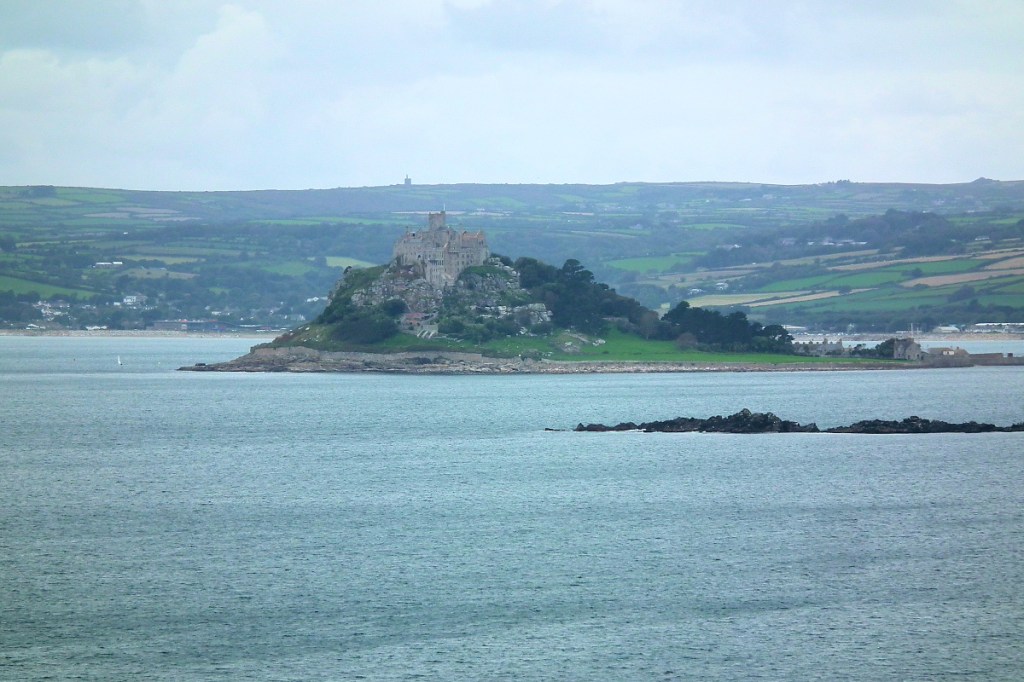
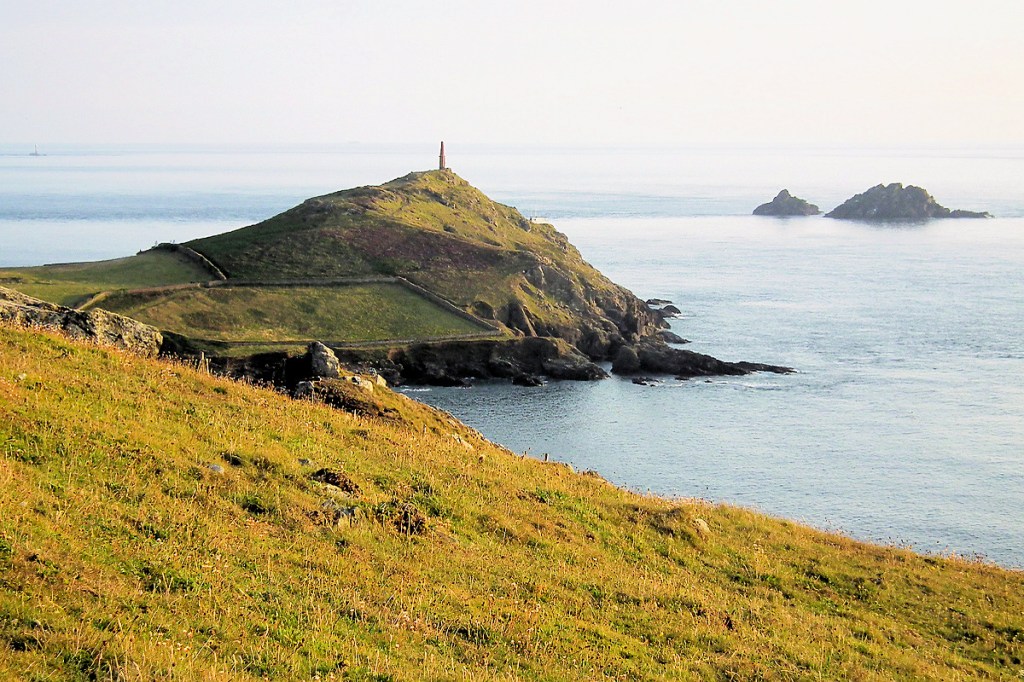

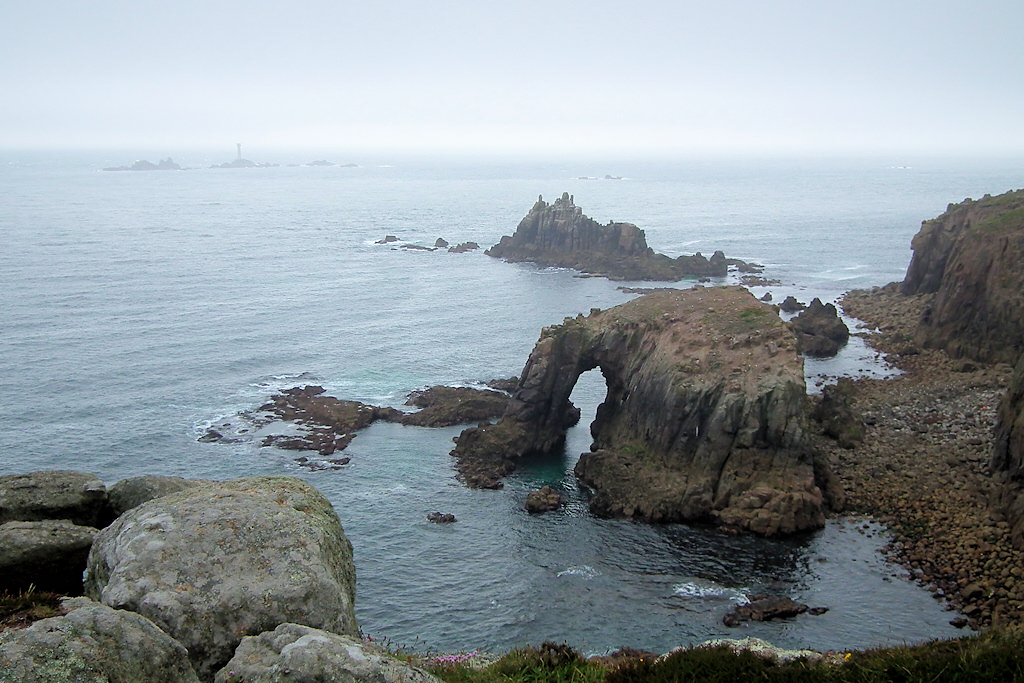


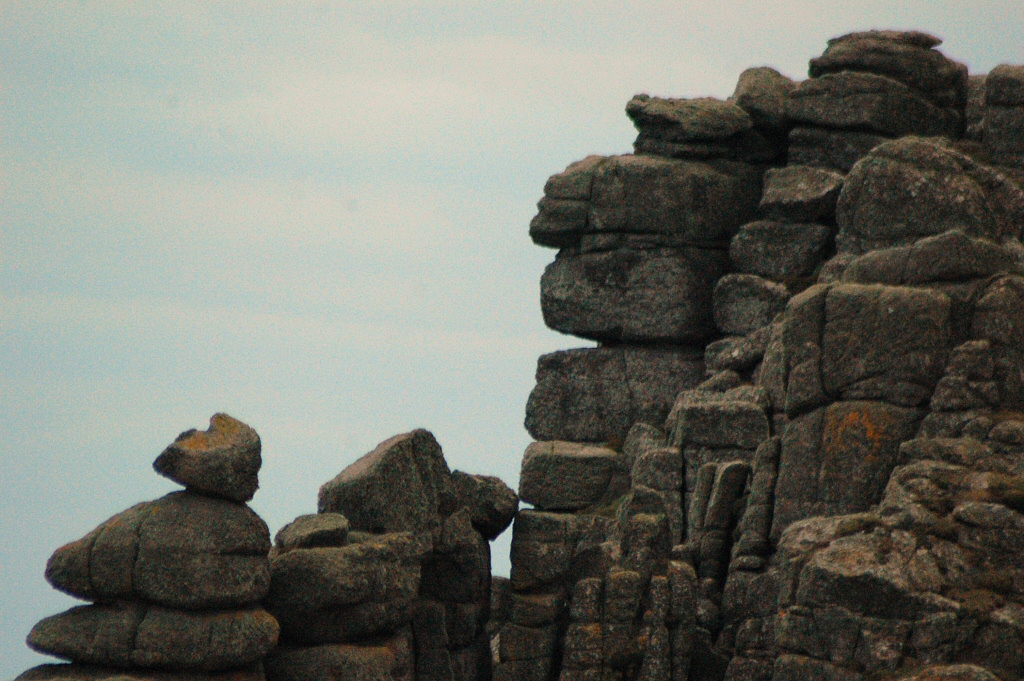
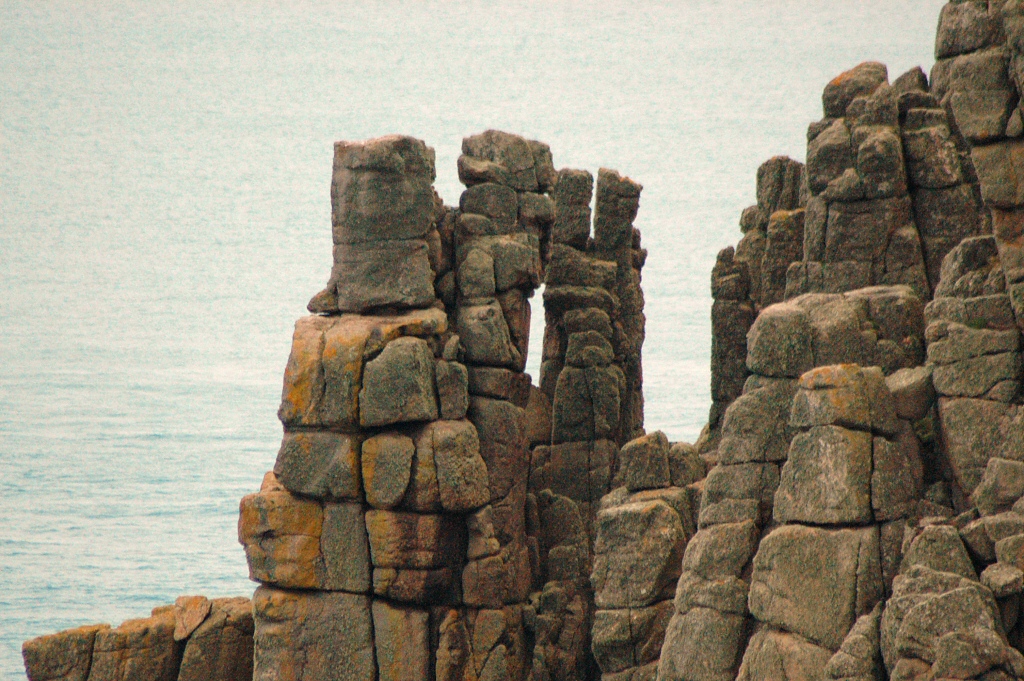
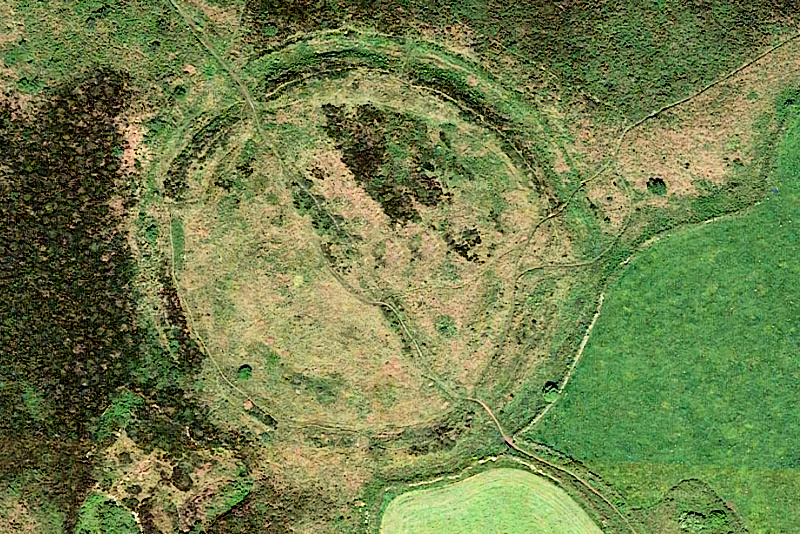
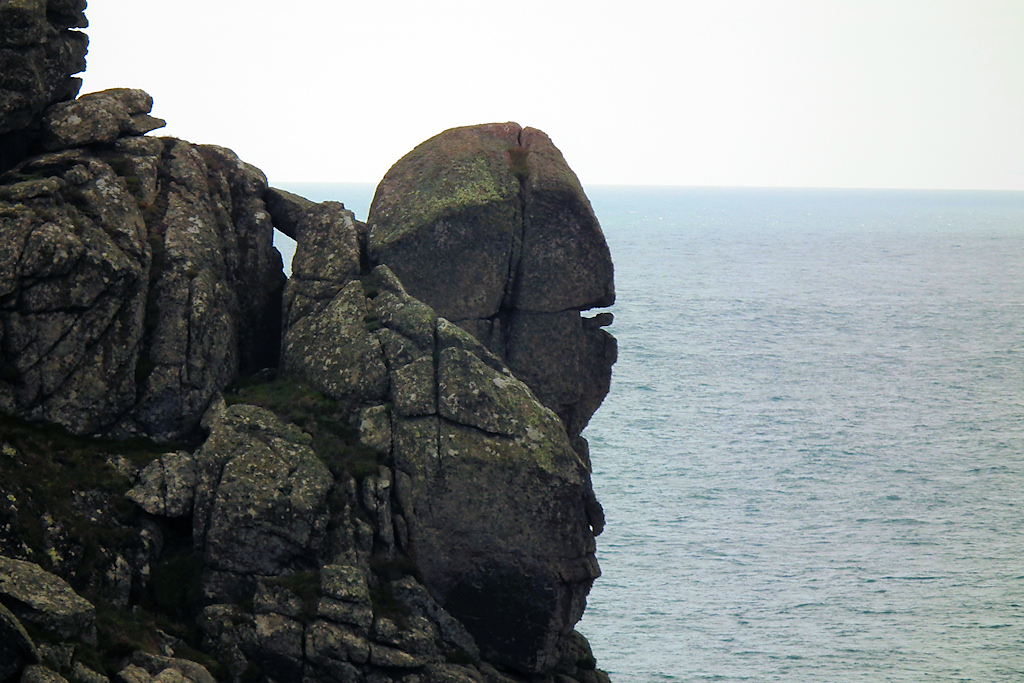

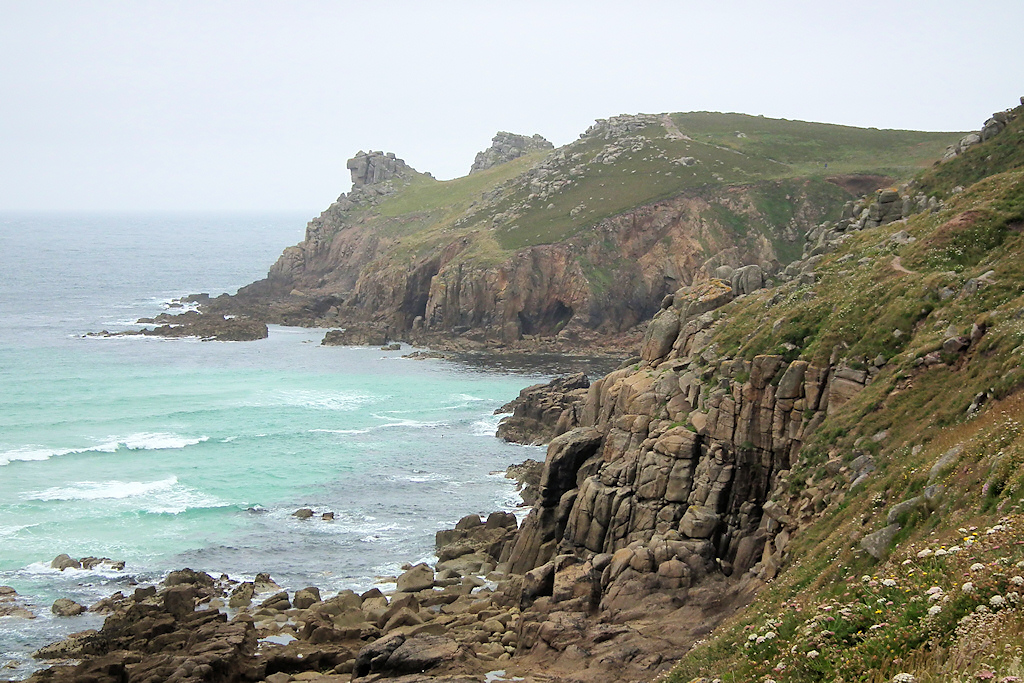

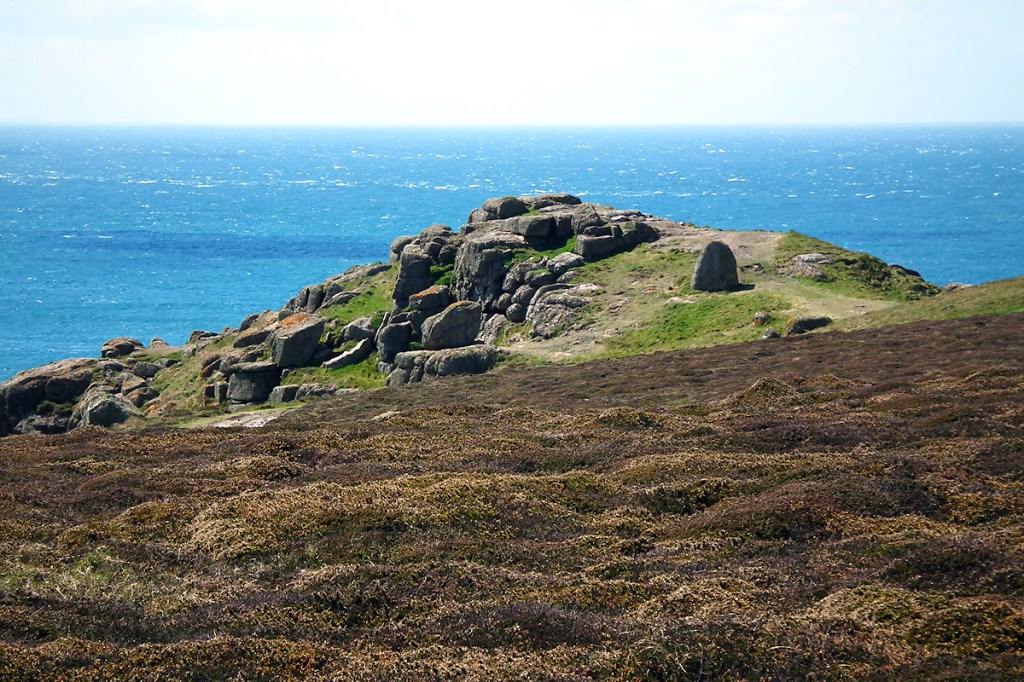

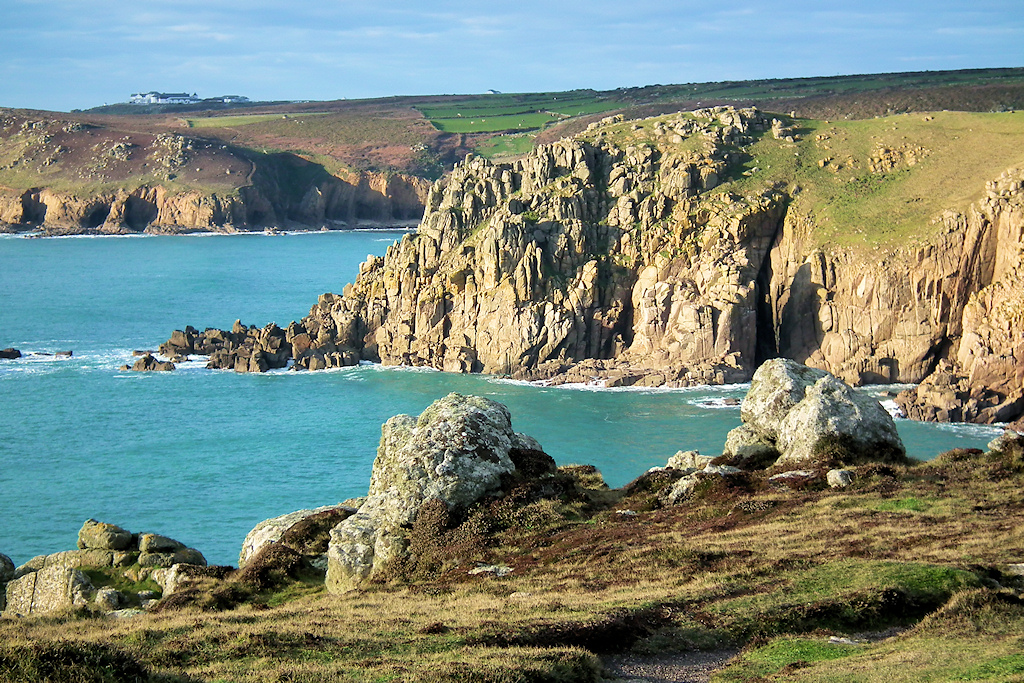


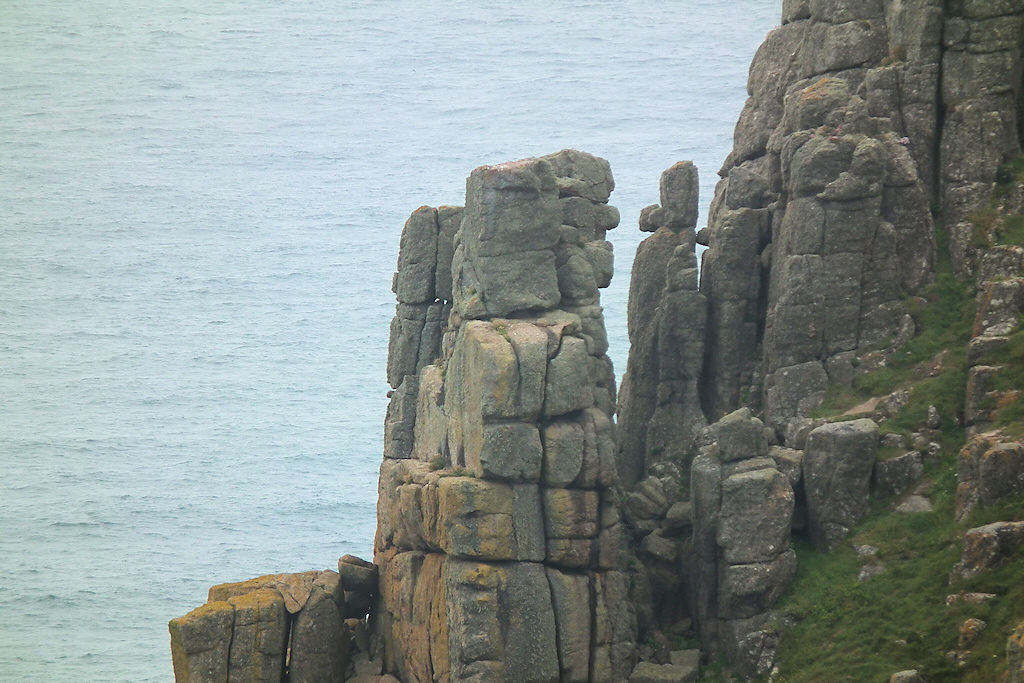
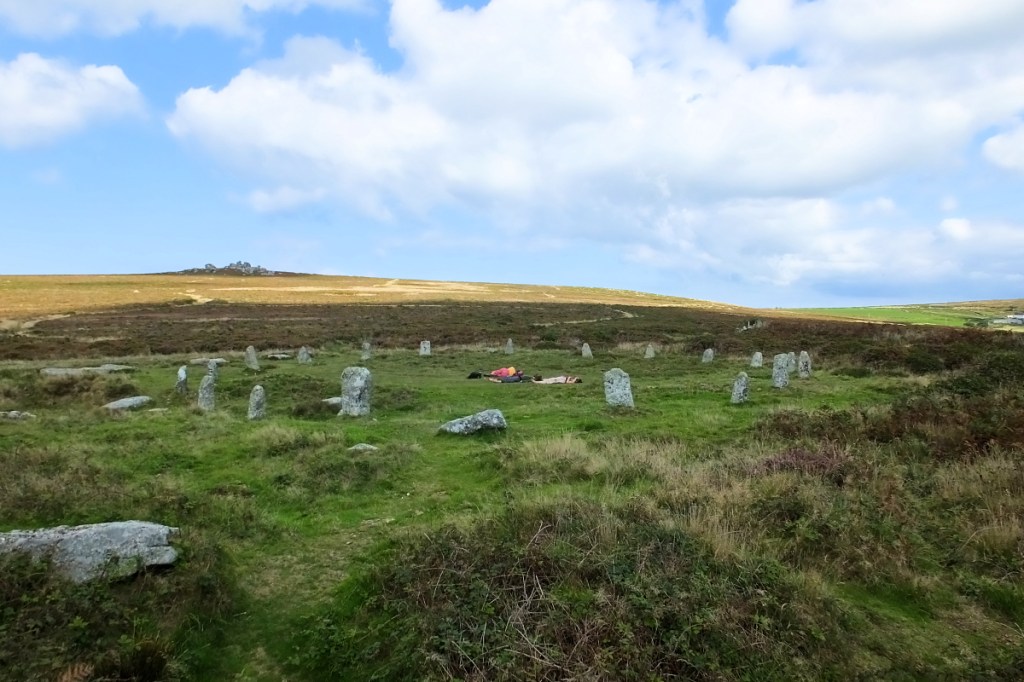

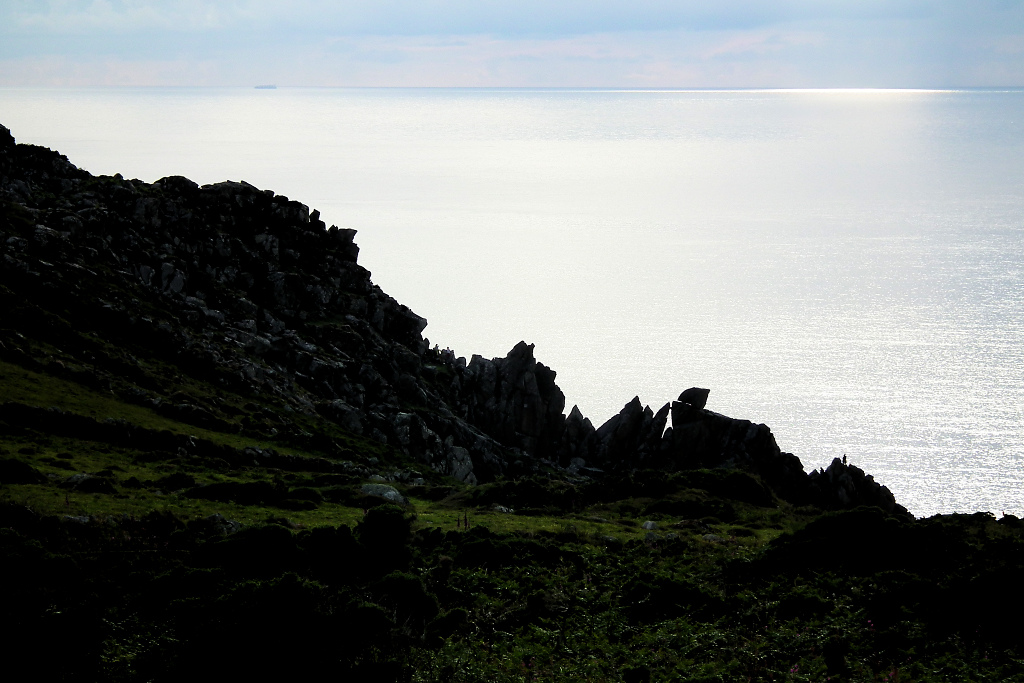
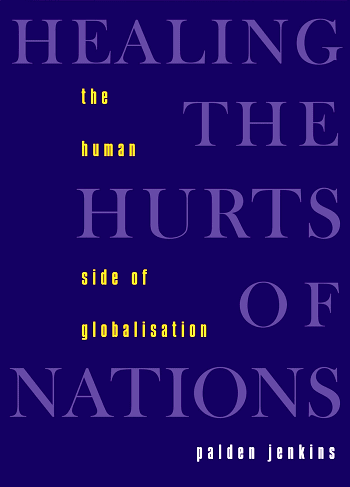


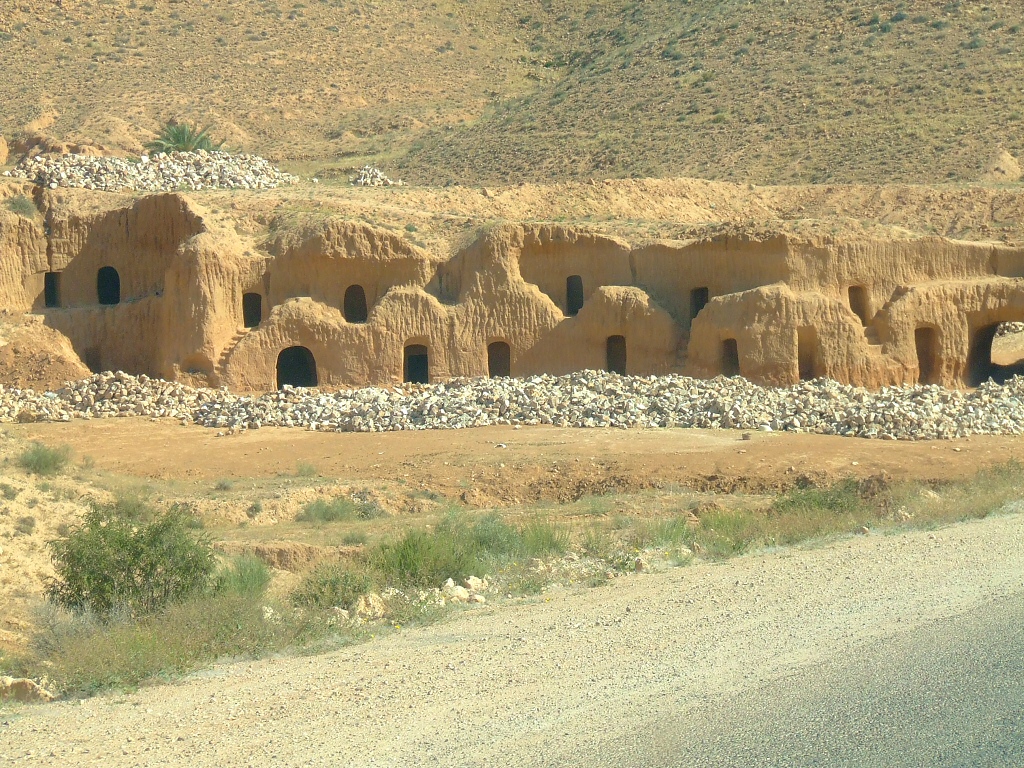

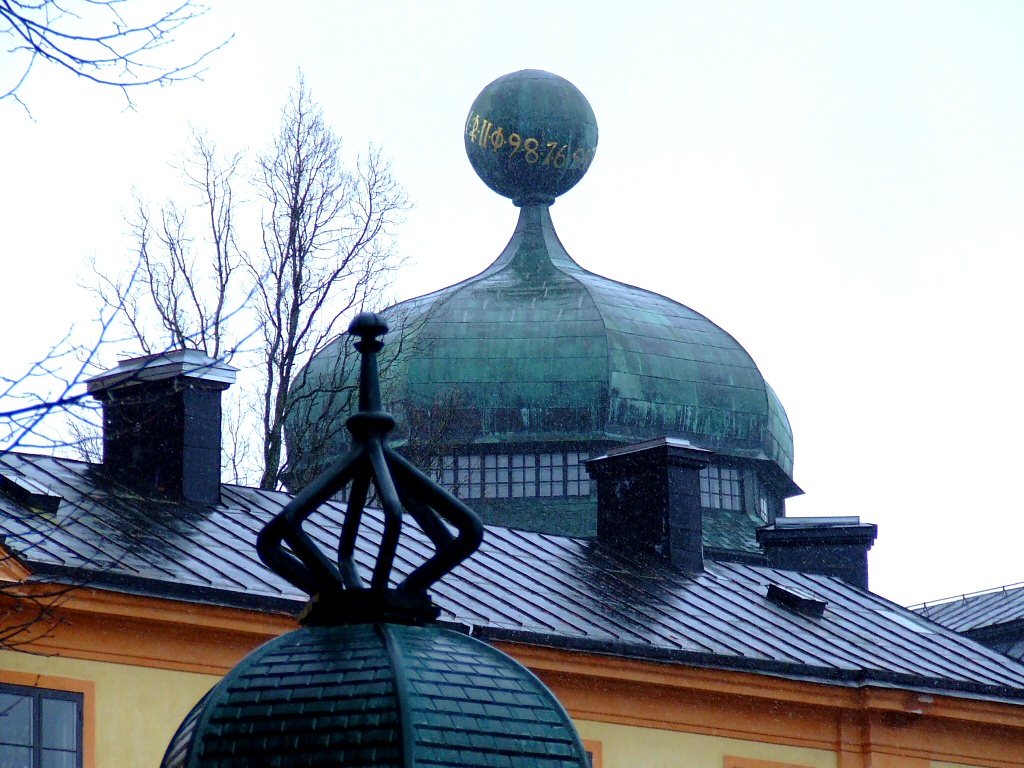
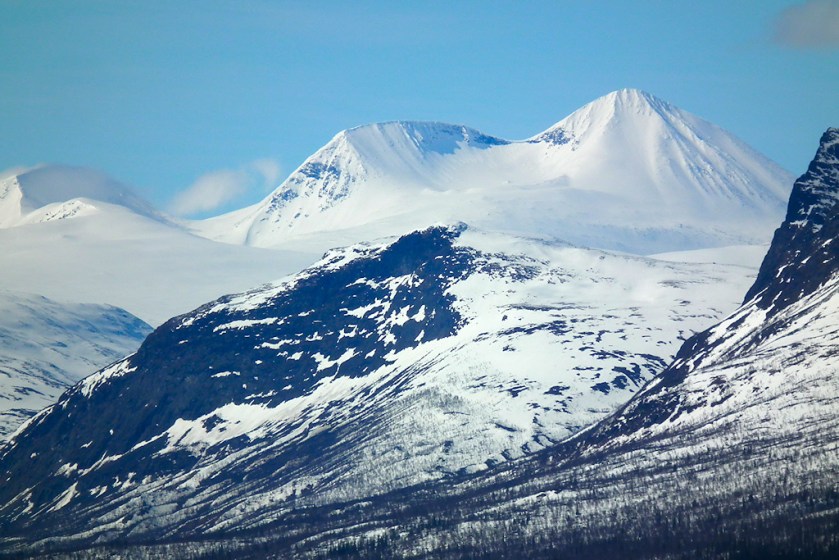


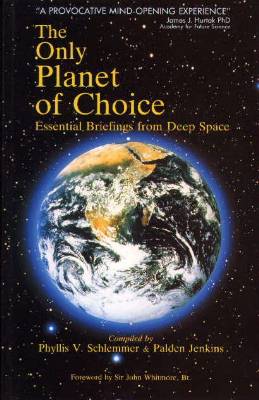


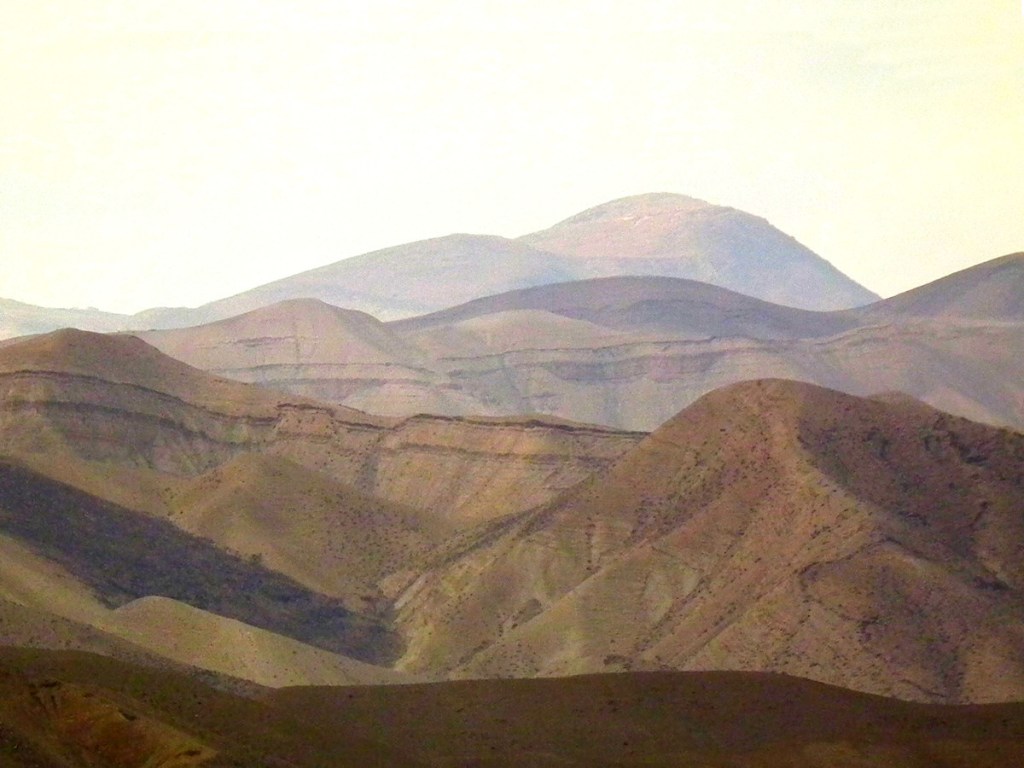


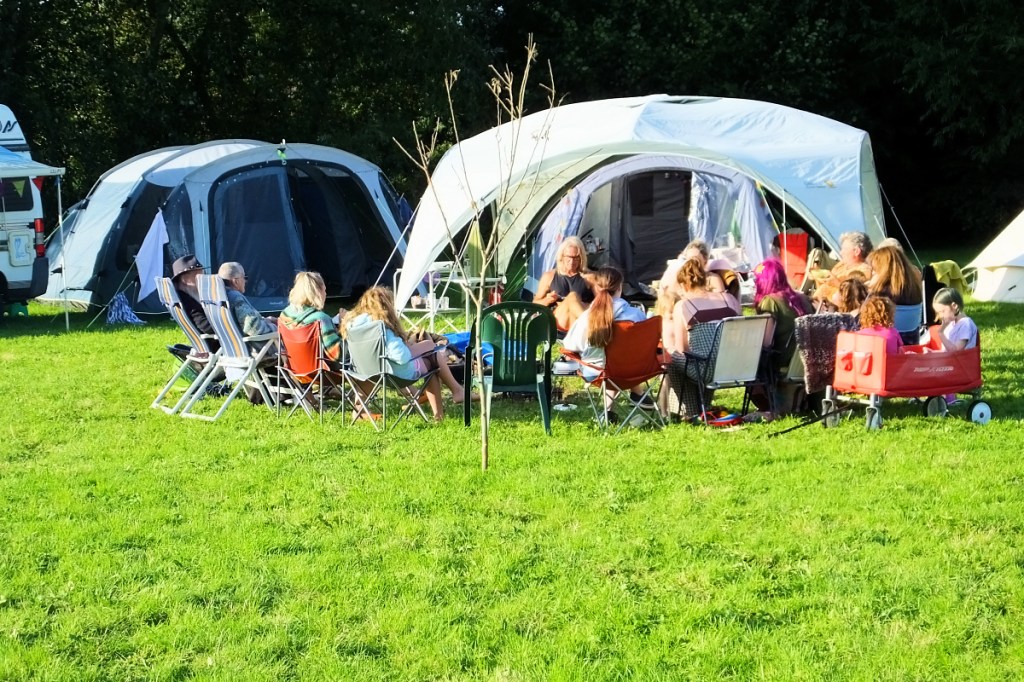
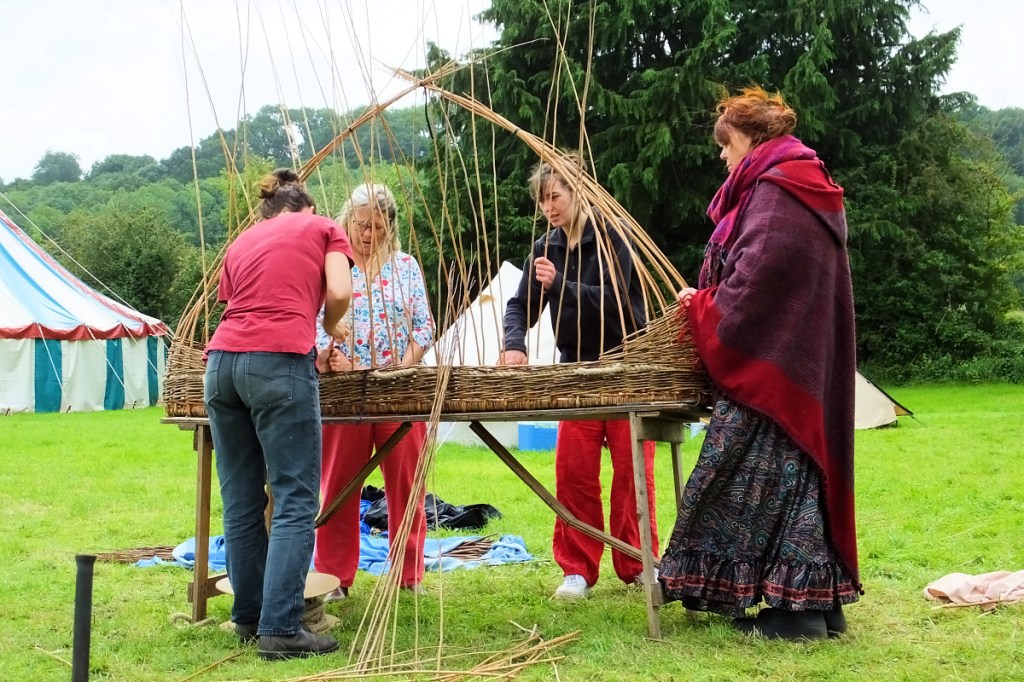

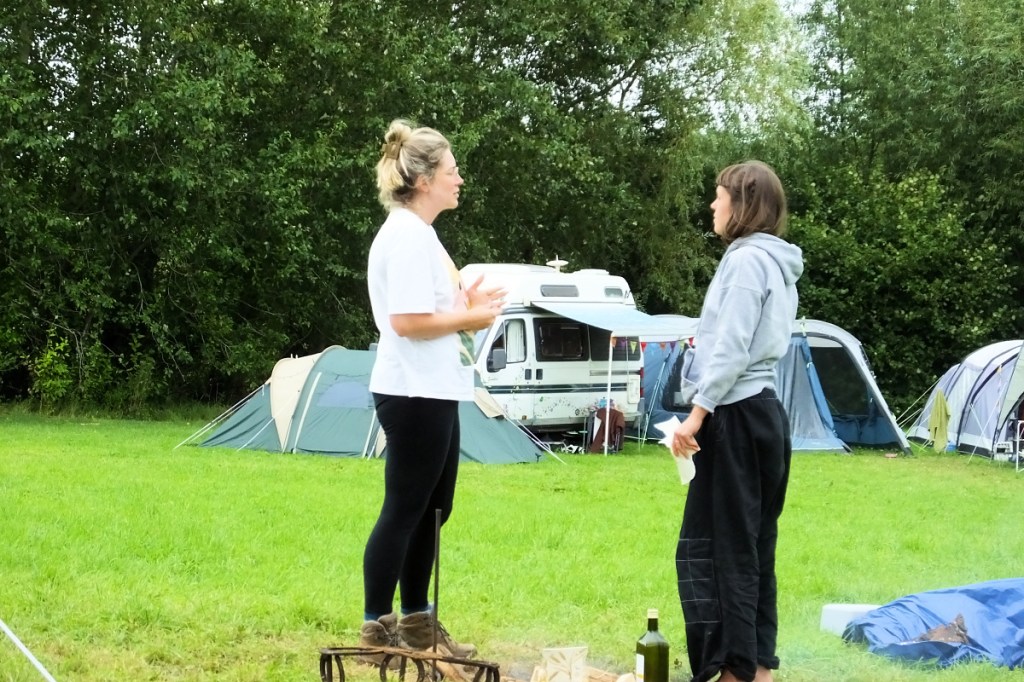


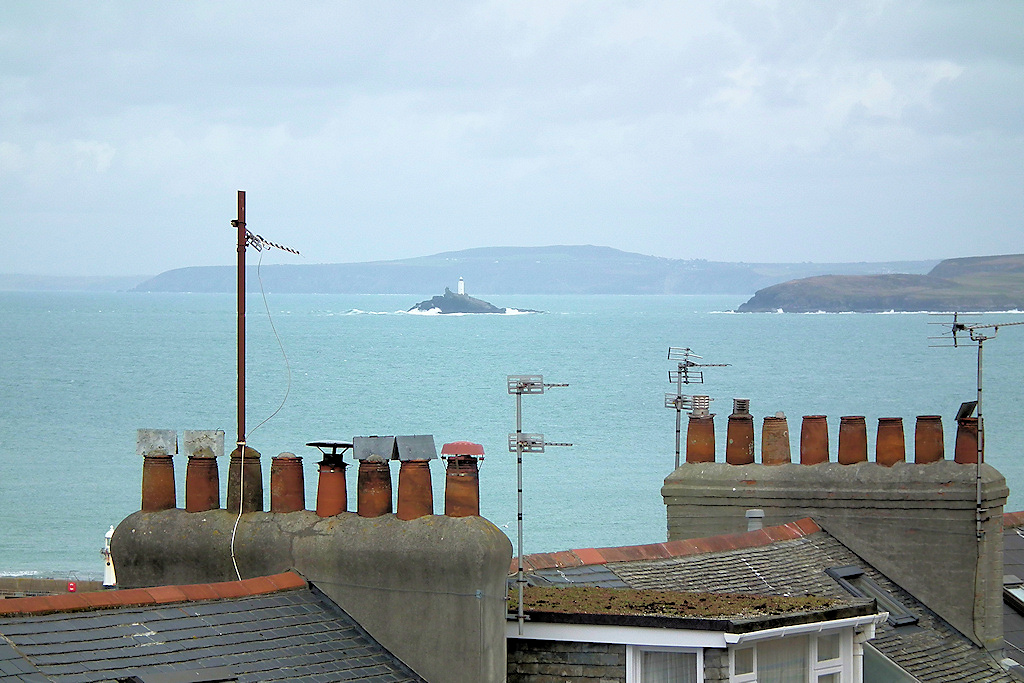

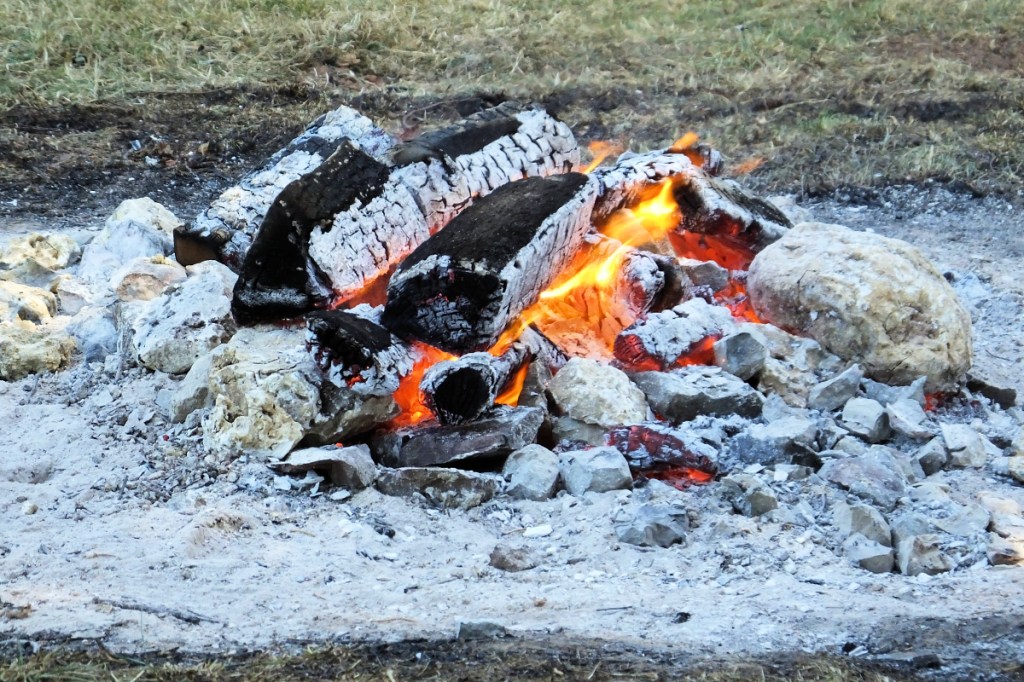
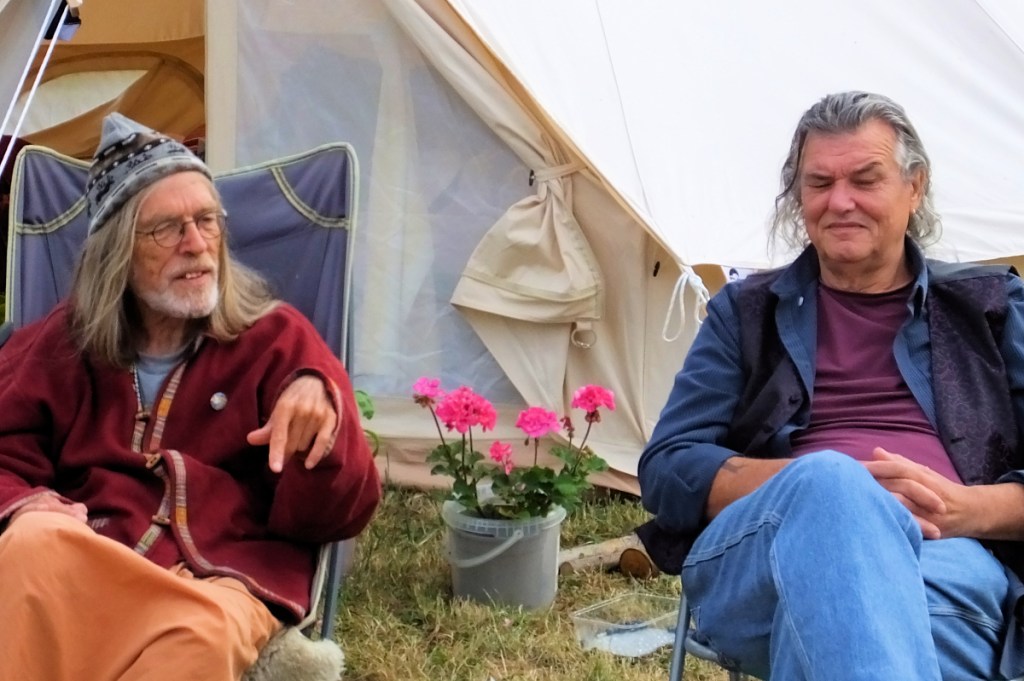
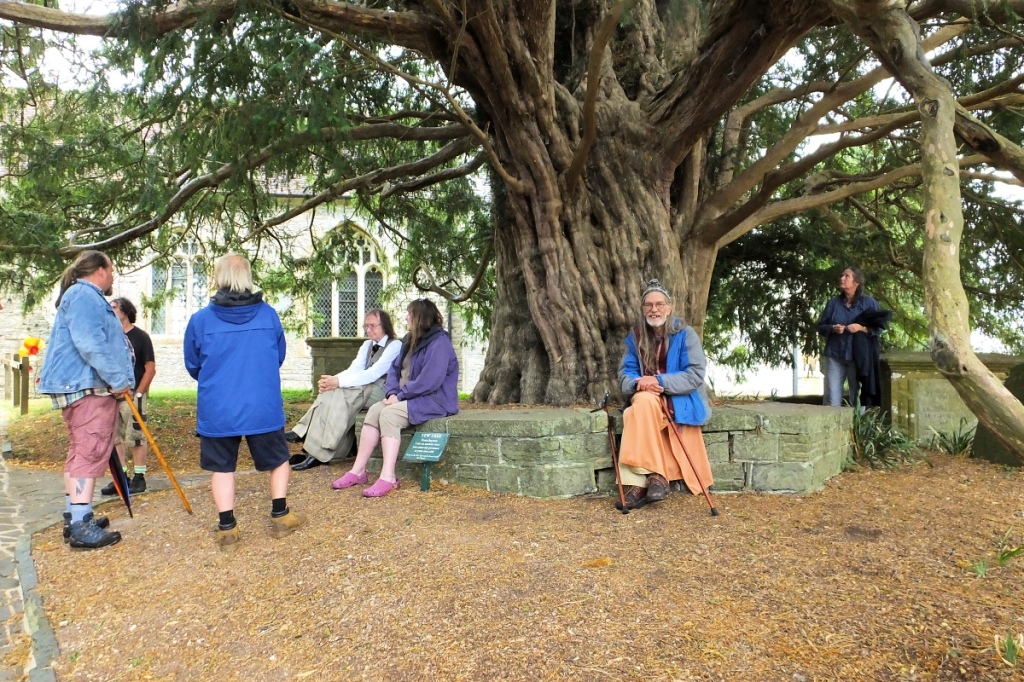


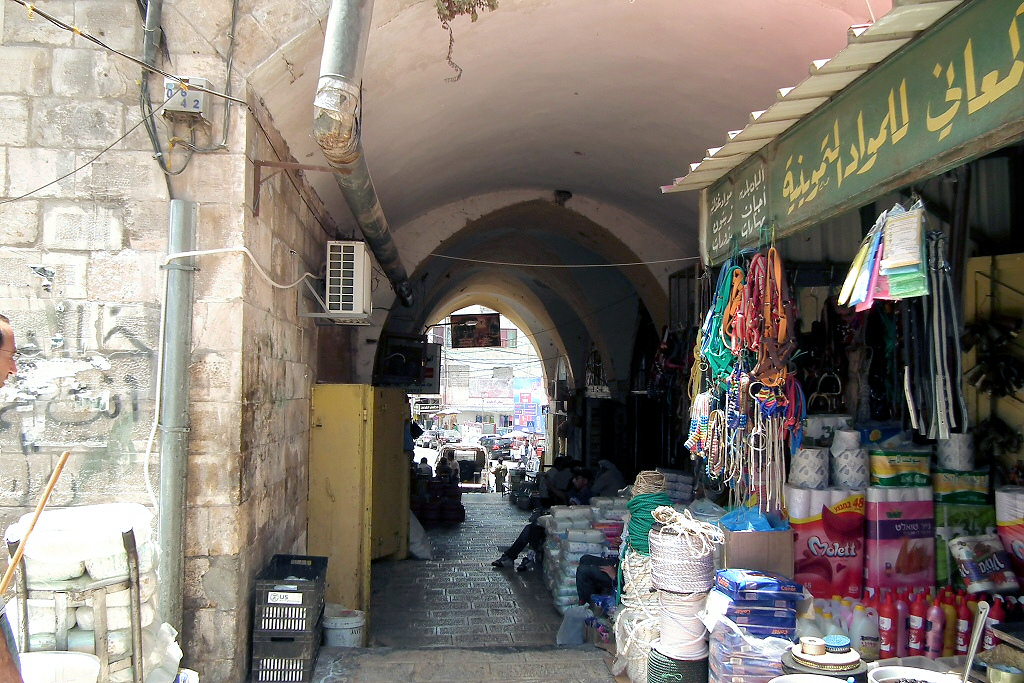


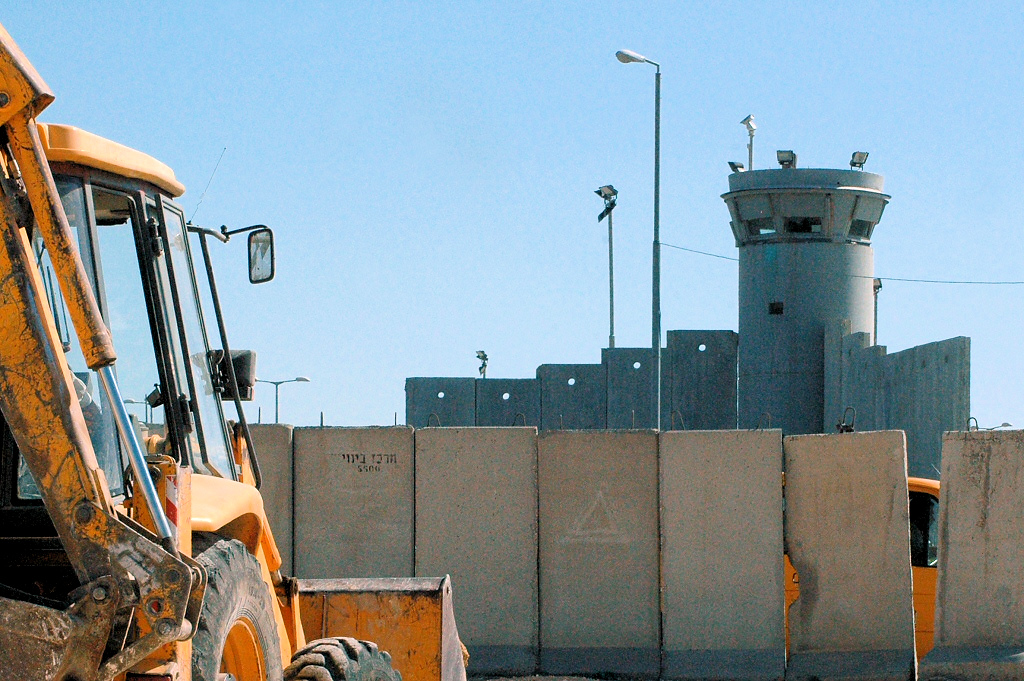
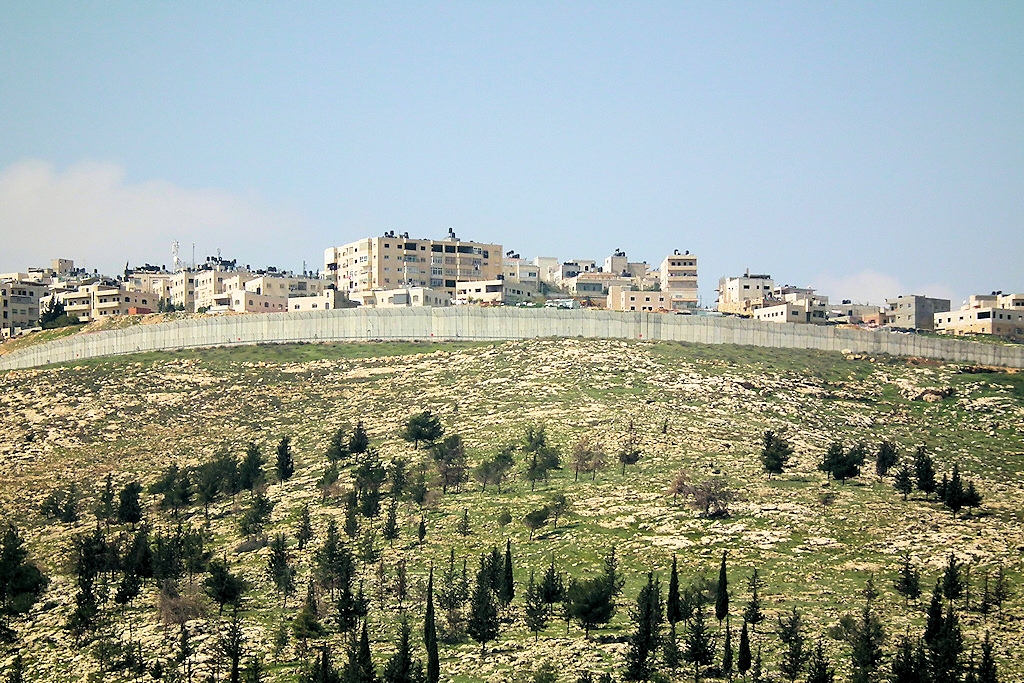

 Notes from the Far Beyond
You must be logged in to post a comment.