Bombs are falling, strongmen are flouncing their stuff and the Megamachine happily strafes another family. It looks as if everything is going wrong.
In a way, it is, though not quite. These are the growing pains of the global community. We are learning how not to do it. And there’s more going on underneath.
Perhaps you could call this psycho-spiritual geopolitics. Or parapolitics.
I wrote this piece in 2003 on the buildup to the Iraq War and it’s pertinent to give it another spin as the Iran War unfolds. It’s an extract from my 2003 book ‘Healing the Hurts of Nations‘.
That’s what this is about. The unconscious pain, guilt and shadows in the psyches of nations, which cause them to act as they do. And what we need to do to deal with our divisiveness and wars.
With sound collected from the birds of Grumbla in Cornwall, on an early February morning this year, 2026.
Thirtysomething years ago I had the privilege of working with a bunch of (for want of a better term) cosmic beings called the Council of Nine, compiling and editing a book for them, ‘The Only Planet of Choice‘. They dropped in loads of remarkable insights and here’s a bundle or two of them. Some readers might think this stuff far too way out, or utter garbage – so use your freedom of thought and intuitive discernment here.
Planet Earth is very different from other worlds. One factor affecting this is its gravitational density and the intense physicality of our lives on Earth. This has had a troublesome, diversionary and downward-pulling effect on human consciousness, with the result that we tend to forget why we came and what we are here for. We get lost in the daily round and in our psycho-emotional stuff, losing our connection with spirit. It has made human history into something we can be proud of and also we ought to be ashamed of it.
Over the centuries and millennia we have institutionalised this situation, making it our default behaviour, such that waking up to the heart of the matter has become an exceptional, dissenting thing to do, with difficulties and sanctions attached. This is further exacerbated by historical factors such as the control agendas of dominant elements in society and the compromised submissiveness and conformity of the majority. We’ve given power to fear, guilt and shame, clamping our spirits and clipping our wings.
There’s another issue too. As a planetary race, we did not start our evolutionary journey together as one tribe or family, originating from one single source, as is the case (according to the Nine) with many worlds, cultures and civilisations throughout the universe. Humanity has physically evolved in a Darwinian sense, with periodic non-Darwinian seedings and tweaks from outside, as part of a hybridisation project. Such discreet interventions have helped us evolve in consciousness, culture and technology too, though in quirky and sometimes dangerous ways.
The aim was to breed a new kind of conscious being that could be at home in denser and more experientially-diverse conditions than ever before. The idea was to draw influences and souls from throughout the universe, throwing us together on one planet, in the hope that we might co-create something new, different and never done before. We were to become a new kind of individualised, enspirited, dense-physical, humanoid-type being.
So Earth has become rather like a New York or a Singapore in experiential terms – naturally and intentionally multicultural. Living in different cultural realities and localised mini-worlds, we have been bumping up against one another throughout history, becoming changed in the process. The end-game of the modern phase of Earth’s history is to get all these cultures and individuals to come together as one planetary race – a race that is capable of managing its own world and making something of it.
So now, by 2025, we have created a world system, criss-crossed with cables, shipping and air lanes, and humanity now needs to catch up with all that this means. Nationalist and isolationist feelings are a symptom of a stop-the-world reaction to this historic mega-trend. As usual, we walk into the future facing backwards, more concerned about what we’re losing than what we’re gaining.
Also, life on Earth is always a mixed bag, and experiencing this is part of the grinding process that hones the soul. It faces us with choices – sometimes big and deep ones – and that’s what we came for.
They called for volunteers – this wasn’t conscription – saying that living on Earth would be difficult though potentially rewarding – a fast-track way of honing the soul. We would be given individualised free-will – a capacity to do whatever each of us feels best. As incoming souls, we felt that we could maintain consciousness sufficiently to fulfil our purposes in signing up for this project. At first we had that kind of clarity about life that you sometimes get when you’ve been on holiday, done ayahuasca or been on a meditation retreat – but then, when you get home, the pressures and complications start, and the main agenda gets set aside for another day, when there’s time… and we get lost again.
Over time, more and more souls came, as individuals and as groups, creating a population explosion in modern times. It has become a mass-migration, rising into billions, and fresh souls are still coming. (At one point the Nine said that Earth’s optimum population is around 200 million, not 8-10 billion, though they also reckoned we could manage such high numbers if we did it right.)
We now have a situation where we have billion of souls on one planet, yet in very different worlds. Multiplicities of them. This diversity happens on the same street, even within families. Diversity doesn’t have to mean dissonance yet currently dissonance is strong, and this matter is going critical. Not least because, on a deep psycho-spiritual level, dissonance makes divide-and-rule easier, and arguing has become pandemic in scale.
The consequences of dissonance have been highlighted in Gaza. Palestine/Israel is a microcosm of the whole world – divided, and not just two ways. This microcosm business is a key reason why this conflict matters so much to so many people. It holds the world down. Around 12 million people are holding 8,300 million back. Yet equally, if it is resolved, it could lift up the whole world. And this isn’t really just about Israelis and Palestinians – at root it’s about people and the Megamachine.
Neither is it a simple equation of one side as badguys and the other side as goodguys – it’s far more subtle and convoluted. Yet it polarises around Israelis and Palestinians because we have a habit of dehumanising others, lumping them together into a mass of horrible, fundamentally different people who threaten our happiness or our very existence.
Israelis and Palestinians, bless them, live in very different worlds, to the extent that people on either side just cannot see what it’s like being on the other side – except for some brave souls on both sides who are willing to step outside the confines of groupthink. We all variously do this dehumanising thing, justifying ourselves by making others wrong, but Israelis and Palestinians have an acute and persistent case of it.
They aren’t even in the same conflict, though they live close together in one small ‘holy’ land. It all boils down to the way we see things – especially when we get het up, losing our patience and tolerance.
This is why, in peacemaking, it isn’t possible to propose nice, sensible diplomatic solutions to which everyone can easily agree and comply, point by point, so that we can all go home and forget it. They’re fighting different wars, committing different suicides. This stuff, this shadow, goes so much deeper.
Plenty of shadows lurk in the collective psyche of virtually every country and social grouping worldwide – some of these ghosts are dormant, some simmer and some are heating up.
At present, globally there are few encouraging signs of mass healings and breakthroughs, and this leads to a creeping sense of disillusionment and disappointment across humanity.
If anything, the main factor currently pacifying conflicts seems to be exhaustion – sheer weariness. That’s not resolution and healing, but it can allow feelings to cool to manageable levels. Social-cultural healing can take decades, but there comes a point where both sides see that healing is cheaper than the price of continued conflict.
So it’s all a matter of what happens after open conflict ends, and whether a momentum of progress can be built up. It requires a time of confidence-building where each side has to restrain itself, even during touchy moments. In some respects this demands more bravery than in times of war, since there’s a courageously resilient madness to warfare that subsides with peace, once people get used to sleeping safely in their own beds.
Deep down, many Palestinians understand the pain Israelis feel over the pogroms and the Holocaust, but it was Europeans who did this, yet Arabs are being punished. The Arabs of Gaza, the West Bank, Jerusalem and Israel are divided by circumstance, permits and walls. There’s a tug-of-war between negotiators (Fateh) and resistance fighters (Hamas), and neither is winning or compromising. Recent events have stumped the negotiators and decimated the resisters, and many Palestinians feel rudderless and stuck in a tightening vice of diminishing options. Top to bottom, Palestinians are hurt, dismayed, upset, unsure what to do next.
Meanwhile, Israelis feel deeply hurt and shocked, and for entirely different reasons. Zionists, centred in Jerusalem, are hurt and angry since their God-given right to the land of ‘Greater Israel’ is being obstructed by an interfering world filled with Jew-haters – and Arabs ought to get out of the way. Meanwhile the ‘peace camp’ centred in Tel Aviv, themselves hurt, diminished and stumped, have lost much of their trust in everything and everyone, preferring life inside a missile-protected beachside bubble.
Historic Jewish insecurities have genuinely been reawakened, with some Israelis lashing out, others recoiling in dread and many stuck, confused and afraid. Something fundamental has dislodged in the Israeli and the international Jewish psyche, and something ill-judged and disproportionate has welled up in the attitudes of non-Jews toward Jews.
Israelis and Palestinians sit in fundamentally different worlds, each with different ways of dehumanising the other. As do those who support either side, around the world. Palestine activists need to stop belly-aching about genocide and rights and actually support real-life Palestinians directly with friendship, money and contact. Meanwhile, those who bang on about anti-Semitism need to forget it, and those who deny or ignore it need to remember it, deep in their hearts.
It’s a reality-conflict, projected on others yet reflecting what’s going on inside all of us. It’s about far more than just Palestinians and Israelis.
But there’s a flipside. Conflict and hardship can be so crazy, tough and senseless that it leads to a kind of rapid de-traumatisation, an epiphany, a deeper change of heart and optic. This happened after WW2, with the founding of the UN, the EU, the welfare state, the beginning of decolonialisation and of the urbanised modernity we now take for granted.
That ‘rules-based order’ is now getting shaken up and we have entered a slippery phase in which things are accelerating to a point where none of us really knows where we stand any more. We’re being forced to let go of past structures, habits, heroes and normalities. We’re being ground down.
The key issue is that we need to get on with each other.
Otherwise nothing else can get resolved. So, from a planetary-evolutionary viewpoint we’re at a really critical tipping point in history. We have come from very different worlds across the universe, developing very different cultures here on Earth, and we now have urbanised ourselves into multicultural melting-pots – 60% of humanity lives in artificial cities over half a million in size. This, plus increasing global migration, is humanity meeting up with itself.
The whole universe is watching, and it means a lot to them – not least because we’re their relatives. They will not intervene unless it is absolutely necessary (think of the ‘prime directive’) because intervention will override the purpose of the whole planetary project – to find out what happens in a dense-physical world run according to free-will rules.
Besides, I don’t think they really know what to do with us. They really need us to sort ourselves out.
We humans have become hyper-reactive, complex and dangerous – we even fight over toilet rolls. When they give us prompts, gifts and clues – subtle interventions – as a whole we tend to ignore, corrupt or misuse them. Or we resist. Or we create complex diversions and avoidances.
It’s all to do with seeing beyond our own little worlds, stretching ourselves and seeing things from another viewpoint. This is difficult right now, since our divisiveness has gone viral. Every society has a kind of concussion, dogged by past trauma and by the intensity of change happening now in these times. All societies have a consensus problem, a solidarity problem and a leadership problem. Old answers aren’t working, even though we keep grasping for them. Yet, strangely, this parlous situation is a necessary part of the change process – and there’s further to go.
We no longer need a rules-based order. We need an integrity-based order.
Some are moved to weaken and destroy the old rules-based order, but on the whole they do not know how to create a system based in integrity. Meanwhile, oligarchies cannot reform systems from which they themselves benefit, and which protects them from a latently angry world public.
So change needs to start from bottom up, and increasingly, fitfully, valiantly this is happening more and more. But to do so, ‘the mass of humanity’ needs to develop a certain maturity, forgiveness and a set of basic common standards. The Hindu rule of ahimsa or non-harming is one such standard.
This is why the imagery of devastation emanating from Gaza stirs so many people worldwide. Such devastation has been seen before but Gaza hits a nerve in the global psyche – especially in the Global South. Gazans have hit bottom. A fuse is close to blowing in the world psyche and in the geopolitical arena. Gaza is like a magnifying glass, exposing all sorts of agendas, shadows and cobwebs underneath.
At present there’s even a possibility of a sudden, house-of-cards tectonic change in world geopolitics – as a pragmatic and rapid adaptation to an avalanche of facts. This might lead to coffee and toilet roll shortages: it will affect everyone and force changes that, if truth be known, really need to happen.
We humans are up against the consequences of letting things pass when we know we should have drawn a line, many times throughout history. The ‘war to end all wars’ should have been like it said on the tin. We’ve got ourselves into a global-scale historic mess, imprisoned in self-created default behaviours, laws, regulations, systems and self-defeating patterns.
This has framed itself around Israel-Palestine because it’s not just about Palestinians and Israelis. It’s about the world’s capacity to decide what’s best. This hundred-year conflict would not exist without the interventions and manipulations of foreign powers that have fuelled it and failed repeatedly to address it. Too many bombs, too little wisdom.
It boils down to a touchy geopolitical question that we face in coming decades: the capacity of nations and the ‘international community’ to interfere in the sovereign affairs of individual nations, when necessary. And who decides?
Take this a level deeper, and it concerns our capacity as a planetary race to run and organise our planet. Doing so involves facing all of the big and small problems we have – an enormous task, yet it’s unavoidable. This would be a critical step in human evolution – a rite of passage and a triumph of global solidarity, based in disagreeing agreeably, bridging differences and staying focused on the main priority – getting the world back on track and making it a safe, fair and happy enough place to be.
There is a solution to all of this that the Nine mentioned quite often, and it isn’t new. It’s a simple, easy-to-understand yet profound method for achieving an integrity-based order, and it applies to everyone, at all levels of the human pyramid.
Treat other people as you wish to be treated yourself.
If we did just this, Earth would be a very different place.
All about the warfare, strife and trouble we find ourselves in today – the thoughts of an old peace-freak.
A Palestinian Dove
It’s like a virus in the world psyche, ready to pounce on any population that’s losing its way, or damaged, or hurt, or susceptible.
Yet some societies are strong in themselves. Even if they are invaded and occupied, they are not beaten.
What stops many wars is a deep tiredness, a wish to go home and get a life. A societal consensus forms, building resistance to the virus of conflict – an unspoken immunity that decides not to go back there again.
In this episode there’s a moving contribution from two old friends, the late Jaki Whitren and John Cartwright of the Court of Miracles, the greatest rock band you never heard of. They’re making music in heaven now.
Introduced by a stream in Botrea Woods and outroduced by the wondrous birds of Grumbla, Cornwall.
The seventh Aha Class, in Penzance, Cornwall Weds 12th March, 6.30pm, at The Hive
A settler incursion and tricky situation in the historic souk in Hebron, Palestine
Inner journeying, meditation, remote healing and peace-building. Doing our bit toward tackling the world’s problems – instead of wringing hands and feeling helpless.
In recent times many of us have been moved to join meditations, prayers and link-ups when major crises break out. Waves of mass empathy and concern over such crises can have a wide and deep psycho-spiritual influence – it goes deeper than mere ‘public opinion’.
Praying for peace or showering light over a benighted area are good, though often they are of a generalised nature. They can affect the collective psyche and sometimes help swing things.
But it’s possible to get closer in. It’s possible to penetrate actual situations and play a more targeted part in them – literally rescuing people or souls, or participating in situations, meetings and crux-points at the frontline of human experience.
That’s what this evening is about. This might be a valuable inner tool to add to your repertory. This is not ‘lightworking’ but spiritual humanitarian work – bringing in truckloads of spirit, rescue and healing.
This is not simple. It carries responsibilities, and it’s not a matter of imposing our wishes – benign or biased – on world situations. The key issue is to help humanity learn, to become more aware in making the choices it makes, for the longterm resolution of what are often deep-seated problems.
In the first half of this evening, I’ll outline considerations and issues involved in such work, how we choose issues and crises and work with them, and the blessings, delusions and dangers involved and what it’s all for.
In the second half we’ll go on an inner journey to work with a particular area of focus that is currently afoot in the world. (And, first time round, we won’t be working with polarised Trump-related issues!)
You might or might not wish to go into this kind of work but, even if you don’t, world situations do come up at times, touching our hearts, to which we respond, and inner journeying (conscious dreaming) is one way we can play a part in world affairs as situations arise. Once you get the gist of it, it can be applied in areas that interest you – socio-cultural, ecological, geopolitical or simply encouraging forward-moving change.
If you’ve done this kind of thing before, this class might help you clarify a few things and take it a step further. If it’s new territory, it’s a good place to start.
Since most of you will not be able to come, audio recordings will be posted online within days after the class (no charge) – just follow the link below. Recordings of all of the Aha Classes can be found here.If geopolitical healing interests you, you might find this site useful: The Flying Squad.
Twelve years ago I wrote a piece in one of my Palestine blogs about the British period of occupation of Palestine. For some of you, it might throw some light and perspective on how this mess in the East Mediterranean all started.
This morning I fell upon it and it struck me that it might be useful re-posting it now.
So, if it interests you, try this (it’s a five minute read):
It’s a chapter from one of the three Palestine books I wrote back then. This chapter is from ‘O Little Town of Bethlehem‘, a book that hasn’t been published in print but it’s available as a PDF, as is ‘Blogging in Bethlehem‘. ‘Pictures of Palestine‘ was published in print though. They’re all available through the PoP site.
This is interesting. It’s written by an old friend who is himself involved with helping out in a freelance-humanitarian sense with Gaza. But this is something that anyone involved in conflict resolution, or in any kind of change-bringing commitment, needs to ask themselves: what is it that drives me to do this?
It came up for me too. In my case, my maternal grandfather was in General Allenby’s British invasion force in Palestine in WW1, my father was in Egypt in WW2, and I have Roma and German (though not Jewish) ancestry – Holocaust stuff. That’s what I’ve identified in myself that hooked me into it.
But also, growing up in a polarised and violent city, Liverpool, in the 1960s, played its part – overcoming the effects in myself of being bullied in early life. We teach best what we ourselves have had to learn.
If you have a bee in your bonnet about particular issues, driving you into activism, it’s worth looking into your ancestral background and your history. It can help make it all more conscious.
Many Palestine and other activists would do well to look at the emotional source in themselves of their despair, anger and commitment, because this will help them become more effective, tactical and compassionate in pursuing their vision.
It’s important because issues like this will not be resolved overnight. Yes, a ceasefire has been needed and is still needed, but a ceasefire without resolution of fundamentals might not be the best thing. Sad to say, sometimes the horror has to get worse, until a point comes where peace and resolution are the only options left.
We need to own up to the perverse fact that many of us worry about Gaza and similar places only when blood and horror happen, impinging on our comfort-zones. But actually, the reason why blood and horror happen rests on causes that are brewed and fermented during quieter times. If we’re going to succeed in a mission such as peacemaking of conflicts that have deep roots, it has to be sustained in the longterm.
And here’s an awkward truth. If campaigning for our beliefs polarises society, then we shall fail. Because if others have different beliefs, thinking of them as nasty ‘them’ people itself lies at the root of conflict. People who are anti-anything, who wish to ban things or people, and who dehumanise people with different viewpoints, become part of the problem they’re sincerely trying to resolve.
We really are all in this together, if we wish to resolve the fundamental issues that the world faces today. Peace will not come, and ecological and societal issues will not be resolved, unless we all work together.
This is not idealistic thinking. It is a very real socio-political issue. If we don’t get through this in the coming decades – global consensus-forming – then we’re fucked, really. War arises from polarisation, and there is little value in trying to stop war or save our world by polarising society.
Working to overcome polarisation and build bridges makes things more difficult. It means we must work longer and harder on this. It means we are challenged to walk our talk more consistently and for longer.
When the shooting and dismay stop, if everyone just goes home, back to normality, then peace will not come, because the matter is not sorted. And in this century we really need to sort things out, changing and ending the patterns of centuries and millennia.
That’s my thought for the day. However, there’s something else too – a new podcast.
ARTIFICIAL INTELLIGENCE | HUMAN INTELLIGENCE
I recorded this in January and completely forgot about it! That was a memory question. And that’s why it’s coming out now. I remembered.
Jean Piaget once said that intelligence is not about what we know, but what we do when we don’t know. How we figure things out when we’re in new territory or out of our depth.
The problem with AI is that it works by drawing on data and on what is known, on memory, and on the way things have happened thus far.
That’s not true intelligence. Human intelligence is better at dealing with the unknown. That is, if we humans act intelligently – which we do only occasionally.
So AI is unlikely to be as wondrous in its problem-solving capacities as tech-bedazzled AI cultists would like us to believe.
And there’s a hidden twist here concerning human intelligence – it’s in the podcast! Recorded in January 2024, down by an old silted-up millpond in the stream below our farm. 27 mins long.
CONSCIENCE AND WORLD CHANGE – a podtalk from 2007. It came out then on Glastonbury Radio.
Many people have been vexed over Gaza, Ukraine, Sudan and the parlous state of the world. It can give a really discouraging, hand-tied feeling of not being able to do anything about it.
This podtalk addresses the matters of conscience and moral sensitivity – personal and also across society and the world. It was broadcast during the Iraq war, when similar feelings were afoot for many people. It’s taken from a book of mine, Healing the Hurts of Nations.
It might hold some answers and put things in perspective, concerning these rather vexatious issues.
Originally it was a radio programme with a really good choice of music woven into it, but for copyright reasons I can’t publish the full version – and that was a two-hour listen, while the talk alone is one hour long.
Leave it for a time when you have some space for something thought-provoking. Because it is. It has some real gems in it.
I wrote this as a comment to a posting on Facebook about the Sunday meditations, and part way through I realised it was worth making a full post out of it… I seem to be churning out a lot of stuff right now but, don’t worry, I’ll calm down!
Groupwork at the OakDragon Camp. Are you coming this year?
There’s a definite reason why the timing of the weekly meditation changes in terms of clock-time, though not in natural time. When I was with the Council of Nine thirty years ago (I compiled a book for them), they asked the human group involved with them to start meditating regularly in coordination with them, and they gave us a choice about when it should happen.
We decided on Sunday at 7pm GMT – the most available time that could work for everyone living between the Middle East and North America. But when we wondered about time-changes on the clock, they asked us to keep the time constant (that is, in Britain, 7pm in winter and 8pm in summer).
When asked why, they explained that, since they are beings that do not live in a world or on a planet, they have a technical challenge creating a connection between the timeless zone they’re in and the time-full zone we’re in. We live on (or in) a spinning, solar-orbiting planet where the changes involved with time (day/night and seasons) are a major part of the Earth experience.
Actually, the technicalities of fixing this up are sorted out by a hyper-civilisation called Ultima or Altea. They are one of twenty-four hyper-civilisations that work with and for The Nine, covering different aspects of the universe’s management and in a manner of speaking acting as creation and maintenance crews. The Alteans live in a timeless realm too, but they’re closer to us than the Nine, metaphysically speaking, so they have a capacity to reach into our world to set up the energy-field, the zone, around this meditation.
This allows the energy-field around this meditation to be established and ‘held’ for that half-hour time-period, as we experience it here on/in Earth.
This matter of The Nine and the Twenty-Four is not a universal hierarchy – more a bundle of reality-bubbles of enormous proportions, with some toward the centre and others toward the periphery yet all of them interlocking and interlinked on a multidimensional basis.
What I’ve found fascinating over the years is the accuracy of timing of the meditation – it’s as if the field noticeably switches on at the beginning, dead on time, and it shuts off and closes exactly at the end.
I don’t know if anyone else has experienced this. There’s something about this half-hour time-slot which, when it ends, makes one’s meditation change back to a more ‘normal’ kind that we would experience when meditating at other times. There’s no problem with that since both kinds of meditation have their value and function.
You don’t have to ‘believe’ in The Nine to experience, benefit from and participate in this energy-field – they are not interested in picking up a throng of followers. They have spoken their truth in the book I compiled – The Only Planet of Choice – and that’s all they wish to say, because they prefer us not to follow a scripture or set of instructions – they want us to use our inner experience and inner senses to feel our way into a spirit-field that connects with the essence of what all faiths are addressing – minus the cultural claptrap that they can be encumbered with. They just want to help the people of Earth wake up and get on with the business we came here for.
Personally, I like and respect people who have their own beliefs and ways of seeing things, who can stretch beyond them to see the spirit and soul in anyone, or any culture or faith, and somehow embody their beliefs in their lives, especially in their actions – even if they’re labelled as terrorists, infidels or unworthy souls. As the Dalai Lama would say, we’re all trying to achieve happiness, each in our own ways. Though each culture and time of history has its own misconceptions of what happiness truly implies.
If you wish to read more about The Nine, start here: www.palden.co.uk/nine.html – but even this is not necessary.
A Palestinian lady at the Sulha, a gathering of peacemakers in Israel, in 2005
I recommend you simply go by your inner sensitivities. If you resonate with the energy-field around this meditation, then that’s all that is necessary. That’s why I encourage all participants to do their meditation as they normally do it – and let it develop. What bridges us is that we all do it at the same time, with a similar basic motivation to help raise the level of the world and bring healing. It’s the motivation, not the method, that really matters – though methods can help, as long as we don’t get too stuck in them. If we get stuck in them, we narrow the vibrational frequency-range of our humanness and spirituality.
One thing we found in the Flying Squad (www.flyingsquad.org.uk) is that, if you step up to do the meditation every single week – 100% attendance – it does get easier, stronger and more fruitful. Though obviously this can only be done if it’s right for you at this stage of your life, and joining the meditation when you can, or even sporadically, is fine too. There’s no rulebook here.
For a short answer on who or what The Nine are, they’re part of what you could call the management structure of the universe, and they’re in charge of regulating the balances between polarities (light-dark, male-female, yin/yang). They refer to themselves as nine principles. But these principles each have beingness and individuality too, in a wordless kind of way. When I have experienced their presence in my inner journeys, I experience them as bodies of light and presence, without form, though they do have character and vibe-differences.
When asked about their relationship with ‘God’ they said something interesting (and this appealed to me, as someone with a Tibetan Buddhist background). They said that, when all of the consciousnesses of the universe attune to each other they become, in their words, ‘what you call God’. So when the Nine co-attune as nine beings, they are ‘God’, and when we co-attune with each other as humans, we also become ‘what you call God’. I am sure there are people reading this who have experienced that.
The Sulha, 2005
What I liked about them was that, in their communications in the 1970s-90s, they were uninterested in creating a cult or persuading people to align with their way of seeing things. They saw such a thing as part of our problem on Earth. We make a cult or religion out of our beliefs. This applies even to scientific rationalists, even to people with progressive political beliefs, the believers of which can act like a cult with a priesthood and a doctrine.
I distilled a 400-page book out of thousands of pages of channelled transcripts, working full-time for eighteen months, often for ten hours a day, six days a week – and only occasionally did it deplete me. So I’d take a break, but then I’d quiickly get fired up again. I was uplifted and much challenged by it.
Seemingly, they chose me because I have a universalist psycho-spiritual attitude. This is partially because I started on my inner path very experientially, as a hippy on psychedelics, rather than as a believer in a traditional faith. Though I am aligned somewhat with Buddhism, neo-paganism, Islam, megalthic shamanism and at least some of the whole panoply of teachings and blessing-streams available today, I’m not aligned with any of them, anchoring instead to my soul-origins and roots.
This was an advantage when working in Palestine – I could be in a mosque, church or synagogue and enter into the spirit that was present. I’ve become a kind of modern Western freebooting Imam, oscillating between being a saint and a sinner and, like everyone, struggling to reconcile the two in the way I conduct my life, fuckups’n’all.
Anyway, this is a rather long explanation for why the meditation time changes when the clocks change – we’re simply keeping to the same time-slot, as do the birds, the winds and the worms.
An ex-Islamic Jihad fighter and an ex-IDF soldier speaking peace at the Sulha
It was an immense privilege working with them. I found out later that they chose me for this work because, as a soul, they had actually placed the order for the seeding of my soul in the first place. As rather an individualist, a one-off case, I didn’t even properly fulfil what they had constructed me for – I worked as a kind of planet-fixer and morphological thought-energy engineer. For better or worse, I followed my own path.
But they found that what I became, through doing what I did, enabled me to take on certain kinds of assignment that they hadn’t anticipated. As a soul in service, I was on the edge of (in a manner of speaking) retiring, but they asked me to do one more job, please. So I came to Earth as a consultant to the sages of the time, around 5760 BCE, during a troubled period and a serious downturn in human development. And I kinda got stuck.
This karmic pattern, I guess, is repeating itself now – I was given cancer in 2019 and it has tipped me into the same pattern, of discovering a new mission just when I need to retire! In my involvement with seriously-bifurcated Israel-Palestine, I took a rather un-zealous approach, which can come when you’ve been at this kind of thing for a long time.
And there’s an important truth here: if you go to ‘the holy land’ expecting to bring peace, you will fail. It’s guaranteed. Just like Planet Earth! You have to go into the maelstrom with the simple motivation of adding your bit in whatever way you can to help people be as happy as possible in a shite bunch of circumstances. Then it works much better.
All that I have said doesn’t make me special – it’s just that I have gone into all this metaphysical claptrap more than most (I’ve got Jupiter in Pisces), so I’ve dug it up. Or bits of it, at least. Like an archaeologist, you can stand on an ancient site but you won’t learn a lot from it unless you do some digging, or at least some subtle way of seeing under the surface to find out more about what’s buried there. For me, doing past-life regression helped a lot.
But it also involved saying Yes when offered the opportunity to discover something new in the inner realms and in life’s experiences. Too often, we say No, or we block it with fear or distraction. Actually, it took me until age 42 to give myself full permission to do it – just before I worked for the Nine, as it happened.
As an inner experience, I had to allow myself to tip backwards over the edge of a cliff, the Abyss, in trust. I went over, not without trepidation, spinning and falling through infinity, only to find suddenly that I could fly! Whoooeee!!! From then on I was much more proficient in space travel.
Circle-working at the Sulha in Israel
Doing the Nine book happened like this. I was sitting working as an editor for a small publisher in 1991, Gateway Books. The phone rang, and the publisher, Alick Batholomew (bless him) answered, chatting some time with what seemed to be an old friend. Then he turned to me and asked, “Fancy editing a book of kind of ET channellings?“. No, I wasn’t interested – at that stage I’d rather had enough of a lot of the psychic claptrap that was flying around at the time. I shook my head. I returned to my work and he to the call. But suddenly there was a knocking or ringing on the top of my head. “OMG”, thought I. I told Alick to put the guy on once he’d finished.
It was Sir John Whitmore. We clicked immediately, a bit like we already knew each other. He invited me to an interview. I went to meet him and Phyllis Schlemmer in Kent, and we had the interview, and they seemed happy with me. We had lunch. Then John said, “Now for the interview“. Oh! I honestly thought we’d done it already, but no – I was to speak directly with The Nine. They were in charge.
It got all set up, and Phyllis worked herself down into a trance. It took about 20 minutes and a lot of focus – she went really deep in ways that most psychics cannot. I talked to the Nine. I can’t remember much of it, but I was concerned that I might not be the right person for the job. In the previous year my life had been an utter mess, and I didn’t feel good about myself. But the Nine simply said words to the effect of: “We know you, you know us, you need no preparation, and there is no one else“. I fell off the floor. This was a form of validation that, at the time, was a deep shock. Isn’t it funny how things go?
So I spent the next eighteen months under voluntary lockdown, out of this world, with a force-field around my house in Glastonbury (Chilkwell Street). I had just three visitors during that time. The phone stopped ringing, and people in Glastonbury thought I’d gone away. The amazing thing was that, on the very day I delivered the manuscript to the publisher, the phone started ringing and people started coming to the door saying “Where have you been?“. All I could do was smile. Yes, where had I been?
I trawled through mountains of transcripts on computer, picking out good chunks, saving them as files – using a very Virgoid filing system – and, after a year of this, I had 700 files saved and edited to make them more readable.
I had to edit the text a lot, thoughtfully and sensitively. The Nine, never having lived in a realm where words are necessary, had to raid the brains of Phyllis and all of us to find words. So it was a slow process, with a lot of seeking of terminology and phraseology, and their wordage was cumbersome… ‘that of the essence of that which you are…‘, and ‘that of what you call God‘, and things like that. A lot of searching and debating went on, both with the other eight members of The Nine and amongst us. Quite often Tom, the spokesbeing, consulted back with the Nine. We wanted to get this right, and they made sure there were no misunderstandings.
So there I was, faced with 700ish files. OMG, what do I do now? I decided to climb the Tor (I went to Brean Down too – a special place), and I slept on it. One morning I woke up with the idea, ‘Just start‘. Perfectly obvious, really, but as a brainy, educated Brit, something that simple was difficult to get to!
I sat there looking at all these files, got my mouse and just clicked the cursor on one of them. This is the edited version of what came out:
“GUEST: Tom, it’s nice to meet you. Could you define who you are, please? TOM: I am Tom, I am the spokesman for the Council of Nine. We are the Council of Nine, we oversee what you term the universe. We are of nine principles of the universe. GUEST: Whom do you represent – a higher authority above you that commands you and directs your ways? TOM: This is difficult to explain to you, for the world has no similar situation, but we would say to you, yes, we are in connection with one that is higher, but in totality together we are one, as that of all the universe is one. GUEST: Do you have any purpose in our world, any major purpose or message? TOM: We wish you to know first that we are not physical beings. Your world is the manifestation of Creation, and of the Creator manifest in your world, in the form of humankind. You ask if we have a message to humankind? GUEST: Yes I do. TOM: We say to you: you have been created in the image of the Creator. This world has lost identity with Creation. What is of necessity is to understand the importance of going forth and creating action and deed that bring you to completion in who you are. It is not enough to pray, it is not enough to gather groups of humankind for meditation. What is of importance is to act.“
[‘Guest’ was, if I remember rightly, someone who came for a session with the Nine with Gene Roddenbery. The ethics behind Startrek were based on Gene’s discussions with them. Tom was actually Atum, an Egyptian god. The Nine never manifested on Earth, but their existence was known in various ancient cultures. Understanding the human propensity to create glittery stars and daunting gods, Tom deliberately and wisely demystified himself by using the name Tom, to reduce the perceptual distance between him and humans.]
Wow, I’d picked a good way to start – randomly, but obviously it was not random at all. That’s how the book unfolded. If I came to a blockage, I’d sleep on it, take a walk and wait, and the answer would come, just like that. I guess you could call that ‘psychic editing’.
Note the teaching here: such things as prayer and meditation can help us and the wider world greatly, though they are not a substitute for action and stepping over the line.
Paldywan with Sir George, in the 1990s
I had the same ‘psychic editing’ thing some years later when building an online archive for Sir George Trevelyan (who died in 1996, age 96 or so). He was one of the founders of the new age movement in Britain in the 1940s-1970s, a spiritual grandfather to many people and projects. I was one of his minders in his final years. The archive is still there: https://sirgeorgetrevelyan.uk
If I couldn’t figure out a detail – where to put a photo or what colour to use – I’d just deep-think about him and say, “George, whaddya want here?“, and he’d answer – not usually in words, but I got to know what to do. He got the website he wanted by supervising me, even after death. Amazing. It was a great privilege, believe me. In fact, right now, tears have come up and they’re dribbling down my smiling face.
I wrote this in year 2000: “Sir George has been fondly referred to as ‘the Grandfather of the New Age Movement’, a title somewhat misunderstood by those who did not know him. His ‘New Age’ did not involve cult, fad and woolly notions. It involved a non-sectarian, holistic outlook, scientific and practical as well as mystical. It involved a compassionate, global humanitarianism very pertinent to our day.“
Anyway, back the The Nine. If it interests you, there’s a PDF copy of the original manuscript of the Nine book here: www.palden.co.uk/nine.html – and download the second PDF offered there, the pre-publication version.
The other version is a pruned version that was prepared for translation into other languages. I submitted the pre-pub version to the publisher in November 1992, just before the Uranus-Neptune conjunction of 1993, during which year the book was published. Some bits were by necessity edited out of the first edition by John and Phyllis, partially because they might have put members of the human Nine group in danger (concerning mainly ET and geopolitical issues).
But since they are all now dead, I feel there’s no harm now in including those bits – and I get the feeling The Nine are nodding Yes. John, Andrija, Phyllis and the others are safe in another world now. I miss them, but we shall meet again.
There were a few different editions of the book, and I did the first, the 1993 edition. The first edition now has collector’s value and it can be ridiculously expensive. The second was by Mary Bennett, with her take on it. You can get a newer printed edition (with my commentaries removed, but they’ve retained much of the work I did) from USA: www.theonlyplanetofchoice.com – or try Amazon and other sources.
Making a wicker coffin at the Oak Dragon – later we put it on a pyre with all our thoughts and prayers, and up it went
Those of you who recognise the vibe, somewhere in the recesses of your soul, like a little bell tinkling, will inherently know The Nine, and they will know you. But even if you don’t recognise them, it doesn’t matter – they’re friendly, and it’s okay, diverse and inclusive.
You see, the Universe has a staff shortage on Earth – we Earthlings are so distracted with our earthly joys and woes, and we argue so endlessly about things like ceasefires or politicians’ bloopers instead of really getting in there and helping sort things out. It drives Gazans crazy, giving them the impression no one cares.
But there are things we can do within the sphere of our own lives. The main one is: be a good person and do your best with the life you have and the situation you’re in. There are gifts and specialisms we can develop too – anything from knitting to driving buses to running a business well to attending COP conferences in Baku. Wherever you’re called to go, whatever you’re called to do, the issue is to do it and not to hang back, delaying to another day. And it’s just not good enough to believe you’re not good enough!
The Universe has a staff shortage of willing and active volunteers, so any help at all is welcome, and small things make a bigger difference than we tend to believe – especially when millions do it. Such as staying human and treating each other as we would like to be treated ourselves. If there is one single formula for our future world, it’s that. I’m good at churning out yardages of verbiage, and a few other things, and that’s what I do. And the meditations are one way of tuning into a taproot within yourself, whence your inspiration and inner promptings come.
Being a good human doesn’t involve being perfect. Get real – this is Planet Earth and it’s bloody difficult. But it does involve working on ourselves and with others so that we get better at being human and at doing what we’re here for. A nuclear physicist once asked this of the Nine: if there were one thing we could do that would really change the world, what would it be? Tom answered simply, and in a unique way that I cannot imitate: “If everyone pursued their life-purpose“. It’s that simple. Do what you’re programmed up to do. It’s there in you.
Ibrahim Abu el-Hawa, a spiritual grandfather from the Mount of Olives in East Jerusalem, talking with a Native American and an Israeli hippy at the Jerusalem Hug in 2011
Oh, and there’s something else. A number of people claim to speak on behalf of or channel The Nine. Sorry, not true – though they might nevertheless be communicating with a civilisation that has connections with The Nine. Consider this: if you lived in Sudan or Palestine, if a UN representative showed up, you’d consider them to be the UN and to have a direct line into UN HQ (whether or not they do). It’s similar here. The Nine are involved with an enormous network of civilisations and beings, working with and through them, and during the meditation you’re plugging into that network.
Claims to authority are not what validates the content of channelled material: what matters is the quality of the content itself. It doesn’t matter whether the source claims to be Jesus or Lord Sananda if what is being conveyed is dazzling, weak, meaningless and it’s all been said before.
The Nine do not live on a world, or a moon of Saturn, or anywhere else. They are not at present speaking out, no matter what anyone says. There is no need: they have said all they need to say for this period of history, and things haven’t fundamentally changed since the late twentieth century, so there’s little more to say until we progress to the next stage.
In the Nine book, it’s not the words and details that are the main thing, it’s what comes between the lines, and the connection and re-wiring that we get when we read it. It jiggles our cells and reminds us of things we know, deep in our hearts. So while many of the contents of the book pertain to the 1970s-90s, with a little intelligence it’s easy to apply such insights to current events of our time. They don’t want followers – they seek simply to encourage us to get on with what we know we need to do.
One thing I like about the book is that it does not try to change our way of seeing things, and we don’t even have to believe what they say. But it’s full of winking lightbulbs. It can add to the way we see things, articulating things that many of us half-know but hadn’t quite realised yet. It has a way of extending our field of vision – but you can still continue along the path you were already on. The issue is, whatever you do, do it as well as you can, and the rest will follow.
So that’s the story of the book, and also some background to the reason why I’ve started these meditations. I continue with them whether or not anyone else is there, but it sure does make a difference when people are there. Because when we meld in consciousness, even at a distance, ‘what you call God’ is there and present. Because ‘God’ (however you wish to see it) is us. We are the creators of the universe, and the job isn’t finished yet.
Sometimes people ask me, “Do you believe in UFOs?“. To which the only good answer I can think up is: “Do you believe in cars?“.
One of the themes of my life has been social healing – stimulating social and community psycho-spiritual growth. This took shape through the camps of the 1980s and 1990s, community events and early online social networking in Glastonbury and working at the Hope Flowers School in Bethlehem – it was, and still is, focused on trauma recovery and social reconstruction in the militarily occupied West Bank of Palestine.
Modernity has brought individualism with it – the development of an urban-industrial society required the breakdown of community bonds and social sharing. Nowadays so individuated, each responsible for our own lives whether or not we like it, we tend to over-personalise our hurts, complexes and issues. Some of us take more personal responsibility than is due too, out of compassion, guilt or charitable activism.
But this individualism arises from a social-cultural pressure, like an endemic viral infection that is well embedded in the rich world, though in some societies it has only recently hit them, not least through the medium of the mobile phone. Such societies start breaking down when the brainiest and most enterprising of their members start leaving, heading for cities, jobs and universities.
Many of our difficulties arise from being part of a society, a culture, and their institutions, values and customs – and their webs of power. So if, for example, you grow spiritually or in terms of human potential, people and situations can frequently obstruct or resist these changes in you, or cause you disadvantage, and it gets difficult, and profound choices arise.
One of them is: should I pursue my own path or should I stay in this situation to try to improve things over time? This is not easily answered – it’s not just a matter of selfishness, and it goes much deeper. Nowadays many people leave their communities in order to work in cities or abroad, and to send remittances back home to help the family, and they perceive it as their only option. Many people in Gaza would like to leave, but also they don’t want to leave their families (and the Egyptians charge $5,000 per person to get out of Gaza).
This is a dilemma that all of us variously face at times – a conflict between fitting in or doing your own thing that is a big factor in social churn, divorce, family and community breakup – and it has very mixed outcomes. This inner struggle is a side-effect of intense change.
Nelson Mandela, who took a big destiny on his shoulders, once wrote that he felt he had failed to resolve key dimension of this question: for him it was a conflict between duty to his family and duty to his people. I’ve faced this question quite a few times and, looking back, I still have mixed feelings about it.
But in recent decades, those of us who are more awake than most people have been faced with a barrage of cultural, social and institutional opposition to or rejection of the kind of beliefs we hold. These beliefs have a lot of variety, colour, contradiction and value to them, but in the end they all boil down to a key issue: whether or how much to prioritise either personal or collective benefit.
Another issue lurks behind this, summed up in Jesus’ words, ‘by their works shall you know them‘. Not ideas, advocacy, explanations, disinformation or ideology but actual actions and the way we walk our talk.
The future is not just about economics, resources, AI, ecosystems, carbon sequestering or even space travel. At the heart of all these issues lies the small matter of social healing. For me, it started off during ‘the Troubles’, a student uprising at the London School of Economics, where I was a student. [For a 15-min video about it, try this.] We got squelched. As I experienced this, feeling the impact of suppression of our movement for change, I saw also how we ourselves had screwed up our own cause. People had slipped into endless argument, disagreement and a confrontative approach to protest, and there were regrettable scenes mixed in amongst the brilliance, excitement and flowering that went on at the heart of our attempted revolution.
It wasn’t at the time clear to me exactly why and how this had happened, but it set me on a path. During the 1970s, in my twenties, I went through a lot of inner growth, learning more about awareness, psychotherapy and social dynamics. I went through my own process, where I found myself screwing up even when I didn’t mean to, and faced with a mountain of young person’s acute dilemmas that sometimes felt too big to handle.
At one stage, during my Saturn Return around age 29, I contemplated suicide. Actually it was a ruthless truth process and soul-searching, and it led me to committing to my calling. That calling wasn’t clear and distinct, but I had to make myself available and willing to be given a task. The shape and expression of it surfaced within a few years.
I had accumulated a bundle of experiences during my teens and twenties that made me feel like a jack of all trades and a master of none, but the fascinating thing was that when my mission did take shape, all of those skills and abilities gelled together, suddenly making sense. I had the full range of skills needed. It was as if life had been preparing me for it without my knowing.
Looking across St Ives Bay toward Godrevy lighthouse
Fast-forward to the 1980s, and something drove me to start the camps movement, as well as a stream of conferences and gatherings in Glastonbury that developed thereafter. I didn’t know this was going to happen – I was just driven, or shoe-horned, even to some extent tricked into it. The Great Cosmic Trickster has greater designs than we can see, and sometimes we must be thrown into things and presented with a choiceless choice.
It was an old friend, Jamie George, who did it. He asked me to help him organise a gathering in the Assembly Rooms in 1983. At the time they were threatened with demolition, and several of us set about creating events there, to bring energy into it and stop the demolition. One late-summer’s evening Jamie and I sat in his garden brainstorming it and coming up with an innovative formula for running the gathering. It’s what came to be called circle-working. Though it’s as old as the hills, ancient and archetypal, circle-working was not at that time practiced in our society, whether alternative or ‘straight’.
Time went on, Jamie beetled off, leaving me to it and, before long, I and a squad of Glastonbury friends I brought together were organising week-long holistic educational camps, usually for 100-500 people. Each had a theme (Astrology, Earth Mysteries, Music and Dance and, later, Arts and Crafts, Healing, Ceremony), with transformative intent, group process and a foundation of circle-working – mainly use of the talking stick.[3] We were improvising and innovating in a seat-of-the-pants kind of way, but it was dynamite.
In the 1990s I took this further with the Hundredth Monkey Project – consciousness-work camps specifically addressing world problems of the time, where we applied to world issues methods and ways drawn from the personal-growth sphere. Again, it was based on circle-working.
One of the big unexpected discoveries we made was this: by focusing on ‘world work’, personal growth was vastly accelerated as a by-product. The idea was to set aside our personal growth, to serve a greater sphere – the wider world. But for participants the personal growth implications were enormous. In fact, this led to an unforeseen problem, because each summer camp had such a transformative effect on participants that they tended not to return in later years – it had had such big consequences for them that they were already ‘cooked’ and busy getting on with what had started for them as a result of the camp.
But there was more. Here we come to the social healing bit. For me, it was a big learning. The idea with camps was to create an accelerated growth environment in which people could truly step back into themselves and flower as souls. In this we were very successful. It wasn’t just some people who experienced breakthroughs: it was everyone, without exception. Together, through social bonding and working at it together, we had lifted each other up – we had risen together.
Some of the best camps were those that were the most challenged. We had no shortage of weather events hitting us, and also, in 1986, we had the Chernobyl meltdown, which started on the very day that one of the camps began. Yet these experiences pulled us together by shoving us through the grinder. They forced everyone to become really sure why they were there. It generated commitment and group focus, hundred-percentness.
There was a classic moment in 1987, the morning after a Force Eight gale had ripped through on the very first night of a camp in Wales. We had downed all marquees and tents and crammed into the geodesic domes we had, since these were the only safe structures in a gale and monsoon. For some people this was a nightmarish experience – one of those dark, threatening nights with lashing rain and furious winds that can go on forever, bringing up loads of fear and desolation.
Next morning, the storm had gone. All was still, the sun was breaking through and everything was dripping and remarkably colourful, in a sopping, late-summer way. I was standing there outside, blinking and assessing the scene, having hosted fourteen people in my two-person dome. A new camper was standing with me, looking wan and pale, telling me she couldn’t handle this and she was going to go home.
I was quiet, wondering how to respond when, suddenly, from upfield, came a shout, “Tea, anyone?“, and one of the site crew processed down the field like a butler, with a big tray of mugs of tea. It was a poignant moment. The lady just broke down, crying her eyes out. And she loved her tea, and she stayed with us. And her life changed. She made a growth choice there and then – the atmosphere of the camp had prised her open. That’s just one story of many such epiphanies. Another camper once said, “This is what I have always dreamed of, but never thought it could actually happen“.
St Ives, from Hayle Towans
Though the success of the camps was very much teamwork, resting on the qualities and experience of our camp crews and the innate wisdom of participants, as the key instigator of all this I was going through big epiphanies too. Not just personal, but concerning this matter of social healing.
At every camp there would be a crunch-and-breakthrough point. At the early camps it often took about five days but later on it came after three or so, as the group atmosphere of the camps evolved. There was a point where people had settled into camping, been through a few days of it, and they were lighting up, feeling part of each other’s lives and gaining momentum. There was a rising feeling of this is it, that we were in the right place at the right time, doing the right thing. As if this was meant to be happening. As if this was a model for a future society, where everyone got on, worked together, served each other and enjoyed each other’s presence. The guards came down, shared trust rose, and a brightness started shining in people’s eyes.
And then, something would happen. Often it would come out of nowhere.
It could have been someone snoring through the night and disturbing others (a tolerance issue). One year, a person slept around and spread a sexual disease – a big controversy bringing up loads of stuff. Or it could be someone suffering withdrawal symptoms from meat – the food was vegetarian only. Or tents leaked in the night. Or kids got into a scrap. Or, one year, the Hippy Convoy arrived at the gate, pursued from Savernake Forest by police, demanding that we rescue them and give them a place to camp.
Of course, this fell on me and key members of the crew and facilitators to sort out – to deal with people placing blame or getting upset, and quite often it involved complex, reverberating community situations. But there was enough love and care around for these societal explosions to work through. We turned it into a group process to turn problems into assets. It wasn’t one person’s problem – it was our problem, and all of us were stakeholders, together.
I’m glad to say that, on the whole, we succeeded in this – especially by the 1990s at the M100 camps. This arose from a buildup of collective skill and experience that could contain and channel social energy in all sorts of ways. Also most participants were willing to go that way, contributing their own gifts and inputs, while the rest gave it a try, going along with it and soon realising that this was something amazing to be part of. It became a cauldron of mutualised contribution – powerful sharings and dynamics during talking-stick sessions, or in afternoon workshops, or around campfires.
This is how social healing works. It works particularly through the medium of crisis and shock, precipitated particularly by unforeseen things against which we have few defences. A recent example, in the news recently, was a ship that destroyed a bridge, killed people and blocked a major port in Baltimore, USA – something no one was prepared for. It’s the kind of event that says something. No doubt people will apportion blame for this disaster but, if we’re honest, if we want to have the fruits and luxuries of a developed civilisation, this is what will happen, no matter who actually does it.
It’s not them – it’s us. This truth lies at the nub of social healing. This is a key issue today in the collective psyche (with Pluto in Aquarius for two decades from 2023 to 2043): there are those who opt toward collective, mutually-empathetic solutions and those who resort to self-interest or sectoral interest. Both options have their costs and benefits. But the costs of self-interest are nowadays outweighing their benefits – so historically we’re heading toward more collective awareness.
Human society as a whole has an endemic case of PTSD. History has been traumatic, pretty much everywhere. The pain and behavioural aberrations that arise from this are rooted not just in past events that we know and remember, but also in collective experiences that are long forgotten.
I have written before about a time in Britain around 1200 BCE, over three millennia ago, when the people of Britain underwent a mass trauma which then played a large part in all that happened afterwards, including four invasions of our country over a thousand year period. This trauma happened at the end of the megalithic period around 1200. The megalithic period had stretched back 2,500 years up to that point. A spell was broken, a mainly-sustainable, cooperative, enspirited society fell, and it was replaced by insecurity, social decline, warlords, weaponry, territorialism and grief (also climate change). That’s big.
Today, many young people today won’t remember or care a lot about what happened in WW1 and WW2 – they’re consigned to history – but these two traumas are programmed deeply in their own genes, contributing to their current preoccupations and anxieties – they are descendants of survivors who went through a very hard time. In my own case, my mother spent two years under the Blitz in London and Swansea, my father lost a leg in Egypt, and my grandfathers were in the Battle of the Somme and the British invasion of Iraq and Palestine.
Yet the addictive consumerism that many young activists point out today was induced by trauma, horror and shortage, and the consequent urge, emerging in the 1950s-60s, to cover it all over with food, security, holidays and overconsumption.
So solving a major component of the ecological-climatic crisis involves deep social healing – the healing of trauma and its effects. Not just trauma, but cultural beliefs, intolerances and insecurities, identity and diversity issues and many more.
This healing process won’t happen overnight – it’s multi-generational. But we need to start it, and somehow keep it manageable by building up social processing mechanisms and a body of experience in all sectors of society which can ‘hold the energy’ and help it work through in ways that don’t turn destructive.
St Ives Head, a Neolithic and Iron Age cliff sanctuary
War is a critical issue, as part of this. I read recently that a study had shown that over 90% of Hamas fighters had experienced their fathers being killed. Little explanation is needed – it’s all about pain and how we respond to it. And, take note: if that had been you, you’d probably land up being such a fighter too. Either that, or you might become an exceptionally brave and driven peacemaker if you so chose – one of those who are rarely mentioned in the news.
The world teeters on an edge where a very big collective decision is needed, regarding war. While explosions and horrors go on, other big world issues cannot progress. The world’s sensitivities are dulled. Resources are misdirected into ‘defence’ and wasted in both destruction and reconstruction. Our moral compunction is overlaid with anger and dismay. Our capacity to see that we all sail in the same boat is obscured. We fall for the belief that other people and nations are against us and a danger to us. This is a mass-psychological complex.
There are elements in this world who wish to crank up this belief too – not heal it. Such a belief does have substance, but there are other ways of dealing with it. It’s not just a matter of diplomacy but one of deep social change. Some people deliberately stoke up division and conflict – our good friend Benjamin Natanyahu is a classic case, but he’s by no means unique. Such people have a vengeance to carry out on a world that has mistreated them. Or they’re on a power trip, though this often arises from past pain too. Or they and their oligarch-team are struggling to stay on top. Or they can’t drop the addiction to conflict (or the money).
The majority of people have grudgingly fallen for the habit of accepting division, conflict and war – they regret seeing their children die, but they still fall into this pattern of belief, even financing their own children’s deaths through their work and taxes. Some nations rely on a psychology of fear and division to justify their existence. Some oligarchies cannot exist without it.
In Britain, divide and rule, a power-imposition pattern taught to us a long time ago by our conquerors the Romans and the Normans and nowadays embodied in the ethics of the Conservative party, is a pattern arising from trauma. It’s not uncommon that imperialistic nations – Britain, Russia, China, Turkey, USA, Netherlands, France, Israel and others – generated the historic urge to conquer as a result of being conquered or oppressed themselves, further back in time.
But this is not the only option: Canada, Sweden, Norway, Denmark, Costa Rica, and to some extent Germany and Japan, tend the other way. None of these nations are angels, but they see things differently. Peacebuilding is not an impossible task.
Godrevy lighthouse
We don’t commit acts of warfare only militarily – nowadays economic and psychological warfare are big things.
On the economic front, we smug Brits, we run a neat string of offshore banking centres for the sequestering of wealth and the unaccounted processing of enormous transactions. That’s one of our specialisms – clean, kinda legal and smart corruption. Around one third of all the world’s money goes there. We have straight-laced, official, smart, seemingly law-abiding banks in the City of London, though those same banks have shadow subsidiaries in the Caymans, Belize, Virgin Islands, Singapore, Isle of Man or Jersey to handle the unaccounted stuff (everything from Apple profits to drug barons’ billions to Nigerian oligarchs’ money-stashes to corporate mega-transactions). Good business. However, not good for people and planet (or national government tax-takes).
These kinds of obstructions are not insurmountable: it requires people to hang together, clarify and state our collective wisdom and preference, and vote with our feet (or even fingers). It requires electoral swings, mass consumer choices, campaigns and also – this is the critical one that leads to real action and change – the right kind of response to events and defining moments.
We’ve had one recently with Gaza. All of the demos and campaigns of recent months have not really paid off in terms of ceasefires. But in terms of historic swings and consensual tiltings, Gaza represents a turning-point. The failure of popular will, globally, has consolidated a deeper shift underneath which is far more firm and solid. It’s not specifically about Gaza, though Gaza, following on from Mariupol and Aleppo, has triggered it. It’s about large-scale destruction itself, and people as victims of it. It comes at the same time as the film Oppenheimer and a range of other events that make this a defining moment or period. Doing blanket devastation of this kind will not be so easy in future.
A tide is turning, even if it takes a generation to do so. When tides are turning, nothing much happens except for powerful undercurrents and a buildup of potential for a full-flux tidal flow to follow. That’s what could be happening here. It depends on the world public to carry this through without sitting back, believing the job is done, or forgetting because of the pressure of other concerns.
Hence, in the Sunday meditations, I’ve sometimes suggested building and consolidating a certain thought or image, since strengthening such thoughts in collective consciousness – such as reconciliation or justice – is a key part of this process. It’s all a matter of where the centre of gravity, where the tilting point in the collective psyche, stands. Gaza has shifted it. The sacrifice Gazans are making is not entirely fruitless.
Forty years ago the Greenham Women surrounded the USAF cruise missile base at Greenham Common. They made a really strong point that hit home in the hearts and minds of many people. The base didn’t close right then because something larger was happening – the end of the Cold War, an historic process that came pretty quickly once it came. The base closed during the 1990s. The women’s action worked, even though most scepto-pundits continue to believe there was no relationship between the women’s protests and the geopolitical change that followed around seven years later. Or perhaps it was just chance. Yeah, sure. But there was a connection: the women put in the work on a psycho-spiritual level which gave a big shove of momentum, alongside the efforts of Solidarinosz in Poland and other movements bringing about the Velvet Revolutions. The Iron Curtain just so happened to come down – and in history, seven years is a blink of an eye.
This is how it works. It’s in the psyche of humanity, the collective unconscious. That’s how change comes. A strange twist might also be this: when the moment comes, the actual ignition-event that catalyses such a shift could be quite small and unexpected, in a place and from a source that most people don’t anticipate until it pops. Then suddenly a widlfire starts.
Remember the young Tunisian street seller, Mohamed Bouazizi, who set himself alight and sparked the Arab Revolutions? Martyrdom worked for him and he set alight a tidal surge across the Muslim world that has been tamped down for now but it has not gone out. It’s an historic process, and many threads and factors are involved.
Newton’s third law applies to the course of history: to every action there is an equal and opposite reaction. Yet, while the wheel turns round and round there is a net movement in a prevailing direction. This is one reason why we need to give thanks for the assholes and badguys of this world: they prompt us to pull our fingers out. Because if we don’t, they’ll carry on. They exist because we allow them to exist. They embody the ghouls and devils within the collective psyches of nations and the world, and it is here that, at root, change and immunity need to develop.
Historic processes can be accelerated, and one day in the coming decades (my astrologer’s guess is around 2048-65), we’re heading for a time of intensity, of going through the mangle. We’re already going through it, but there’s more to come, and it’ll get bigger. We can make this easier or more difficult – that’s the main option available. It depends how much we Earth humanoids decide to agree. Or at least to agree to disagree while cooperating over the essentials.
The big historic change we’re going through this century involves addressing issues that go back centuries and millennia. In essence, it’s a transformation from a competitive to a cooperative collective mindset, society and civilisation. Because we’re all in the same boat, and the boat is now rather crowded and unstable.
I’ve always been an optimist, deep down inside – a Jupiter in Pisces type. I’ve felt this underlying optimism ever since I was young – not rigidly, but because I keep coming back to it after periodic times of despair over the state of the world, to which, for my growth, I’ve been karmically tied all my adult life. It’s over fifty years since John Lennon sang, outrageously at the time, that we should give peace a chance. I cannot say there has been a lot of visible progress.
However, underneath, something has changed. Many of the ideals of 50-60 years ago are in fits and starts becoming pragmatic policy strategies, and the balance of opinion at street and village level across the world has over the years quietly tilted against war. The strength and clarity of this consensus is yet to be tested, but hints of it are visible in world opinion over Gaza. We’re approaching that test.
Hair-raising world situations and crises have a way of arousing public feeling to a sufficient extent that a mountain of inertia, of helpless addiction to conflict, could actually start moving before long. Ukraine and Gaza have jogged us that way and there’s further to go. Trouble is, a consensus often takes shape in the background while vested interests act more quickly. This formula worked when Pluto was in Capricorn, from 2008 until now, but things are changing. With Pluto in Aquarius, we’re likely to have situations arising where vested interests find themselves encircled.
Polarisation, demonisation and dehumanisation are pre-requisites for conflict, and here the media and social media play an outsize role. If we truly believe in peace, then these three issues need tackling inside ourselves.
The information war is now as important as the military war. Since social media appeared, Palestinians have had more of a level playing-field. In the last conflict, young Gazans won the info-war on points, and this is one reason why Gazan phone networks are disabled now. Israel meanwhile fails to realise that, apart from military overkill, its determined, uncompromising certainty in pursuing its cause undermines it in the eyes of much of the world.
We’re getting too accustomed to witnessing blood sacrifices. We live in a thoroughly amoral world system and, collectively, by omission, we have failed to stop them happening. The system is rigged in such a way that, though we might choose peace, justice and ecological priorities, we undermine them simply by shopping at supermarkets, driving cars and using phones and computers.
I keep repeating Edmund Burke’s 250 year old quote: “For the triumph of evil it is necessary only that good people do nothing“. It’s true.
So we get the cruel destruction of people, cities and landscapes in ‘theatres’ such as Syria, Ukraine and Gaza – hellish nightmares that everyone hoped we’d left behind long ago. We’ll get more of this unless there’s a fundamental change. Such a change might start happening in the second half of this decade.[1] But, as with many of the world’s key issues, it won’t just happen. It has to be pushed, firmly and consistently.
It’s important that this pressure for change doesn’t become a new social conflict, a new cause for social and political polarisation. Battling over it will lead to delays and complications we can’t afford. The movement for peace needs to avoid adopting the methods of war and confrontation: success comes through building a rising tide of solidarity, consensus and cooperation. It needs longterm commitment and mass momentum, and if it is to succeed, the people of Earth need to get behind the project of saving our world. Global peacebuilding is a key part of that.
In relation to the current conflict in Is-Pal, taking sides is understandable, yet it is part of the problem. The problem arises from polarisation itself, not from the perceived goodness or badness of either side. What is under-reported here is an indistinct but nevertheless a majority global consensus tilting against war and devastation, by anyone, against anyone and for whatever reason.
The destruction we’ve seen in Gaza, Mariupol (Ukraine) and Kobani (Syria) in recent years have nudged this sleepy consensus along. Humane empathy is bubbling up in collective consciousness, especially amongst the young, the power-holders of future decades. But is it strong enough to overcome the resigned belief that conflicts are an unavoidable yet necessary evil?
Behind this lies a bigger problem. Governments of all kinds are out of step with their people. Defence and international relations, even in democracies, are managed by godfathers who decide the ‘national interest’ on our behalf. So, in future, matters of war and peace boil down to a bigger question: who decides?
Majorities in the Global South and also the Global North are proving to be pro-people in attitude. Current wars have taken on a people-against-the-Megamachine optic: we see high-tech war machines ranged against crowds and communities of people, mowing them down. With Pluto entering Aquarius for the next 15 years, this meme is strengthening – we’re watching it happen in Gaza.
Here’s an astrologer’s warning. From 2025-6 until 2038 Neptune is in Aries, an awkward period in which we’ll be faced with a key cause of war: big guys and strongmen who take it upon themselves to determine our future, often at the expense of majorities.
In Sudan we see a country being wrecked by two competing military leaders and their oligarchies. In Ukraine we see two very different kinds of strongman ranged against one another – Putin and Zelensky. In Israel we see a remarkably cynical prime minister taking on the whole world, convinced of his own rightness. In Gaza, Hamas is a resistance movement which, though it has its prominent leaders, is more horizontal than a hierarchy – more like a cooperative and rather like the Jewish terror organisations of the 1940s, Haganah, Lehi and Irgun.
Hamas will never remove the state of Israel, and they know it (they aren’t fools): Israel is here to stay. So are the Palestinians – here to stay. Israel will not eliminate Hamas because, even if it kills most of the current Hamas leadership, its actions generate new supporters and fighters willing to continue, whatever the cost, now and in twenty years’ time. That is, unless something big changes to make Palestinian lives better.
Big leaders and strongmen… Like that of war, this question has been allowed to drift because we were all too busy doing other things. This is one of the big challenges we must face globally if we are to avoid becoming a failed planet. However, here’s some good news: in the late 2020s and the 2030s we’re likely also to see a new crop of benign, altruistic leaders – of whom there have been too few in recent times. We could also see leaders who look as if they have solutions but they don’t, and visionary leaders with good solutions and a good way of asking people to face the music and grasp the nettle.
Palestinians are in a terrible mess. They have a strange mixture of social unity and political disunity, and they’re at a diplomatic disadvantage, poorly represented. ‘Palestine’s Mandela’, Marwan Barghouti, has sat in Israel jail for twenty years. The future of Gaza is now likely to be decided by outsiders. One sad fact here (many will disagree) is that the future governance of Gaza is best left in the hands of Hamas. The Palestine Authority, Israelis or international bodies are unlikely to get things right since they will simply perpetuate Palestinians’ position as dissatisfied victims.
Israelis have got themselves into a thorough mess too. They have landed themselves in a war on five fronts – against Gazans, West Bank Palestinians, Arab Jerusalemites, Arab Israelis and Hezbollah in Lebanon. They have an enormous domestic disagreement over the future direction of their country, which risks civil war or a separation of the country into an Israel and a Judea. Peace-oriented Israelis are having a hard time right now.[2]
By destroying Gaza Israel has raised a big question: who will pay the necessary mega-billions for its reconstruction? If there’s a risk of further destruction, governments, NGOs and investors will have little interest in an insecure investment that won’t pay off. Construction contracts will be valuable to Israeli companies, and plenty of cheap labour is available, but since Israel’s economy is tanking it will rely on foreign investment, during a time when the international community has plenty of bills to pay. It makes Israel accountable – it must promise to avoid destroying Gaza again.
And where and how will Gazans survive and get a decent life? A strong minority in Israel wants Palestinians simply to disappear – to Egypt, Jordan or anywhere – and this has been a hidden agenda for some interests in Israel since the late 1940s. But if this were possible, it would already have happened. Palestinians are good at standing their ground, whatever Israelis and the world throw at them.
Even if all Palestinians obligingly left, Israel would not be safe and secure – it would still be at war with itself, it would have unhappy neighbours and a further two million unhappy Palestinian refugees staring at it, and it would be internationally isolated (since USA is a fitful partner). Meanwhile the world is tired of holding its nose, paying Israel’s bills and accepting Palestinian refugees. Seen from outside, peace and security for Israelis have been destroyed by Israel’s own actions.
For Israel to feel safe and secure it must play its part in creating the right conditions. Palestinians need a decent life where they can be happy, make progress, do well, feel free and feel safe. The threat to Israel will then diminish – not without problems and crunch-points, but in the course of a generation of calming, it will happen.
This conflict exposes a key global issue we consistently fail to address. Who decides things at the global level? Gaza has now gone global. Perhaps this was Hamas’ hidden strategic aim: to put the cat amongst the pigeons internationally. It has exposed Israeli dependency on support and cover from abroad, and it has dragged neighbouring countries and the UN system into the debate over the future of Gaza. In effect it has made Israel lose its control of Gaza and even of itself. Confusing self-defence with revenge, Israel has alienated the world, lost its Middle Eastern neighbours’ trust and come under USA’s thumb. Even though Hamas’ strategy and actions are highly questionable, Israel has outclassed it in the badness stakes.
Who decides? This is a big, awkward international problem. Our haphazard, under-powered system of international decision-making is inadequate. The UN, the only international body we have for dealing with global affairs, is hamstrung by its incapacity to act independently. There is a growing need, though no capacity, for international bodies to overrule the decisions and actions of individual countries if they harm the wider world.
This is a minefield, but it’s a question we must sort out in coming decades. Gaza has become a nexus-point in a bigger argument between the Global South and North. However much Hamas intended it, this is what it has achieved.
The solution doesn’t lie in the past, in differing historic narratives and arguments about who did what, who suffers more and what God thinks about land-distribution. It lies in the future, and on the capacity of two peoples to live together sharing the same small space. Actually, we aren’t talking about two peoples, but more like seven or eight. Conflicts like this hold back the rest of the world and, if the world is to progress, disagreements must in future be resolved by means other than war.
The Middle East, the historic crossing-place of Eurasia, is filled with multiple ethnic groups, all with a history. For millennia it has been ruled by single systems – empires – where ethnic groups lived alongside each other in neighbouring villages and city quarters, each having quite distinct identities, laws and customs, without dividing the region into the separate territorial nations we have now. Today’s countries, introduced by the British and French around 1920, have had multiple nightmares ever since. As the hydrocarbon age ends, if it is sensible the Middle East will pull together, led probably by the Gulf States, and conflicts will tend to dwindle because its natural state is to be united in one multicultural system where everyone has rights and no one is excluded.
For that to happen, peace in Is-Pal must come first – it’s critical. It’s also difficult, after the damage that has been done. Peace is at root a consensual, emotional, people-scale thing, not just a diplomatic, business solution. It requires forgiveness, trust-building and a calming period of at least a generation. Hatchets must be buried. Lives reconstructed. Justice restored. Pain dealt with in another way. People need the space and calm to experience the advantages of peaceful coexistence.
It’s the same with the wider world: everyone needs to get a clear feeling that, whatever the costs and disruptions of change, change is better than non-change. In all departments of life. It won’t be easy, but it’s easier than the alternative.
Israel and Palestine act as a microcosm of the world. When peace comes to this small, benighted and strangely holy land, it will be because the world is itself coming to peace. The Is-Pal conflict is a key conflict, locally and worldwide, acting as a focus-point for a much-needed process of global peacebuilding. Without global peace we are unlikely to survive – Earth will become like Gaza.
Even so, I’m still an optimist. Optimism might be a sad pathology, but don’t bank on it. Just because things are bad and disillusionment is rife, this doesn’t mean this sad state of affairs will continue forever. Bizarrely – and this is a tragic point – the worse it gets, the more likely we might be to make fundamental changes. Perhaps this is the hidden psychology of the Israelis and Palestinians: unconsciously both sides feel out of control, driven by deep feelings and a kind of self-destructive despair, crying out for help and support.
Also, this is a gift they are giving the world, highlighting our helplessness in dealing with conflict and its causes. The extent of the current tragedy takes Israelis and Palestinians close to a brink, an epiphany point. People on both sides need somehow to realise that their existing strategies aren’t working.
So my prayer is that current momentous events in and around Gaza become a catalyst, a turning point, a tidal shift, both in Is-Pal and globally. A turnaround that seeds conditions in which a more lasting, true peace may come. Not just a ceasefire but a comprehensive solution. Actually it’s about justice, a correction of extreme imbalances, which will lay the foundations for peaceful coexistence. It is possible to do this by mid-century. It falls on a younger generation to do it since, sadly, my generation hasn’t succeeded. And they will succeed, since war is now obsolete as a way of settling our differences, and we need simply to accept that.
With love, Palden
————-
My next blog will be on more personal matters. Also, I’ve been quiet because I’ve been assembling a book for cancer patients and their helpers, drawn from my blog over the last four years. Thanks to those of you who have encouraged me to do this. Called Bones, it’ll be ready in due course (in Cornwall we say ‘dreckly’) as a free online PDF and possibly later as an audiobook. It’s in consultation stage at present with two special soul-sisters, Sian and Faith (thank you), and awaiting a final editorial trawl. Definitely dreckly.
I’ve written a trilogy of books about Palestine – the West Bank. I wrote them in 2009-2012 and not much has changed since then except people getting older. I feared the books would go out of date but they haven’t, really, apart from details. One is available in print and all are available free as online PDFs. www.palden.co.uk/pop/
These are Palestine Authority soldiers, not Israelis


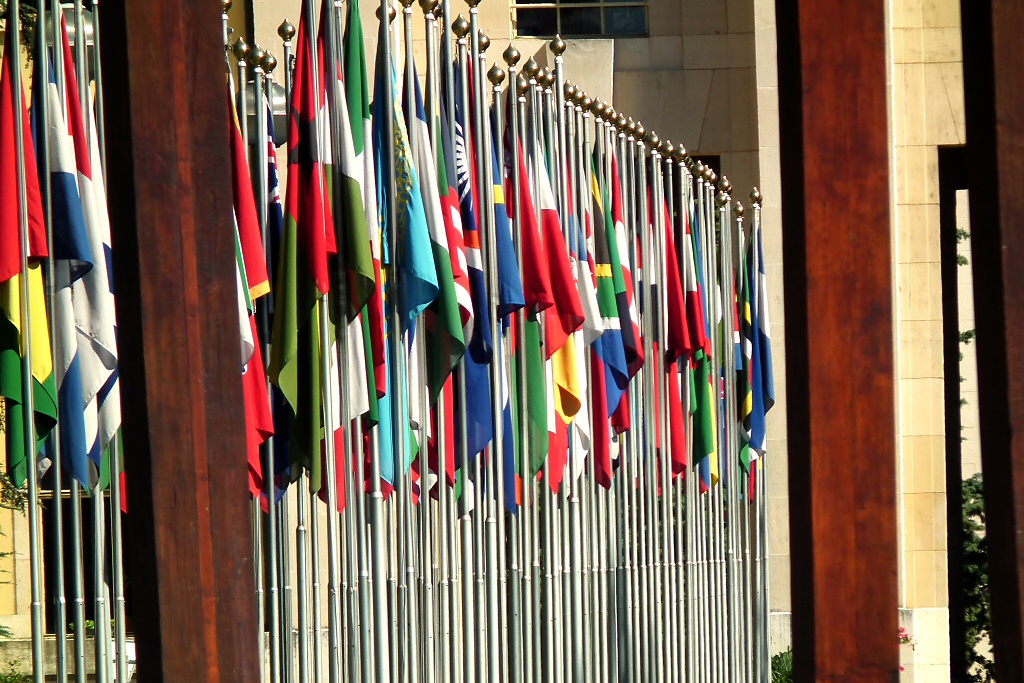

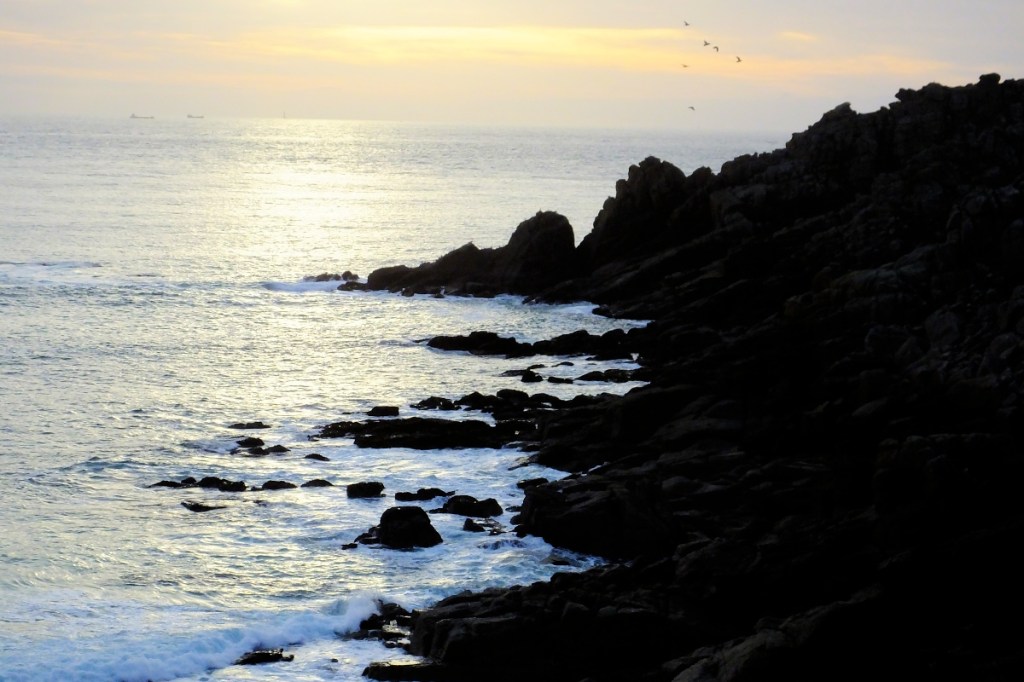


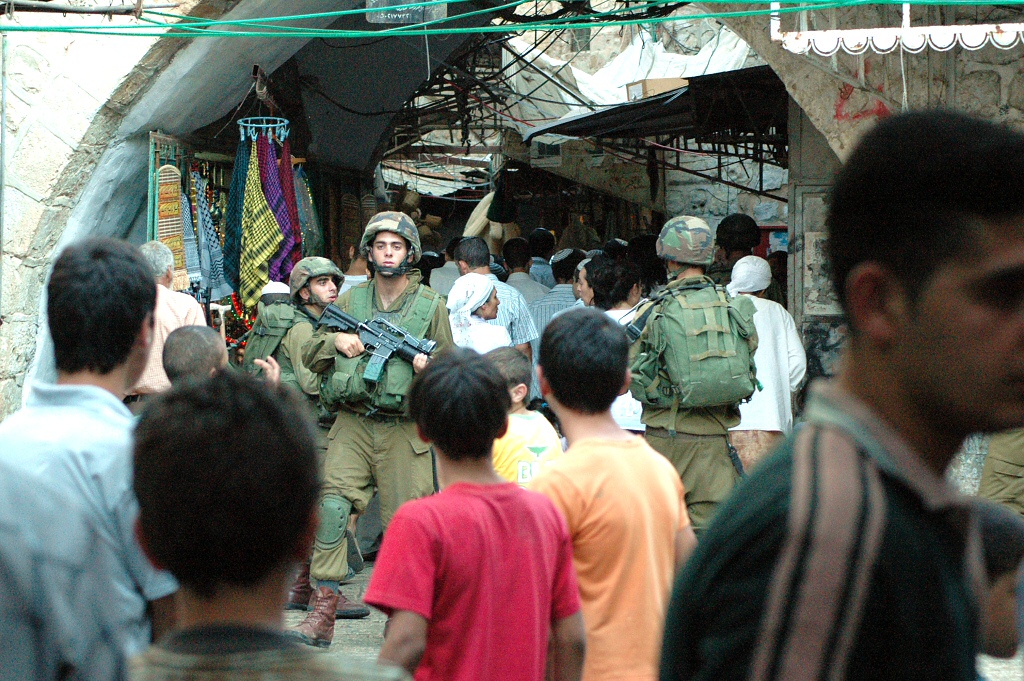



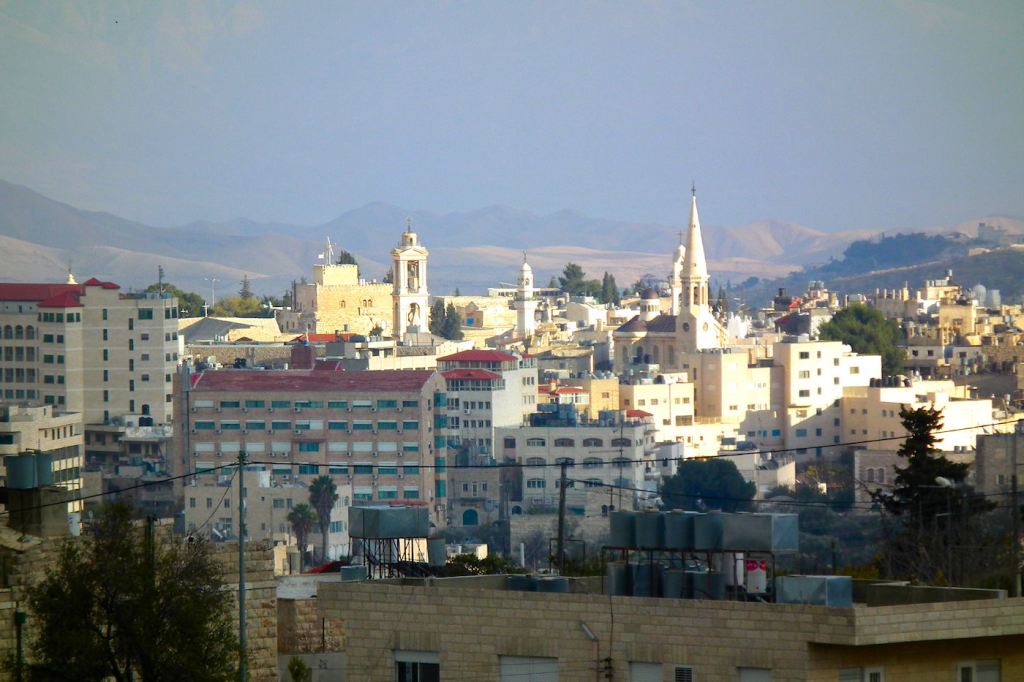
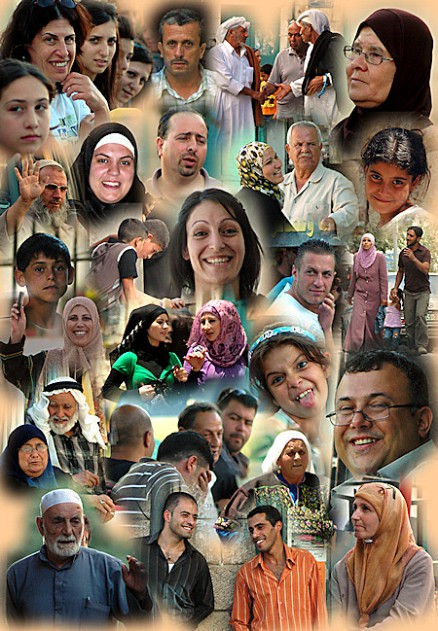


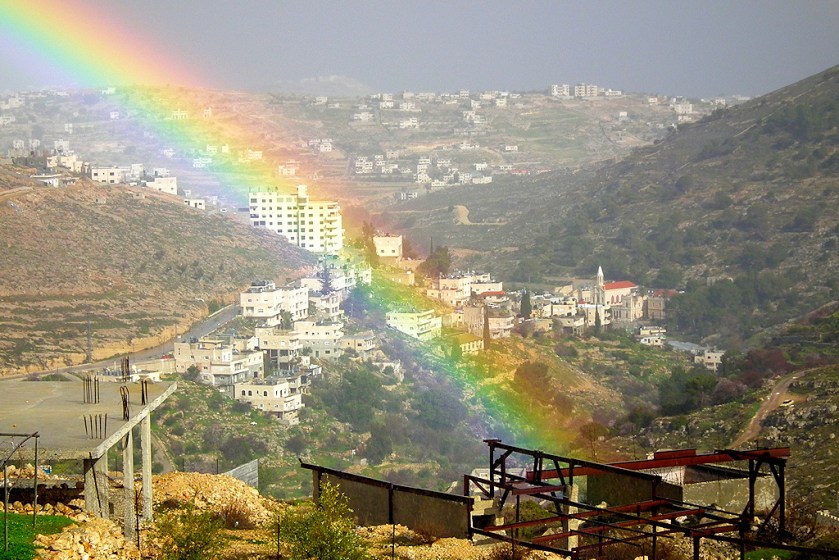


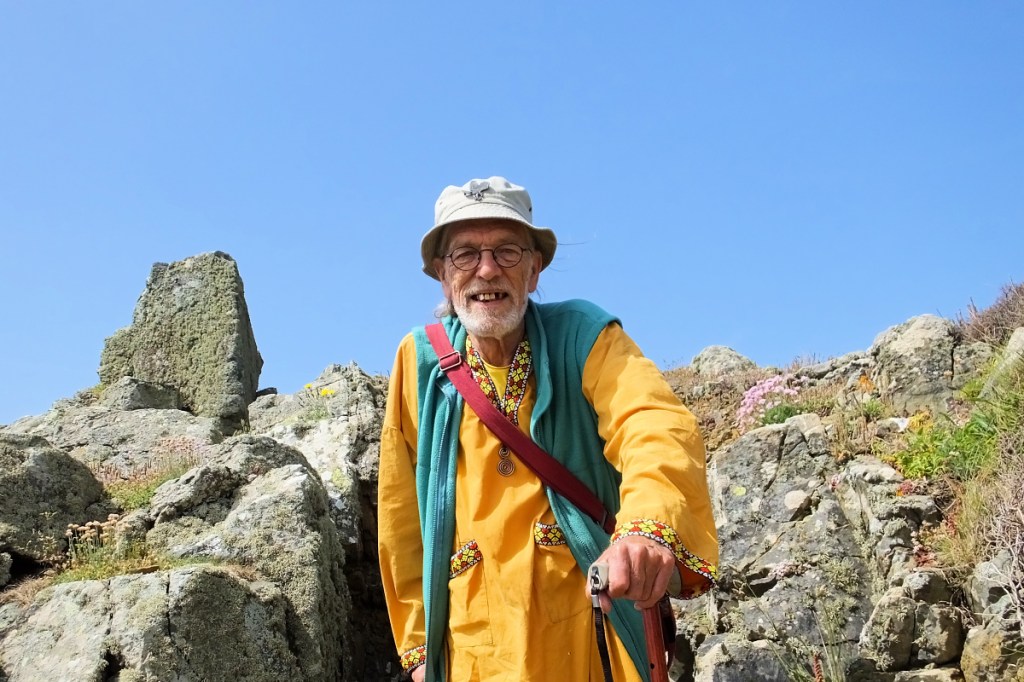


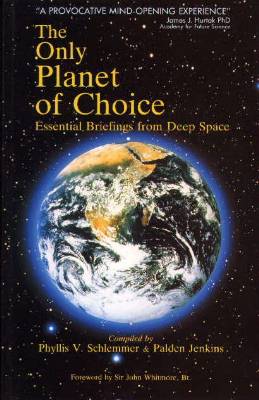

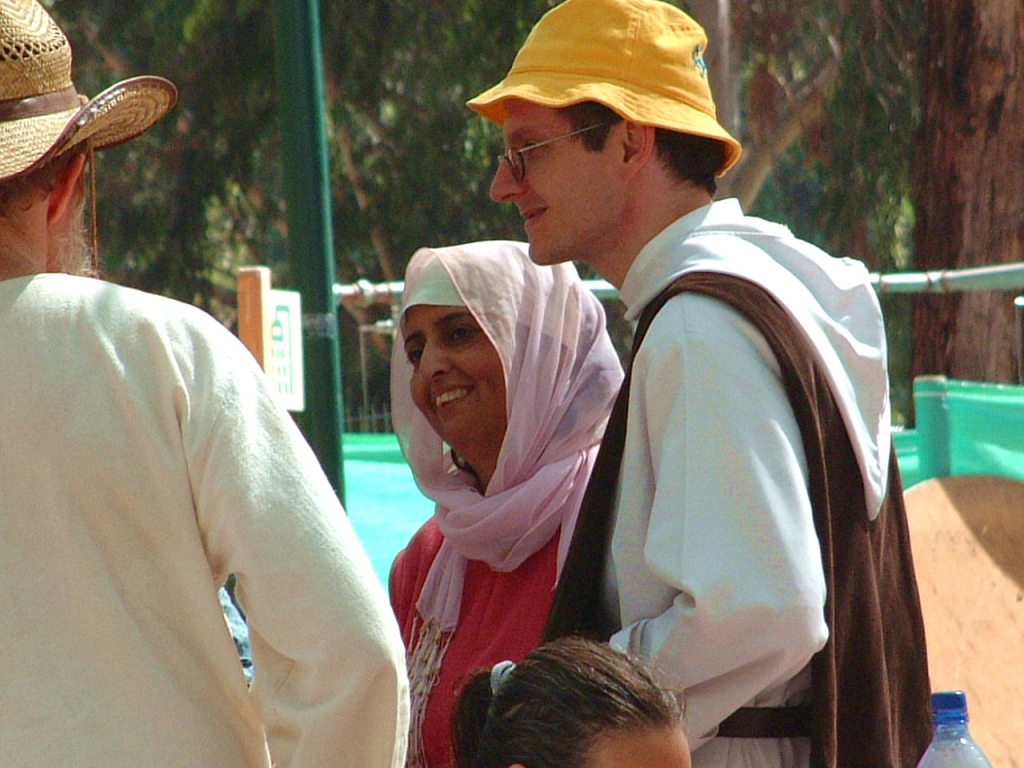

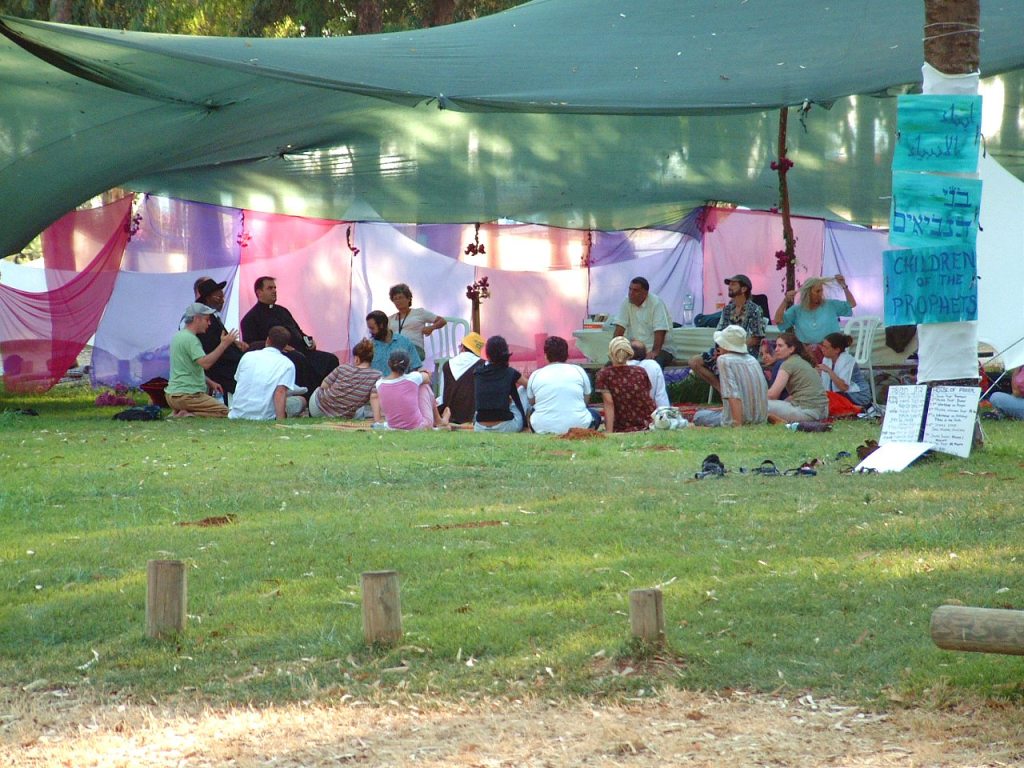



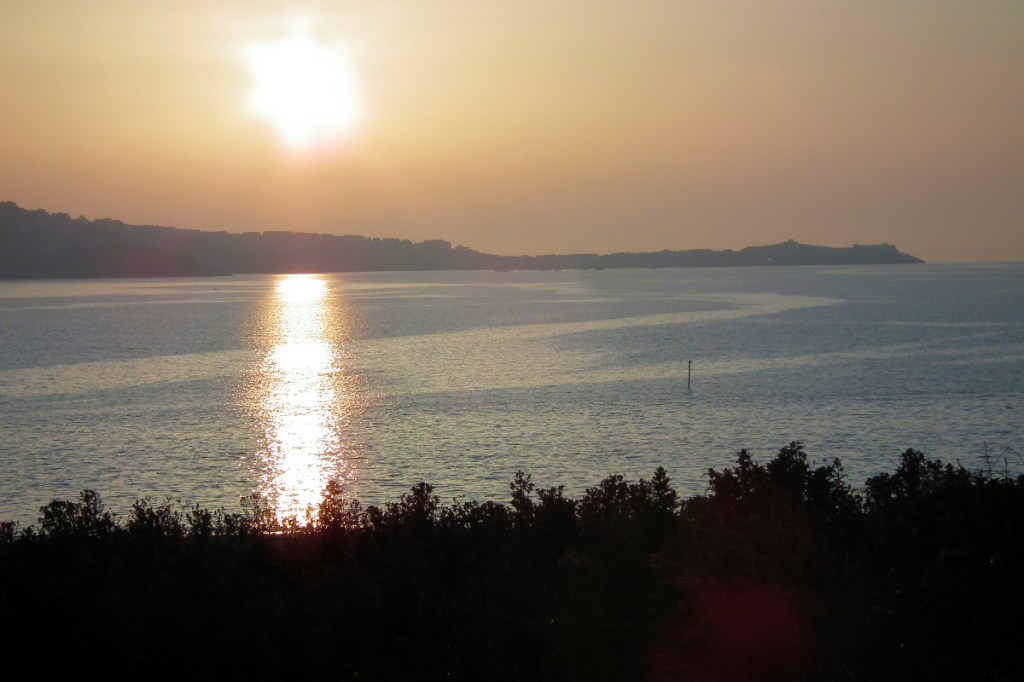
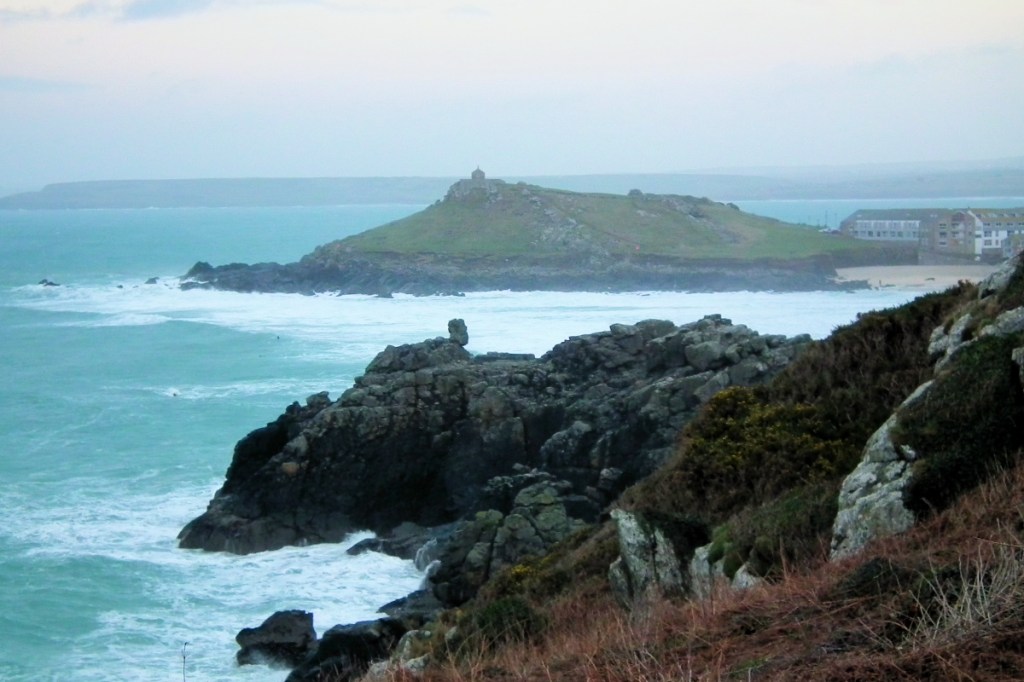


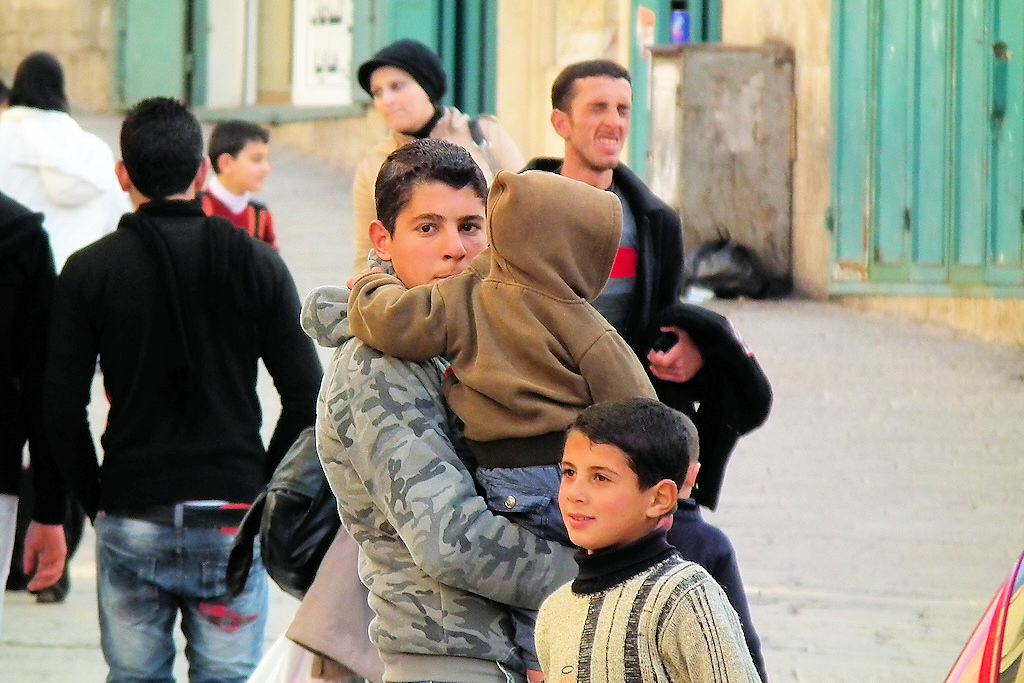


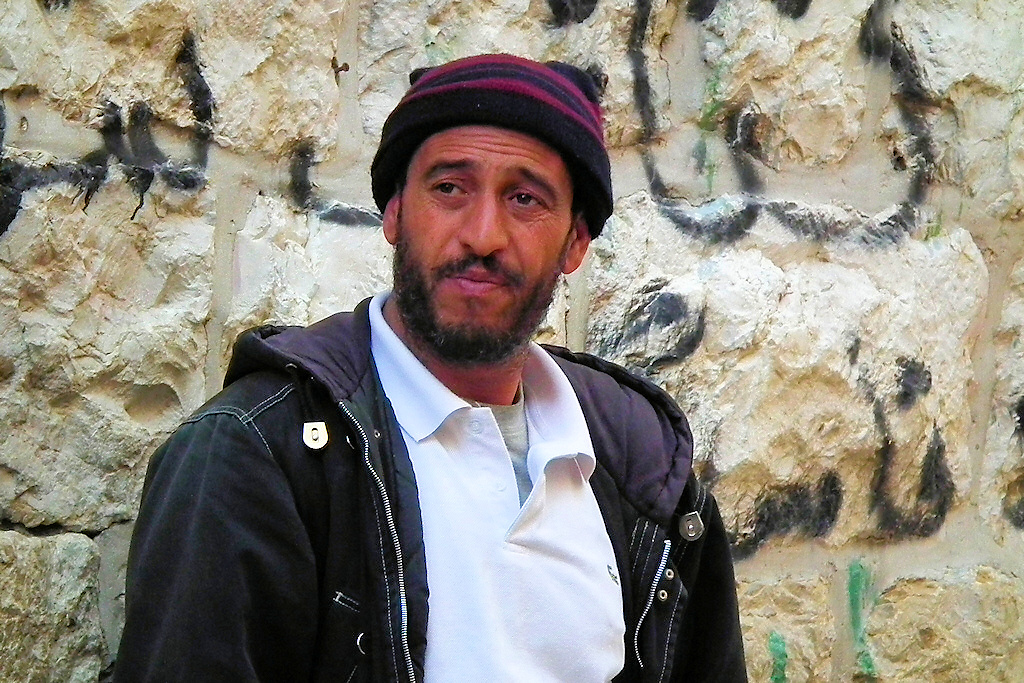
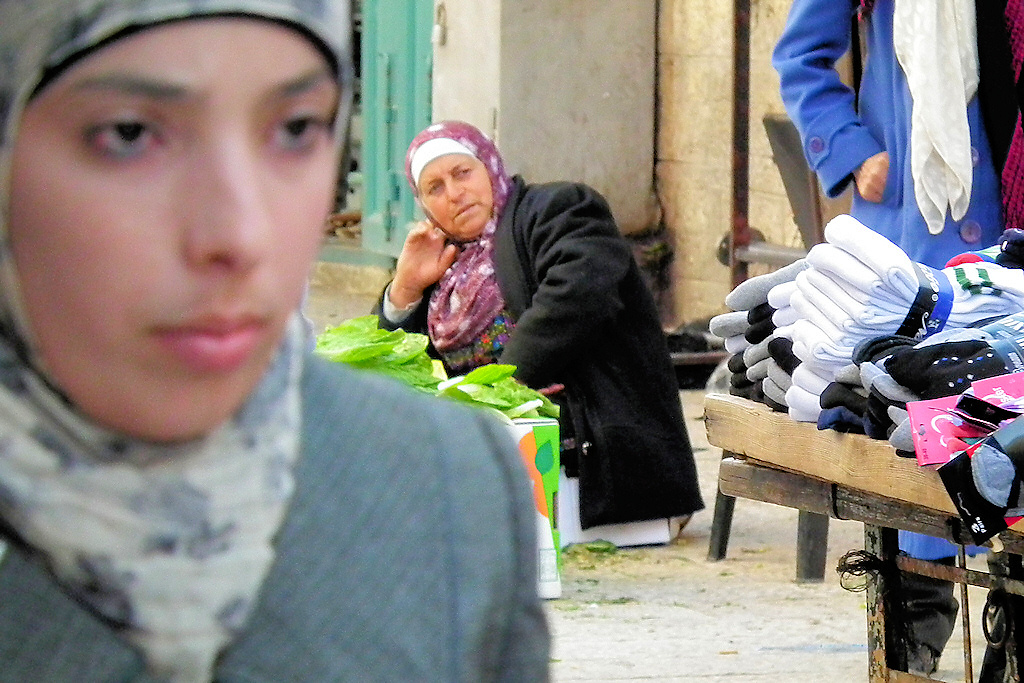
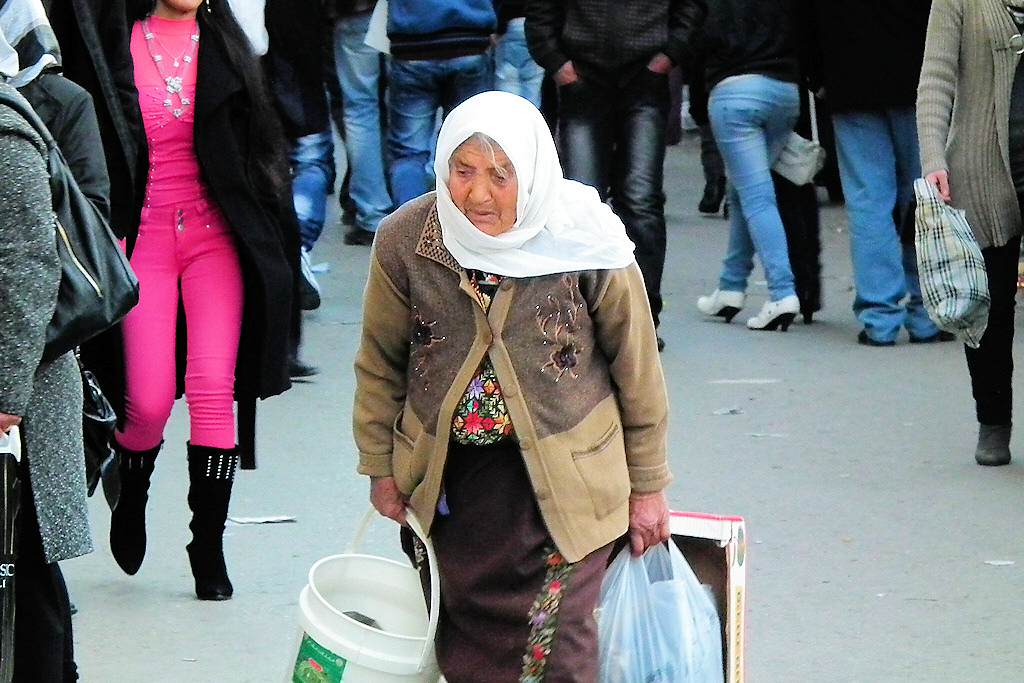


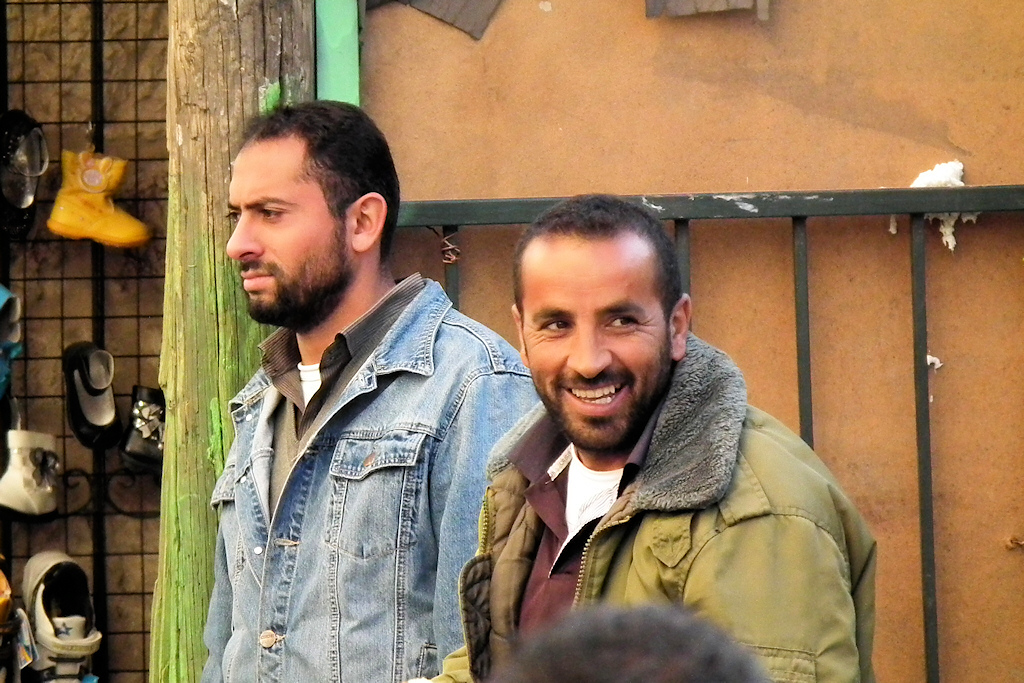

 Notes from the Far Beyond
You must be logged in to post a comment.