I’m deliberately making few statements at this time, even though people ask me what I think. There’s no point.
To re-quote Bertrand Russell: ‘War is not about who is right, it is about who is left‘. The coin is spinning in the air. It has already been flipped.
Corresponding with an old friend in Tel Aviv, who is Jewish, of Romanian origin, she told me this morning that she and her friends are standing together with Arabs in Jaffa (an ancient Arab town next door to Tel Aviv), and, for better or worse, I replied like this…
The pics are from Bethlehem in the West Bank, 2011
Stand together, sister. This is about humans and the Megamachine – Pluto in Aquarius, astrologically. I think it might eventually be a turning point.
I hope everyone on both sides thinks twice before acting. And I hope the Gazans treat their prisoners according to true sharia – in which case they will be as well cared for as possible, under the circumstances.
Indeed, God is great, though he makes his own decisions, and he doesn’t necessarily think what we humans want to think he thinks, and all of us are equally his little children.
I have a young friend in Gaza, Basma, who’s popping a baby in the next few days. Life on Earth becomes incredibly bizarre sometimes.
I have been doing some psychic work on the other side, working with people who have died, and here’s an interesting observation: the ‘angelic operation’ to deal with the influx of hurt, deceased souls is one operation, and the deceased are all being treated together.
And when you listen to the news propaganda, remember that there are plenty of good humans here in Britain and around the world who watch this, and who care, and who form their own conclusions.
This lady’s eyes have seen things humans shouldn’t witness
If I were fitter and had the funds, I wouldn’t go to Is-Pal right now. I would wait, because it’s the abiding damage, psycho-emotional and concrete, that matters. It’s what happens next, with those who are left, that matters.
Those who pass away, they will be cared for, and they will come to peace in their hearts. It’s those who remain who have an uphill climb ahead of them.
This outbreak of war is caused by the damage that has already been done. Every act of violence begins with an unhealed wound – this is the motto of the school where I used to work in Beit Lahem (Bethlehem).
Beware a rush to judge, and be aware of your tendency to take sides. Take both sides, and see each side’s viewpoint(s) – each ‘side’ has a range of viewpoints, actually. Because, strangely, each side is right. From its own adopted viewpoint. And each side is wrong.
Yet there is not right or wrong in this game: there are simply outcomes. And what exactly are the chosen outcomes?
Remember that, when war breaks out, there is a polisation of anger-driven awareness and attitudes into simplistic, black-and-white terms (‘terrorists’, ‘genocide’, etc) and this does no good at all.
Are you a victim of this mentality? This is the psychosis that drives war, and this kind of psychosis needs to end if we are to get through the 21st Century in one piece.
This is about humans against the Megamachine. It’s not really about humans against humans – that’s the psychosis.
I’ll come up with further observations in due course. But for now, silence works best. Bear witness. This is Planet Earth. This is humanity in action. Across the universe, we are frightening, dangerous beings.
True holy war, jihad, concerns the struggle and conflict within ourselves to find the bottom-line truth of our lives. To come to peace within ourselves. By doing this we come closer to what many humans call ‘God’. What arises from this is a deep urge to do good in the world, to make the world a place of justice, peace, safety and basic happiness. That’s what holy war is, and it needs no weapons.
Finally I’ve written an autobiography. It’s online and shortish, the equivalent of ten pages. I was reluctant to write an autobiography, partially because I feel it’s not greatly important and partially because my memory of past events is foggy. In it I explain why this is so. Lots of people have said I ought to write one. I dragged my feet. Standing on stages in front of people comes naturally to me, but I’m also a quietish, Saturnine Virgo who’s happy beavering away behind the scenes and not making a big deal about it.
Yet writing it has been therapeutic. I did it in two rounds. In the first, a year or so ago, I wrote down all I could remember. Letting time pass and recently reading it again, I remembered more events, details and issues. Though really, it’s not life’s events that matter: it’s what goes on inside, prompted partially by those events and partially by stuff coming up from within.
There are general, lifelong issues and patterns too, which are difficult to weave into a short autobiography without making it lengthy. Even so, while working on it I’ve been reminded of something that has been important throughout my life. I’m not sure what to call it. It’s all to do with working with contradiction and paradox. In a way I’m a radical extremist in my spiritual-political views and, to some people, I’m right off the map, not even a decently normal left-winger, conspiracy buff, new age glitteratum or a proper anything. But in another way I have always been measured, considered, anchored in lived experience and seeking balance in my thinking.
My politics – particularly in international relations – comes from my heart. Being with Tibetan Lamas in the 1970s clarified this. They showed me how everyone suffers, rich or poor, privileged or deprived, and that we need to practice compassion and loving kindness toward each and every person and living being. The secret here is to put ourselves in others’ shoes, to see what life looks like from where they stand. You don’t have to agree, just to bear witness and comprehend their situation. I firmly disagree over a lot of things, though I’m not into pointing fingers or demonising people. Such a non-polarised approach isn’t complacency but a way of seeing life that can unlock doors to effective activism or concrete action.
Revolution, to me, involves building the future while letting the past dwindle of its own accord and in its own time, perhaps with an occasional strategic shove. I’ve always been focused not so much with rousing people to rise up as with looking beyond the next perceived horizon and laying the ground for what happens afterwards.
Of course, everyone needs to do whatever they’re moved to do, and to do the best they can with it, preferably without harming others. In the end we all learn from what life has taught us. It’s all part of a bigger, wider movie with a cast encompassing the whole of humanity. If people die in war or by starvation, it is indeed tragic and wrong – one young friend in Gaza has just been killed – yet it is also a sad part of humanity’s learning process, its aversion therapy. It happens because we humans have not remembered the main agenda and what the endgame is.
It’s both a personal and a collective process and, today, the pendulum is swinging toward collective priorities. Our attention is being drawn to the collective dynamics involved in facing the future, which are incrementally overriding the personal preferences and envisionings we all variously might have. In the Global North there’s a lot of braying about personal rights and sovereignty, but much of this is the sad complaining of affluent Westerners, scared of losing the power, advantages and comforts we have had. The future no longer lies with us whiteskins, though we do have a place in it. Around 15% of the world’s population, having banged on about democracy and human rights for decades, to our surprise we’re faced with being but a minority, with equal, not superior, rights to everyone else.
Porthmoina Cove, West Penwith
For better or worse, I’m seriously moderate. I regard Bilderbergers as humans. They do things that are beneficial and things that aren’t. They’re like you and me, really – thoroughly imperfect beings. Yes, they have a certain power to swing things their way, though not as much as some of their critics believe. We need to help them change their thinking, their hearts and their behaviour, since no system of social-political organisation will work well without people’s hearts being in the right place.
If we see those at the top of society as Them, by implication making Us into their underdogs, we tend to reinforce the masters-and-slaves mentality. Even so, we apparent slaves far outnumber them, and we aren’t always stupid sheeple who obey our masters, so ‘the Cabal’ doesn’t control everything. We are co-responsible.
It’s all to do with how we choose to see things. Personally, I see a transformation of the current system to be inevitable and unavoidable. It’s taking longer than many of us first thought, but it is happening. It’s up to us to do what we can to nurture and channel that inevitability, in order not to prolong the agony, since what’s really at stake is the amount, the depth and intensity of suffering and damage that people and the world must go through before we reach a breakthrough point.
Seen in this light, the latest outbreak of violence between Israelis and Palestinians, or between rival factions in Sudan, is a tragic saga of the thrashing of the tail of a slowly dying dragon. In WW2 we had an example of dying dragons: the greatest destruction in the war took place after 1942, when its course had already pretty much been decided at Stalingrad, Alamein and Midway – yet it took a lot of further destruction to confirm that inevitability. Mainly because of masculine bull-headedness. But the matter was eventually harrowingly resolved amongst the ruins of Berlin and Hiroshima.
Carn Kenidjack, West Penwith
In the last thirty years, on top of other projects and activities, I’ve worked with meditation and psychic work. Many political types and rationalists think this is woo-woo, a joke, or peripheral or impractical, and they may hold that view if they wish. The way I see things, a tide is turning, nothing is permanent and we’re working with the historic trends of centuries and millennia. We’re working with the underlying thoughts, feelings and beliefs of people, and that’s what shapes the future.
Those of us who elevate our individual freedoms as benchmarks upon which everything else should be judged are having to swim against a growing tide moving the other way. Individualised self-interest, though indeed relevant and part of life’s equation, is not actually in everyone’s best interest – and the endangered state of our world demonstrates that. Our world problem derives from self-interest. We’re at a stage in history where the survival and benefit of humanity and of the natural environment as a whole have become the top priority. Global circumstances push things this way, and the big question is how fast and fully we respond and adapt. The future is nowadays having a greater causative influence on the present than the past has. We’re being sucked toward the future.
So I don’t rail against the banksters, the billionaires and the secretive manipulators, though I do twiddle their knobs while they aren’t looking, when I can. I do my bit. In my innerwork I sometimes penetrate the backrooms of Davos, or tweak the energy-fields around certain cloud computers, or drop thoughts into prominent people from afar. This probably sounds like fantasy or even megalomania, and there’s truth in that observation too, but feeding and seeding the collective psyche with such perspectives is the beginning of change. All man-made change begins in the psyches of people.
I tend not to see things in black-and-white, good/bad, right/wrong terms – that, to me, is a prejudicial, blinkered comfort-zone allowing us to avoid seeing clearly. When working in Palestine I was not really like many of the other activists. I believed in staying in Palestine for long periods and participating personally in people’s lives, rather than visiting in an activist group for an exhausting and short week picking olives, doing conflict tours and leaning on the copious hospitality of Palestinians.
I wasn’t anti-Israeli either, even though I found some Israelis difficult to relate to, especially if politics came up. Also I don’t agree with the agendas of the state of Israel. But I don’t agree either with the minority of Palestinians who wish, at least in heated moments, to eliminate Israel or drive the Israelis out. To me, it’s not about Palestinians and Israelis – it’s about people, and I worked with those who sought my kind of input.
So when I went through Israeli checkpoints, I regarded the soldiers scrutinising me as real humans, and my behaviour and body-language reflected that – and I got through, often by simply brightening up their day and being a nice guy. I wasn’t there to do battle with the poor grunts on whose shoulders it fell to protect a screwed-up system.
It is easy, popular and sexy to bang on about the badguys at the top of the pile and to dish out neatly packaged certainties about the solution to the problems we face. It gets the hits, royalties and votes, but those who do it then become part of the psychosis of the divisive system that they oppose. Yes, it’s easy to regard Them as the reptilians, the child-molesters, the evil ones, the exploiters, and this neatly places Us in a position of being the pure, the innocent and deserving – and anyone who disagrees with this is clearly on the side of The Cabal.
Near Carn Boel, West Penwith
For me it all started at the London School of Economics in 1969, when I was a student. A situation was brewing where quite a few students were getting confrontative, hurt by the treatment the police and authorities were meting out to us. But I did not believe in confrontation or violence – this would not get the people of Britain on our side. Even if we, the goodguys, won, violence wouldn’t simply subside since it would already be baked into the character of the revolution itself, leading to new atrocities and the subsequent rise of Napoleons and Stalins. So I advocated working toward creating a new future rather than fighting the agents and symbols of the past – a fight we would not win, given the circumstances we were in. I and people like me lost that argument, and eventually the revolution sadly exhausted itself, mainly by tilting at windmills.
I’ve always held a gap-straddling line. Only as I grew older did I come to understand why. I came to see the situation on Earth as part of a larger, deeper, wider scenario. Here comes the button-pressing extremist in me: I fundamentally believe we are not alone and isolated here on Earth – though we are to an extent quarantined. Many people who are into ETs focus on galactic locals such as Pleiadians, Arcturians or Zetas, but it gets bigger, wider and deeper than that. [Here’s an audio talk of mine about this: Life on Earth, Life off Earth.] This has big implications for us on Earth. Bizarrely, the only public figure of recent times to mention this was Ronald Reagan, who once said, “I occasionally think how quickly our differences worldwide would vanish if we were facing an alien threat from outside this world“.
Beings from other worlds are mostly not ‘aliens’, and our origins as human-type souls lie amongst them. But we earthlings do like to see things in polarised terms, and we need to understand that we also are rather daunting to ETs since we’re fitful, unpredictable, inconsistent and we even have divided selves.
It’s a matter of how we choose to see things, and how much fear we weave into it. If you want to see lizard beings and regard them as dangerous, that’s what you’ll tend to see. The same goes for our relationships with all ‘others’, including foreigners, criminals or simply people who share our planet while living in different worlds. It applies also to creepy-crawlies and sharks, or cancer cells, Covid viruses, refugees or lightning strikes.
It’s time to step beyond the judgemental constraints of good and bad, right and wrong. There’s more to life than this. We need also to look carefully at the notion of ‘evil’, which is so easily bandied around – again, to make ourselves look like goodguys. I’ve been accused of being a criminal, traitor, toxic male, dictator and asshole myself, but that doesn’t make me so unless I buy into it. However, it’s still my duty as a human to work on those aspects of myself where I do fuck up.
The way I see things, evil doesn’t exist in itself – it is simply poisoned, blocked, polluted, diverted life and naturalness. The Tibetan story of Padmasambhava is instructive. When he took the Buddha-dharma to Tibet, he did not cast out the old gods and render them into evil entities, as Christians did over in Europe. He made friends and, as a teacher, he raised their perspective so that they could see beyond their situation. He co-opted them to become wrathful protectors of truth – scary, yes, but embodying the fears and defilements that we must face in the process of progressing spiritually. They were given a bigger, broader and deeper job.
This is similar to the legend of Lucifer, the angelic bringer of light, who sheds light on our darker sides, obliging us to learn through hard but necessary lessons. Except the notion of Lucifer got twisted, he was made into a badguy, the light and awareness bit was removed and his badness was made permanent. Poor chap, he’s misunderstood.
Yet there is always redemption, and we can do things to further it. I’m not at all perfect in this, and there are issues I need to sort out before I’m gone. But the main thing is to work at it. The Council of Nine were emphatic about this. [The Nine was a group of cosmic beings I compiled a book for thirty years ago and continue to work with.] They didn’t prescribe an ideal world or state of enlightenment that we should strive to attain – because there’s always further to go, and this is what evolution is all about. They spoke instead of simply creating forwardness and a feeling of progress, because the more it happens, the more it grows in momentum.
That in itself, in any situation big or small, is all that is needed. Whether it’s gardening your allotment, bringing up your kids, doing your work, being socially active or weighing in on large-scale issues, creating forwardness is what we’re here for, as souls. It all adds magnitude to a growing current. It’s about making Earth a good, safe and happy place to live.
In our time, our big advantage is this. Amidst darkness, one candle makes a big difference. In the sunshine, a candle is hardly noticed. We’re in a time when small things matter more than we tend to believe, even though it sometimes feels like the darkness is overwhelming. Yet keeping our eyes on an aged neighbour, changing nappies (diapers), fishing plastic from a river, cooking a nourishing meal for hungry people, or even joining a meditation once a week can make a difference in a beshadowed world.
On Pordenack Point, looking toward Carn Boel and, behind, Tol Pedn Penwith
I have not done well in terms of money or status, though toward the end of my life I’m happy about what I’ve done in other spheres. I’m aware also of times I’ve failed or omitted to step up, but the net balance is, I hope, positive. It feels that way, and in recent years this feeling has helped me deal with cancer: I chose to treat cancer as a crash course in being alive and making the best of what I’m given. Over many years I had gathered a quiverful of growth-tools that have served me well in my cancer journey, and I’m glad I did that. Because cancer and, later, dying, involve a loss of control, and our success in handling them rests on where we’re really at, not in what we’re trying to be. It’s our actual spiritual fitness and muscle-tone that matter here.
This gives us access to a miracle zone where it’s possible to bend, break or bypass the constraints of normality and expectation. Life is a strange dance and, if the one we are dancing with doesn’t dance to the same tune, or seems to oppress or constrain us, then the secret is to step out of the way, out of the set patterns and moulds in ourselves that render us into being victims. The degree to which we feel oppressed, and what we do about it, is something we can change. It can take time and it can be a struggle, but that’s the direction to go in.
A good friend wrote to me as I was writing this. She was concerned about the new outbreak of violence between Palestinians and Israelis. It’s happening yet again. It’s terrible, and it’s easy to get locked into hand-tied consternation about it. Peace will indeed come to the Holy Land, and many people there already subscribe to it. But the dragon’s tail is still thrashing, and it’s tragic and painful for those who are personally affected and involved. Sadly for Israelis, it’s also shutting down an enormous domestic dialogue about the future of their divided nation – predictably, that suppression will charge a high price later on. Yet step back from this conflict and look at it another way, and this is not a war between Israelis and Palestinians so much as a war between the dehumanising drivers of conflict on both sides and ordinary people of both sides.
We can do things about this. We can visit Palestine or Israel to add our bit, or we can make friends with an Israeli or a Palestinian online, or we can donate money, or in meditation we can work at creating a vibe where the people involved are raised up to see things another way, to see the futility of their situation and get a clearer sense of what is genuinely best for the future. It’s not for us to prescribe what that might be, but it is for us to help create a psychic field in which they might progress with what’s genuinely right for them.
Once a conflict starts, it’s not helpful simply to oppose it – it’s too late and, as is often the case, the opportunity for preventing conflict came earlier and we missed it. The trick is to take the situation as it stands, working to twist and weave it another way, to introduce new, unlocking factors, to help those who are suffering, to work with wider public awareness, and even to conduct direct dialogues with generals and fighters in our inner universe.
It’s not a matter of taking sides: we need to step beyond our preferences and biases. No matter how much we believe that past history is important in this or any conflict, it’s the future that really matters.
A young friend in Gaza, Basma, is going to have a baby any day now. What a way for a child to be born. Her brother Moh, a male nurse, escaped Gaza in 2015 and was one of the boat people crossing from Turkey to Greece. He landed up in Belgium, working as a nurse, and died of Covid in 2022. What a life these people have. He had been the hope of the family.
In this week’s meditation, if you join it, I encourage paying some attention to this issue. However, this world is full of worrying problems, and good-hearted people can get overwhelmed with it all. To deal with this, it’s advisable to do small things well rather than big things badly – that is, to focus on the particular issues that mean a lot to you, and to stay with them and proactively do something with them. If we all do that, we’ll cover things better.
It’s also true that everything is interrelated. What’s happening in the Holy Land affects other people and places. Each time something like this breaks out, the collective psyche of the world becomes more disappointed, dismayed and depressed. Explosions and bloodbaths make sensitive, delicate, human issues seem irrelevant, and the problem with this is that empathic sensitivity is a key ingredient in making the world a better place. Wars, meanwhile, are useful to the status quo – they suppress not only the people in war zones, but also the spirits and hopes of humanity as a whole. They make the public jaded, accepting conflict as a given, shrugging shoulders and turning away.
We’re faced with many paradoxes and knife-edge choices in our day. It isn’t simple. This has been the saga of my own life, and many of you might share a similar story. Yet it’s what we’re faced with, and we can fret and worry about it or we can do something, within the scope of our lives and possibilities, and at times beyond it. That is our choice.
Back in 2011 I gave a speech at a conference called ‘Will they still serve tea in 2023?‘. This was the moderate in me, speaking. Some people thought the world might end, or at least radically change, in 2012. Well, life went on after 2012 passed. So, apparently nothing happened. The catastrophists were proven wrong and the normality-freaks seemed to win. But this was a lot to do with the dramatic utterings of advocates who desperately wished to be the one who got a big prediction right. Things did happen. Discreetly, the tide turned. Before 2012 we had a future global problem and, after 2012, we had an actual problem, and as the decades roll on, we’re going deeper into it.
In Britain there’s a legend that King Knut (Canute) tried to demonstrate his power by turning back the tide – and he got wet feet. No, historians are now seeing this differently. He sought to demonstrate that even he, with all his worldly power, could not turn back the tide. He didn’t write an autobiography either.
Castle Rigg stone circle, Cumbria. 4,200 year old sustainable architecture
You’re welcome to join our circle of souls doing a meditation together on Sunday, all at the same time, wherever we are. It’s rather special.
It’s all to bring relief, healing and forwardness to ourselves, people around us and the great wide world. Or perhaps to imitate a mountain for half an hour. Or just to sit there and give ourselves some time and space (go on, pamper yourself!).
In UK we do it at 8-8.30pm, in W Europe 21-21.30, in E Europe, Turkey and the Levant it’s 22-22.30, in Brazil and Argentina it’s 5-5.30pm, in EST USA and Canada, Cuba and Jamaica it’s 3-3.30pm and in West Coast USA and Canada it’s 12 noon-12.30pm.
Makes me feel a bit like Chronos himself when writing all that down!
No sign-up, no recipe, no strings – just turn up in inner space.
Would you believe, this is my hundredth blog. I started the blog just a few weeks before going down with cancer, with no idea it would quickly turn into a cancer blog. That says something about intuition: it has ways of knowing things in advance that we don’t. Consciously, at least.
This is a review of my cancer story, for those of you who are interested.
Cancer was a great surprise when it was diagnosed in November 2019. Looking back, signs were appearing nearly a year beforehand, but they weren’t recognisable. Something wasn’t right, as if I were in a downward spiral, getting tired of life and losing my spark. Neither my partner nor I could figure out what it was.
Then in August 2019, while working in her garden, my back cracked and four of the lowest vertebrae in my back collapsed. At the time it seemed I had an excruciating, immobilising back problem. The pain induced a kind of enforced spirituality, which I blogged about a month later: [1]
“It has been a remarkable initiation, a time of enforced stillness and interiority. Within myself I’ve been ‘back home’ with the star-nation people and have travelled the worlds in ways that ordinary life does not usually permit. Meditatively, I’ve stood alongside people around the world who experience deep suffering, supporting them with gifts of spirit I’m blessed with and finding a deep solidarity with them. I’ve dwelt on my life and what there is left to do with it…“.
A cranial osteopath recommended I get scanned in hospital – he felt something more was going on here (thanks, Simon Perks in Totnes). Getting to hospital was a long process. Eventually, in A&E, the junior doctor, in a quandary, called in a specialist, who entered, stood intently looking at me for a while, then said, “Test him for Myeloma”, and walked out. Brilliant. This man nailed it at first try. Within days I was having treatment. I had Multiple Myeloma or bone marrow cancer.
When the news of cancer hits you, it’s like a thunderbolt and soulquake. Yet it came with a strange element of relief, at last knowing what was actually happening after three months of spirit-wringing pain. For decades I had looked after myself, with a view to avoiding such things as cancer. Had I got things wrong? Seriously ill, if I had arrived in hospital a month later, I was unlikely to have survived. When cancer comes, it can come fast and strong, even if its buildup is long and slow.
After a few days I asked the specialist whether he had any clues about the causes of Myeloma. He looked at me straight and said, quite simply, “Radiation exposure”. The next day he brought a map in The Lancet showing the clustering of Myeloma cases within 40 miles of nuke stations. For 28 years I had lived 15 miles downwind of Hinckley Point nuke station, and I had had two instances of exposure in other contexts too.
Many doctors say the causes of Myeloma are unknown. Certain chemical neurotoxins may also be a cause for some. The reason for this perhaps deliberate unclarity could be the court cases and compensation claims that would erupt if such electronic or chemical toxicity became public knowledge.
The specialist’s opinion just went ‘ping’. I had known since 1975 that I was electrosensitive. This was largely not a problem until around year 2000, when mobile phones and wi-fi became commonplace.
That year I had a ‘dark night of the soul’ crisis and a long illness, going down into the Deep Dark, questioning all I had done over the previous three decades and wondering what value it had really brought. It was a deep honesty session, a struggle with Weltschmerz – the pain of the world. Aged fifty, I think my susceptibility to cancer started brewing around then.
As time went on the electrosensitivity got worse, especially after 4G and smartphones emerged around 2008. By 2014 periodic overdoses of radiation (in a restaurant, meeting, supermarket or train) were giving me rapid-onset flu symptoms, and by 2017 I was getting heart palpitations. It took until 2019 for cancer to show itself.
That year I was working on my prehistory research and mapmaking, in a rather urgent, driven way. Completing it in early August, just two weeks later my back suddenly went crack and my life changed. Well, the research was at least complete – perhaps a hidden hand of fate had known what was going to happen next.
When diagnosed in November I was now very much in the hands of doctors, my partner, my son and a few others – and way out of my depth, flat on my back. It was an exercise in surrender and acceptance.
Having been a health-conscious, vegetarian meditator for decades, and rarely getting ill, I had always assumed I would be exempt from cancer. Well, life has a way of teaching us other things! In our culture cancer is regarded as something going wrong, a failure, but it didn’t quite feel like that, to me. There was something strangely fitting about it, even though life was being hard on me. I decided to suspend all my foregoing beliefs and do my best to trust that, whatever happened, it would be alright. I did hold on to one belief though: that, whatever life presents, there is a gift in it.
Rigorous experiences as a humanitarian, mountaineer and camper had taught me energy-management, attitude-maintenance and steadfastness. Having got through plenty of crises and having survived thus far, I felt it was possible to do so now, whether that meant living or dying.
Trusting the doctors was my only option – and most were really good people. My experience of NHS treatment has largely been positive. I had done alternative medicine for decades, yet I did not have the knowhow, energy, facility, support, time or money to take such an approach now, and already it was too late. Chemotherapy was the only doable alternative. It contravened beliefs I’d held until that moment, yet it felt right to do my best with it. If the angels wanted me alive, they’d keep me alive, and if they didn’t, they’d take me out.
I’m pretty good at handling crises and, here was I, going through a test of spirit. I had to grasp life’s reins on a deep level, since healing means fully allowing healing, fundamentally handing ourselves over to the process. This goes as far as dropping any expectation of what ‘healing’ means – it doesn’t only mean ‘getting better’. Whether I am to live or die, may it be for the best, all round – this was my prayer.
The strong pharmaceuticals shocked my system, though clearly they might also save my life. I asked for inner help in handling whatever was to come. One profound message came through: use your feelings and intuitions to proceed. My brains were not working well – I couldn’t get my head around all the medical research – though my intuitive senses were quite easy to read off. They just say ‘yes’ or ‘no’ – and then it’s up to us to figure out why, or to bear witness to how it comes to be true.
I went inside myself, connecting with the angels like never before. This might sound spurious to some readers but, believe me, when you’re in a situation like this, that’s what you tend to do, whatever your foregoing beliefs. I asked them to support my adaptation to a changed life. But when you ask, you also need to offer: I offered up my life, however it was to be. Whatever needed to happen, may it happen well and may I make it easy – that was my key prayer. I think this really helped, not just psycho-spiritually but medically too.
I used holistic supplements, CBD oil and good nutrition – judiciously, and careful not to mix them or create conflicts with the pharmaceuticals. Over time, various healers and healing circles weighed in – thank you everyone. Some of these interventions made a big difference – including, over time, an E-Lybra machine, radionics, homoeopathy, cranial osteopathy, herbs, chiropractic and prayer. And an old cat, Tomten, who would lie on my pelvis, the most painful place, giving me genuine pain-relief.
So, doctors saved my life and healers gave me a new life. I’ve written this before and it’s true.
I feel immense gratitude to my partner, who gave balm to my heart and helped me through the process – she was a true healer and a great soul. Her love, care and protection made a critical difference in a bleak time. I was a heavy weight for her to carry. There was no financial help for a ‘family carer’ like her, she had a business to keep going and a life already filled with issues and concerns. And I’m a tricky and complex character at the best of times. My son Tulki was a constant companion and support, though he could be present only sometimes. These two made a key difference.
So I followed an intuitive route through the cancer tunnel. I worked at getting the doctors on my side, showing them that I was not one of the awkward squad of ideologically rigid health-freaks, though I did have my own ways and preferences. Two things helped: they found me interesting, cooperative and lucidly descriptive of my symptoms, and, lo behold, as the weeks went by, my medical results were surprisingly good. This gave me leverage.
Still, I had to badger them about drug dosages. I didn’t need blasting with explosives. Eventually they got the message. One or two drugs were withdrawn and one was reduced – the steroid Dexamethasone, which had positive effects on my cancer and distressing behavioural side-effects, especially to people close to me. My dose was reduced and, lo behold, it started working better.
Initially I was supposed to have eight cycles of chemotherapy but they stopped treatment after five, saying I could go. Later on, one specialist said, “Mr Jenkins, I don’t know what you’re doing and I don’t want to know, but whatever you’re doing, keep doing it”.
Myeloma is a blood cancer that causes the bones to hollow out and weaken. It’s not as complex to treat as other cancers – there’s just chemo, with no radiation or surgery (since no tumours are involved). I responded well and quickly. I think the holistic practices, supplements and remedies helped greatly, together with an almost palpable influence from within, from my ‘inner doctors’. They scanned and treated me on an energy-level, and it worked. I think they worked through the hospital doctors as well, in mysterious ways.
I’ll add a few more things: walks on the hills and clifftops; a lovely place to live on a wildlife-rich farm with low EM radiation; unchlorinated springwater from just up the hill; a positive attitude; coming to peace over as many life-issues as possible, and working on the rest.
I’m on an immunotherapy maintenance treatment, Dara (Daratumamab), which flags up emergent cancer cells that my immune system then deals with itself. I have a Dara injection every four weeks – a nurse comes round to shoot me up. She takes my temperature, oxygen count and blood pressure, and every twelve weeks she takes a blood test and sends it off, and it’s from this that my condition is judged. With Myeloma, most people don’t get ‘remission’, just a ‘pause’ – some get a year of life and some get ten. In my fourth year, I’m still alive.
After decades of living a holistic life, your system evolves differently to ‘normal’ people. When you’re doing spiritual work and you have some pretty amazing healers as friends, normal medical rules get bent and broken. But still, there’s a deep karmic story that goes on underneath cancer, with a trajectory of its own. I did well at first but, after two years, I was ailing, hit a crisis and got ready for the possibility of dying within the year. Yes, more wading around in the deep dark!
Yet by summer I was reborn, even attending a week-long Oak Dragon camp, which itself was a healing boost, as much from the people and ambience as from the camping. By now I was in a state of positive shock, realising I was alive, kicking and that there was a future. And perhaps I needed to get a new coat for the winter.
I’m doing well with the cancer, but the side-effects are problematic and these might fell me in the end. It’s all about bones (in my astrological chart I have a strong Saturn). Four of the lowest vertebrae in my back collapsed – I must use sticks to stand and walk. Reducing my height, this squeezed my stomach, leading to digestive and eliminative difficulties. It also caused the outer gluteus muscles in my backside, which do the major pulling, to lose their tension, making long walks strenuous and painful. I have osteonecrosis of the jaw – a dying jawbone – stopped by medication, but an area of susceptibility. And if I break any bones, repair and revival is likely to be difficult. These side-issues affect my life more than cancer does.
Then there is chemo-brain. Chemotherapy chemicals destroy brain-cells and nerve-endings. It has had mixed effects, reducing my left-brained ‘executive’ thinking and memory for details, yet improving my right-brained intuitive-imaginative side. It has pushed me into the present moment – my sense of time, sequence and duration has dwindled. I’ll remember something that was said by someone, but not who it was or when. I screw up easily when things get complex. Yet my creativity – channelled through writing, podcasting and websites – has never been better.
At one stage I asked myself what I would be doing if I didn’t have cancer. “Just carrying on“, was the answer. Instead I have been given a new relationship with life on Earth, an experience-rich new chapter, however long or short it is to be – miraculously paid for by the government and taxpayers. Life is twice as difficult but in compensation it has changed in shape and content. I’m focused now on staying alive more than on life’s many complexities, diversions and tensions.
I’ve had some pretty amazing spiritual initiations in my life, and this has been the next in a sequence, as if it was meant to be that way all along. Well, perhaps it was, perhaps it wasn’t. Having twice come close to dying in the last four years, it has given me some training for the inevitable transitional journey that is yet to come.
So, did I go down with cancer, or did I go up?
In recent months I’ve found that I see no future ahead of me. I’m drawing a blank, and my customary faith in life is not that bright. What does that mean? We shall see. In our time, we are all faced with so many unknowns. Most people can however safely assume they will be alive next year or later in life. Having that assumption removed has a strangely spiritualising effect – and that’s another strange gift that cancer has given. It’s what the psychedelic guru Alan Watts used to call the wisdom of insecurity. Earlier in life I knew it was good to appreciate life and all that it gives us, but cancer has taught me what that means in far more real-life terms.
It’s funny how things go.
With love, Palden
PS. My soul-brother Alan suggests my blogs are too long, and he’s right. But this is how they come out. I wish I had an editor – that might help. I’ll try to do shorter ones. Problem is, I’m a time-rich person writing for readers who are mostly time-poor. But then, if you read this far, well done, you did it!
Disclosure: the apparent paintings were done by me using a graphics program (Corel Painter Essentials 8) – they aren’t paintings. The photos they are based on are by me. The bottom photo is by Lynne Speight.
I thought this article was interesting, and am inclined this way myself. Current values in society tend to believe we should avoid and be free of pain and difficulty as much as possible, but this keeps us in the same place. It’s a growth-less position to take.
I was summarily dumped last year and, while it was really painful and I’m still left hanging and unresolved, it has been a remarkable gift and learning experience too, forcing me to master those things I felt I needed from my partner. It gets a bit complex when you have something like cancer and you rely on them, but even there, it’s possible to do your best with the situation as it is. So I became stronger as a result. It was a struggle, but also, seen from another viewpoint, it was a gift of love. It’s okay to let it bleed.
Some people have called me brave, for things I’ve done. But it’s not really like that. As this article mentions, you get to master life and its challenges by taking it on and going into it – the author uses the analogy of weight training and increasing the weights you lift. Former challenges become easier because you get used to bigger ones. And this is what hones the soul.
Once you’ve had a gun pointing at you, it gets easier when someone else points a gun at you again, and you realise you can get through the situation, even with a smile. That’s not really bravery – it’s just getting used to life and wading a bit deeper in. A bit like Brits’ attitudes toward British weather, or Yemenis’ or Ukrainians’ approach to life in their countries – and some people choose to go into the fray rather than to run. Or a bit like the work (‘labour’) a woman goes through to give birth – if you run from it, though that’s understandable, you might miss something, something about life itself.
In a sense, life is a preparation for the moment of our death. Death is not usually painful, but it does involve facing stuff – not least facing our incapacity to do anything much about the situation or to change anything, which is a choiceless choice to face. But even so, we have a choice to take what comes, or we can try fighting it.
Therein lies the choice. In the end, that’s where freedom resides. Because if you’ve grappled with something, you don’t have to carry the pain and fear of the prospect of having that something come at you and stop you in your tracks. That’s a kind of pain that comes even when you’re not experiencing it. It’s rooted in fear. A comfortable, safe life is not necessarily the best kind of life to have.
The author of the article provides a good strategy for dealing with the difficulties we face – about the incremental drawing of lines, and about facing the reason we’re in such a situation, rather than either letting it oppress us or running from it.
Summer solstice sunset, as seen from Trencrom Hill, Cornwall
One thing I like about doing a regular, weekly, ‘booked’ meditation is that I do it regardless of whatever is happening or how I am feeling. I just do it – no question, no struggle. Over time this has created a parallel space in my life with a life of its own, and it has a tremendously steadying effect. It pulls me back on track, helping me step outside the ‘wheel of life’ a bit, to remind me of the main issue or the heart of the matter.
So, whatever’s happening, and however I’m doing, I just do it anyway. That’s a bit different from doing meditation by choice, or doing it daily. Doing it daily is a distinct choice and, certainly at some stages of life, it can be really good, if life allows it. And sometimes it can be made to fit in with life: I often used to go into meditation while sitting with my kids as they went to sleep – and we’d all mutually benefit from the vibe-change. It was a moment of special closeness.
The weekly meditation is very doable. It’s not a relentless habit and it doesn’t require a disciplined or diligent attitude. At minimum it’s a half-hour deeper-relaxation space, once a week, and at best it can sometimes be a game-changing shift, or a blast of insight, or a healing, or an inner journey.
At times I get into some really remarkable inner experiences – for example, when visiting a disaster zone or a world situation, or when communing with people dealing with life. Other times, I just have a quiet meditation. Or I have two or three parts to it, one of which might involve letting my inner doctors scan and work on me, or inwardly being with a friend who needs standing alongside, or simply working over the events of the time, to release them or lift the clamps they’ve put on me.
It varies a lot. It’s a kind of extra dimension in life that goes on anyway, whatever else is happening.
It has certainly been valuable to me as a cancer patient – especially getting involved with ‘inner doctors’. When I had a lot of fatigue a few years ago I found I progressed a long way in meditation. I didn’t have a lot of available focus, but I had time, allowing myself to float and glide, to let be. If you have Longcovid or disability or something similar, I suggest taking a positive approach inwardly and looking for the gift that is available in fatigue or immobilisation.
It’s currently at 8-8.30pm UK time (other times elsewhere – see link below), and quite a few of us are doing it, including people who aren’t aware of these postings – they started doing this ages ago, or because they read the Nine book, or through other connections.
It’s especially good for folks who are doing it on their own, perhaps because of geographical or social isolation, or just because they can and do do it that way. It’s not complex, you don’t have to go anywhere or do anything for it, it’s free and it’s a gift of the present and The Presence.
When I was diagnosed with cancer in late 2019 it was at first like receiving a death sentence. I was indeed close. This has a way of changing and reorienting everything inside – or it did so for me.
When it looks like your life really could be ending, it makes you reassess everything, where everything stands, what can be dropped, what means a lot to you, and what is unresolved, regretted and incomplete. It’s a rapid, factual acceptance process, prompted by a loss of ability to act on life, owing to serious illness and malfunction.
So I looked at my life. Some things I could let go of easily, some needed attention, some presented hurdles to cross and some looked impossible. This process went on over a period of weeks while I was flat on my back, struggling to stay alive. As it happened, I made it through, with the loving help of my then partner and the ministrations of the staff at Torbay hospital.
After three months, I was gradually reviving. After six months I was more or less on my feet and functioning – enough to be able to go home to Cornwall and look after myself, with a little help from my friends – and the staff at Royal Cornwall hospital at Treliske. Lucky me. I survived.
Being a writer and communicator, there were still things I could do, and it became part of my cancer therapy. If I were younger, with a job and family, or if I were in engineering or farming, I’d have been in a catastrophic situation. But as a freelance writer and broadcaster, I could carry on. My brains and the creative process changed, and my fingers weren’t as keyboard-accurate as they once were, but it worked.
Even so, part of me was left hanging – the humanitarian part. So were the people in other countries who were affected by my loss of functionality. I could no longer travel long distances and my capacity to get through such a rigorous life had collapsed. If I went to Palestine or Mali now, it might well be a one-way journey. That remains an option, though I’d also be happy for my ashes to be buried under a tree on Botrea Hill.
I made a prayer for clues suggesting how to resolve this question. Three issues came up.
One was the growing needs of the people I’d been working with. This included Hope Flowers School in Bethlehem, all sorts of individuals in Palestine and Syria and in the Tuareg village of Tinzibitane, Mali. In the 2020s, need and crisis levels were rising, and this was vexing.
The second issue was me, since doing such work had meant so much. These people, whom I had grown so close to, were some of the most valuable people in my life – I had learned so much and become so much more of a real human as a result of working with them and finding my place amongst them.
The third was finding people to take over from me. That was the biggest question.
As my old friend Sheikh Bukhari once put it, “God has a staff shortage, with plenty of eligible employees who for some reason prefer to stay unemployed“. A kind of Sufi bishop with a deep Muslim heritage, he had emigrated from Jerusalem to America, landing up flipping burgers in a California burger joint. He returned home after a decade, back into the frying pan that is Jerusalem, to become a leader in a community of spiritual peacemakers in Israel-Palestine – then called Jerusalem Peacemakers, and now called the Abrahamic Reunion.
“I finally accepted Allah’s job offer“, he said. A good man, he was. He’s now in heaven, carrying on up there, and his widow Hala carries on down here. His son Izzedin Naqshband runs a Palestinian vegan restaurant in East Jerusalem, if you’re ever over that way.
Finding people to take over helping Tinzibitane has been a challenge. The Tuareg don’t have as much PR power and experience as Palestinians do. However, they make amazing hand-made, trademark-free, talismanic jewellery and other crafts, and that’s their tradeable USP or ‘unique selling point’. Many Palestinians are educated, literate, competent, urbanised people, while the Tuareg live a simple life out in the desert, without being highly engaged in the modern world.
They are not tempted by modernity, tending to hold it at bay. From a humanitarian networking viewpoint, this is a good marketing tag to use – the Tuareg have a genuine mystique that charms and fascinates people. If it were lost, it would be a loss to the world. They don’t beg and bleat either.
The modern world comes at them anyway. In 2016 I managed to save the life of a baby, Zeinabou, whose mother died in childbirth. I helped with other survival issues by making Facebook appeals and raising a few hundred quid to help.
Mercifully, I was joined by two others, Eve and Jane, and we were able to fund social-reconstruction projects going into the thousands. Over a few years we restocked their camels and goats, sank a well and funded the building of a small village school, helping them regain confidence as a village after a devastating war and drought around 2011-12.
They hadn’t actively participated in the war, but it had affected them and they had been attacked by both sides – the Malian army and Al Qa’eda-related Jihadi militias spilling over into the Sahel from Libya and Syria. The Jihadis tried to establish an Islamic caliphate to lord it over the independent-minded Tuareg, and they’re still at it. I think they will blow out, get tired and go home eventually, but not anytime soon.
Testosterone does wear out after a while – and this is how many wars come to an end. Eventually, people just want to go home and sleep in a proper bed.
The Chief
The desert village, some way west of Timbuktu, started coming together again. People returned from refugee camps in neighbouring Mauretania and new people joined from other villages, seeing how they were getting organised and taking life back into their own hands. The chief, a thoughtful man in his early seventies, with good intentions for his people, strengthened the social fabric of the village and gave it new hope, with our help.
The Tuareg are a consensual people with deep traditions going way back before the arrival of Islam in medieval times. They are independent people, with significant gender equality and a strong sense of collective solidarity. I liked working with them, and they did the right things to help us help them.
They are a desert people. For centuries they have been the camel-truckers of the Sahara, carrying goods between south and north, inhabiting the southern edge of the desert, the Sahel. Gold, salt and high-value goods were their main cargoes, plus, in medieval times, slaves to Algeria and Egypt, which they stopped doing later. These goods and people were sold in the souks of the Arab world and forwarded to Europe, Ottoman Turkey and the Middle East.
One thing I like about them is their integrity, honesty and lack of corruption, and this makes it easier to work with them. They don’t like asking for help, and they budget and spend well, and money sent for a particular purpose is usually spent on that purpose, as arranged.
Home-made mud bricks for the school
In many crisis zones, money just gets spent on whatever urgent need comes up next – it’s understandable, a ‘firefighting’ approach, and that’s life there, but from a fundraising viewpoint in the rich world it’s difficult, because of our issues around accountability. Accountability is a polite word for post-Protestant tight-fisted control-freakery, a key quality that has made us whiteskins rich.
We communicated through Anim al Husseini, who first contacted me in 2015. It was his wife who had died in childbirth, and Zeinabou is now growing up in the village. Anim speaks Tamashek (the Tuareg language), Arabic, French and English, and he’s good at staying in touch and supplying information and photos – without these, support work gets difficult.
The chief has nominated Anim to be the next chief – though, whenever that happens, he will need the consensus of the villagers to step into that role. That’s the way it works amongst the Tuareg: their traditional systems of governance are consultative and confederal. As desert individualists with a self-help survival ethic, any family or tribe may take their leave and join other villages if they feel the need. Nominally the men make the decisions but, if the women disapprove, it simply doesn’t happen, and that’s that. So the women set the norms and the men do the business.
The school in construction
The village has hit new political difficulties. It’s a long story, going back to the 1880s-90s when the French took over the Sahara, dividing it into what are now Mali, Burkina Faso, Niger, Morocco, Algeria and Libya. They took the Tuaregs’ camels, goats and best lands, oppressing, conscripting and enslaving them and discouraging their nomadic lifestyle. Over time there were a few Tuareg revolts against this.
When independence came in the 1960s, power went to the Mandinka and Bambara majorities in the southern, greener part of Mali, who continued discriminating against the Tuareg, regarding them as a threat. Yes, there is black racism too, and the Tuareg are only partly black – they derive from ancient Saharan, Berber, Arabic, Nubian and West African stock.
The school in completion
By the 1990s some Tuareg wanted their own independent country of Azawad in the northern half of Mali – the desert region. The government wouldn’t have it and fought back. There were also frictions with other peoples in the area – the Dogon, Fulani, Songhai, Bambara, Soninka – as populations grew and the region became more desertified.
Recently, Anim Touareg wrote to me, and this is the first time he has ever expressed true fear over the future. This is what he wrote:
Salam Aleykoum dear Palden How are you ? All the people of the village greet you We are very scared about the situation and yes we hope everyone will be safe A lot of people already flee to Mauritania But in the village we discussed about it and we decided to stay in the village Because travelling will cost a lot of money and the last time we went to [refugee camps in] Mauritania, everybody get sick Here now the biggest problem we have is the provision [food] Things are getting very very expensive because of the war However if we get food for the people, we will stay in the village and continue education for the children The chief of the village is sending his worry and ask you to tell to your friends Because this is very emergency and we hope everything is gonna be alright Thank you so much for everything dear Palden Please receive greetings and prayers from all the village Ma’Assalam
And later he added this:
We don’t have access to a good and reliable internet connection these days I am happy to tell you we sent some families to the refugee camps In Mauritania We evacuated elder people first because they have a lot of health issues and can’t support big pressure For me I am still in the village with my family and some other families We will work hard to continue running the school so our children get educated It’s very important for us We are trying our best I know about your health issue dear friend and I don’t want you to work a lot also So take your time and share some Infos when you can Thank you so much for everything dear Palden Please take good care of you and keep in touch Maasalam Anim ❤🙏🙏🙏
Anim is a Capricorn in his early thirties – a Tuareg Millennial and single father, with camel.
The well in construction
I’m telling you this story partially for your interest and information, but also I’m sniffing around. We need about three people with a good mix of skills who would be happy and willing to work with this and – this is the important bit – stick with it. The good news is that this project is not a big one – it’s human-sized. The turnover of the Hope Flowers School in Bethlehem was over a million dollars a year, with which I could only tinker around the edges and do specific bits of hassle-busting but, with this village, our input has made a total, marked difference.
The well, completed
It’s a smaller-scale project, involving real people. We have no offices or international development degrees, though we’ve lived round campfires in tents and tipis. The involvement of an enlightened NGO might be welcome, yet there’s something special here about people-to-people, ground-to-ground connections – and not just handing it over to the charitable sector.
It feels best for there to be something like a small group of (say) three proactive energy-holders with 2-3 helpers. But it will take the shape it takes, around the people who turn up.
This isn’t about aid and development in the standard model. This is about helping the Tuareg stay Tuareg, and helping them interact constructively with the encroaching 21st Century world – and its guns, troublemakers, competing interests and geopolitics. A friend in Cornwall, Kellie Odgers-Brown, has come forward to market their jewellery here in Britain, and that’s a first step – the Tuareg want to generate their own income.
Now we need:
a good networker experienced in social media, crowdfunding and handling payments,
someone who understands cultural sensitivities and the politics of the region (who has also travelled outside the rich world without staying in hotels),
someone who is good at hustling, writing and organising,
plus a couple of people who are happy to pitch in when needed and handle special issues (such as cultivating a funder, running a website, starting a branch in another country or even going to Mali).
There’s a crisis going on in the Sahel and it is unlikely to end quickly. So this is not an easy mission, but it is doable by keeping an eye to the future. These people are a potential shining light in the post-conflict revival of the area. They stay politically neutral, focusing on their village and raising its game. By setting an example they give a model for other villages and tribes to emulate – this is a multiplier factor that is worth considering, and it’s already ‘case proven’.
But it needs resolute perseverance. It’s not full-time – it’s a spare-time thing that will go in waves and bursts. It might be good if there is one person in their 50s-60s, one in their 30s-40s and one in their teens-twenties, since each generation has its virtues. But those who turn up and make a difference are those who will run it and decide.
My dilemma is that I am no longer able to head this up and I have only a few years to live. The best I can do is advise, support and stand behind you. I no longer have what it takes to shoulder this operation. Think in terms of a minimum three-year commitment, with an added duty of finding someone to replace you if you wish to go.
If there is a gap in your life, if you seek engagement with something meaningful and out of the ordinary, and if it fits your ethical values to the extent that you can focus on it and become a trusty friend to these people, then this might be of interest to you.
If so, think about it for a few days, do some research, take a look at Anim’s Facebook page, contact him if you wish, and write to me with your thoughts (just a few paragraphs at first, please!). We’ll go on from there. Consider your realistically available time-space and your capacity to carry things through, and be clear about where your limits lie.
This is teamwork and others will rely on you to do whatever you take on. It’s unpaid, voluntary work, and it might or might not benefit your CV or resume, but it could benefit your mana – your standing as a soul. At the end of my life, I am so thankful for having been involved in this kind of work – it has been enriching in heart and soul.
That’s what this is about. To fulfil our missions on Earth, we need to get engaged with specific issues, activities and projects. We need to test ourselves with some gritty stuff, bringing light into the darkness. While this world has no shortage of crises and issues to worry about, getting involved with one thing like this is doable, and it can have wider implications longterm. It’s something where you as an individual can make an impact.
You form relationships with these people, and it’s about giving them some hope and backup, to make their lives better. They live in a very different world to us and, in our time, we need to learn to avoid imposing our ways on them and getting them to suck up to us. Instead we need to help them be themselves, stay themselves and develop themselves in their own way.
This is the way of the 21st Century. Leaders in this are the Palestinians – they are advising the Ukrainians in non-violent social survival and resistance skills. This is the stuff of the future – human, spirited aid.
It’s about building resilience, ecological, cultural and societal, about helping people face modern times, and bridgebuilding between cultures while honouring diversity. It isn’t only about helping them: it’s about an energy-exchange where they give what they are strong in, and we give what we are strong in, and it connects up, and everybody benefits.
For we, in the rich world, we need aid too. It’s just that we don’t fully know it yet. These people know a lot about survival and self-sufficiency. They understand the magic of life. They have a deep-rooted culture. They need friends, and so do we.
If this says something to you, or if you know someone who might be interested, or if you’d simply like to donate a tenner to the kitty (details from me), or rustle together tenners from your friends, or even take over the kitty, or make a prayer for protection of the village and the departed villagers, then please do. It would be great to give them some encouragement right now.
I’ve given you another long read, haven’t I? Well, congratulations in getting to the end. Happy newmoon. And Happy Birthday to Lynne too!
This being Britain, as soon as the tourists went home, the sun came out. It seems to be a law of British meteorology. My wooden cabin, with its big windows, gets quite hot when it’s sunny. I sat outside today, soaking it up. One of the very best cancer medicines is sunshine – and it’s free. I need to rest, because I’m shagged out – my legs in particular. Yesterday – pat me on the back, please – I did it. And it well and truly did me.
View from near Pordenack Point
A friend, Kellie, came round and we did the hike from Land’s End to Carn Lês Boel [map here]. For me this was rather special – a personal pilgrimage to a special place. It’s the place where, if I could, I would dance my last dance. I go there whenever I need to say prayers and come home to my soul.
But it’s a long haul, for me in my condition – my walking sticks, serving as legs three and four, get tired too. It’s two miles each way, with a lot of up and down, but it feels like four. I was not at all sure I would make it, but part of me realised that this was my last chance – now or never. There’s a shorter route from Porthgwarra, but this route is special, and I wanted to do it while I could.
Pordenack Point (see the people on top?)
Heading south from the car park at Land’s End, first you come to Pordenack Point, a high cliff bastion which, from the first time I went there fourteen years ago, I knew to be a major clifftop sacred site. But back then there was little evidence of that – to local archaeologists it was just one more of Palden’s crazy, rather left-field ideas. That evidence has appeared since then. It’s a friendly, strangely homely place where you can sense happy gatherings, unions and reunions, even choral singing. The panorama over the sea is spectacular.
One of the simulacra at Pordenack Point
Pordenack has a prominently-placed chambered cairn, which would have been used 4,000 years ago as an initiatory chamber for deep retreats in this definitely cosmickle place. Also it would probably have been used for dying – it’s a great place for disincarnation, an esoteric spaceport for soul-takeoff toward the Western Heaven. Or it would have been a repository for relics and revered personages put there, at least for a while, to bless the landscape – rather like charismatic saints’ relics in medieval times.
The new discovery was that of a circular enclosure at Pordenack Point, perched on the edge of a near-vertical cliff. That changed things. It was found using LIDAR, a brilliant new form of aerial radar mapping that can pick up hidden remains under the earth’s surface.
Here comes the interesting bit: the enclosure is lined up exactly with two other circular enclosures inland – Castle an Dinas and Caer Brân (pronounced ‘Care Brain’). Both of these enclosures are large enough to host gatherings of a few hundred people, though at Pordenack the enclosure might hold twentyish people. These were all concerned with the coming together of people.
By my reckoning, Caer Brân – it’s just over the valley from the farm where I live – was the parliament and moot site for the tribes of Penwith in the bronze and iron ages. Archaeologists are far more cagey. It is right at the centre of the peninsula, at the intersection of two major trackways. One goes west-east from Sennen (for the Scillies) to Madron and upcountry, and the other, NE-SW, links all of Penwith’s stone circles, from the Nine Maidens and Tregeseal to Boscawen-ûn and the Merry Maidens. This trackway goes past four bronze age platform barrows at the top of Botrea Hill on our farm and over the valley to Caer Brân – I made a podcast about this trackway two years ago.
Castle an Dinas was a further gathering site further east, probably for the meetings of tin traders and for fairs and celebrations at Beltane and Lammas. This is deduced from two astronomical alignments emanating from the enclosure, aligned to the rising and setting points of the sun at those times – the sun rises over Trencrom Hill and sets over Conquer Cairn.
Caer Bran
My feeling is that Caer Brân was rather more for formal and jurisdictional assemblies, while Castle an Dinas was more of a marketplace and social gathering site. Just up the hill from Caer Brân is Bartinney Castle, a hilltop circular enclosure with cairns inside it, which has a distinctly spiritual-religious character and a remarkable panorama. Legend has it that the Devil can never get at you inside the enclosure on Bartinney.
But, get this, three of these circular enclosures – Pordenack, Caer Brân and Castle an Dinas – are exactly aligned along a summer solstice sunrise orientation. Gatherings and festivals were really important to ancient peoples, and the people of the tribes of Penwith would come together at these enclosures at special times of the year.
In those days, folks weren’t as peopled-out and time-pressed as we are – there weren’t so many people around and, if you went anywhere, you walked. Much of the land was wooded, which gives a different space-perception to the open farmed landscapes we’re used to nowadays. Jumping in the car to visit friends wasn’t an option, so you met with them periodically, when you could, at gatherings like these, particularly at the solstices and cross-quarters.
You’d meet your relatives, distant friends, old acquaintances and new people too – at Castle an Dinas there would be interesting people from abroad, even in ancient times. There would be discussions, decisions, the making of deals and the settling of disputes. There would be trading, flirting, celebration, partying and morning-after hanging out, with moments of invocation, spectacle and holiness. They’d troop there from their living places around the peninsula, stay for 2-3 nights and troop back home again.
Pordenack Point is special not just for the above reasons. It hosts what must be one of the world’s largest collections of rock simulacra – natural rock shapes resembling ancient beings. There are whole gaggles and convocations of them – guardian rock-beings who face the vastness of the Atlantic at the far end of the Isles of Britain, holding the winds and waves at bay and protecting these isles from the storms, currents and weather gods. Some of the simulacra stand there chatting, and some are watchers, peering toward the far horizon. Some are Keepers of the Law, some are the Chanters of Intonations, and some are grumbly earth beings who resent the dwarvish bane they carry.
Carn Boel
Then you head onwards to Carn Boel, the next headland along the coast. Carn Boel (‘headland of the axe’) and Carn Lês Boel (‘headland of the court of the axe’) form the bounding headlands of Porth Nanjizal (Nanjizal Bay, pronounced ‘Nanjizzle’). Carn Boel has a big outcrop with a hooked nose, on top of which is a rather magical stone and sitting place, looking out to sea. Perhaps a place for consulting ancient seers and soothsayers.
Then you follow a cliffside path – a bit challenging if you have vertigo – alongside Porth Nanjizal, past a fascinating granite outcrop called Carn Cravah. We had a good sit and a round of tea there – I was already having to pace myself because, since I got cancer four years ago, I have few energy reserves to draw on. So it’s an exercise in prana-management, energy-management, pushing myself but not pushing too much. Often there are seals hanging out in the water below, but they weren’t around yesterday, possibly because of all the humans frolicking happily in the water.
Nanjizal Bay
Then you get to Nanjizal, a lovely sandy cove. It lost all its sand in the storms of 2014, but the sand has returned now. It was quite busy. It was lovely to see children getting lost in the magic of the place and playing in the waves, without a care. At least half of the people present seemed to have foreign accents – central Europeans, accustomed to being landlocked, love Cornwall and its wide-open, oceanic coastline. Since Covid we’ve had a new wave of non-white, second-generation Brits coming to Cornwall, laying claim to the extremities of their homeland, to plant their hearts in the landscape and tune in to its roots, and I really like that – they’re welcome.
Then it’s a steep climb up endless steps to the top of Carn Lês Boel, a few hundred feet above the sea. This was a killer and I had to take it slowly, step by step, with two pauses and one sit. An old dog came puffing up the steps like a steam engine, gave me some friendly slobber and continuing on its way, followed by a puffing human, smiling as he passed at this old hippy sat there in his Arabic jalabiya.
The path onto the carn is on the right of the propped menhir
But I got up there. It was painful, but the Carn makes the price worth paying. Its energy-field is strong and uplifting. It’s a place of transformation and healing, with a lightening (levitational) and enlightening (uplifting) effect. You can feel it as you approach. There’s an ancient ditch crossing the neck of the Carn, marking the boundary of its sacred space – I stop there to ask permission to enter but the answer is always ‘Yes, welcome back‘.
The propped menhir
Then there’s a gateway marked by two menhirs, one now fallen. At times, before cancer, I had a sneaky urge to come here one night with a few friends to re-erect it, but it never happened. The other gateway stone is a rare propped, crystalline granite menhir – raised up on small stones so that there’s a gap underneath, so that the menhir doesn’t itself touch the ground. The purpose of this is difficult to tell, but there’s quite a concentrated energy-field in the gap underneath. A similar thing happens at two other such stones: one at Trevean, half a mile away and probably built by the same builders at the same time, and the other a few miles up the coast at Carn Creis, amongst the Boscregan Cairns.
At the top of the carn is a rock platform with an energy-vortex that makes my body sway involuntarily when I stand on it. A nearby tipped-over stone probably stood on this vortex in former days. There’s another energy-centre further along the carn – a natural rock pile with a vortex emerging from the top – and, yesterday, over this and the first energy centre there were swarms of flying ants, swirling around psychedelically in the heat, following the flow of the energy-vortices.
When I’m there I settle and eventually lie down, finding myself drawn deep inside the carn. Esoterically it feels hollow. It does have seal caves in it, but this is a different kind of hollowness, as if there is an enormous atrium of vastness and voidness underneath, Tardis-like and bigger than the already enormous carn itself. There’s a feeling of very ancient beings here – geological beings who were here long before humans were ever thought of. There’s also a wide-open, upwards-and-outwards, infinite-space feeling to the carn, with its oceanic vista. The next stop across the ocean, thousands of miles away, is the Yucatán peninsula in Mexico, the Mayalands.
Carn Lês Boel marks the western end of the Michael Line, a line stretching across southern Britain along its widest axis, crossing Glastonbury Tor, Avebury and other major sites along the way. That’s one reason why this site seems to me to be working at a higher level than many other sites around Penwith – the carn is on a global great circle energy-line.
I needed to come here because I feel I’m at a junction point. I’m drawing a blank on where the roads lead from here. Unusually for me, at present I see no future – no sense of where I’m going or what happens next, or even what I want or need. I’m not sure how to interpret this, but I see three possibilities. One is that I’m just plain blank and need to feel alright about that. One is that I am on the edge of something, a new chapter, the form of which I should not even try to pin down at this stage, in order to allow it the space and freedom to develop. Or the third possibility is that my life might end quite soon, and that I see no future in life because there isn’t one – the path leads through a threshold to another, less physical world.
I can accept any of these, for although I turn 73 on my birthday (Tuesday 5th September), and I’m not that old, I feel like a hundred years. Life has been an uphill grind in recent years and I feel rather worn out. Tired of pushing hard to get through life, tired of all the palaver and complexity. But I’m not set on that either. I’ll be wherever it is most useful for me to be.
I’m rather a mission-driven kind of chap, and if there is something meaningful and manageable for me to do here on Earth, then I’m up for it. But my life has developed a kind of emptiness. I miss my family, my partner and her family. In the wider world I am well liked but not greatly included. Regarding will-to-live, it does make a difference when there’s someone to live for, and perhaps I haven’t appreciated this sufficiently, earlier in life. I’m not good at doing nothing, staying alive just to stay alive, and I’m uninterested in watching TV, entertaining myself, feeding my face and living in glorious isolation. There’s more to life than this, and if there isn’t, then perhaps I’ll be better off going back home.
That’s why I went to Carn Lês Boel, to place myself before the Vastness, to make a ‘here I stand‘ life-statement, to ask a question and make a prayer. I chose the hard path to get there since it might be the last time I can do that route. It’s special to me because, this time in particular, I have to work at it, wear myself out, and that’s a quality that pilgrimages need to have. I needed to open myself up to whatever is to come. To ask for clues.
I didn’t get anything definite for an answer except for one thing: when leaving the carn I paused and asked, “Is this my last visit?” and the answer was definitely ‘No’. That perked me up. But instead of giving answers, this pilgrimage brought a change in me, a change of state. The questions started mattering less, and I came to a feeling that everything is alright, okay and perfectly in order.
Even so, I had to build myself up for getting back. Part of me didn’t want to leave. Another part of me knew that I had to start now, while I still had energy and before my body stiffened too much. Being on the carn had recharged and reconditioned me, and I knew I just had to apply mountaineer’s grittiness, persevering through the next bit to get myself home – well, back to Kellie’s car.
So I psyched myself up and went for it. My legs and back were hurting and my strength wasn’t great, but I just had to do it. At times like this, when I’m out in the wilds, I have a secret wish my dear son would winch me up into one of his helicopters and teleport me back to the farm. But this is Planet Earth, and he’s busy with other things.
This said, the whole trip was really worth it. Kellie was great company too – a right-on lady who’d been a road campaigner in the 1990s and who, I sense, stands on the edge of taking on a new mission of her own sometime soon. She’s one of those women whose kids are hitting twenty, who finds herself standing in front of a rather big, wide-open space. She was attentive to my needs, pace and timings, which was great, but she didn’t fuss over me, letting me stagger along at my own pace – and this old cripple likes that! She also seemed to like the Queen Mary’s Rose Garden tea that I brought in a flask. And I liked the lunch she had brought, which we had at Nanjizal Bay, just before climbing up to the carn. Thanks, Kellie – and I hope the trip was auspicious for you too.
Another person who came along, in spirit, was the Okomfo Akue Ayensuwaa – a new soul-sister I’ve never met, and queen priestess of the Ayensu River in the Gold Coast of West Africa. We have worked together on a shared mission for the last nine months and, while Kellie and I were doing this pilgrimage, Maa Ayensuwaa was at her shrine, accompanying us in spirit. This lady is deep, and if she so chooses she really is with you. There’s a Nepali seer who has also entered the equation, and we form a sparky triangle. I’ll tell you more about this and our story another time, when it’s safe and proper to do so.
Today, on the day following our walk, my legs ache, and I’m happy. Sometimes I have a question but it turns out that I don’t really need an answer. Sometimes it’s just a matter of changing my state. Something is reintegrating. What I love about visiting a power point like Carn Lês Boel is that it can transport me out of the confines and coordinates of my life and raise me to another level. I get more of a panoramic sense of life – a sense of context and meaning that seems to slot everything into place. It’s a shift of viewpoint that casts another light on things so that they look different – and this in turn leads to different outcomes.
On this walk something else came clear. There are advantages to being aged, especially if I accept it fully and completely. There’s no longer a need to hurry. It isn’t a time of goal-orientation but a time of allowing. The urge to get there, to achieve objectives, and to get on with the next thing, fades into the past – almost as if it was another life. As my physical powers have declined, my psyche has become more spacious since I’ve been obliged to drop many of the concerns, activities and preoccupations that used to fill it. It means that, with an undertaking such as walking to the Carn, I can take each stage, each footstep, as it comes. I just keep on going, step by step, neither pushing nor giving up, and I keep on going until, suddenly, I surprise myself by finding I’ve actually got there.
Life is nowadays more of a here-and-now thing – not least because the past is fading in memory, and there isn’t a lot of future ahead, and when I spend a lot of time alone, other people aren’t around me, keeping me attuned to the issues, struggles and woes they face. So I lose track of most people’s sense of reality, floating off in my own bubble. That makes the present time expand into more of a timeless zone. It has a beatific effect, adding an enlivening sparkle to life, giving a rather childlike sense of spontaneous discovery of every moment. The urge to get there, to reach the destination, to tick off everything on the list, is a compulsion that touches me much less than ever before.
Yet again, Carn Lês Boel gave a gift of time, out of time. At life’s junction-points it’s a good place to go, as if to clock in to the universe to renew my contract with the Great Wide and Wonderful, to go through a reassessment turnstile, to get worked over by the spirits of the ocean and vibrational field of this holy cliff sanctuary.
So that’s what I did on Saturday.
Lots of love from me, Palden
The photos here were taken on earlier trips – I wasn’t in a photographic mood yesterday.
It’s raining. Unwittingly, we were teleported into October. Well, that’s the case down’ere in Cornwall. I’ve even lit up my woodstove to cheer things up.
Then I started working on a half-finished website – a shortened version of my 2003 book ‘Healing the Hurts of Nations’. I wrote that in Glastonbury as the Iraq War was building up. It’ll be ready dreckly – a Cornish word meaning ‘whenever’.
One of the funny things that has happened in my life has been that I’ve given focus to quite a wide variety of different subjects and areas of activity. I give each of them total attention, lots of time and energy, sometimes to the annoyance of people close to me.
Something comes out of it that lands up as a book or a project of some sort. And then, once it’s complete and wrapped up, I have a tendency to move on to something different. Sag rising and Gemini Moon. Four planets in the Ninth. Or manic Aspie obsession, perhaps.
Which means that, over my lifetime, I’ve accumulated a range of bits of work. This one here, ‘Silk Roads’, represents the para-political and geopolitical side of me, fed by the historian and feeding the stuff I’ve done in humanitarian activities and world healing.
The other side of this is that I’ve made contributions to many fields – astrology, geomancy and cereology are other ones – though I haven’t stuck around long enough to really milk any of them fully. Other people got better known than I. By the time the ideas I’ve put forward start gaining traction, I’m off somewhere else.
This traction process seems to take around 30 years – a Saturn cycle. It’s frustratingly slow when you’re younger, but it starts making more sense when your bones start creaking. It’s necessary to let go of the urge for fame and success, let others get the accolades and royalties, and instead enjoy feeding the collective psyche with ideas and impulses that take on a life of their own. After all, ideas don’t come from us – they come through us. It’s all to do with feeding future history with ideational fertiliser. Planting seeds.
At the end of life, that process seems to be turning around, for me. I’m leaving an online archive of much of my stuff on my now rather labyrinthine 600-page website, and it’s all there for anyone who wishes to trawl through it. Or for anyone who find the parts that are waiting for them. It has become a kind of wholeness – at least to me. But for most of you, bits of it will be valuable.
Cape Kenidjack, a cliff sanctuary
I’m now approaching what might be a crisis. I’m running out of stuff that needs revising and entering into the archive, and also my capacity to cook up new stuff is diminishing. Blogs and podcastswork quite well, because I can get them done in a matter of hours, but books, no, I can’t do books any more.
I can do single intense workshops like the Magic Circles I did last year, but these are in-the-moment one-offs, never to be repeated. I can’t do longer courses or series any more. For both better and for worse, chemo-brain and ageing have put me more into my right, intuitive-imaginal brain. It kinda trundles along like an old steam engine, but the livery is a tad smart.
I’m able to do a few more five-hour Magic Circles, if you’re an organiser who’d like to host one. I can’t organise them myself, but on the night you’ll get something really memorable, special for that moment and for the needs of those present. I’m contemplating doing some online… er… I’m looking for a term like ‘master class’ but better… one a month for 4-5 months. But really, I prefer now to work amongst people, not online. People power me up.
In my last life-chapter, I find myself looking for something new – there’s something that needs to come right. I need to find a situation where, as a partially-disabled but rather interesting old crock with cancer, I can play my part and make the contribution that I can make, and not be difficult to have around – and have someone cover my back or even consider hosting a good decline and death.
Investigating an iron age settlement in Penwith
I want to fix this sometime before long, in the coming year. Before it’s too late for me to make a change. I’m not sure whether it involves moving – I do love it where I live, but I’m too alone here now. It’s circumstances rather than location that matter most. Perhaps my world is gradually shrinking.
Anyway, here’s a re-posting of an interesting chunk from Healing the Hurts of Nations, in case your eyeballs needed something to get down on, to feed your synapses with some interesting stuff. It’s all about humanity’s largely unconscious attempts at becoming a planetary race.
That’s rather important, a key ingredient in the next stage of human evolution. All of the issues before us, including local and personal ones, are now planetary in context and thoroughly affected by global-scale influences. Like it or not, we’re becoming one humanity. It’s an at times painful process, and at times it’s amazing.
It’s a kind of destiny. It was not foreordained how we would get here, and the process has been in many ways cruel, but it’s what humanity is heading toward. It’s a bit like an acorn that is programmed to become a mighty oak – it’ll get there somehow.
The uniting of humanity is necessary because we can then join the wider, greater universal order, but only as a unified race of beings. At present we can’t handle that idea, but it’s coming. Also, the only way we can fix our own problems on Earth is by becoming a unified race of beings. It all boils down to simple questions: who decides and who gains? Well, now, by necessity, we’re a team, currently with 8 billion players.
We’re in the critical part of that process now. I’d suggest the process properly started in the 1960s and will, at least in principle, be worked out by the 2060s-70s. That is, by then, I think we will know the state of play on Earth, what we have to work with, and we will have started doing it. Whatever that entails at the time. (For more on this, click ‘The 2020s’ above.)
Not all of the time, but at times it rained quite a bit. Nevertheless, Oak Dragon has been doing camps for 35 years, and British weather doesn’t stop it, even in force nine gales. Under the shelters, into our tents and vans, or into the domes we went, and sat it out, chattering. When I came home my joints and muscles ached, and it took three days for that to go.
But the compensating factors, the payoffs, far outweighed all that living in a planetary-body decrepitude I now live with. It was great. There’s a deep, magical spiritual uplift that dawns on everyone, and a family feeling, and there’s something special about disconnecting from the world for a week, as if going to another planet (which it is) – something captivating and engaging, moving and clarifying to the spirit. It’s like a multilevel recharge, and people’s souls start shining through.
In a way it’s a taste of future society. Conditions while camping are quite simple (we’ve got all the kit for it though), yet there’s somethinghere about a potential society where people have reunited and re-entrusted themselves to each other, and where the energy-saving effect of living in a community lifts off, opening out the possibilities for everyone.
One of the biggest things is the profound everyday sharings between people. Exchanges and connections, with an openness that allows us to experience more of the soul more and less of the adopted, conditioned behaviours in each of us. But group events – simple yet moving ceremonies, mystery-journeys, shared meals and the amateurishly uproarious show on the last night – create a kind of experiential sharing that is memorable to have been a part of.
One day, a wicker coffin was built in the middle of the camp. We all thought about ancestors of ours with whom we sought to reconnect, and wrote messages to them, during the day. Meanwhile an enormous pyre was built, with a flower-bedecked coffin containing our messages. With due aplomb, up in flames it went, and our thoughts and prayers went with them, and we could feel the ancestors close, and all of us were entranced by the enormous blaze.
Special moments. The theme of this year’s camp was ‘the Triple Goddess’ – the maiden, the mother and crone (though I think ‘the biddy’ is better). The camp was divided in three parts and we explored each aspect of the Goddess sequentially through the week. That was great. On the first night we were taken in small groups on a journey in the dusk to meet the goddesses, one by one (enacted by members of the camp), and we were given teachings and face-paintings and oracular moments.
Photo by Chrissie Ferngrove
As the founder of Oak Dragon (our first season was 1987), I was deeply moved by all this – I was shedding tears daily! In sharing circles I’ve even learned how to talk lucidly while crying buckets! They’re still here and at it, the Dragons, and many of them thought this was the best camp for many years. It’s particularly touching on a deep level to realise how, had I and we not started this, hardly any of these people, this family, would even have met. Many children would not have been born. Many lives would not have been reset and restarted. Many other miracles would not have happened. There’s something deeply moving about this and I felt privileged to witness it and play a part in it, as the Dragons’ kinda grandfather.
Also, I was so happy and relieved to see twenty- and thirty-somethings taking the reins, leading the circles, making the rules and teaching us wisdoms afresh. Many Millennials give me a feeling of confidence that the world will be alright in future times – they’ve got hearts and brains, good hands and broad shoulders. There was a good spread of ages at the camp, and there are signs that Oak Dragon might still be around in 35 years’ time.
You missed it. But there are coming years (it happens in late July and early August at Lughnasa). If I can, I’m going back. You can do that: you can come and go each year, and return years later, and the family, the tribe, rolls on, and you become part of it – your presence is your membership. You can come for the first weekend of the camp if you wish – though everyone who does so tends to regret leaving just as the camp is gaining momentum, so I don’t recommend it!
Now it’s true, I’m good at writing PR blurbs for things I like supporting, but actually, though clearly I am thoroughly biased, what I’ve written here isn’t too biased, actually. So it might sound like a sales pitch, but actually it’s pretty close to the mark. I had a great time, and it has changed my perspective, and I’m looking at life in a different way from just three weeks ago. Personally, I was honoured to be there, and I seem to be under strict instructions to come back next year. I’ll try. For me, it’s a bit like taking medication for the soul. I’ll leave it at that.
I even had the sneaky thought that it might be really good dying at a camp! What a way to go.
Meanwhile, I’m back in West Cornwall, and there’s more to come. And I have a pile of campfire smoke-infested clothing awaiting a sunny day for washing and drying them. Blimey, living on Earth ain’t half complex sometimes.


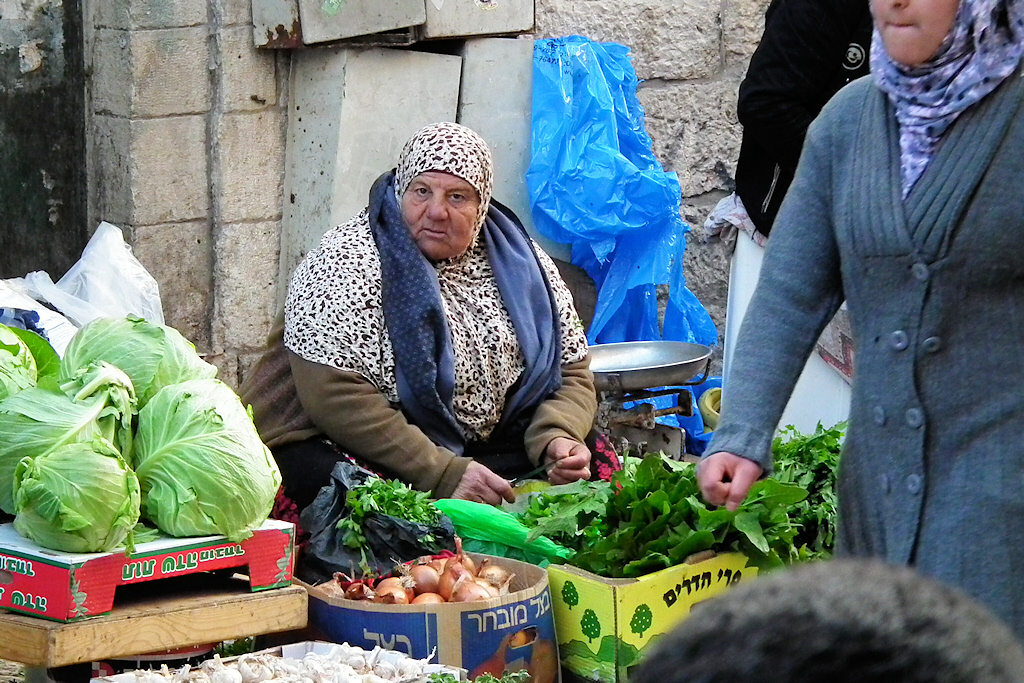
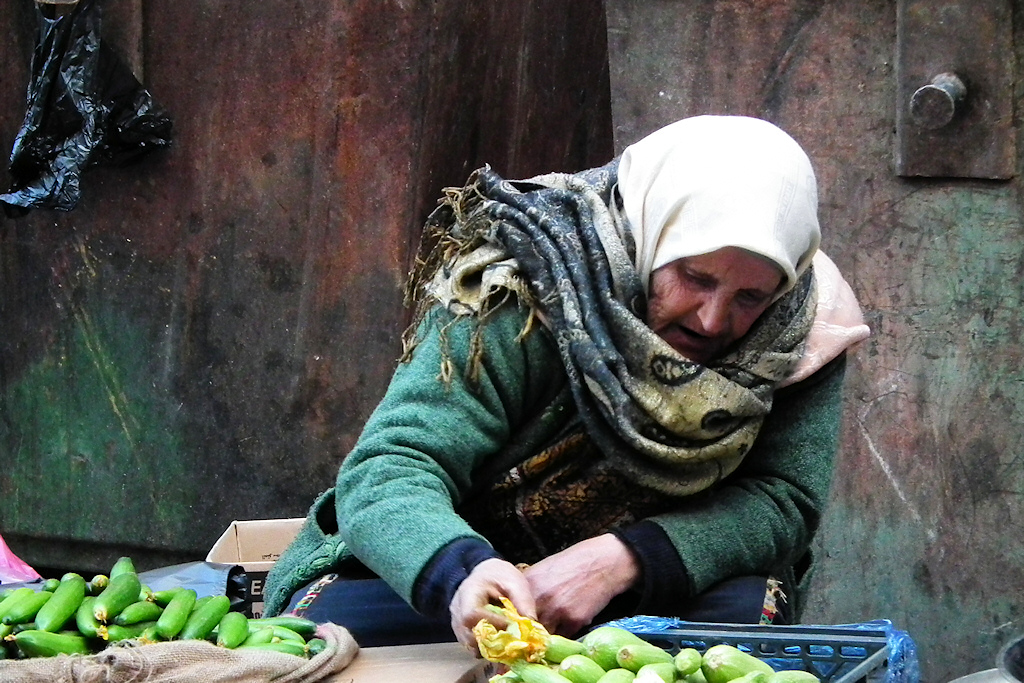
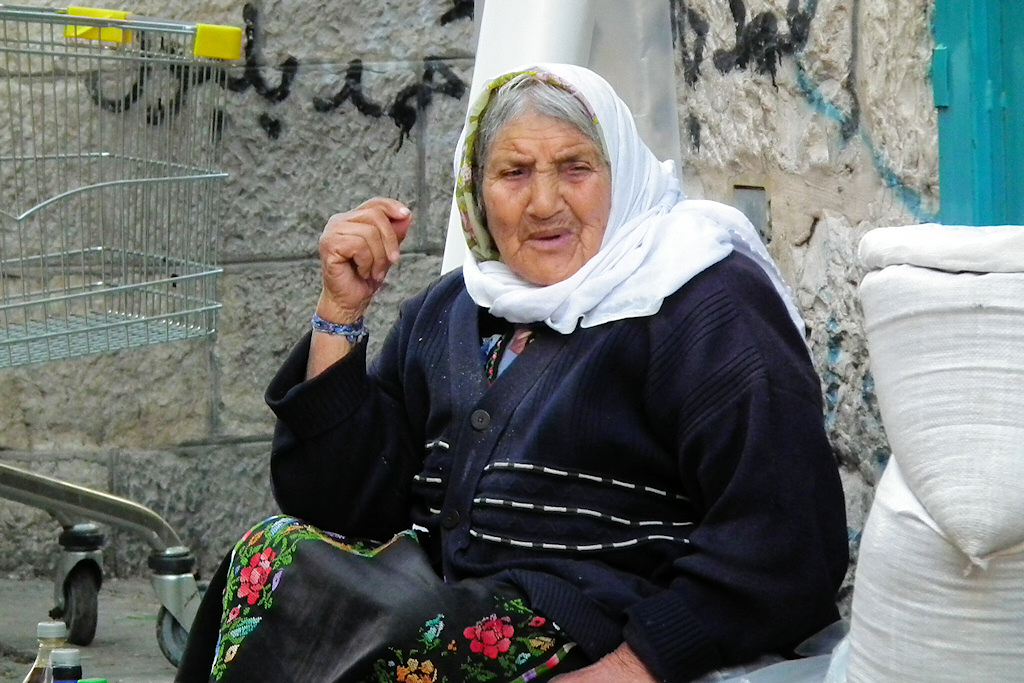
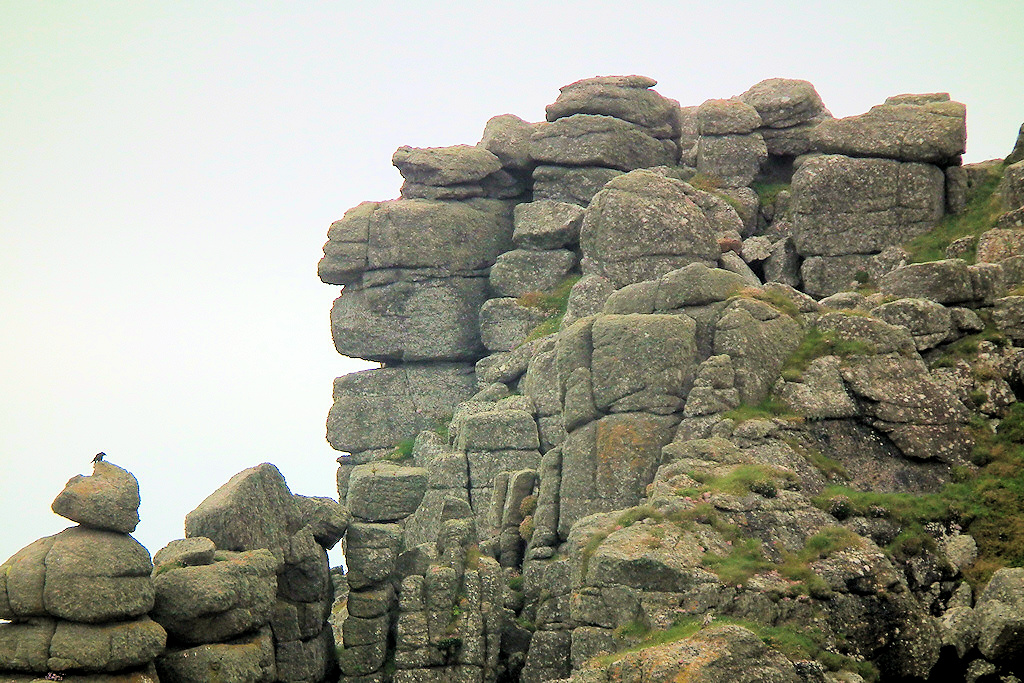

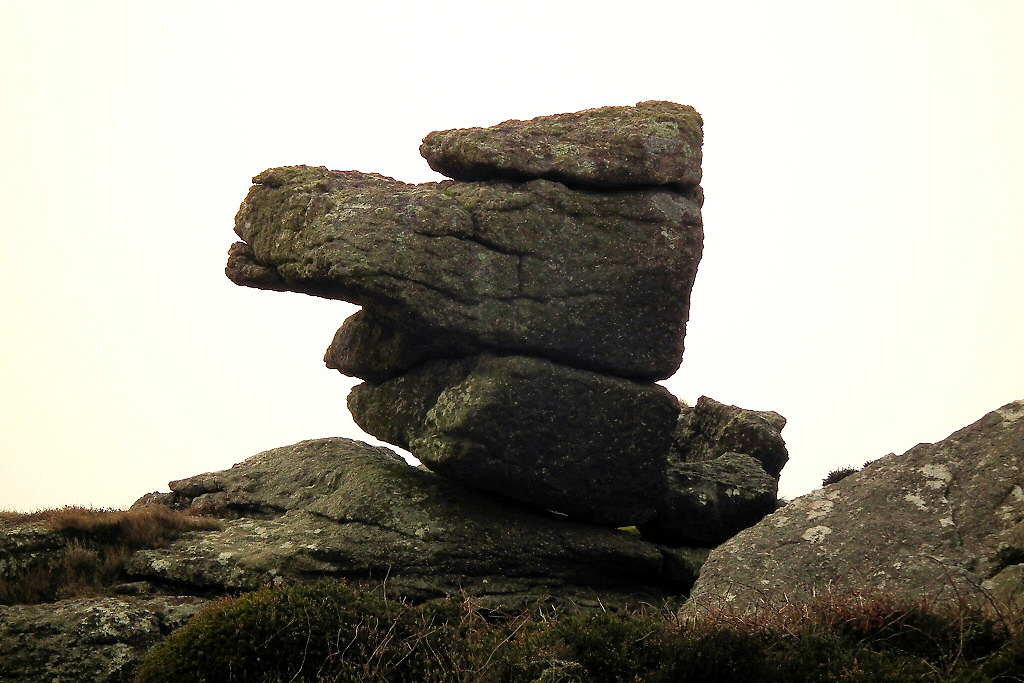

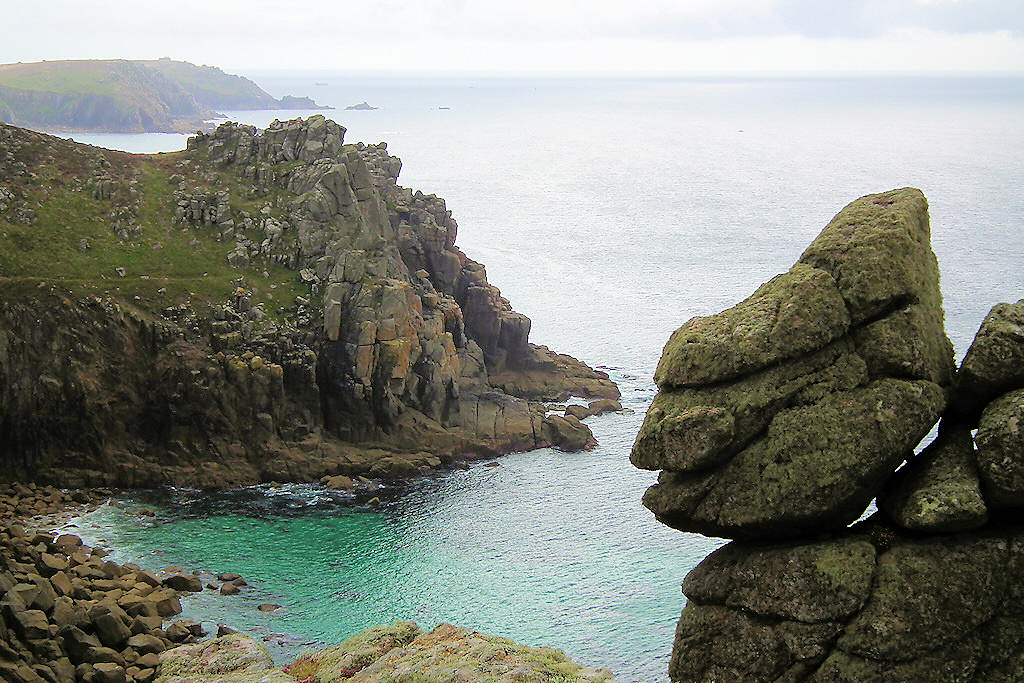

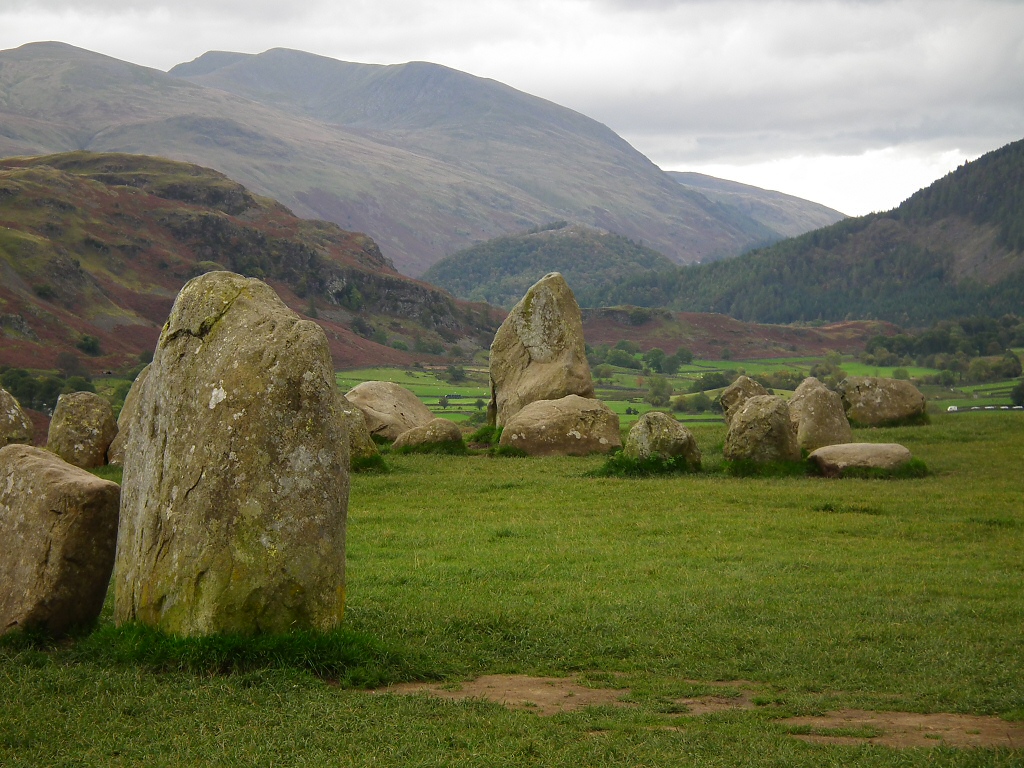


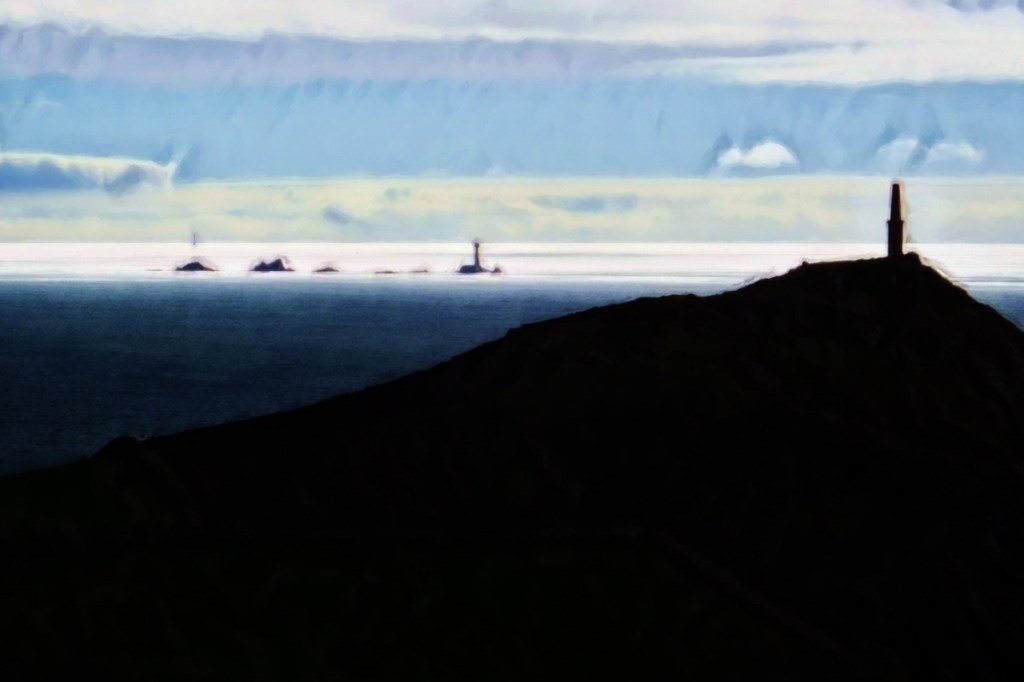


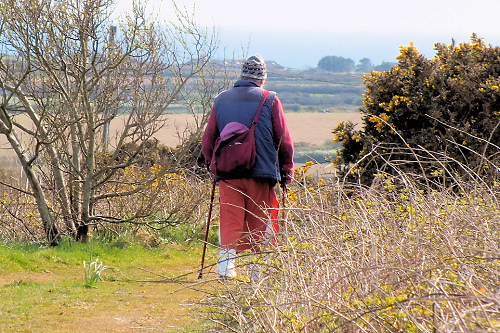
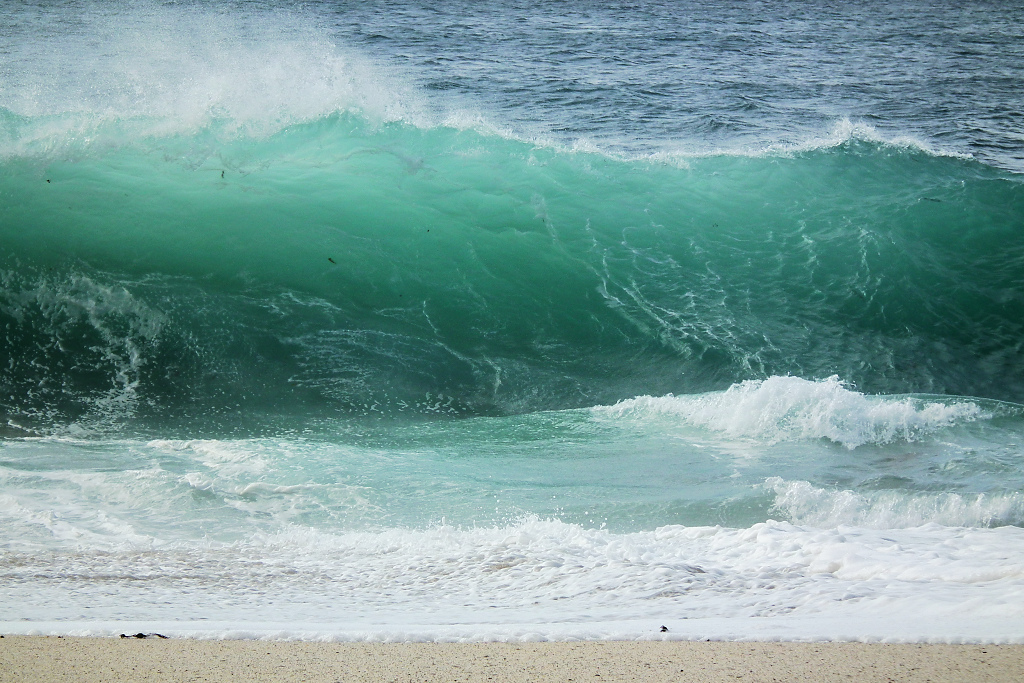

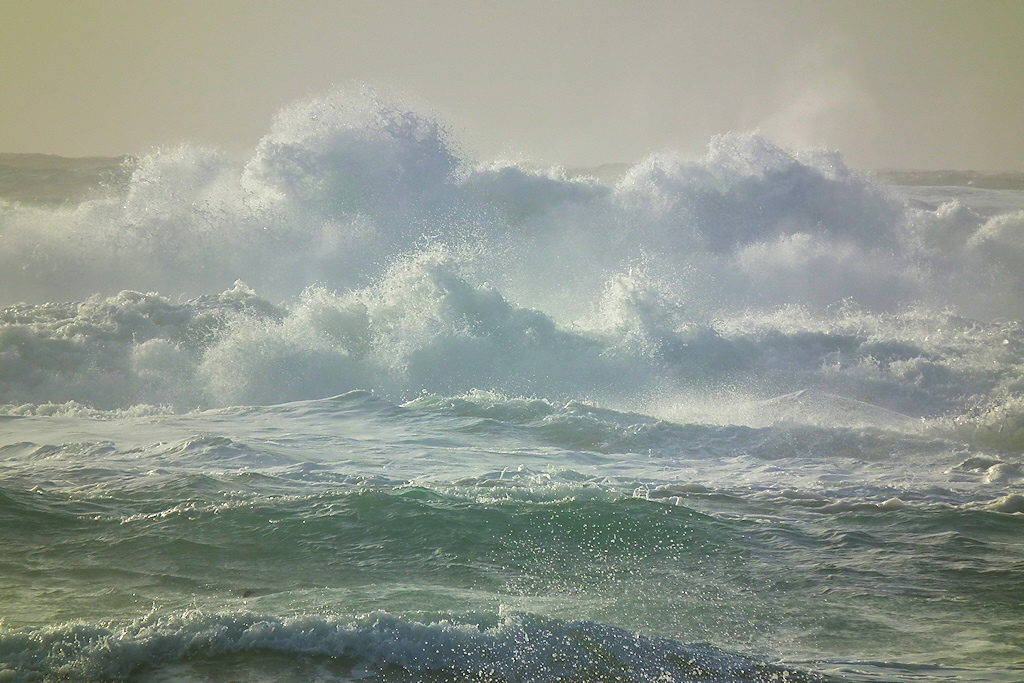

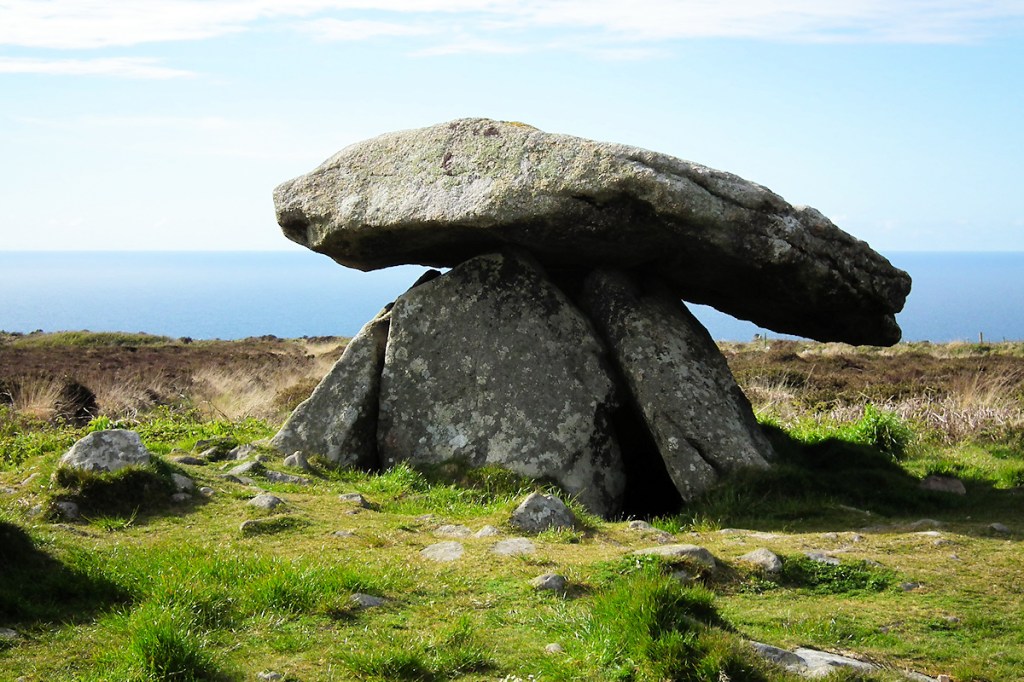
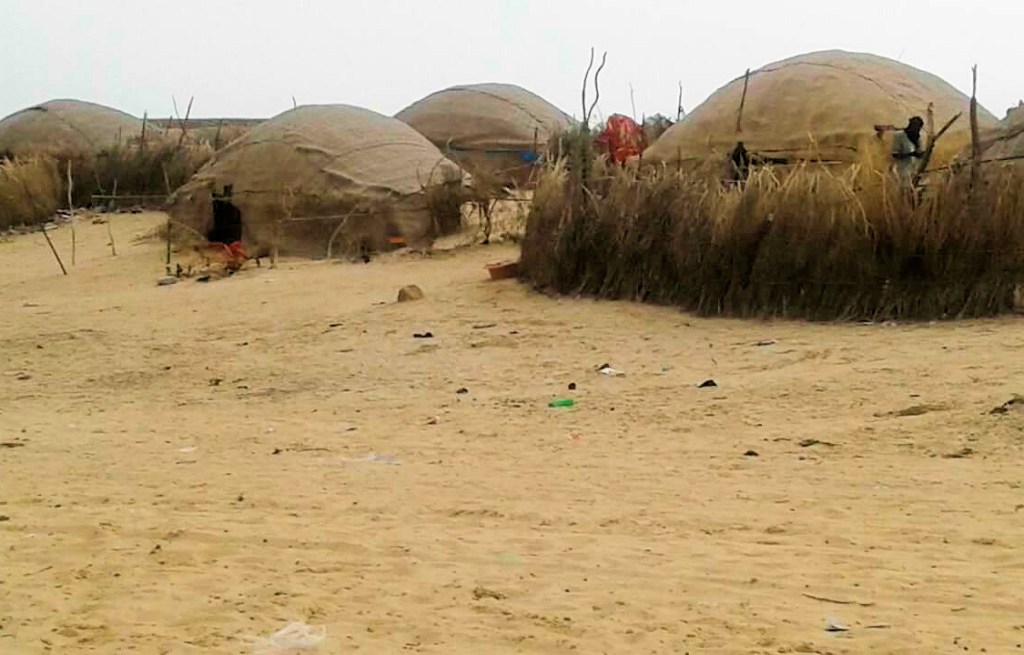
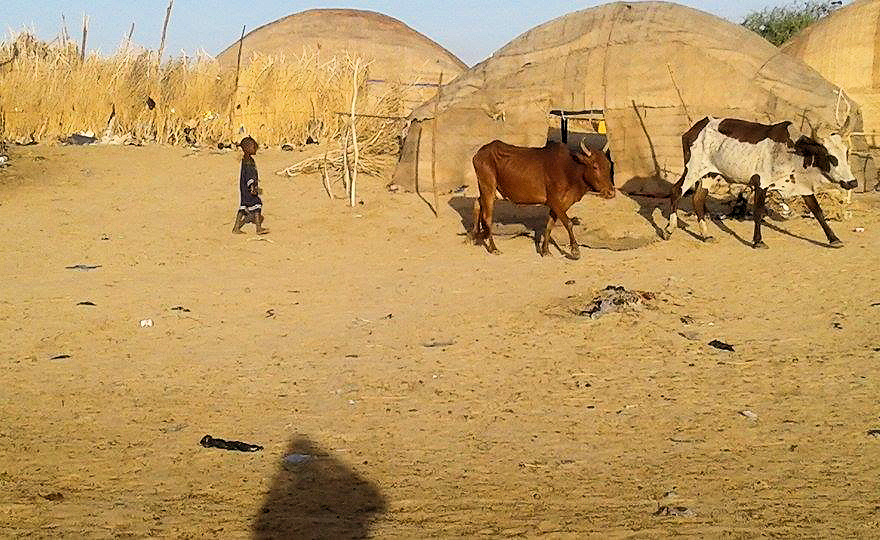
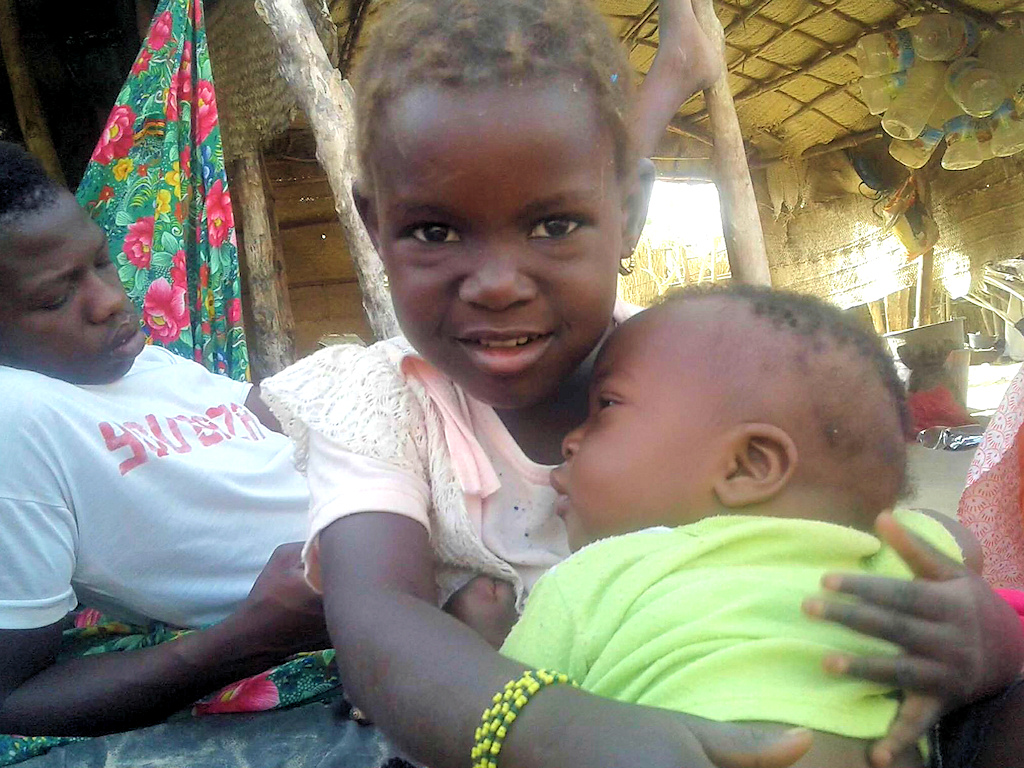

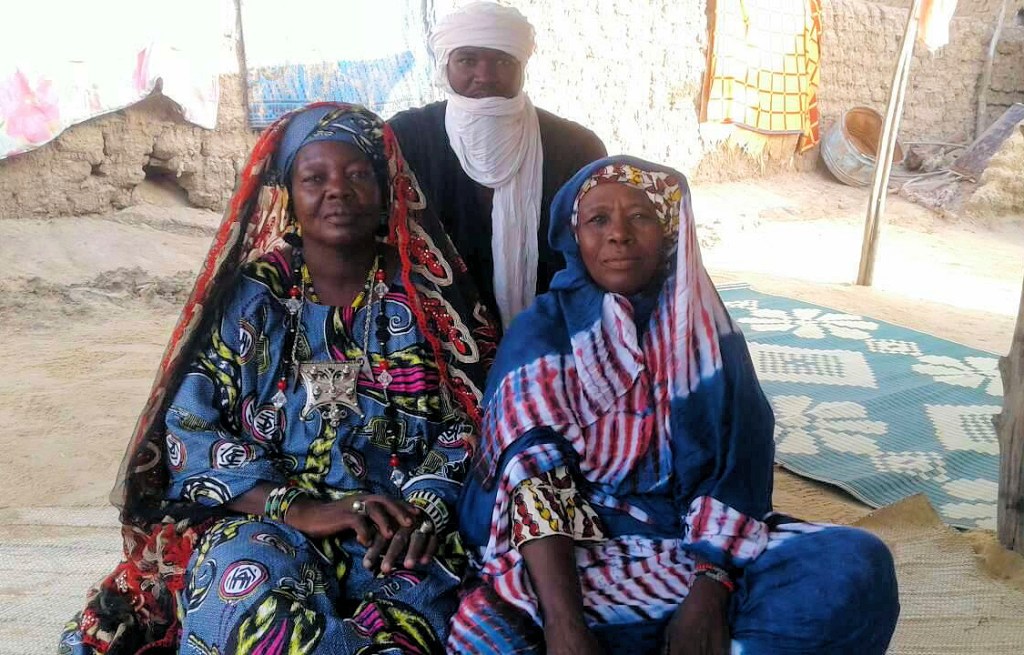
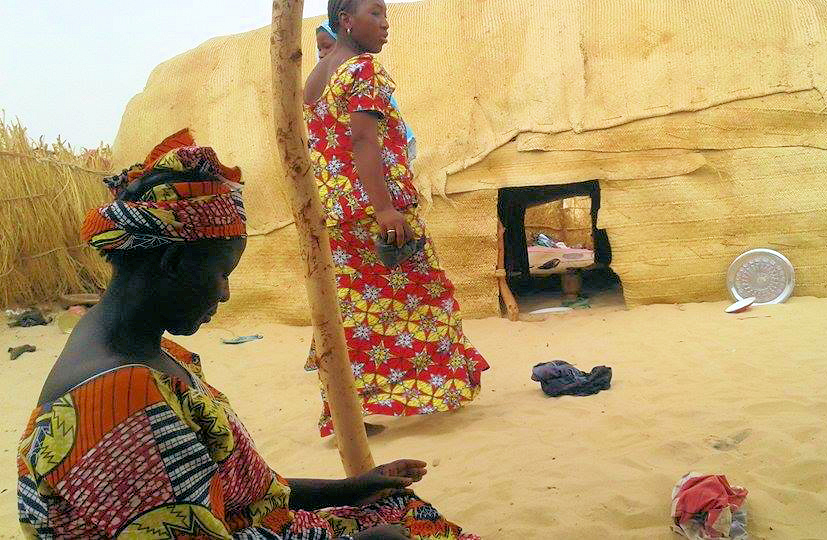


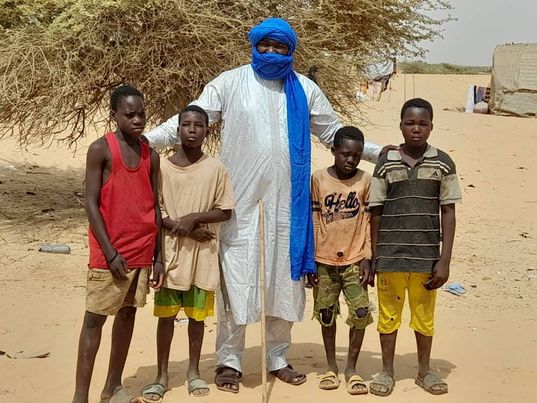
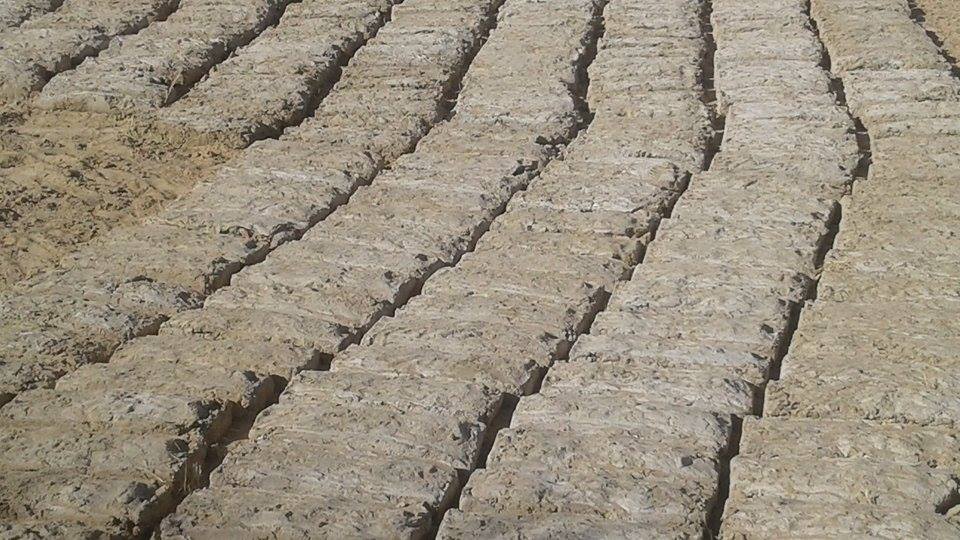

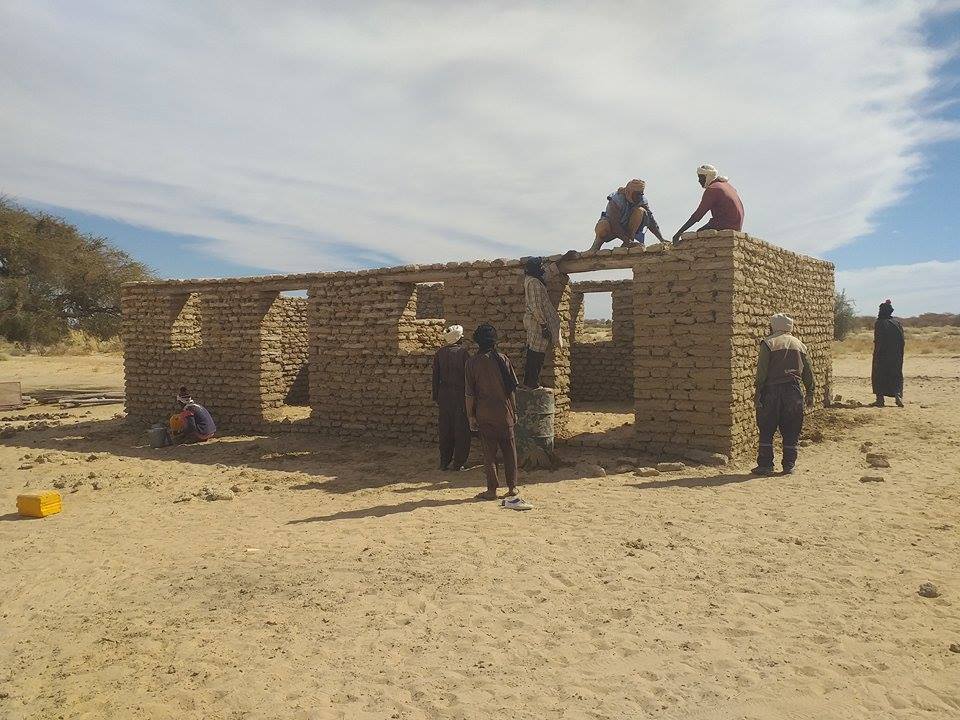


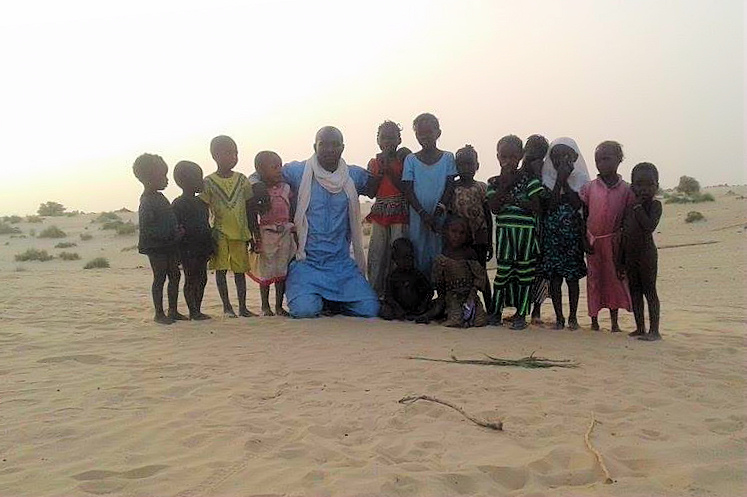

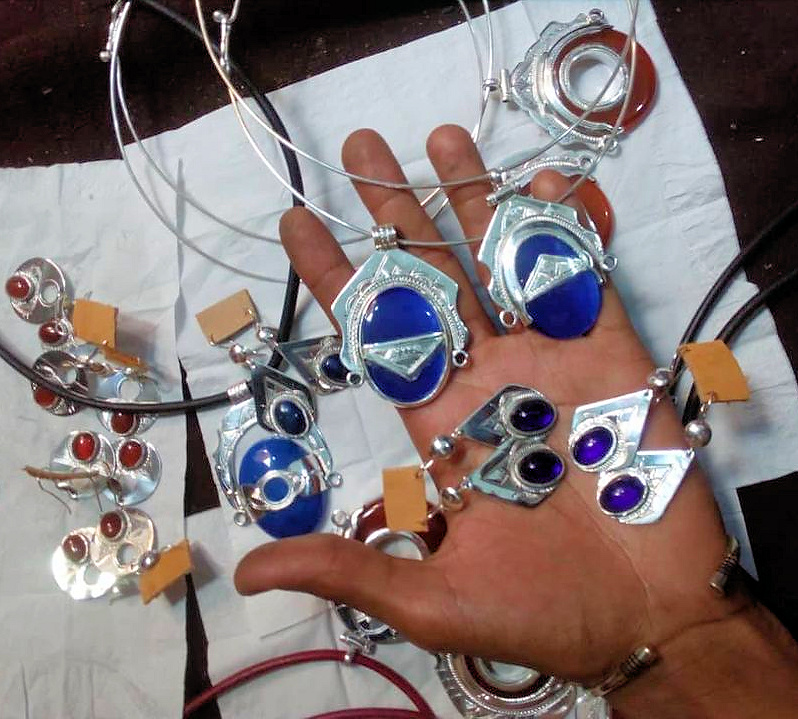

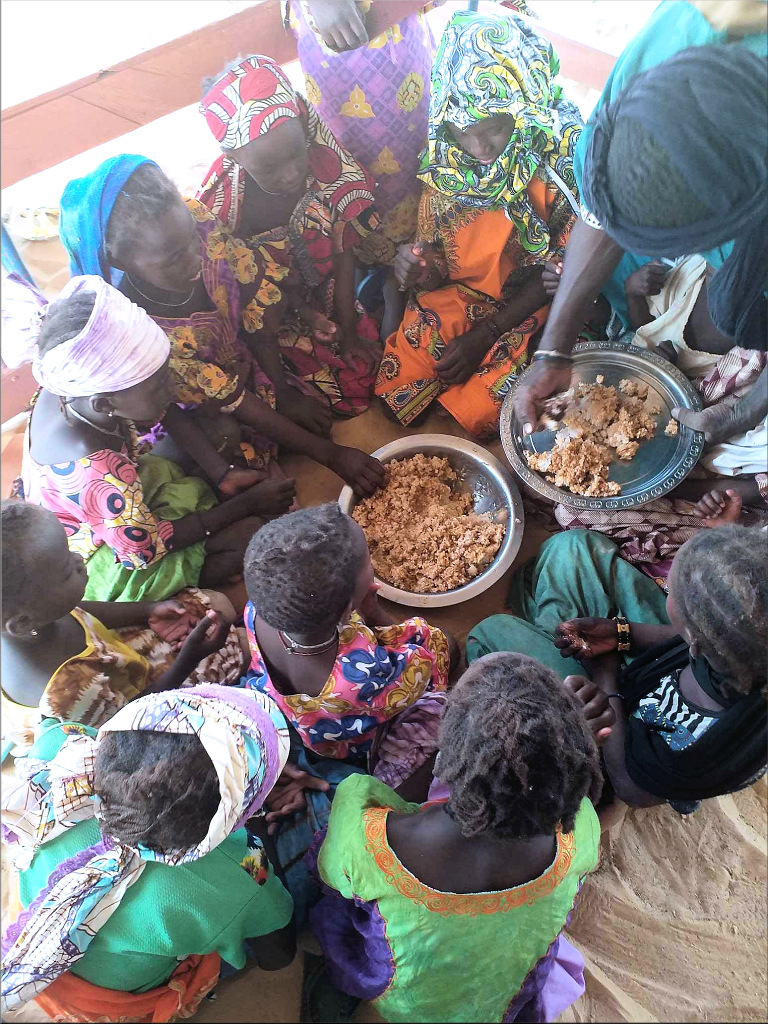

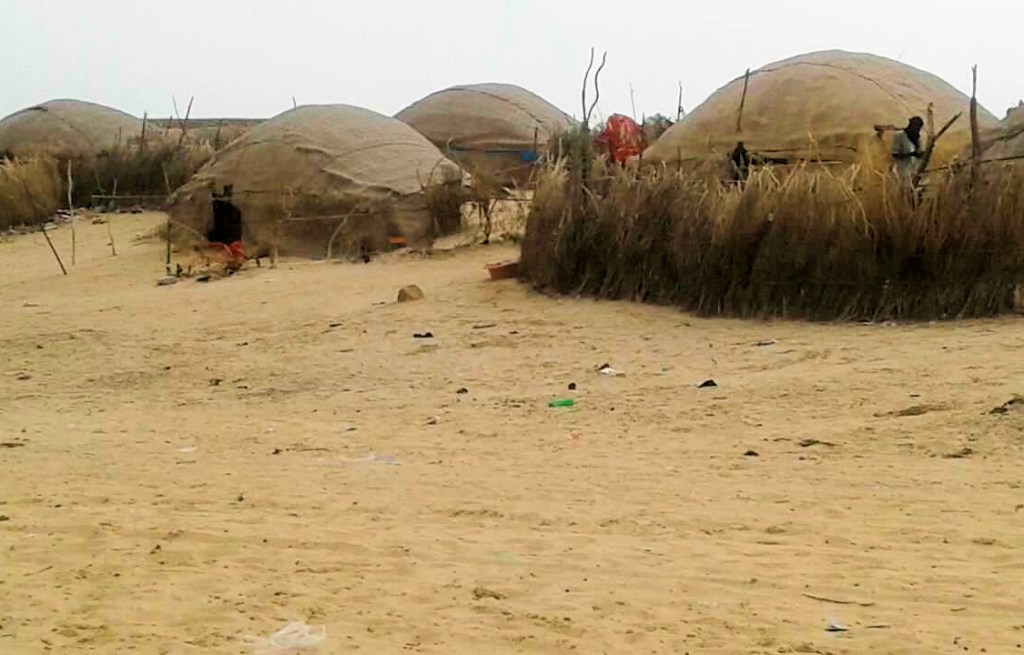

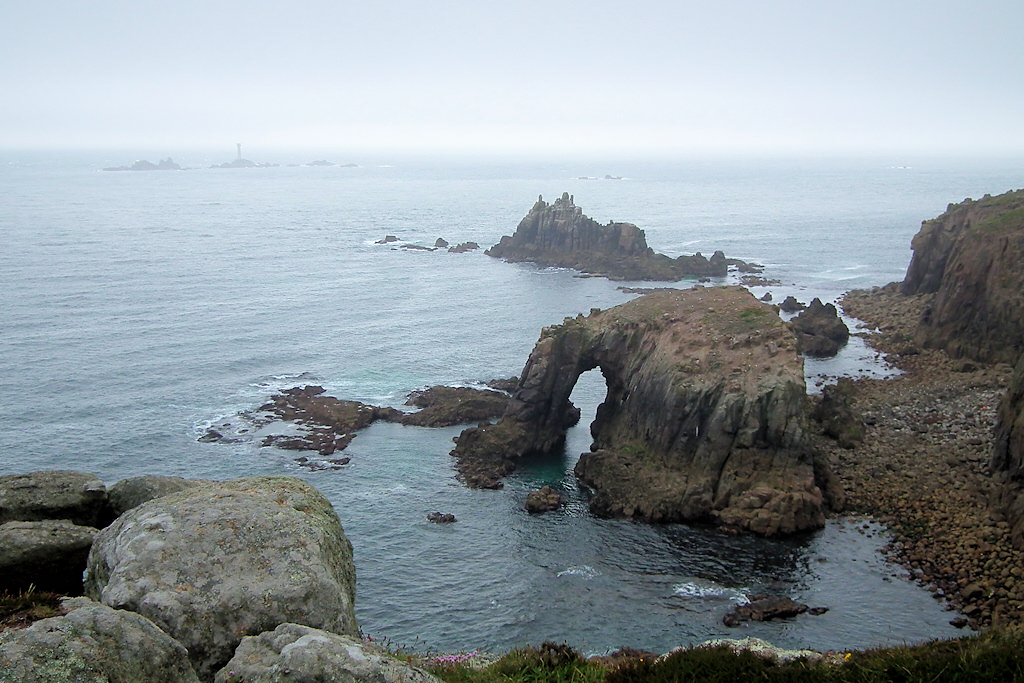


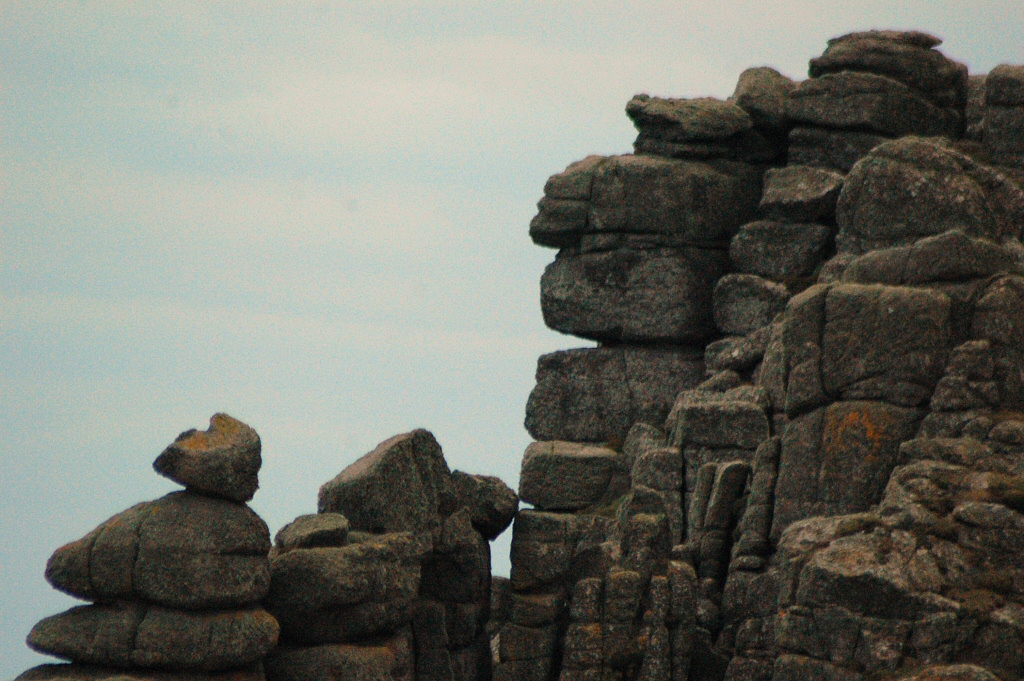
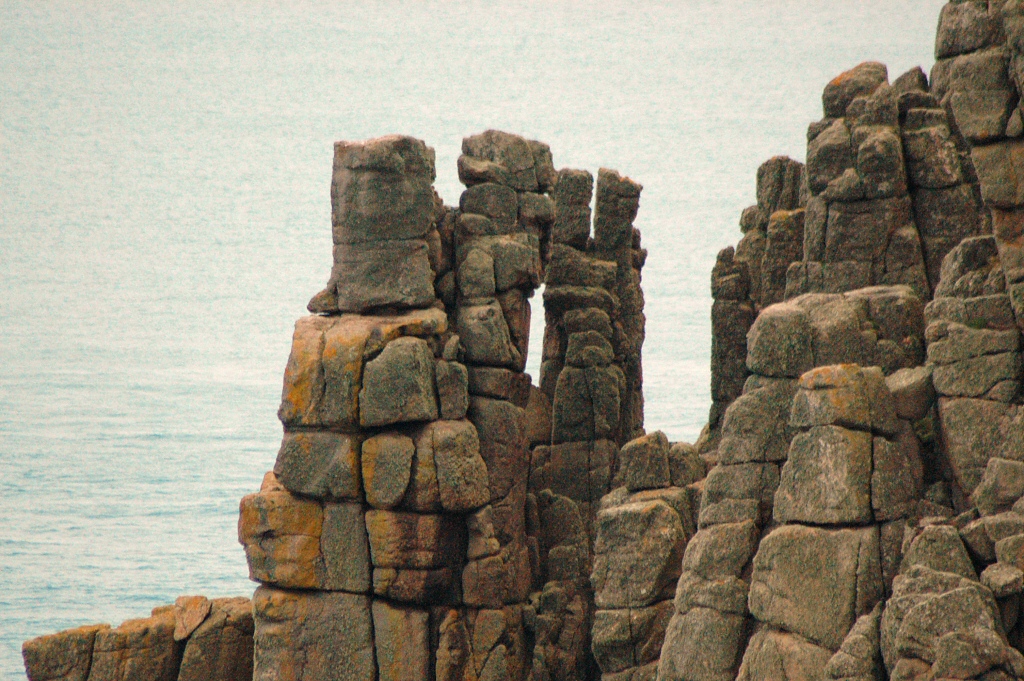
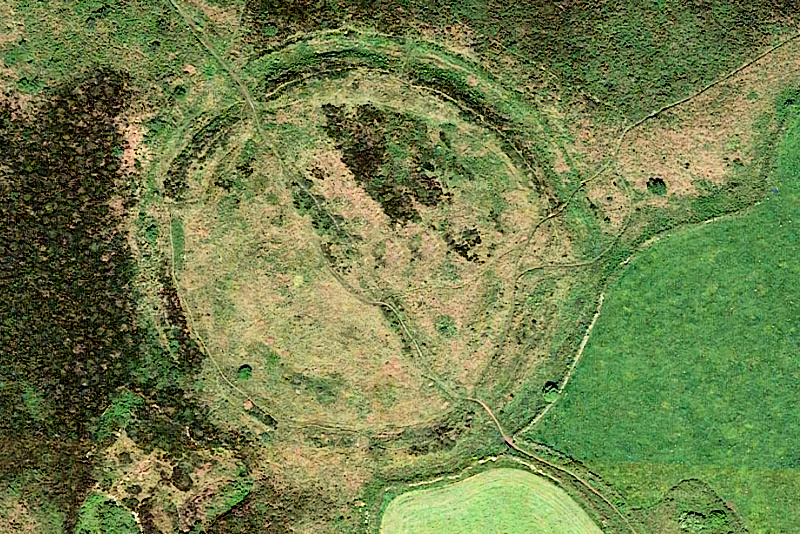
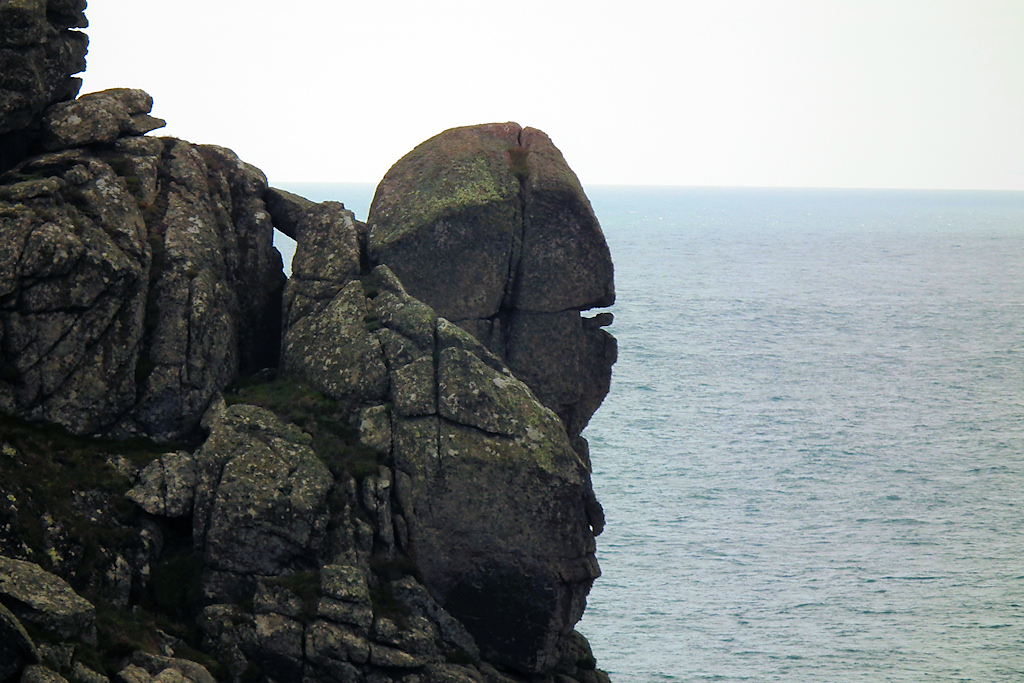

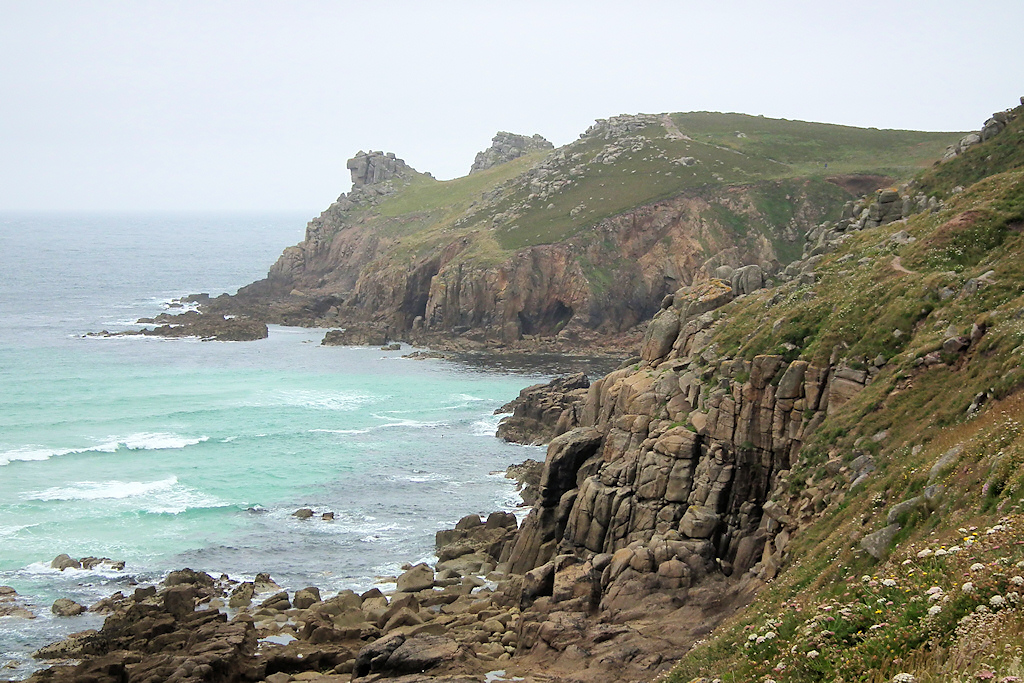

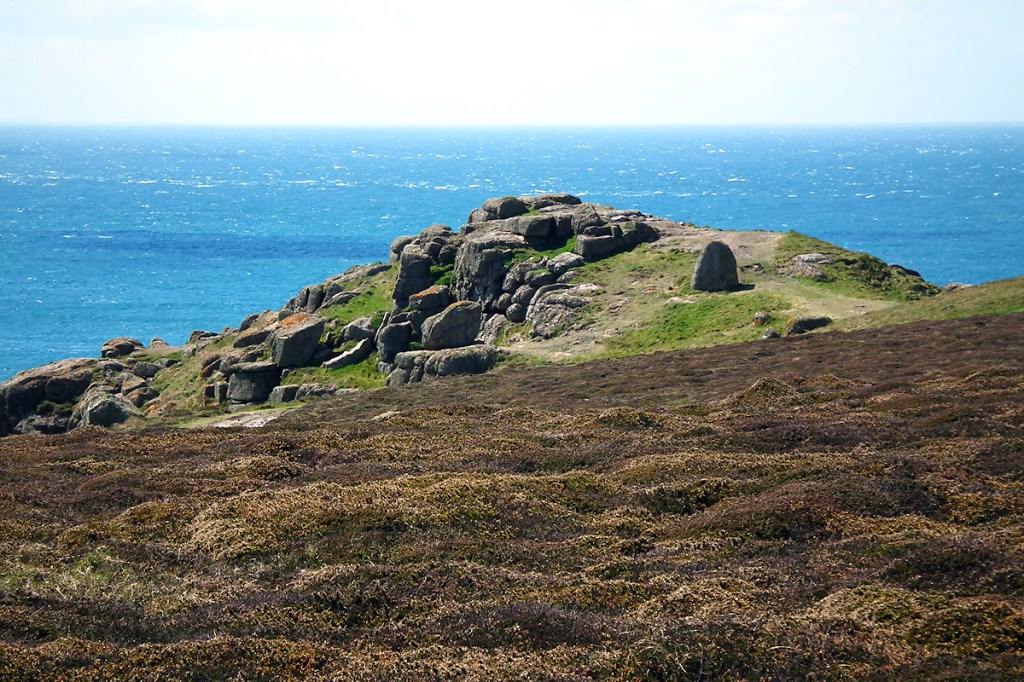

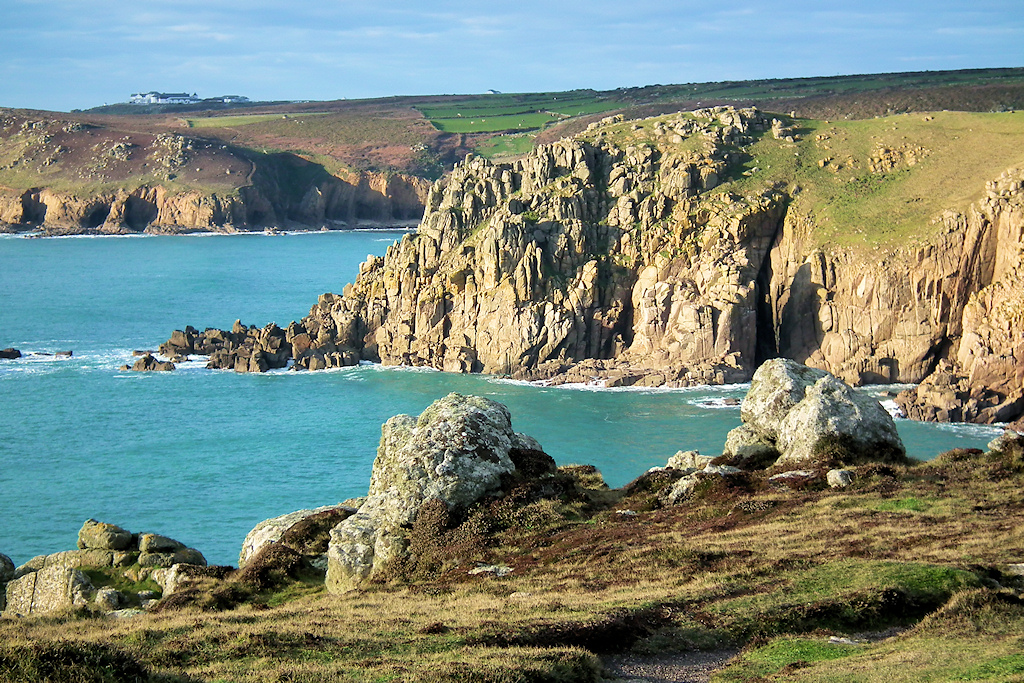


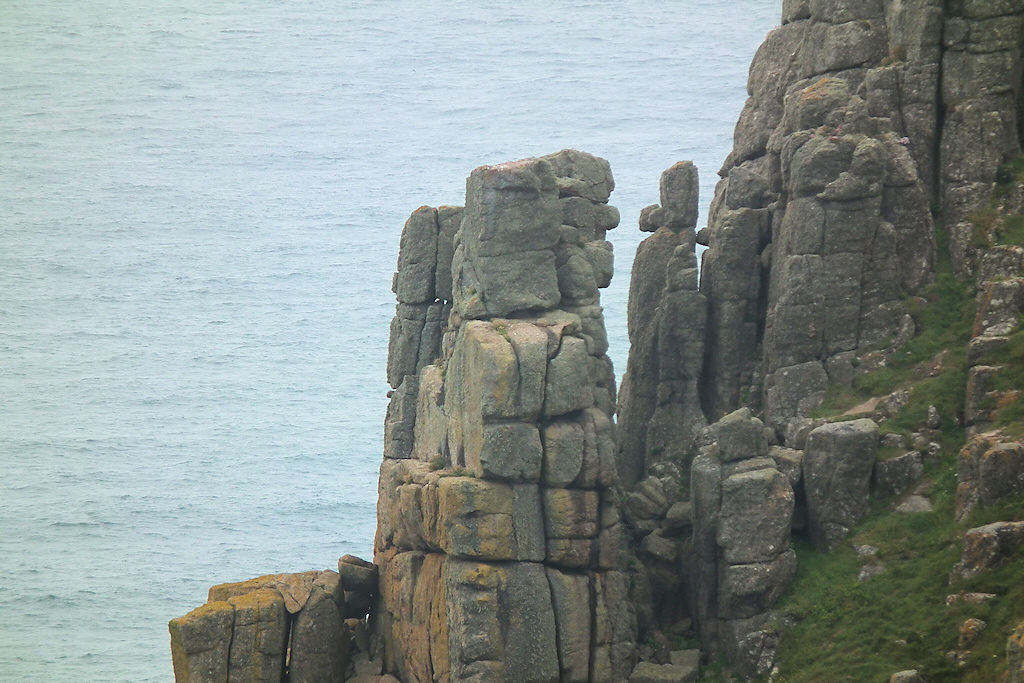


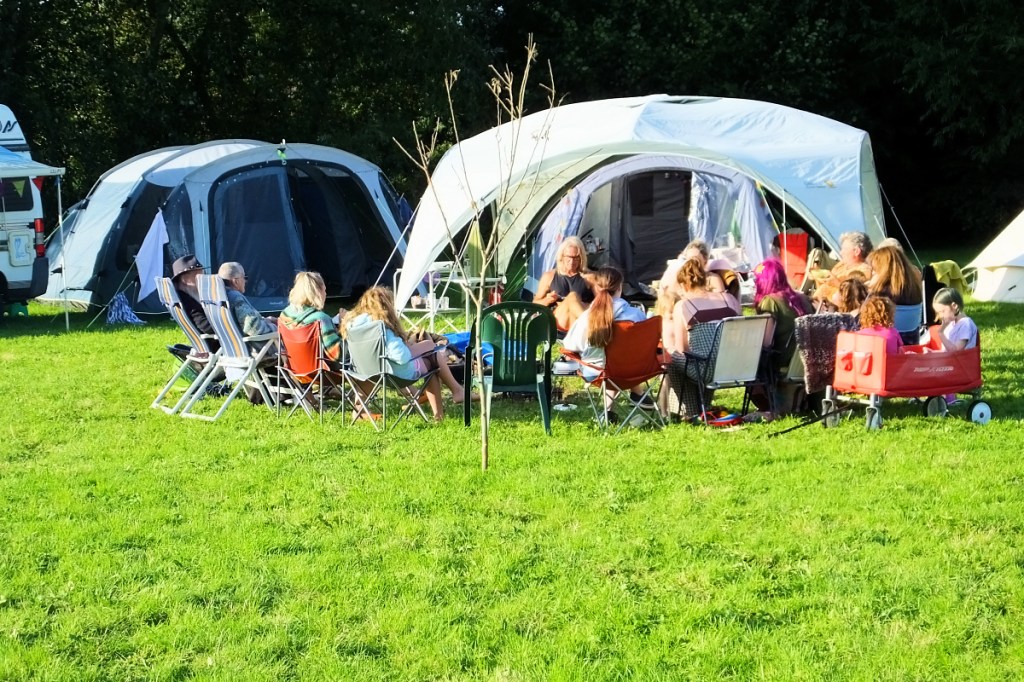
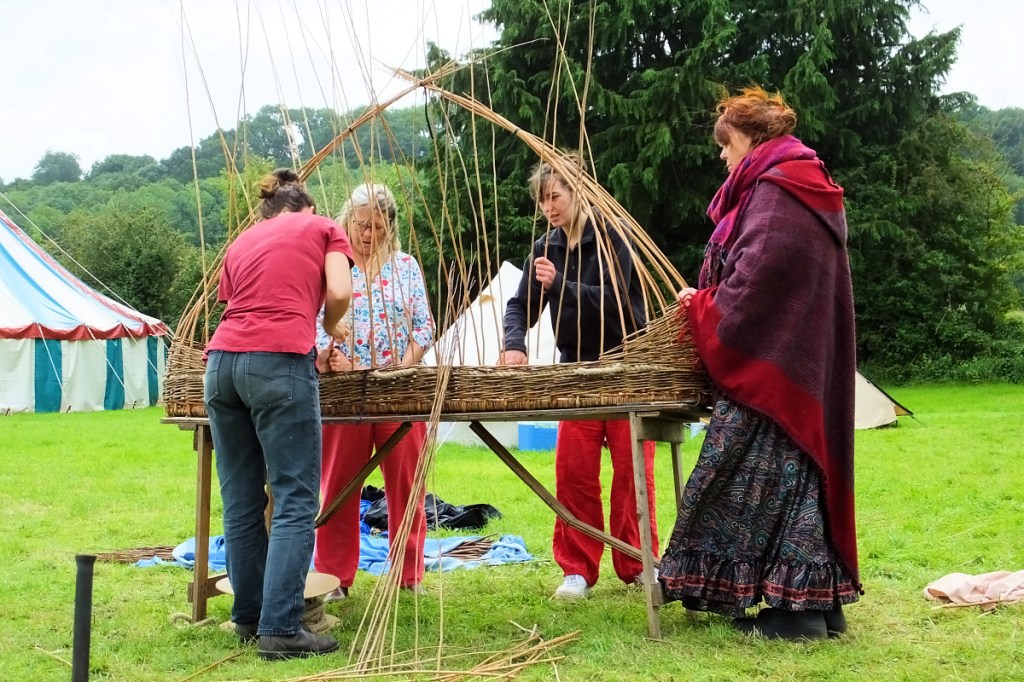



 Notes from the Far Beyond
You must be logged in to post a comment.