Social Capital: Syria

It’s amazing to be part of a revolution – even if it’s temporary. The relief of getting rid of an oppressive regime creates an expanded nowness, a special moment of intensified significance, before the serious stuff that follows inevitably sets in. There’s a shedding of a deep sense of social burden and self-suppression, of unwilling, shoulder-shrugging complicity with something that few were happy with. In Syria, those who took the regime’s side did so because they saw it as the lesser of two evils, or they made a living or gained advantage through it.

But when the cork pops, a deep collective-emotional eruption bursts out, spreading like wildfire around the country, even spreading around the world. It reminds people everywhere, on a deep, hardly-conscious level, that it is possible to change things from the bottom up, that society has power.

It’s also emotionally tragic to be part of a failed revolution – a dashing of hope and faith, a reimposition of fear and oppression, a paroxysm of despair. It can crush spirits. It nearly did so with me – I was part of flower power and a student uprising at the LSE in London – but after a lot of pain and process the experience ended up making me more resilient.

Forty years later in 2011 in Amman, Jordan, I met some Egyptians and Syrians, fresh from their uprisings, proud and uplifted to have been part of them, yet fearful. They were in Amman because they had been chased out of their own countries, regarded as dangerous. The repression of both uprisings had polluted the joy and impetus of revolution, and these guys were vexed about what to do.

I told them that, in the case of the uprising I had been a part of, though we were beaten and broken, the flowering of issues and dynamics that emerged during that short yet long time had withered but not died. It re-emerged slowly over the years, filtering in through society’s back door. Those of us committed to change had continued quietly, developing our green ideas, healing methods, lifestyle changes, music, feminism, back-to-nature instincts and our psycho-spiritual transformations, and it was a all matter of time before these infiltrated wider society – and it still is. Here I was, four decades later, still here, still working for the change I believed in.

I reminded them that change is deep and it is not truly fulfilled by a revolution, which merely clears the way for whatever happens next. It would take time and it would be difficult, but the lava-streams of change would work under the surface, seeping out or erupting over time and over the generations. What makes the spirit of revolution survive, like a dormant seed buried in the soil? Well, whatever its faults, it was essentially right, and it constituted the direction that humanity needs to follow. History takes time to unfold, but time is on the side of change. The issues that bubble up in such change-moments are bigger and more historically-transformative than we often see at the time, and this process takes time. For me, in late life I’ve come to accept that it can take longer than a lifetime.
Now, in Syria, here we have it – the consequences of 2011. The Syrians of the Arab Spring are 12 years older and a new generation has grown into adulthood. Media outlets round the world are wrong to harp on about terrorism and Al Qaeda – they don’t see where the true roots of this lie. They suspect Islamism of malign, threatening things, when Islamism itself is simply a philosophy and social reform movement, the behaviour of which depends very much on the people doing it.

The Taliban in Afghanistan, while dominated by old Muhajedin fighters from former decades, is also stocked with thoughtful, pragmatic, younger and more travelled people who will inherit the reins. Hamas in Gaza was far more (as it goes) progressive, liberal and socially competent than outside commentators and their paymasters wish to see, and the Israeli killing of Ishmael Haniyeh a few months ago, Hamas’ leader, meant the loss of one of the world’s better political leaders. In my humble opinion.

When so-called terrorists have a constituency of local support, and when they are fighting on their own turf for the liberation of their land and people, they are freedom fighters. Terrorists lack empathy, caring little for the people they live amongst, their agenda is geopolitical and ideological and their method is to use violently dramatic actions to create fear and terror, to scoop up media attention. One well-executed bombing can set the world on edge.

HTS is not a terrorist organisation and neither are most of the other militias in Syria (though one or two might be). Other countries would be wise not to oppose or obstruct the new regime – though perhaps it will need moderating with sweeteners. The uprising in Syria is locally-driven, in distinction to the ongoing conflict in Syria since 2011, which has been a viper’s nest of external intervening powers, influencers and financiers. Now their influence is weakened, withdrawn or undermined.
When I went there in 2014 there were about seven sides to the conflict and it was terribly confusing. I went briefly to Deraa and Yarmouk Palestinian refugee camp outside Damascus. Since it was likely that I’d be thrown out of Palestine by the Israelis, under suspicion, and banned for at least ten years, I felt a need to do something else. When asked to visit Yarmouk by a Palestinian tribe with refugee relatives in Syria, I decided to help them, as a kind of courier and emissary.

But it finished me off. Things happened that deeply affected me. Perhaps also I was in denial,lready feeling burned out, with elements of PTSD accumulated over previous years. But this finished me off. I lost my hope and patience in Syria, afterward feeling lost in a smothering cloud of dismay and disappointment. It was the last humanitarian mission I did. I wasn’t happy about that. But life had other designs.

I spent the following years on a self-healing path in Cornwall, doing remote humanitarian work (such as with the Tuareg in Mali), prehistoric research and walking the cliffs and moors. A loving relationship from 2016 to 2022 brought me back to life. Only when I went down with cancer in 2019 was I healed of the clamping shadows I had been struggling with – they were subsumed by the prospect of death, which prompted an enormous inner let-go of all and everything, bringing something of a spiritual breakthrough and a rapid process of forgiveness of myself, others and life.[1]
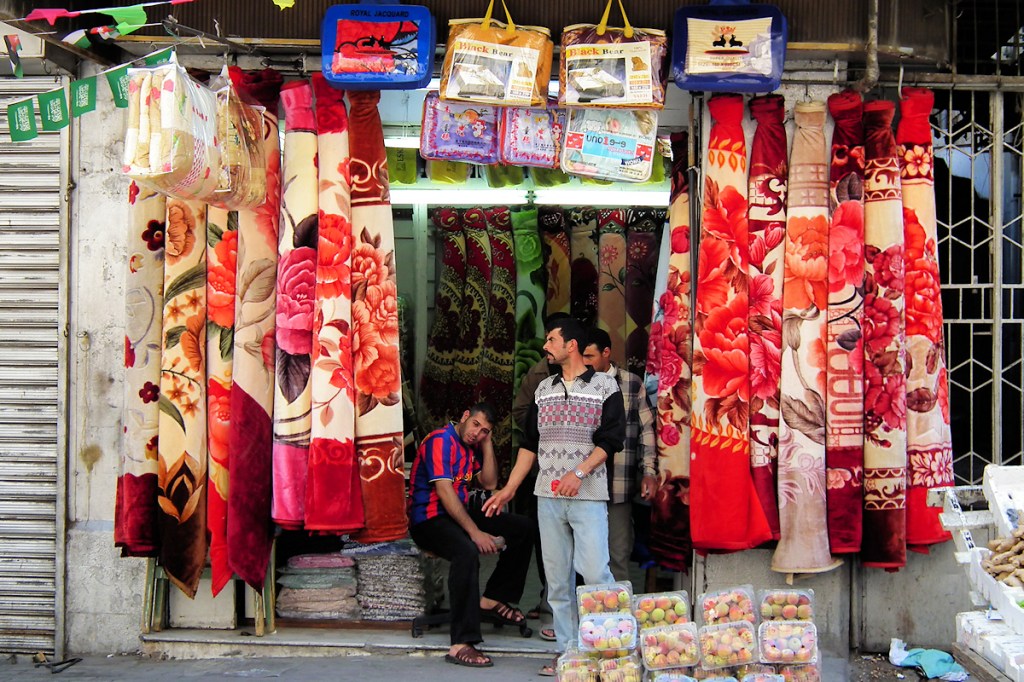
This is deep stuff. When, as an individual, you ‘lose your fear’ and come out into the streets in an uprising, you align with a collective tidal surge of vision, emotion, ideas and spirit that feels truly like a springtime, a release. All sorts of amazing things happen. People come alive, emerging out of the woodwork, progressing a long way and finding a new mission in life. People’s lives change in bulk, and a rising tide of hope lifts up even those people who normally are sunk in a life of drudge, stuck in a state of reluctant complicity. The splintered social dissonance that allows oppressive regimes to gain and hold power melts away, and there’s an eruption of resonance, mass concurrence and shared wishes. This resonance-field fizzes and sparkles, motivating people to do quite remarkable things.

But it all depends on what happens next. It depends on the new leaderships that take power and, even more, on the wisdom, patience and fortitude of crowds. Once the change happens, eveyone wants normality to be restored – the economy, public services, reconstruction, and freedom from excessive and unnecessary obstructions in daily life – though this is not simple and fast. After the joy of change, there’s a lot of hard work to be done.
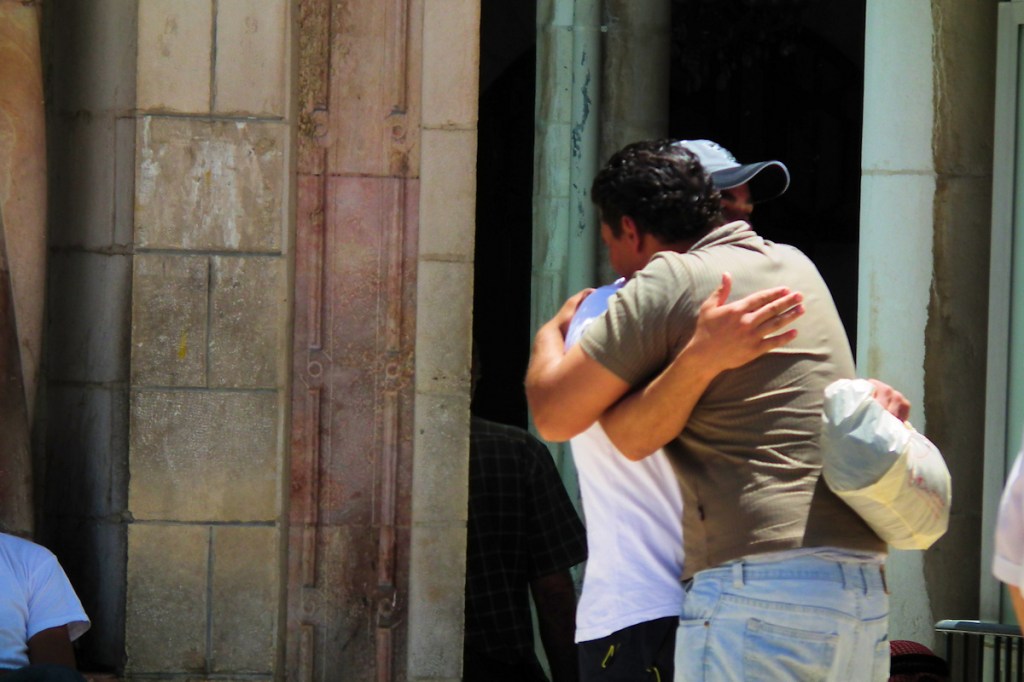
The wisdom of crowds… this is a delicate matter. After regime change in Sudan, the democratic movement did quite well for a time. There was a maturity to the way that people dealt with their tender democratising situation after a long period of dictatorship. But it was delicate, involving a lot of mutual trust, and there are people who manipulate unstable, transitional situations to their own advantage – they can act quicker and more decisively than collectivities of people. They have a contrarian need to break the magic ring of mutualised social power, aiming to restore public dissonance at any cost. In Sudan, it became a slugging match between two oligrchies, each headed by generals, each supported by different outside powers and financing. The democratic movement was killed off, tragedy ensued, and it continues today. Most of the world isn’t interested. Hope is not currently available in Sudan.

Ten years ago I was involved with a small group called the Flying Squad.[2] We did geopolitical healing work and, by 2014, the group had been working together for sixteen years – so we had some experience. It involved a weekly group meditation, wherever we were, and three or four weekend meetings each year – and membership involved committing to 100% presence and involvement in all meditations and meetings, to take group synergy to a higher level.

We did a lot of work with Syria and its uprising and civil war, even travelling to Greece to get closer. There were times when we felt we were getting somewhere in our efforts, but each time a new set of events would re-ignite the situation and make things worse – often prompted by outside intervention by state and non-state actors. Were we getting things wrong? Or was this simply an intractable situation?
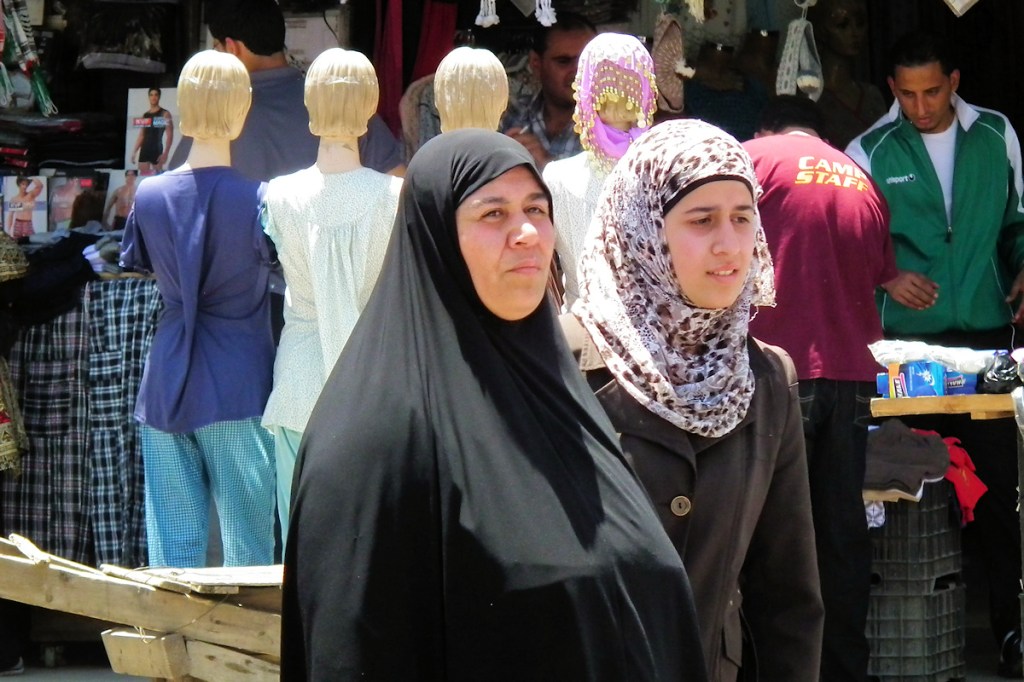
This was a big learning. As a planetary healer, you have to learn and accept that sometimes it doesn’t work. There was a point where, in our inner investigations, we discovered an enormous ancient telluric ‘worm’ or dragon in the Euphrates valley in Syria and Iraq, and it was deeply upset. We tried to ease its concerns and help it clarify its aims – it was deeply unhappy about the fighting, oppression and oil extraction in its patch. After we did this work there was indeed a brief pause in events, providing a glimmer of hope, but it soon was dashed by new developments.

We had to learn that there are some things you cannot help. The reasons often emerge later, even years later. Sometimes we can be too restless, short-termist and attached to immediate outcomes. It’s unwise and even egocentric to expect results, just because you feel you’ve put your heart and soul into it and, by rights, it should work. But there can be reasons why it doesn’t work. The idea of creating a ceasefire in Gaza, for example, while desirable, doesn’t actually resolve the problem and its causes, and it might not bring a fundamental healing of a bad situation.

Deep down, countries like Syria and its neighbours are developing a social immunity to conflict and oppression. This is at street-and-village level, and it’s a semi-conscious thing fermenting underneath. The key mechanism is that a society must reach a level of exhaustion with war and oppression, to the extent that it firmly and behaviourally no longer permits it. Society stops responding to the methods that oppressors and warring factions use to divide people and set them in fear. This is pretty much the case in Lebanon nowadays – they’ve had enough of strife, havig been through many decades of it.

The seat of such social power rests a lot with women: if women collectively no longer accept a bad situation and are tired of going along with what men are doing, the violence ends, sooner or later. It’s a buildup of firm and settled emotional consensus. This was one of the key dynamics of the peace that came to Northern Ireland in the 1990s – women put pressure on men to make a change. They just stopped making sandwiches for them and washing their underpants.

There’s another force at work that generates this immunity. After a while, everyone just wants to go home, sleep in their own bed, be with their family and feel safe. This is another rather feminine feeling. When fighters get tired, conflict ends, somehow. It’s a deep tiredness with the privations and dangers of war and oppression. It’s what made the Syrian soldiers recently melt away as the militias advanced – they were fed up. They’d lost the sense of purpose that soldiers need to have if they are to put themselves in the way of danger.

So we now have a full-on situation in Syria. A lot hangs around the international community and the way it responds. A lot hangs on leaderships and their behaviour. A lot hangs on social solidarity, forgiveness of the past, de-corruption and a buildup of trust and integrity in society.

We’ve had a lot of failed uprisings in recent times – in Myanmar, Belarus, Hong Kong, Iran, Venezuela and Sudan – but something has recently changed. Astrologically, Pluto has moved from spending 16 years in Capricorn – a sign that generally hangs on to stability and convention and doesn’t like change – to spending 20 years in Aquarius. The emphasis has shifted from the prevalence of governments and institutions to the prevalence of crowds and public attitudes.

There is a possibility here of a real turning of the page. Not just the replacement of a Captagon-driven, oppressive narco-regime with an Islamist one, but also a change in Islamism itself, and a change in the behaviour of the public. All over the world, the style of governance of countries has come into focus – both democratic systems and authoritarian regimes are in trouble, and people at the top no longer sit securely in their seats. We shall see.

I’m wondering how the Palestinians in Syria (around 450,000 of them) feel about all this. Assad had treated them well, in comparison to many other countries, so they were grateful for that, but the Palestinians could not accept his violent response to the 2011 uprising, and this put them in a difficult situation. Palestinians do not like Muslim extremists either – Al Qaeda or the Islamic State – and in the last twelve years of instability they have come under attack from various directions. I hope they’re feeling some relief today.

This has stirred me quite deeply and personally – helped by the winds and storms raging here in Cornwall in the last two days. It’s a glimmer of hope. It reminds me of the Iranian Revolution of 1979. At that time I was contemplating suicide – the only time I’ve ever felt that feeling. I felt blocked by life from every direction. Everything seemed to be going wrong. But, on the weekend when I might have done it, the Iranian Revolution happened, and this suddenly gave me a spark of hope. It went bad soon after, but on that weekend it looked as if something quite big was changing. I forgot suicide. For me, amidst a dark night of the soul, it was a turning-point: my soul was asking me to make a big and deep commitment to my life’s work. It involved the end of a marriage, the loss of my children and a return to Britain after a time of exile in Sweden.

It was the beginning of a new path in life that brought me to where I am now, affecting thousands of people along the way. For better or worse, that is, since there are times when I’ve screwed up too. However, the posterity-perspective of late life seems to be telling me that it was, on balance, positive. Just above my desk is a Healing Buddha with a little sign at its feet which says ‘Time is a Healer’. Well, yes, though it’s also a decider, an accounting, a process of judgement by posterity. We ourselves can only make an accounting, but time, the wider world and other people judge the balance of benefit our lives have brought.

The same goes for revolutions and regime changes. The Assad and Makhlouf families and the deposed Syrian oligarchy have a lot of accounting to do, and history is unlikely to be sympathetic – as with Saddam Hussein, Ghaddafi and possibly, in future, Netanyahu. Together with many others, too many to name. But, in our own smaller lives, we face an accounting too since many of us are guilty of a shared crime that also needs to end: to quote 18th Century philosopher Edmund Burke, ‘For the triumph of evil it is necessary only that good people do nothing‘. That is a crime we all variously have a stake in.

However, here’s something. We need to be careful about the way we label some people as goodguys and others as badguys. We get dictators because we didn’t stop them coming. So, instead of focusing all the blame on them – or all the Trumps and Al Fayyads of the world – we ned to remember to look at our own part in the equation. As old Jesus once said: ‘Let the one who is without guilt cast the first stone‘.

The building of social capital and the amassing of power to the people involves a lot of deep forgiveness.

With love, Palden.

www.palden.co.uk

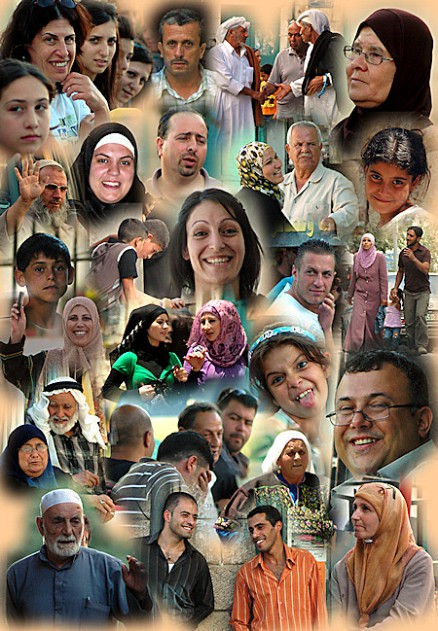
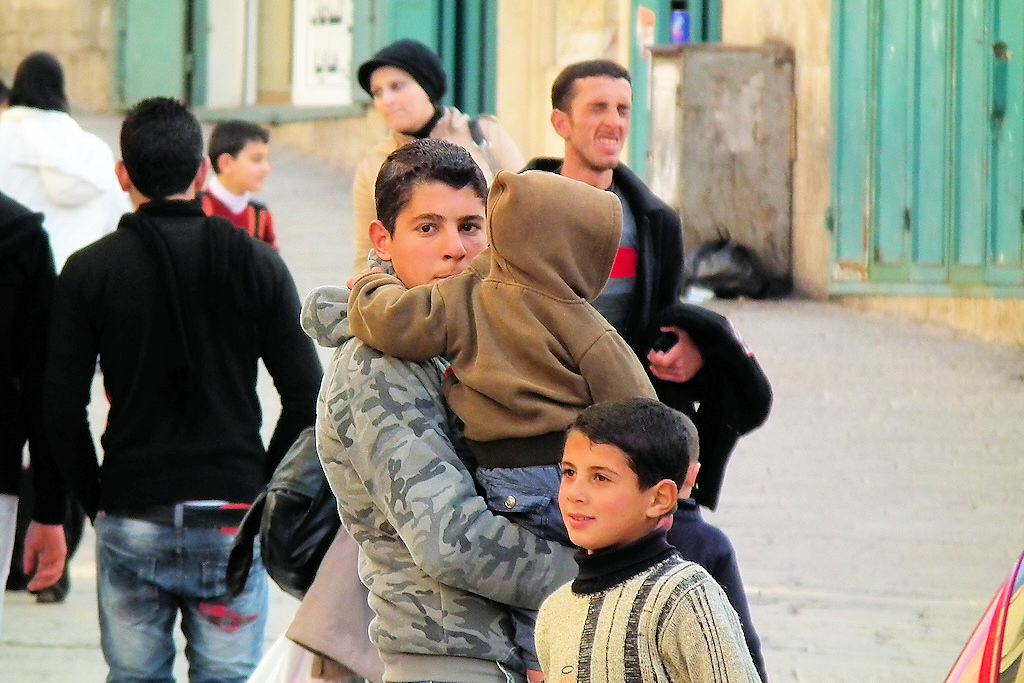
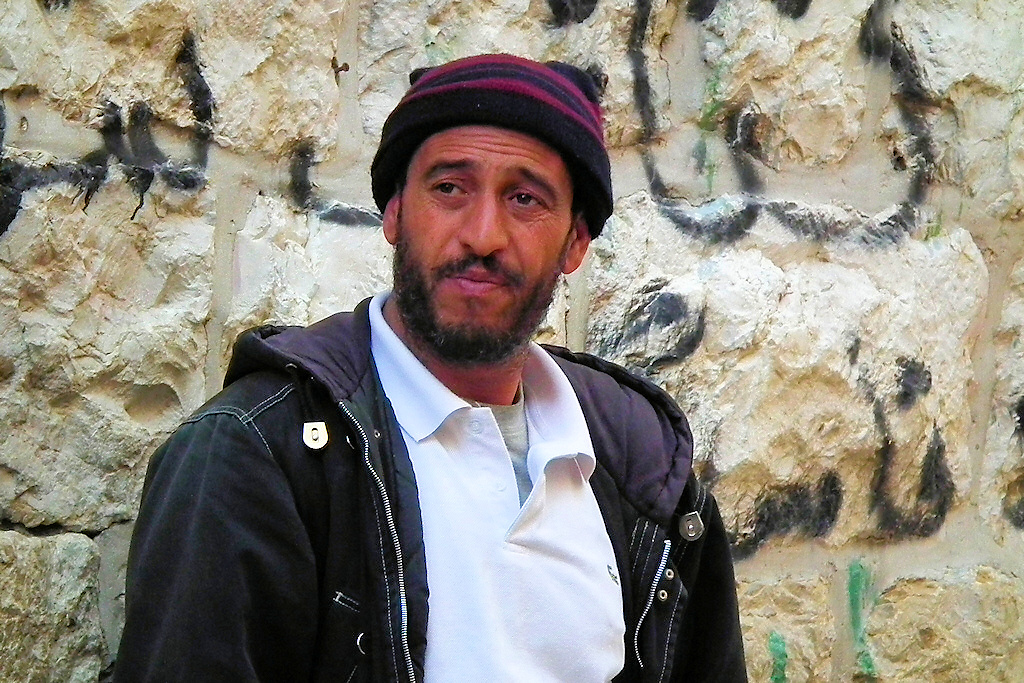
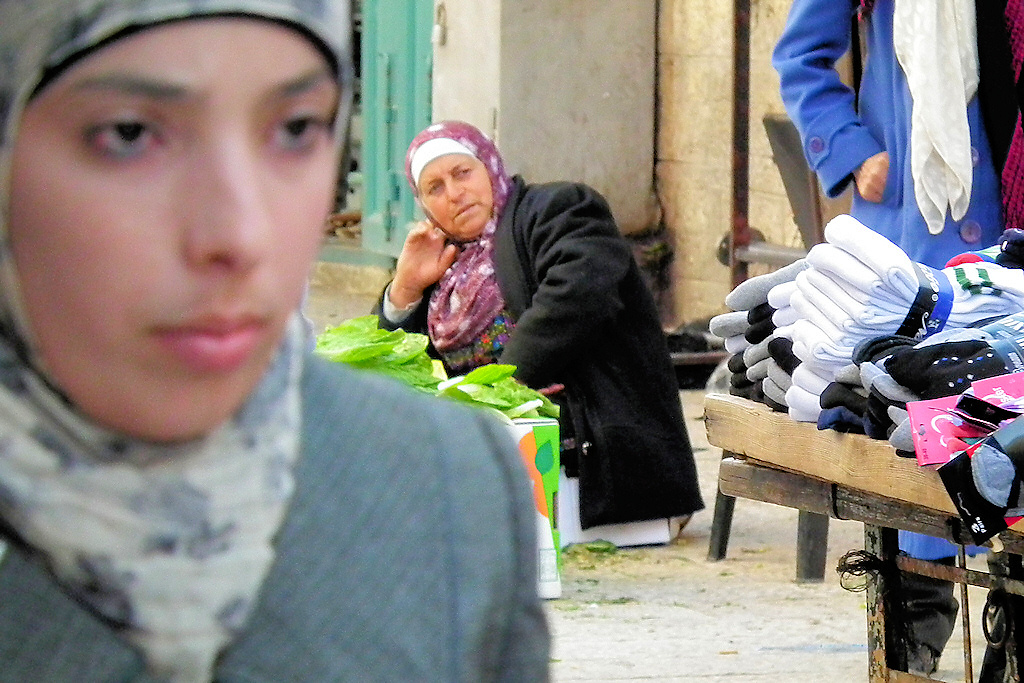
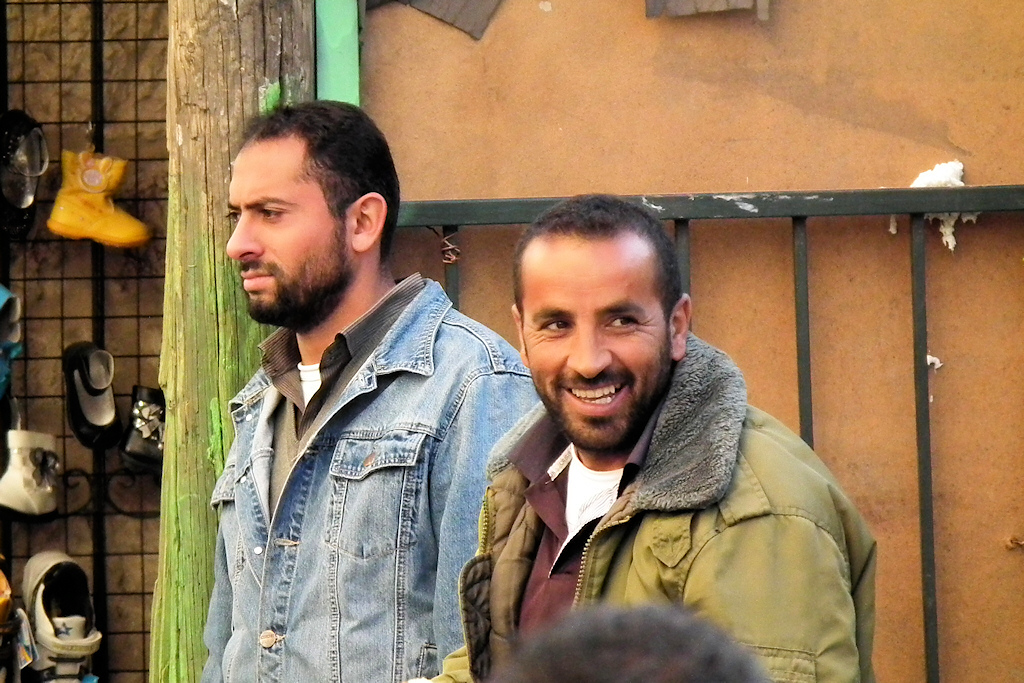
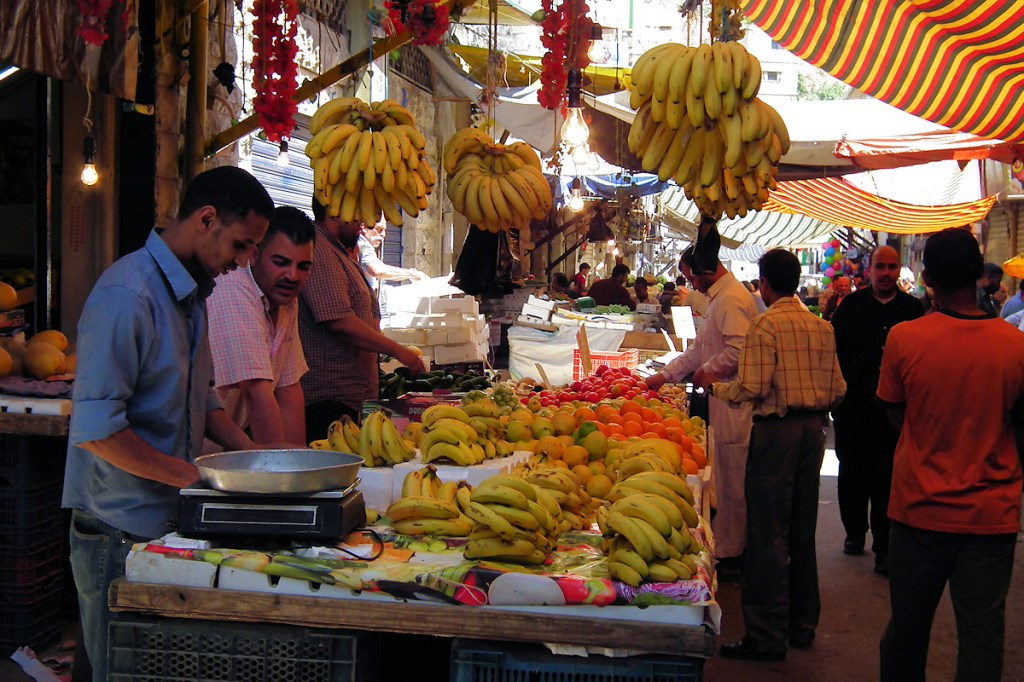
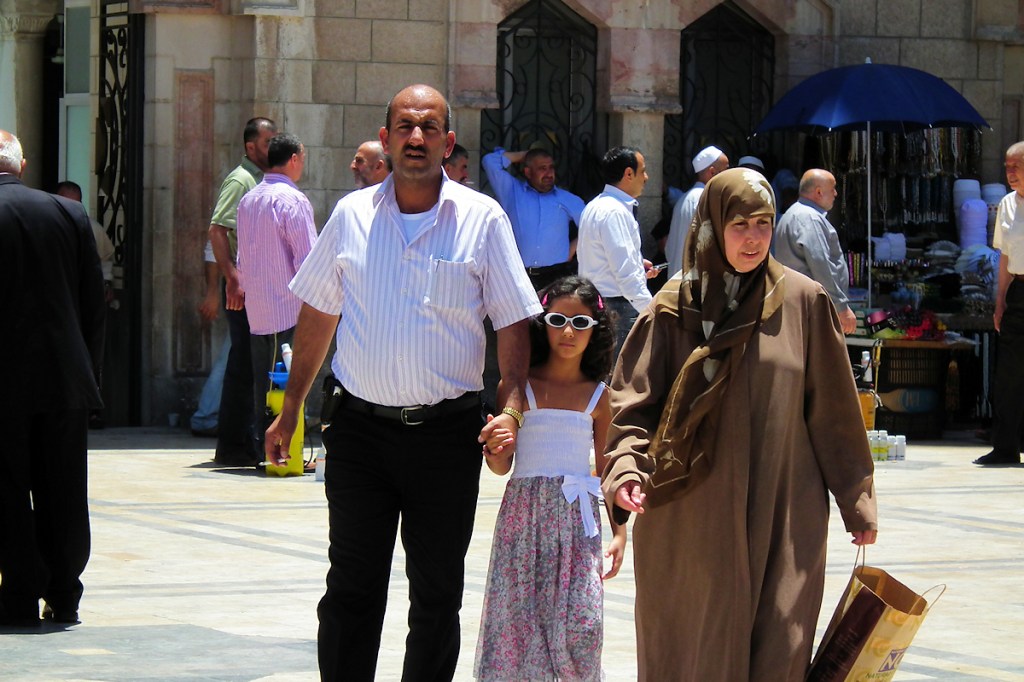
PS: It was not cool to take my camera to Syria, so the pictures here are from Amman, Jordan.

FOOTNOTES

  1. The story of my cancer process is recounted in my audiobook ‘Blessings that Bones Bring’ – it’s at www.palden.co.uk/boneblessings.html
  2. The Flying Squad is now closed, but the group worked together for twenty years – this website explains it all: www.flyingsquad.org.uk

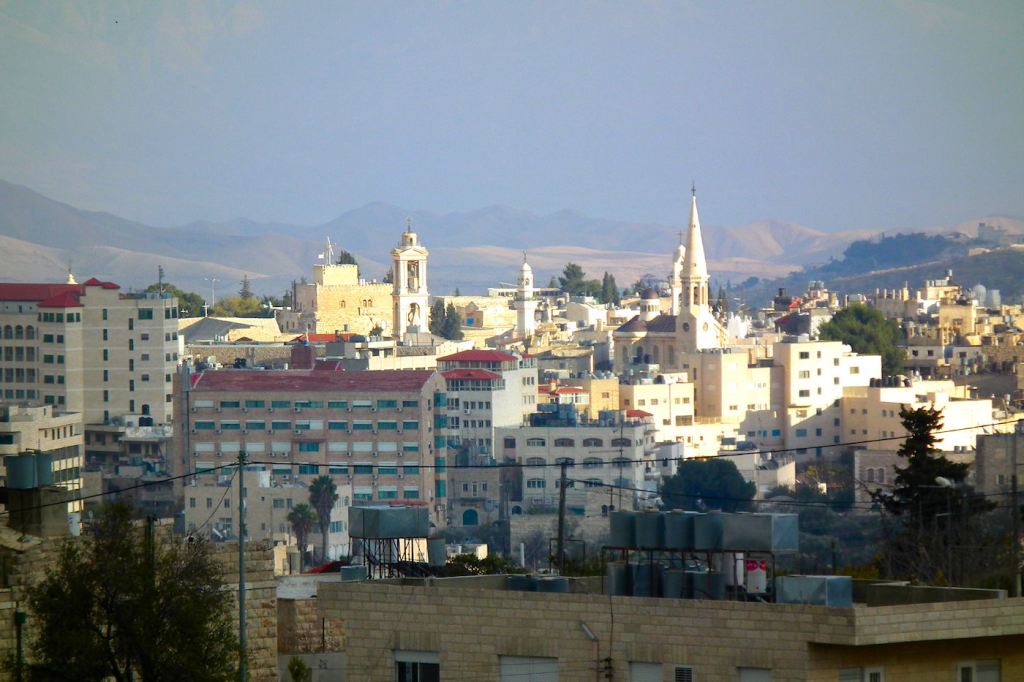
Lord Balfour’s Blooper

Bethlehem

Twelve years ago I wrote a piece in one of my Palestine blogs about the British period of occupation of Palestine. For some of you, it might throw some light and perspective on how this mess in the East Mediterranean all started.

This morning I fell upon it and it struck me that it might be useful re-posting it now.

So, if it interests you, try this (it’s a five minute read):

http://www.palden.co.uk/pop/balfour.html

It’s a chapter from one of the three Palestine books I wrote back then. This chapter is from ‘O Little Town of Bethlehem‘, a book that hasn’t been published in print but it’s available as a PDF, as is ‘Blogging in Bethlehem‘. ‘Pictures of Palestine‘ was published in print though. They’re all available through the PoP site.

With love, Palden

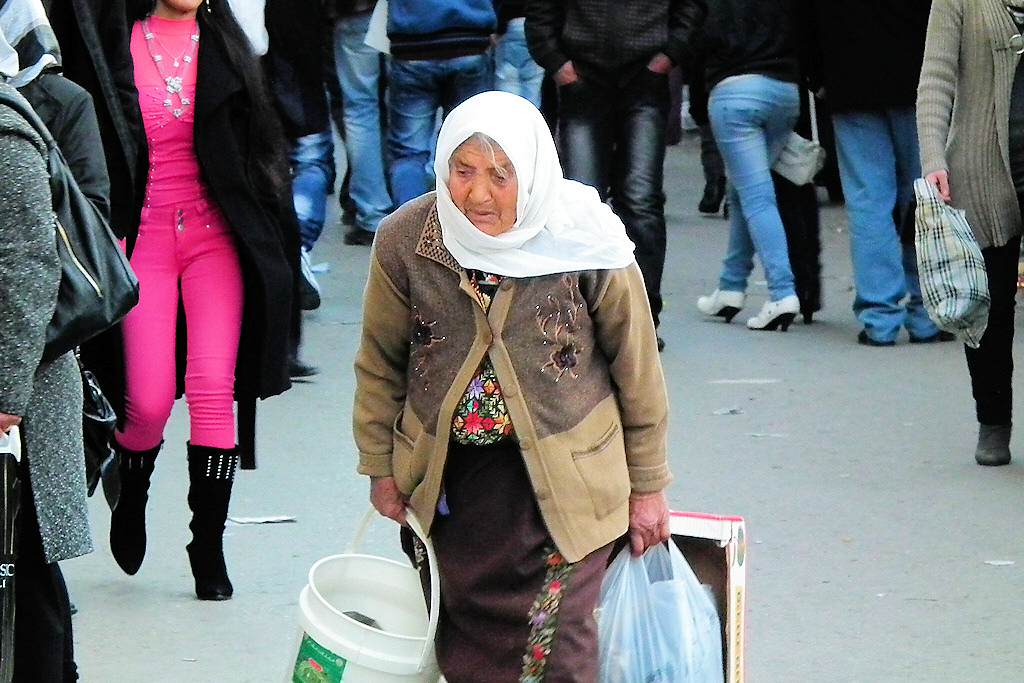
Palestinians in happier times than now

It is Necessary only that Good People do Nothing

I’ve always been an optimist, deep down inside – a Jupiter in Pisces type. I’ve felt this underlying optimism ever since I was young – not rigidly, but because I keep coming back to it after periodic times of despair over the state of the world, to which, for my growth, I’ve been karmically tied all my adult life. It’s over fifty years since John Lennon sang, outrageously at the time, that we should give peace a chance. I cannot say there has been a lot of visible progress.

However, underneath, something has changed. Many of the ideals of 50-60 years ago are in fits and starts becoming pragmatic policy strategies, and the balance of opinion at street and village level across the world has over the years quietly tilted against war. The strength and clarity of this consensus is yet to be tested, but hints of it are visible in world opinion over Gaza. We’re approaching that test.

Hair-raising world situations and crises have a way of arousing public feeling to a sufficient extent that a mountain of inertia, of helpless addiction to conflict, could actually start moving before long. Ukraine and Gaza have jogged us that way and there’s further to go. Trouble is, a consensus often takes shape in the background while vested interests act more quickly. This formula worked when Pluto was in Capricorn, from 2008 until now, but things are changing. With Pluto in Aquarius, we’re likely to have situations arising where vested interests find themselves encircled.

Polarisation, demonisation and dehumanisation are pre-requisites for conflict, and here the media and social media play an outsize role. If we truly believe in peace, then these three issues need tackling inside ourselves.

The information war is now as important as the military war. Since social media appeared, Palestinians have had more of a level playing-field. In the last conflict, young Gazans won the info-war on points, and this is one reason why Gazan phone networks are disabled now. Israel meanwhile fails to realise that, apart from military overkill, its determined, uncompromising certainty in pursuing its cause undermines it in the eyes of much of the world.

We’re getting too accustomed to witnessing blood sacrifices. We live in a thoroughly amoral world system and, collectively, by omission, we have failed to stop them happening. The system is rigged in such a way that, though we might choose peace, justice and ecological priorities, we undermine them simply by shopping at supermarkets, driving cars and using phones and computers.

I keep repeating Edmund Burke’s 250 year old quote: “For the triumph of evil it is necessary only that good people do nothing“. It’s true.

So we get the cruel destruction of people, cities and landscapes in ‘theatres’ such as Syria, Ukraine and Gaza – hellish nightmares that everyone hoped we’d left behind long ago. We’ll get more of this unless there’s a fundamental change. Such a change might start happening in the second half of this decade.[1] But, as with many of the world’s key issues, it won’t just happen. It has to be pushed, firmly and consistently.

It’s important that this pressure for change doesn’t become a new social conflict, a new cause for social and political polarisation. Battling over it will lead to delays and complications we can’t afford. The movement for peace needs to avoid adopting the methods of war and confrontation: success comes through building a rising tide of solidarity, consensus and cooperation. It needs longterm commitment and mass momentum, and if it is to succeed, the people of Earth need to get behind the project of saving our world. Global peacebuilding is a key part of that.

In relation to the current conflict in Is-Pal, taking sides is understandable, yet it is part of the problem. The problem arises from polarisation itself, not from the perceived goodness or badness of either side. What is under-reported here is an indistinct but nevertheless a majority global consensus tilting against war and devastation, by anyone, against anyone and for whatever reason.

The destruction we’ve seen in Gaza, Mariupol (Ukraine) and Kobani (Syria) in recent years have nudged this sleepy consensus along. Humane empathy is bubbling up in collective consciousness, especially amongst the young, the power-holders of future decades. But is it strong enough to overcome the resigned belief that conflicts are an unavoidable yet necessary evil?

Behind this lies a bigger problem. Governments of all kinds are out of step with their people. Defence and international relations, even in democracies, are managed by godfathers who decide the ‘national interest’ on our behalf. So, in future, matters of war and peace boil down to a bigger question: who decides?

Majorities in the Global South and also the Global North are proving to be pro-people in attitude. Current wars have taken on a people-against-the-Megamachine optic: we see high-tech war machines ranged against crowds and communities of people, mowing them down. With Pluto entering Aquarius for the next 15 years, this meme is strengthening – we’re watching it happen in Gaza.

Here’s an astrologer’s warning. From 2025-6 until 2038 Neptune is in Aries, an awkward period in which we’ll be faced with a key cause of war: big guys and strongmen who take it upon themselves to determine our future, often at the expense of majorities.

In Sudan we see a country being wrecked by two competing military leaders and their oligarchies. In Ukraine we see two very different kinds of strongman ranged against one another – Putin and Zelensky. In Israel we see a remarkably cynical prime minister taking on the whole world, convinced of his own rightness. In Gaza, Hamas is a resistance movement which, though it has its prominent leaders, is more horizontal than a hierarchy – more like a cooperative and rather like the Jewish terror organisations of the 1940s, Haganah, Lehi and Irgun.

Hamas will never remove the state of Israel, and they know it (they aren’t fools): Israel is here to stay. So are the Palestinians – here to stay. Israel will not eliminate Hamas because, even if it kills most of the current Hamas leadership, its actions generate new supporters and fighters willing to continue, whatever the cost, now and in twenty years’ time. That is, unless something big changes to make Palestinian lives better.

Big leaders and strongmen… Like that of war, this question has been allowed to drift because we were all too busy doing other things. This is one of the big challenges we must face globally if we are to avoid becoming a failed planet. However, here’s some good news: in the late 2020s and the 2030s we’re likely also to see a new crop of benign, altruistic leaders – of whom there have been too few in recent times. We could also see leaders who look as if they have solutions but they don’t, and visionary leaders with good solutions and a good way of asking people to face the music and grasp the nettle.

Palestinians are in a terrible mess. They have a strange mixture of social unity and political disunity, and they’re at a diplomatic disadvantage, poorly represented. ‘Palestine’s Mandela’, Marwan Barghouti, has sat in Israel jail for twenty years. The future of Gaza is now likely to be decided by outsiders. One sad fact here (many will disagree) is that the future governance of Gaza is best left in the hands of Hamas. The Palestine Authority, Israelis or international bodies are unlikely to get things right since they will simply perpetuate Palestinians’ position as dissatisfied victims.

Israelis have got themselves into a thorough mess too. They have landed themselves in a war on five fronts – against Gazans, West Bank Palestinians, Arab Jerusalemites, Arab Israelis and Hezbollah in Lebanon. They have an enormous domestic disagreement over the future direction of their country, which risks civil war or a separation of the country into an Israel and a Judea. Peace-oriented Israelis are having a hard time right now.[2]

By destroying Gaza Israel has raised a big question: who will pay the necessary mega-billions for its reconstruction? If there’s a risk of further destruction, governments, NGOs and investors will have little interest in an insecure investment that won’t pay off. Construction contracts will be valuable to Israeli companies, and plenty of cheap labour is available, but since Israel’s economy is tanking it will rely on foreign investment, during a time when the international community has plenty of bills to pay. It makes Israel accountable – it must promise to avoid destroying Gaza again.

And where and how will Gazans survive and get a decent life? A strong minority in Israel wants Palestinians simply to disappear – to Egypt, Jordan or anywhere – and this has been a hidden agenda for some interests in Israel since the late 1940s. But if this were possible, it would already have happened. Palestinians are good at standing their ground, whatever Israelis and the world throw at them.

Even if all Palestinians obligingly left, Israel would not be safe and secure – it would still be at war with itself, it would have unhappy neighbours and a further two million unhappy Palestinian refugees staring at it, and it would be internationally isolated (since USA is a fitful partner). Meanwhile the world is tired of holding its nose, paying Israel’s bills and accepting Palestinian refugees. Seen from outside, peace and security for Israelis have been destroyed by Israel’s own actions.

For Israel to feel safe and secure it must play its part in creating the right conditions. Palestinians need a decent life where they can be happy, make progress, do well, feel free and feel safe. The threat to Israel will then diminish – not without problems and crunch-points, but in the course of a generation of calming, it will happen.

This conflict exposes a key global issue we consistently fail to address. Who decides things at the global level? Gaza has now gone global. Perhaps this was Hamas’ hidden strategic aim: to put the cat amongst the pigeons internationally. It has exposed Israeli dependency on support and cover from abroad, and it has dragged neighbouring countries and the UN system into the debate over the future of Gaza. In effect it has made Israel lose its control of Gaza and even of itself. Confusing self-defence with revenge, Israel has alienated the world, lost its Middle Eastern neighbours’ trust and come under USA’s thumb. Even though Hamas’ strategy and actions are highly questionable, Israel has outclassed it in the badness stakes.

Who decides? This is a big, awkward international problem. Our haphazard, under-powered system of international decision-making is inadequate. The UN, the only international body we have for dealing with global affairs, is hamstrung by its incapacity to act independently. There is a growing need, though no capacity, for international bodies to overrule the decisions and actions of individual countries if they harm the wider world.

This is a minefield, but it’s a question we must sort out in coming decades. Gaza has become a nexus-point in a bigger argument between the Global South and North. However much Hamas intended it, this is what it has achieved.

The solution doesn’t lie in the past, in differing historic narratives and arguments about who did what, who suffers more and what God thinks about land-distribution. It lies in the future, and on the capacity of two peoples to live together sharing the same small space. Actually, we aren’t talking about two peoples, but more like seven or eight. Conflicts like this hold back the rest of the world and, if the world is to progress, disagreements must in future be resolved by means other than war.

The Middle East, the historic crossing-place of Eurasia, is filled with multiple ethnic groups, all with a history. For millennia it has been ruled by single systems – empires – where ethnic groups lived alongside each other in neighbouring villages and city quarters, each having quite distinct identities, laws and customs, without dividing the region into the separate territorial nations we have now. Today’s countries, introduced by the British and French around 1920, have had multiple nightmares ever since. As the hydrocarbon age ends, if it is sensible the Middle East will pull together, led probably by the Gulf States, and conflicts will tend to dwindle because its natural state is to be united in one multicultural system where everyone has rights and no one is excluded.

For that to happen, peace in Is-Pal must come first – it’s critical. It’s also difficult, after the damage that has been done. Peace is at root a consensual, emotional, people-scale thing, not just a diplomatic, business solution. It requires forgiveness, trust-building and a calming period of at least a generation. Hatchets must be buried. Lives reconstructed. Justice restored. Pain dealt with in another way. People need the space and calm to experience the advantages of peaceful coexistence.

It’s the same with the wider world: everyone needs to get a clear feeling that, whatever the costs and disruptions of change, change is better than non-change. In all departments of life. It won’t be easy, but it’s easier than the alternative.

Israel and Palestine act as a microcosm of the world. When peace comes to this small, benighted and strangely holy land, it will be because the world is itself coming to peace. The Is-Pal conflict is a key conflict, locally and worldwide, acting as a focus-point for a much-needed process of global peacebuilding. Without global peace we are unlikely to survive – Earth will become like Gaza.

Even so, I’m still an optimist. Optimism might be a sad pathology, but don’t bank on it. Just because things are bad and disillusionment is rife, this doesn’t mean this sad state of affairs will continue forever. Bizarrely – and this is a tragic point – the worse it gets, the more likely we might be to make fundamental changes. Perhaps this is the hidden psychology of the Israelis and Palestinians: unconsciously both sides feel out of control, driven by deep feelings and a kind of self-destructive despair, crying out for help and support.

Also, this is a gift they are giving the world, highlighting our helplessness in dealing with conflict and its causes. The extent of the current tragedy takes Israelis and Palestinians close to a brink, an epiphany point. People on both sides need somehow to realise that their existing strategies aren’t working.

So my prayer is that current momentous events in and around Gaza become a catalyst, a turning point, a tidal shift, both in Is-Pal and globally. A turnaround that seeds conditions in which a more lasting, true peace may come. Not just a ceasefire but a comprehensive solution. Actually it’s about justice, a correction of extreme imbalances, which will lay the foundations for peaceful coexistence. It is possible to do this by mid-century. It falls on a younger generation to do it since, sadly, my generation hasn’t succeeded. And they will succeed, since war is now obsolete as a way of settling our differences, and we need simply to accept that.

With love, Palden

————-

My next blog will be on more personal matters. Also, I’ve been quiet because I’ve been assembling a book for cancer patients and their helpers, drawn from my blog over the last four years. Thanks to those of you who have encouraged me to do this. Called Bones, it’ll be ready in due course (in Cornwall we say ‘dreckly’) as a free online PDF and possibly later as an audiobook. It’s in consultation stage at present with two special soul-sisters, Sian and Faith (thank you), and awaiting a final editorial trawl. Definitely dreckly.

NOTES:
[1] I explain my astrological thoughts on the later 2020s here: https://penwithbeyond.blog/2020s/
[2] Here’s an article by Gershon Baskin, an Israeli peacemaker, about Marwan Barghouti, widely regarded as ‘Palestine’s Mandela’ – and the telling point is the comment below it, accusing him of being a traitor. https://blogs.timesofisrael.com/to-the-one-who-could-be-the-next-leader-of-palestine/

I’ve written a trilogy of books about Palestine – the West Bank. I wrote them in 2009-2012 and not much has changed since then except people getting older. I feared the books would go out of date but they haven’t, really, apart from details. One is available in print and all are available free as online PDFs. www.palden.co.uk/pop/

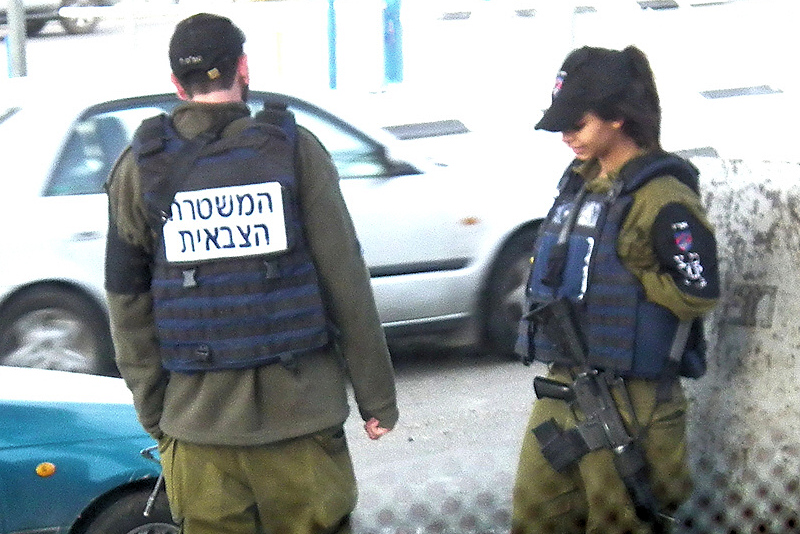
These are Palestine Authority soldiers, not Israelis

Fences and Walls

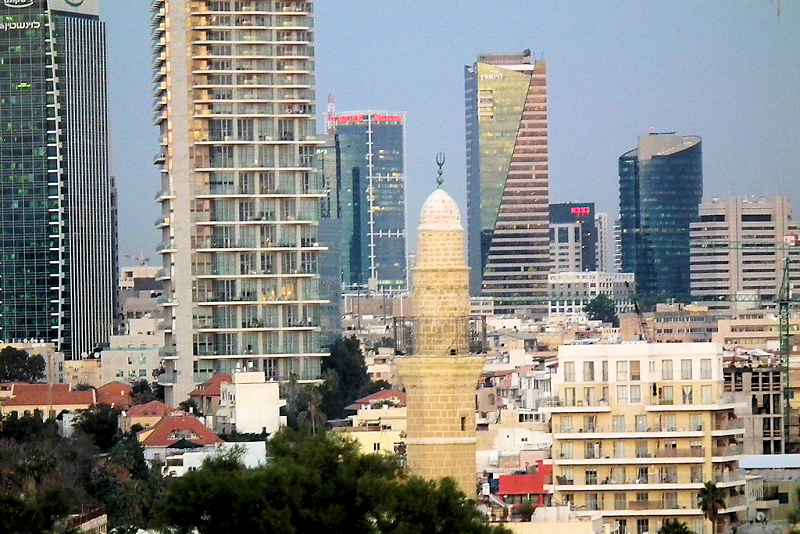
Tel Aviv, from Jaffa

We Brits straddle a strange hypocrisy. In Ukraine our government supports the people (Ukrainians) against the Megamachine (Russia, as we currently perceive it). In Israel it supports the Megamachine, the Israeli government, against the people, the Palestinians (as many of us see it).

Though it’s not as simple as that, since there are real people on both sides of both conflicts. And while the British support for Ukrainians is pretty solid, our support for Israelis and Palestinians is equivocal, mixed and changeable – when people bother to pay attention. For most Brits, sympathies currently extend to people on both sides, with only a degree of rigid partisanship on either side of the spectrum.

Such partisanship is largely because of personal connections. Or it depends on which media people follow. Older people tend to sympathise with Israel (their reference point goes back to WW2 and the 1967 Six Day War), while younger people tend toward sympathising with Palestinians (their reference point goes back to the intifadas and repeated Gaza bombings).

My prayer is that the vengeful aspect of the Israeli psyche does not exceed itself. Israelis need to understand how to create peace and security around them without feeling a need for an iron wall mentality – those days are going, and painfully slowly. Actually, we all need to learn that lesson, but in Israel the iron wall mentality is exemplified.

Many Israeli soldiers are quite okay people – and they like rock festivals too

The trouble is that, in a country surrounded with walls, fences and missile defences, supposedly to keep enemies and threats out, it imprisons Israelis themselves, inside their own bubble. Pretty much the only way out of the country is through Ben Gurion airport near Tel Aviv. It’s built on land owned up to 1948 by the Issa family, a refugee family who now run the Hope Flowers School in Bethlehem.

Regarding that, here’s a report from Ibrahim Issa, the school director, where I lived and worked in Bethlehem. Though in the West Bank, it is only about 45 miles from Gaza – three minutes in a warplane. In Bethlehem they can probably hear and even smell what’s going on over in Gaza.

Here’s Ibrahim (he’s around 40 in age now)…


AROUND THE SCHOOL
It is extremely sad to see this escalation of violence and associated human suffering on both sides. We are safe until now, despite escalation in the area. Two days ago we had to evacuate the school. Hope Flowers School is located in Area C, which is Palestinian land under Israeli control – in the southwest part of Bethlehem. The school is located about 150 meters away from [the edges of] an Israeli settlement (Efrat).

One of the Palestinian rockets fired from Gaza fell about 50 meters from the school building and injured two boys from the neighborhood. One of them is already declared dead. Yesterday, Israeli settlers have been attacking Palestinians near the school. This situation is extremely scary for children at Hope Flowers, for teachers and certainly for families.

IN OUR FAMILY
Fourteen members of my extended family have been killed today in Gaza. The grandparents, sons, daughters and grandsons are all killed in an airstrike.

ON THE WESTBANK
Most schools have turned to online education. Hope Flowers School is doing that also for children who cannot reach the building anymore. Bethlehem is a totally closed-off area. We do not have fuel coming in; we do not have diesel to operate the school buses. I think it is a matter of days before everything stops totally, unless Israelis release the siege on Palestinian areas here in the West Bank. Food is also running out in the supermarkets. No food supplies are coming. It may be just a few days before people start to feel the shortage.

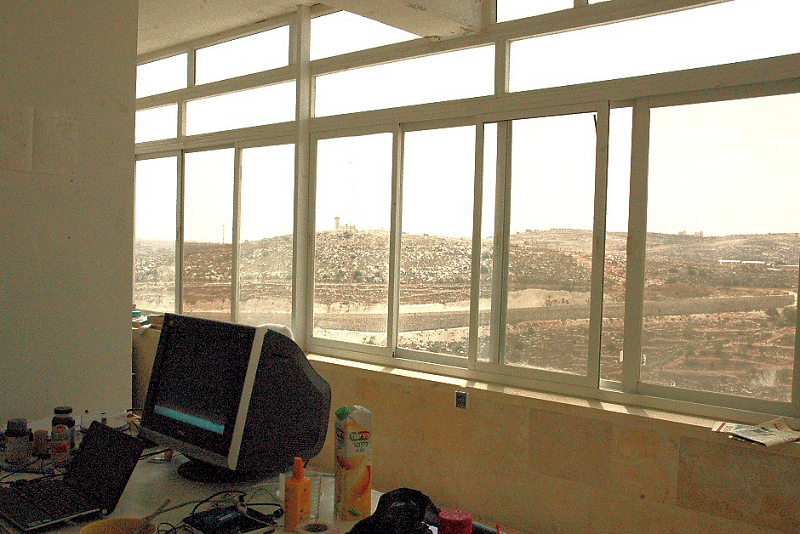
The view from my apartment at the school – over the valley you can see the security wall, an observation tower and, to the right, an ‘outpost’ that has now become a settlement

Palestinians are regrettably accustomed to adversity and crisis – that’s why a squad of Palestinians is advising the Ukraine government on social resilience and resistance. Over the decades many Palestinians went to university in Ukraine and Russia, so they know the deal there – about 6,000 Palestinians were in Ukraine at the outbreak of war in 2021.

MY OWN INNER CONNECTION

My Palestinian journey has been one where I have had to examine my biases and the contradictions in my viewpoints. They are very mixed.

My maternal grandfather was in Allenby’s invading force in WW1 in Iraq and Palestine, and my father fought in Egypt in WW2. I have Roma ancestry, and the Roma experienced holocaust tragedy as much as the Jews. I also have German (and Welsh) ancestry, and when my father was younger, ‘the only good German was a dead German’, according to the mad logic of war-thinking at that time. It’s not that long ago that towns and cities this country were blitzed like Gaza – my mother hid under the table nightly in Walthamstow, East London. So it’s in my genes and those of many of us.

Amidst the damage of urban war, ordinary life goes on. This is Hebron.

Here’s comes a seriously woo-woo bit, which some readers might not like. It’s something you can take either literally or metaphorically since, whether or not it’s true, I carry similar issues to those of a similar character to me, back in history. It is a past-life thing, going back to the time when I was working for the Council of Nine in 1991-93. At one stage, I asked them why they called me ‘Paladin Saladin’ – I had thought it was a kind of jocular rhyming name. They did after all crack jokes! They simply said, “You were he“.

This was like a bolt of lightning. As a historian I immediately knew what they were throwing at me. For some years afterwards I had a resistance to the idea. I recounted this to a close friend, Jean Gardner, a Glaswegian aged hippy, now in heaven, who had been a friend of R D Laing in the Sixties. She looked at me intently, got up, went to the bookshelf, leafed through a history book and gave it to me, pointing at a picture.

“Palden, you sit exactly like this. And look at the simple diet he had – exactly like yours, minus the tofu… and how he could be tough and also show mercy… and the way he was always giving away the money he had to people in need, and he was personally perpetually broke, even though he was the Sultan of Egypt and Syria.” When Jean spoke like this, her words had that deep, no-bullshit Glaswegian firmness. Woo. I had to acknowledge this and take it on.

The Nine also said I had been the slave to Abraham’s pagan father, Terach, back in Ur, around 1900 BCE. Abraham had a big argument with his father and smashed all his idols, at the time when he was adopting the idea of a One God – and presumably I was in on that moment. Servants are often privy to all sorts of stuff.

Then, they said I was a Nubian slave to Moses – yes, I waited for him at the bottom of the mountain. They finished by saying, “You have been involved with the Jews three times, always as a foreigner, and this is your fourth”. In this they were implying, ‘And what are you going to do now?‘. Five years later I was getting involved with Israel and Palestine, starting by being a co-founder of Jerusalem Peacemakers.

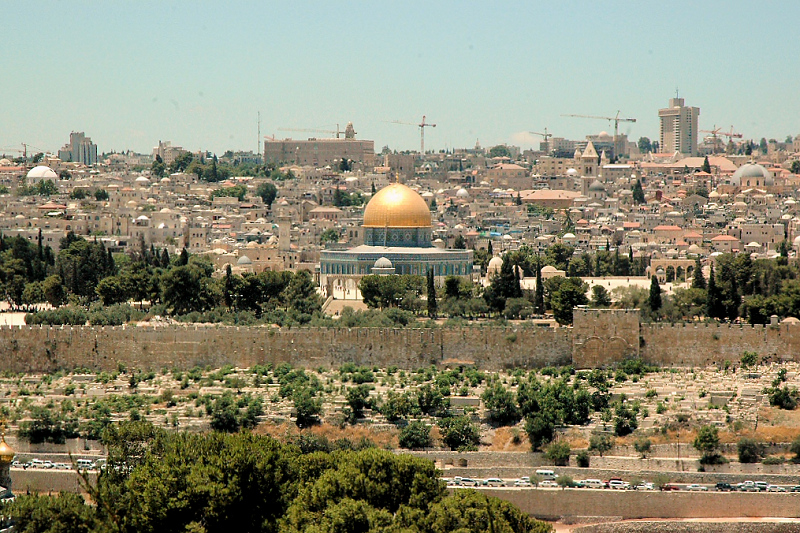
On my first visit to Jerusalem in 1991 I cried my eyes out in the back of a taxi driving along under the medieval city walls. I’d been here before, and I was all stirred up. We had walked out of the Church of the Holy Sepulchre, entranced by the strong atmosphere there, straight into a soldier situation – and that’s what’s really weird and intense in Jerusalem. The best and the worst in human experience can come at you in quick succession. Actually, Glastonbury is a bit like that, minus the guns. Both holy places are somehow deeply connected as places where light meets dark. You have to get used to the extreme ups and downs. Glastonbury trained me for Jerusalem.

The Old City of Jerusalem

THE NINE’S THOUGHTS ON ISRAEL

Here’s a simple quote from the Nine [1]: “Do you have the understanding that Abraham was the father of two nations?” Biblical and Quranic tradition have it that the Arabs were descended from Ishmael and the Jews from Isaac, both sons of Ibrahim/Abraham. “Then you also understand that Allah is what those of Israel call Yehovah.

The Nine didn’t regard the Jews as ‘the Chosen People’. They saw them as the People of a (big) Choice.

“They [as souls] came from a planet of strength. They came from [another world called] Hoova. They had strength within their character, and also the planet from which they came was a warlike planet – and in their seeding here [on Earth], they were asked to be at peace. But they have factors of doubt and questioning, which cause us difficulty. They have doubt, suspicion and deception – because of the place they come from [Hoova]. Part of the reason for their existence on this planet was to overcome that factor.

“It began when they left Ur [heading to Palestine]. Before that, they listened. But the descendants of Abraham lost their internal knowledge: they only kept the knowledge of who they were. In their need for survival, they did not accept total obedience [to the Covenant]. They were always making deals. Where one group would be in awe of Creation, the Hoovids would look at Creation as something to be utilised.

“The nation is fierce with pride, and from this grew the desire to help their own nation only – in the times before the man Jesus. So in effect our plan [the Covenant] was turned around. The people of Israel will eventually accept their responsibility. And yet in effect this is their salvation, because it shows the nations of planet Earth that they are a nation that will not be conquered. Also, even though they made an error, every nation has made an error.

“There were only two commandments for the nation of Hoova. Those two are: Thou shalt not worship false gods; Do unto others as you want others to do unto you. Those are the only two commandments given to the nation of Hoova.

“The nation of Israel has forgotten its heritage, its choosing and its Covenant. Abraham was told to go and spread his seed through all the planet Earth. Abraham was told to populate and to go forth, and yet this Covenant was not kept. The Hebrews did not go forth and mingle. If this nation had gone forth and mingled with the peoples of the world, then this the planet Earth would not be in such a serious state as it is at this time.”

There are peace-freaks in Israel too – many have done military service and know what they’re talking about when it comes to peace-building

In one of the interviews I had with the Nine, I asked this:

“The people of the north of Israel, the lost tribes, were taken away and dispersed by invaders. Were these people eliminated, or did they mix with the peoples of other lands?”

“They are all over the world and, as examples, some are in Afghanistan. There are some in Ethiopia, in the Phoenicians [Lebanese and Tunisians], in the people of the musical language written of by Caesar [the Celts], and in the Orientals [such as Kashmiris and Uighurs].”

I then asked, “You have said that the Hoovids came in order to mix with the people of planet Earth.”

“That is a truism, but they that stayed together did so because the others had been dispersed. If I would have a word of my own to say, would you like to hear? I will ask the Council if I may say it. They said I may say, but you may not be pleased with it. It is this. We would have one warning to people who are working with higher consciousness, to be very cautious about your attitudes toward the Hoovids: for it may very well be that you are a Hoovid also, yes. What we are attempting to say is that the majority of people that are involved in spiritual elevation contain the genes of Hoovids – so look upon what I say. How do you then place yourself in that?

“Look at all the world, in every nation, and see which negative characteristics developed that made that nation feel different to others. In your nation [Britain] you believed you were superior to other nations, and that your rightness was the rightness of rightness. And as you have now evolved beyond that, you give to others that same understanding [of seeing beyond tribal perspectives]. When people come to gather as many, and the clapping goes all around the world [across borders], all will be free of the bondage of their bringing forth [of their tribes, nationalities and cultures].

“The people of the nations of Ishmael [Arabs] are brothers and sisters with the nation of Israel. It is important that brothers not fight brothers, but in your world it seems to be your system. It is important for this message to be given to the nation of Israel, for they need to have the understanding that the powers of their mind create trouble when mixed with their fears. Your mind brings to you not what you want – it brings to you what you fear.

“The nation of Israel must look closely at what they fear. They want peace, but may we ask why they do not have peace? For what are their fears? It is what is in the hearts of the men and women of the nation of Israel that is most important. When the nation of Israel begins to fear less, then also it will begin to change.”

It’s really boring, spening a long shift inside one of those spy towers

HISTORY AND THE FUTURE: NOT A STRAIGHT LINE

Arabs have a different history to Jews. Arabs are not one people – they are mixed in origin, encompassing thousands of years, and some Palestinians are of Jewish origin. Multi-cultural and multi-ethnic by nature, they are united by speaking Arabic and sharing certian core beliefs. But after the diasporas, the Jews, having been decimated, dispersed and, in medieval-to-modern Europe, persecuted, have different shadows to contend with to Arabs. It even goes into depth-psychology: Arabs suffer shame while Jews suffer guilt. As do Europeans. And all of us suffer fear – big doses of it.

The Middle East has always been a crossing-point of the Old World, between Africa, Asia and Europe. Many peoples of the Old World have ranged across it over the millennia (even the Roma, coming from India). Nations with borders do not suit the region – it has usually come under large empires. It was the Europeans – the Brits and French – who sectioned up the Middle East around 1920, setting in motion much of the trouble that is happening today.

To solve the endemic insecurity and power problems of Israel, Egypt, Lebanon, Syria and Iraq, the whole region needs reuniting as a community of peoples without borders. This process is slowly, painfully starting, as the oil industry and its over-powered oligarchies begin to decline. A sign of this was the pan-Arabic revolutions around 2011 – suppressed, essentially, by oil money and the vested interests invested in it. The ‘Arab Street’ made its voice heard – sparked by a young vegetable-seller in Tunisia. The voice of The Street will return.

Middle Eastern administrative tradition involves ‘Millets’, a multicultural interlocking of peoples, each with their own customs and laws, who all lived in neighbouring communities across the same wide territory – in city quarters, villages and local areas. So the Jews, the Druze, Maronites, Copts, Kurds, Armenians, Alawites, Turkmen, Yazidis, the Shi’a and the Sunnis all rubbed shoulders, living within their own communities under their own laws. To some extent, whenever a new invader arrived, these millets survived and, as long as everyone paid their taxes, the imperialists left things that way. Until the British and French came along.

We British carry much historic responsibility for what’s happening in Palestine and Israel today.[2] I am rather disappointed that His Majesty’s Government has opted to side with Netanyahu’s Israeli government rather than taking a more humane, humanitarian approach, pressurising not only for a cease-fire but for a longterm resolution, backed with some muscle and sticking power.

The issue is the future, not the past. The core issue is the future of planet Earth and the global challenges before us. A crux issue amongst these is an end to war all over the world. That’s the only likely way the Israeli wars will end. War is no longer an appropriate way to settle our many differences. It’s swords to ploughshares time. Otherwise, there’s trouble. Speaking as an astrologer, probably that trouble comes in the 2030s.

If I’ve pressed anyone’s buttons by writing this stuff, please forgive me. I don’t insist on your believing either me or the Nine. I submit it for your consideration. It might give a few helpful perspectives.

With love. Palden

NOTES:
[1] The Only Planet of Choice – essential briefings from deep space. Various editions from 1993. www.palden.co.uk/nine.html
[2] The British Mandate – the inter-war years, written by me, from Pictures of Palestine. www.palden.co.uk/pop/british-mandate.html

Paldywan’s website: www.palden.co.uk
Blog: https://penwithbeyond.blog (‘follow’ it to get blogs delivered by e-mail, hot off the keyboard)
Podcasts: https://podcasters.spotify.com/pod/show/palden-jenkins