Bombs are falling, strongmen are flouncing their stuff and the Megamachine happily strafes another family. It looks as if everything is going wrong.
In a way, it is, though not quite. These are the growing pains of the global community. We are learning how not to do it. And there’s more going on underneath.
Perhaps you could call this psycho-spiritual geopolitics. Or parapolitics.
I wrote this piece in 2003 on the buildup to the Iraq War and it’s pertinent to give it another spin as the Iran War unfolds. It’s an extract from my 2003 book ‘Healing the Hurts of Nations‘.
That’s what this is about. The unconscious pain, guilt and shadows in the psyches of nations, which cause them to act as they do. And what we need to do to deal with our divisiveness and wars.
With sound collected from the birds of Grumbla in Cornwall, on an early February morning this year, 2026.
This is a short talk I gave recently in Penzance, Cornwall, during a Palestine-support event.
Many of us get caught up in the big issues around Palestine, often paying a lot of attention to our own countries’ or international politics and inadvertently forgetting actual Palestinians in places like Gaza. Anyway, the politics is a nightmare that’s going nowhere anytime soon.
This is about making friends with an actual Gazan, taking a person-to-person approach. It can have a bigger effect that you might at first imagine. And the friendship and benefit goes both ways.
In the talk I recommend a website run by Gazan young people: www.wearenotnumbers.org – check it out.
Thanks to Gershon Baskin of Jerusalem – a good-hearted Israeli – for a quote from his recent writing. Well done Adam Stout and Alison Dhuanna for organising the event – and thereby raising 600 GBP to help a few Gazans.
A correction: to get out of Gaza costs $5,000, and it is paid to the Egyptians at Rafah Crossing, who pay the Israelis, and both take their cut. It’s just as bad, whatever the excuse and whoever does it – exploiting people in need.
With love, Palden
By the seaside. Photo by Refaat Ibrahim of wearenotnumbers.org
These are kids at the Hope Flowers School in Bethlehem, West Bank, Palestine, and these pics were taken in the last few days.
They are orphans from Gaza, and refugee and special needs kids from the West Bank. Apart from giving a good education under difficult circumstances, the school gives kids the tools to process their anger, loss, fear and trauma, so that they grow up knowing there is another way. Another way from what has happened over the last hundred years in Palestine and Israel.
Note the performers. These look like visiting Europeans. They are independent humanitarians: they set about brightening up the lives of people in places like Palestine and they make a big difference. They often fund themselves to do so, and travel cheap and crash on sofas. Some are performers, some hairdressers, some are welders and some are law graduates, artists and retired professionals. Have you ever considered doing something like this?
Forget Trump and Natanyahu: this is the human frontline, where the real work of peacemaking happens. These children are, I hope, the generation who will see a big change across the Middle East. The times of war need to end now: we must do things another way. And these are the people who will do it. That is my prayer for them.
Here’s the translation of the text that came with the pics:
In an atmosphere filled with fun and positive energy, the professor of physical education, Mr. Mustafa, organized a special recreational day for the students of the school, in cooperation with the refugee center, where play, art, and laughter came together in an unforgettable day ✨
⭕ A variety of events between animated games that enhanced activity and interaction, face painting added colors of joy to the faces of children, alongside a theatrical circus that presented pleasant performances that brought joy to the hearts🎪😊
Our students also participated in playing with parschute and other group activities that contributed to promoting a spirit of cooperation, active discharge, and building self-confidence in a fun and safe way 🌟
⛔ This day was an open space for joy and expression, and an integrated recreational educational experience that emphasizes the importance of play in supporting our children’s physical and psychological development 💚
ـــــــــ🍂ــــــ We learn for human well-being ــــــ🍂ــــــــ
To make a donation to Hope Flowers, go to this page for links to Hope Flowers’ supporting organisations in different countries: https://hopeflowers.org/wp/support/
Here’s a readable story about the history and philosophy of the school. It’s from my book Pictures of Palestine, and it’s called ‘Korea meets Palestine’. (Korea and Palestine were both divided in the same year, 1948.) https://www.palden.co.uk/pop/korea-meets-palestine.html
Kilgooth Ust or Cape Cornwall, with The Brisons behind
First things first…The Sunday Meditation continues, whether or not I announce it. Sometimes I can’t, and there’s no one to cover for me. Yet I’m always there meditating at the appointed time, and so are quite a few other people.
You’re welcome to join us. It’s a recipe-free open meditation, especially for independent souls who follow their own path or live relatively isolated from others. All you need is half an hour, a cushion and your inner presence. Join us in the zone. No need to be online.
I might not be able to do regular meditation calls from now on. A lot of things are happening and I’m rather overwhelmed! Much of it is good stuff, and some is difficult – mainly my humanitarian work.
I three-quarters wrote a blog about this, about compassion fatigue, but I’m not fully clear how to write about a few delicate issues, so that’s gone into in the ‘later or never’ pile. For me, as a lifelong author and editor, getting stuck on some writing is unusual and strangely frustrating!
Even so, things are happening.
– I’m doing a talk on Tuesday 15th April, 7.30 at Gwithti an Pystri, the Museum of Folklore and Magic in Falmouth (book ahead);
– then there’s a visit to Gloucester to see my old friend Ibrahim Issa from Hope Flowers School in Bethlehem, Palestine, on 2-4 May (I’m still looking for a driver-minder for that, or a workable way to get there and back);
– and a talk at the Pathways to the Past conference in St Just, Cornwall, on Saturday 24th May (I’m really happy about that);
– and another at the Just Live Camp near Morvah in Penwith a day or two after, on 25th or 26th May.
Then there’s the Belerion Project, about which I’m really happy too. It’s a research project into the subtle energy and psychoactive effects of the system of ancient sites in Penwith. We did our first field trip to Portheras Common Barrow recently and, despite weather challenges, it went really well. Thanks to everyone who came. The next is on Wednesday 7th May.
Carn Les Boel and Carn Barra
I’ve always been rather workaholicky but, age 75 and doing a cancer trip, recently I’ve been running at capacity. Just getting ready to go out can wear me out, requiring a rest, and everything requires twice the effort it took in pre-cancer days. My brains aren’t handling all the messages, chats and enquiries involved – apologies to people I fail to answer.
I’m a hyperfocused Aspie, you see – good at concentrating for hours in a right-brained way but bad at hopping from thing to thing in a left-brained way. Aged brains do get creaky and slow! This is a mixed gift that has come with cancer: I’ve done some of the best creativity of my life, though I have a decreased capacity for admin, lists, names, timetables and even time itself. Or remembering to have dinner.
That’s the way it goes. Ideally I need an assistant (who lives close by and knows me well – not online). But I cannot pay such a person. That’s been one of the issues of my life that I was trying to write about in the latest, as yet unpublished blog: I’ve never had an expense account to finance projects and missions. It’s mostly come out of my own pocket.
A plus with this is that I’ve pulled off some mighty stunts on a slim budget, and I’ve been a free agent, but it is wearing too, and many good things could have happened if I’d had better funding.
For those who suggest I should ‘just’ do some crowd-sourcing (takes ten minutes, it’s easy and the money floods in, haha), I ask, do you require soldiers to fund their service at the frontline? Soldiers are paid salaries and pensions while peacemakers are told it’s our choice, our risk and why don’t we get a proper job?
You might hear a thread of resentment there. That’s why I didn’t complete the blog. I’ve got stuff around it. It’s still happening now: I and others I’m working with in Ghana, Mali and Palestine are all being seriously obstructed by, would you believe, the actions, errors, denials and avoidances of two banks, one in USA and one in Australia.
It’s not simple, this game. Paldywan Kenobi stares down the banksters! Who’d have thought I’d get sucked into teaching banks how to be human, at my age? Oh, and dealing with a few crime gangs, Wagners and drug-addled murderers along the way, remotely from my eyrie here in Cornwall. Well, I’m quite good at it, actually, and many people give up on such things when things get big or dangerous. I tend to hang in there.
When you step into what used to be called The Great Work, the rules of normal life seem to levitate out of the window and disappear. Retirement is something other people do.
For astrologers, I’ve just gone through Saturn opposing my natal Saturn (and square Moon and Ascendant). So I’m doing Saturn, yet again. When I started my cancer trip five years ago, I thought I had 1-3 years left, so I put my rather mission-driven, saturnine sense of life-purpose to the side. But it has started up again!
Well, my dear old late Mum used to say, “There’s no rest for the wicked!”. Well, yes, perhaps so, or perhaps not. She was a do-gooder too, handing me down that pattern, bless her. In our self-centred times, it’s not a sensible strategy, doing good, but some of us choose it or get sucked into it anyway.
Compassion fatigue, versus ‘To give and not to count the cost’. Non-attachment to the fruits of our labours, versus ‘Give me the compensation you owe for your frigging corporate errors’. Yes, these things have been rattling around in my heart during those Saturn transits. Well, life is for the learning.
I’ve been reminding myself of something a young Berliner taught me while standing (as you do) in the Sinai Desert. I repeat this here, particularly for people infected with the Trump virus:
It’s okay in the end. If it’s not okay, it’s not the end.
Love from me – as you might sense, in a rather saturnine mood on this fullmoon!
This is another of my Palestine tales from 12-15 years ago, from a book called O Little Town of Bethlehem, which recorded a five-month stay in 2011-12. In my writings and photos at the time my aim was to humanise Palestinians. Because, like you and me, they’re real humans with real human lives to live.
———————
As the sun went down, a wonderful atmosphere settled upon Bethlehem. The town was in a genial mood – people chatting and hanging out in the streets. At Cinema, a busy intersection with taxis and taxi-vans, I saw a six year old girl standing on some steps simply singing out loud to the street. This was not only touching but also rather refreshing because, for some reason, Palestinians tend not to sing.
Aisha, an English friend who teaches English at the Hope Flowers Centre and stays at my place one night a week, uses the large, empty, echoey conference room in the school for practising opera – she’s an accomplished singer but, living in Ramallah and surrounded with people who would find opera rather strange, doing her scales and practicing her arias doesn’t quite work easily. So she loves practising at the school, where she won’t be heard – and the conference room echoes quite nicely too.
Nevertheless, a neighbour discretely enquired of me what was happening. I explained and he smiled. He’d seen opera on TV, and was interested when I said that operas were like plays sung out loud, with stories to them. I asked him why Palestinians tend not to sing, and he said back, “Since the Nakba we haven’t had much to sing about”. Well, true, but I know that’s not the real answer, which I am yet to find out.
The Nakba, by the way, was ‘The Disaster’, the 1948 war during which the Israelis staked out their nation militarily, by ethnically cleansing and killing the Arabic inhabitants of hundreds of villages and towns in what became Israel. In the space of a few months, the population of Bethlehem quadrupled with refugees and they have never gone home – there’s no home to go back to. As a symbolic act, refugee families keep the keys to their old, lost houses, like a family totem, proof of having torn-up roots in their own land.
This afternoon was one of those times when people set their cares aside and enjoy the moment. That’s one thing I like in Palestine: people do their best to keep their spirits up and enjoy life. There is no alternative. Or at least, the alternative, dwelling on your problems, is far worse.
As my friend Ghada once put it, at a time when she was feeling pessimistic a few years ago, “In Palestine we don’t have up days and down days, we have down days and worse days”. She was at that moment manifesting symptoms of the strange collective bipolarity Palestinians live by, thanks to their circumstances: generally they keep their mood positive in spite of everything, but when they lose their strength and fortitude, they plummet into deep despond. That was where she was when she said this.
Palestinians wear their emotions inside out: love and sadness, friendship and disgust, humour and anger, they share them openly, men perhaps more than women. Their feelings spill out liberally. Mercifully it’s their positive emotions they show most. I have never seen a sign of violence except on a couple of occasions when Israeli soldiers are around, acting provocatively, but even then Palestinians suppress it because they usually don’t feel like getting shot, beaten up, arrested or hounded. They got tired of that ten years ago, and it doesn’t achieve much.
But on a lovely, tranquil afternoon like today, there was still a problem. On the way home, passing through Deheisheh and Duha, there was smoke everywhere. People were setting fire to the skips in which they put their rubbish. They do this because civic rubbish disposal is patchy at the best of times, and the skips were full. It’s not only smoky but dangerous, since so much of their rubbish contains plastics and other toxic materials, and the slow smoulder of the rubbish means that it doesn’t even burn properly. They have a blind spot around this issue. When Westerners like me raise the matter, they shrug it off as if it is no problem. But it is a problem and a big one.
Before you disapprove of these apparently backward people, let me remind you that we in the West started seriously addressing issues such as this only 20-30 years ago, when it was already too late for us. Before that, we trusted in modernity and slavishly paid the price in smog, toxicity, fumes and ugliness. Even today, when I speak to Westerners of the dangers of mobile phones, microwave ovens, wireless internet and electro-smog, people smirk or frown, as if to say “Oh no, he’s one of them”, since this is a current blind spot. One day an enormous scandal will erupt about it and people will yell “Why weren’t we told? Who is responsible for all this?”. We are responsible. We know. But we don’t want to face it.
So blind-spots – areas of life that people deliberately ignore, ultimately to our own cost – are not unique to Arabs. In fact, Arabs look on Westerners as backward because we turn our backs on God – Europeans by becoming increasingly secular and Americans by turning God into a heavily-armed, consumptive patriot with conservative politics.
Every race and nationality covers its insecurities by looking on others as inherently deficient. The less contact they have with other kinds of people, the stronger the negative projection on outsiders – this is one reason for the separation wall, so that each side can project its fantasies about the other onto a concrete screen untainted by reality. This is why Iran is currently a bogeyman – no one goes there to meet the people, so it’s easy to dehumanise them.
This said, Palestinians must still address the issue of rubbish – creating less of it and disposing of it properly. Battery recycling, vegetable waste composting and plastics disposal? Forget it, it doesn’t exist here. But probably it will exist in 10-20 years’ time – Palestine is at a similar stage to the West in the early 1970s. Yet regarding social values, sharing and human warmth, Palestinians are advanced, at a stage that I hope the West will reach in a few decades’ time.
I went into town to do my shopping. I’ve been sitting slogging away at the computer for the last week, so I don’t have many events to report. The trouble with computers is that people hardly see the results of your work because it’s digitally concealed, distinctly not in your face. Much of the work is for people far and wide, so that people around you see little significance in what you’re doing – you’re just sitting at a computer, twiddling fingers and looking serious. I’ve been building a website, dealing with issues for Hope Flowers, doing bits of work and answering questions online – many questions, from many people.
When shopping I went to an old lady I visit regularly. She has a small stall on the streetside in the Old Town. By stall, I mean a stool and a few boxes and bags. She sells herbs and figs. She’s a lovely old lady, clad in her embroidered traditional dress. She walks into town daily with her husband, who leads their donkey, which carries the herbs – then he returns home to work on the land, and he comes back to pick her up later.
Palestinians are big on herbs – they have mint or thyme in their tea and they eat parsley, sage, coriander, spinach and chillies copiously. I buy my herbs from her – big bunches of them, far too big to use on my own, for 1-2 shekels per bunch (20-40p in British money). She likes her pet Englishman. She eyes me closely when she thinks I’m not looking. I think she knows intuitively that I’m roughly the same age as she is, except she’s an old woman and I look younger – apart from a rather wrinkly face which has clearly seen some things. She hasn’t figured me out yet. Life wears out Palestinians.
Then I went down to the market to get vegetables. Two stallholders were trying to steal me off the stallholder I usually go to, but he has the best vegetables. One thing many Palestinians don’t quite understand is this. They tend to think one is obliged to shop with them out of a duty to support them – after all, fair’s fair, isn’t it? Well no, I’m a Westerner, and I go for the best stuff and the best deal. Sorry about that. Also, annoyingly, I buy things only when I need them.
The souvenir shopkeepers down in town think similarly. I’m a Westerner, therefore I have money, therefore I ought to buy from them. Not so. I buy presents only because there are people I know and love to whom I wish to give things, and I buy specifically for them. There’s also the question of how to get it back to England, so I cannot buy much. I’m not a buying machine – well, at least, not in my own head.
Dear reader, this might seem elementary, but it’s not so for Palestinians. This is a walled-off cooperation and mutual-support economy, an economy where everyone depends on everyone else for keeping each other alive, so the emphasis here is on supporting your fellow citizens by trading with them, to some extent whether or not you need what they’re selling.
Nevertheless, when one of the traders, a young chap of seventeen who helps his elder brother run a shop, moaned to me today about having no money to buy schoolbooks, I took pity on him. He had said there had been no business today, and he needed 50 Jordanian Dinars (250 shekels or £50) for the books tomorrow. He was worried and depressed. So I wandered off to do other chores, including raiding a bank machine, and slipped him 50 JDs on the way back. He lit up and hugged me, shedding a tear. Now he could get his books.
I told him that this is a life-lesson we all need to learn: solutions often come when you’ve given up. When you give up, it means you’re opening up to Allah, handing over your problems since you couldn’t solve them yourself. This money is a gift from Allah, through a random Englishman. So give thanks to Allah.
“You are a good man, Mr Balden. I pray that Allah, he will pick you up when you have a need.” Well thanks, I might need your prayer to come true one day. This young Palestinian, poor yet intelligent, has better English than some of the 17-year old Brits I know. Good luck to you, mate – I sincerely hope you get a future.
————————–
My three Palestine books are: – Pictures of Palestine (in print and as a downloadable PDF) – Blogging in Bethlehem (an audiobook and PDF) – O Little Town of Bethlehem (PDF only) Available here: http://www.palden.co.uk/pop/order.html
Photos from trips I made to Geneva 12-14 years ago. These are The Dispossessed
If you’re in your forties or fifties this is for you. Oh, and by the way, this is what’s nowadays called a ‘long read’, and, guess what, no AI was involved.
It’s about the care crisis and what needs to happen before you yourself grow old. I’m not going to harp on about pensions and savings, or the rights or wrongs of privileged old people currently being relatively prosperous at the expense of younger people. Neither will I repeat the implicit message that says ‘Look after yourself because no one else will’. There’s much more to it than that.
Nowadays I’m a net recipient of care and support, as a creaky old cancer patient. Similar things will probably happen to you. For Millennials and today’s younger people, it looks like you have a problem building up for when you get old, and that’s daunting. But there’s time to prepare, and magic solutions are available.
We’ve got to get real about the future. My own postwar generation has avoided much of this, and our behaviour has not necessarily matched our beliefs and ideologies. There’s a lot of hot air about growing old gracefully, but my generation still hangs on to our independence, sovereignty and property, and we have difficulty letting go (Pluto in Leo, and the Pluto in Virgos of the Sixties can be pretty control-freaky too). When we were young we had big visions of community (we have Neptune in Libra), and it hasn’t happened – not in a way that works in our old age. We have omitted to pool our financial and social capital. Here’s a tip: try not to do the same as you lot grow older!
Many of my generation have landed up on our own, stowed away in our centrally-heated, often over-sized houses or isolated in some godforsaken room somewhere. Society, in a perpetual hurry, quietly elbows us and dependents like us to the side. People largely don’t mean to do this, but they just don’t have time to be human – and this creates a social crisis. It’s the human aspect that, to children, to the chronically ill, the disabled and the old, becomes critically important: we humans have a bizarre need to feel that somebody loves and cares about us, that we matter to someone.
Geneva
Palestinians used to ask me, ‘How can you talk about human rights when you stuff your grandparents away in front of a TV in a padded prison?‘ – and they have a point.
This is a Pluto in Aquarius question – a key issue for the next twenty years. In the West we’ve gone through a period of (arguably) excessive prosperity, enabling us to venture into possibilities that otherwise wouldn’t have happened. One of these is lengthened lives – it’s now reasonable to expect reaching our eighties while, when I was young, it was the sixties or seventies. If I had contracted cancer 30-40 years ago I’d soon have been decisively dead – but not now.
Along the way we have professionalised and medicalised social care, and this is unsustainable, clunky, expensive and without limits. There’s a shortage of carers, nurses, teachers, cleaners, cooks and midwives, and we neither pay them well nor honour them properly, even though they hold up society. It’s all costing more than we are able or willing to pay, and we’re going deeper into debt, trying to maintain a lifestyle that’s already past its time. We’ve reached the end of a period in which the West got rich off everyone else, and now that we’re in an historic downward-curve, we need to get focused on a soft landing.
We’ve lapsed into a rather decadent kind of denialism: “I’m all in favour of change as long as it doesn’t affect me“. Thus we’re heading toward a likely crash landing… shock, horror… only to realise that we can’t continue living as we have lived, and our precious lifestyle has become unserviceable. Why didn’t someone warn us? Well, they did, decades ago, and no one wanted to listen.
Well, we’ll get what we get, though there are options.
Geneva has never been an imperial capital or the capital of anything, but it has a certain style to it…
In the rich world we’ve become materially wealthy while becoming socially and spiritually poorer. We’ve set aside social and community matters, even our humanness, in favour of wealth-generation and consumption, as if happiness comes from material plenty and security. But it does so only up to a point, and above that we hit diminishing happiness-returns. Just enough is good for us, and too much is definitely not. Treats are not a substitute for happiness.
This dilemma revealed itself to us during the Covid lockdowns. We became a tad more human for a month or two before grudgingly restoring normality. Meanwhile, having lectured the world about democracy in recent decades, we whiteys (or pinkies?) now find we’re an ethnic minority in a big, wide world where we’re far outnumbered and outclassed. We British think we’re different from Hungarians, but to the rest of the world we’re all Europeans and pretty much similar. Over half of the world’s population is Asian. Things are moving on.
I learned a lot when working with Palestinians – they are socially wealthier while being materially and circumstantially poorer. Their families, clans and communities pretty much hold together, even under extreme duress – and that’s what social wealth looks like. From the late 1960s to the 1990s they lived virtually without government, organising themselves so that everybody was provided for and most essential social functions were catered for from the ground up. A simple consensual rule held sway: help, support and do no harm to fellow Palestinians. Or, for that matter, to anyone deemed a ‘good person’. This included ‘good’ Jews. It’s not about ethnicity or religion – it concerns content of character. Guess what? There was little crime, pretty good road safety and a woman could walk down the street alone at night and feel safe.
A ‘generosity economy’ survives through mutual support and collective adaptation. You need no qualifications to participate or to benefit richly – you just need to do your bit, whatever you can do. It’s not perfect, but in another way it is exemplary. Even in Gaza we have not seen the kind of destitution and social disarray that we sometimes see in other places that plunge into crisis. While Palestinians are always the losers, they are not beaten.
The world – the work of some famous artist whose name escapes me.
From this I learned a big lesson. It wasn’t a case of me, a well-meaning Westerner, a ‘humanitarian’, going out to Palestine to help these poor benighted folk in their dire circumstances. No, I had to get over that one. All I needed to do was to be amongst them, to add my bit when appropriate, to listen a lot and learn from these people. Being fully present was sufficient. Their generosity and sincerity was, at first, button-pressing to me as a European – we’re programmed with a neurotic need to pay for everything. But in Palestine you should never offer to pay if something is ofered or given, because you will deprive a good Muslim of giving you a gift of God – even if they’re poor, with nothing for tomorrow.
Instead, you learn to enter the cycle of mutually-circulatory social generosity and you play an active part in it – keep the benefits moving around. As a relatively rich outsider, you spend thoughtfully and you quietly drop people occasional monetary gifts of God, to help them on their way, simply because it’s good to do so.
However, I had further advantages I could offer. As a European, it was easier for me to level with an Israeli soldier than it was for a Palestinian. I could use my privileged position in the apartheid system to eyeball an Israeli, practice street-level diplomacy and improve the overall outcomes – you see, in a roughly nine-level apartheid system, foreign visitors come in third, just below Ashkenazi and Sephardic Jews, but above the Druze, four kinds of Palestinians and the Bedouin. It’s complex.
Often, the poor soldier was 30-40 years younger than me anyway, doing his or her conscription-slavery, and I pulled age on them. I used my influence as a Westerner to turn round the interaction and calmly hold the power, even though the soldier had the gun. Exploiting the hidden rules of apartheid, I projected an image of a politely self-confident, imperialistic Brit visiting one of his country’s former colonies.
After all, my grandfather was in General Allenby’s invasion force in WW1 when we took Palestine from the Ottomans, and my father fought in Egypt in WW2, and my aunt was a periodic Jew-rescuer – so it could be construed that Israel owes my family a favour, if truth be known. My ruse was that I was an historian interested in studying early Christian fonts. Yeah, me, a Christian – but it worked. Israeli border guards tend to regard Christians as rather stupid, sometimes awkward, but largely harmless.
Of course, to see many of the UN buildings, you have to go on a tour. But there are security issues they do need to stay on top of.
At times these interactions were rather comical. When searching my bags once, they found some plastic-wrapped tofu I’d bought in a healthfood store in Tel Aviv, suspecting it was Semtex… well, it took a few minutes to sort that out (such as reading the Hebrew labelling) and we all landed up chuckling… and, in a better mood, they let me through, waving a load more people through after me. Bingo.
It’s all about societal energy-exchange. In that instance I used my strengths as a Brit to give both the Israelis and the Palestinians what they needed. It works best when there’s some sort of balance of benefit that can equalise both parties – however that benefit is perceived. A change of mood and spirit can make the whole situation flip quite quickly, and the all-round benefit gained often grows greater than the sum of all the individual benefits.
After all, the soldiers at Checkpoint 500 were bored shitless, and the Palestinians standing in line were equally bored, and it just needed the right thing to happen. The magic catalyst was tofu – Romanian-style and marinated. But if I’d reacted to those soldiers as ‘the enemy’, tightening up my body-language and doing oppo, trouble would have ensued and I’d have given away my power – since they did have the guns – and the Palestinians would have got home from work even later than they did.
So, here am I, older and more decrepit, in need of a few hours of help a week, and also for times of company, love and tenderness. These three matter a lot in late life – you might get hugged but real cuddles can be rare. I’m quite self-sufficient, though there are times when I go downhill and I need more intensive help and attention. In recent months a lot has come together on the support front and I am really happy about it: a group of lovely people has come together, and it’s working. Friends of Palden (FoP) – thank you all and bless you. It was a health crisis I had in September that precipitated the change.
For my part, what needed to happen was an opening of my own heart – and the illness and physical pain cracked me open. I had been in a state of emotional recoil for two years, after the sudden and, for me, reluctant end of a loving relationship early in 2022. After that, I wasn’t interested in opening up to others. I’d lost my trust and felt stuck in my hermit-like Saturnine isolation pattern – the ‘anti-social’ thinker and writer with one foot in society and the other in the mountains.
There was something I needed to face – a big and rather final, late-life change – and it took two years to adjust to it emotionally. I’d realised that this was the last close one-to-one relationship I would have in this lifetime. That sounds a bit sad, or dramatic, but no, it isn’t. It’s quite a settled feeling. I’ve had some good relationships over the last half-century, and there’s more to life too. Things have changed. Actually, don’t tell anyone, but it was Ayahuasca wot did it. The focus of my love extends now to a wider circle of people, and I’m playing a new and different role in their lives, and they in mine, whether they’re near or far.
Geneva is in a rather idyllic setting.
Here we come to energy-exchange. Caring for an new age codger like me can at times be hard work. So I’m working at making it good for everyone, if and however I can. I can’t run around servicing relationships in the way I used to in pre-cancer days, but I can do certain things. I can give a listening ear and sometimes a few astute observations – as a wizzened old retired astrologer who’s figured a few things out. I can give them an hour’s break in a warm, calm, phone-free cabin on a farm in a magical place, with springwater tea and an oakwood fire, so that they can draw a line between the last thing and the next thing, departing a little clearer and more ‘sorted’ than when they came.
There’s something deep to this. It’s about being there for people – it’s the grandfather or patriarch archetype. I don’t have to do anything, and they don’t even need to be with me to benefit from it. It’s just that I’m here, and that in itself is perceived to add something to others’ lives. Spending a lot of time on my own, I range around in my mind, pastorally thinking of people as they pop into my attention, I monitor their souls and pick up on them when they’re unconsciously signalling. They themselves feel supported, deep down. This motivates them to do things that benefit me.
This sounds terribly transactional but, actually, if you keel over with cancer or something similar, or with misfortune, you do have to think transactionally and make sure you’re getting enough of what you need. Otherwise, you won’t get it. You have to be carefully selfish, yet also understanding of others since you’re relying on their goodwill and generosity.
For what it’s worth, ‘elderhood’ is where I now find myself. I’m something of a natural at it, though I’m also somewhat reluctant (I prefer thinking of myself as a veteran). Perhaps I’ve been here and done this before in other lives. It’s all about quietly standing behind people and being there for them. It gives them a certain security whereby, if they feel they’re out of their depth, or fucked off with life, or at their wits’ end, they can anchor back to someone like me, even just in their thoughts.
To which my response is, Yes, that happens, it’s life, it’s okay, hang in there, and the world isn’t ending… though I’d put it more subtly, and much of it lies in the vibe I give out. The fact that I’m standing there is living proof that you can and do survive life’s hard knocks. Or at least, I have, thus far, and perhaps you can too.
It’s not about having opinions and telling people what’s best. There’s a challenge to overcome the reactive, self-satisfied conservatism of age and, from a rather more transcendent, slightly dementia-liberated viewpoint, to think afresh, seeing things from a new place, contributing not opinions but perspectives. But even then, only when asked. Be pleasantly surprised if younger people actually do take heed. Besides, they’re the ones making the decisions now.
So, although I depend on the help, support and company of friends, there’s something I can offer, and this is important. This is ‘social capital’ and if, like me, you haven’t been focusing on building up financial capital, then you need to work on building up social capital, on cultivating your assets, your character and transferable skills. This means that, when you too become relatively useless, with luck you’ll be liked, valued and a little bit useful, even then.
It’s him.
In my life I’ve had phases of organising volunteers to help me run projects I’ve started. While they liked doing it and it brought them benefit, it was also hard work, with a fair measure of wind and rain thrown in. I tried to help them gain a growth-payoff, a soul-payoff, from it. That is, something in them would progress, and some started a new life from that time on. There’s a certain joy in being part of something that works well and is good to be part of.
My father taught me that. He had been in industrial relations in the 1960s-80s and his philosophy was that, if your workers are happy working with you, they’ll be motivated to work well and and everyone will benefit. He’d encourage the directors to eat lunch in the canteen rather than at the golf club, and to avoid driving their Jaguar to work. Sounds obvious, and it’s true, but it was not what was happening in British workplaces at the time, and it does so only for some workers now. It’s how a generosity economy works, in which everyone is a stakeholder and beneficiary, together.
It’s about ‘we‘, not ‘I‘. However, while the relationship of ‘I’ to ‘we’ is still important, in the end ‘we’ are the overriding priority, and each of us needs to learn to do the best we can with that, as individuals.
Pluto is now in Aquarius. We need now to focus on strengthening society. Not the economy, not technology, not government, not business, but society and the mechanisms by which it works.
Do people exist to serve the system, or does the system exist to serve the people?
Pluto likes to dig out the bottom-line hard truths of things, and this is the big question for at least the next twenty years.
There’s something substructural going on. In richer countries, our time is done, our economies are subsiding and we’ve got to get real about this. It is a necessary historic adjustment of economic levels. For Britain, Europe and America real wealth-generation is sinking, overall costs, complications and debts are rising, and things are approaching a crunchpoint.
We in rich countries are not enjoying treading the mill of work and consumption as we once did. We’re supposed to be excited about the latest gizmo, scientific discovery or tech advance, but many of them arouse mainly a yawn. We’ve reached a certain level of satiation. There’s now a deep-level exhaustion, a declining motivation to bust a gut for what might anyway prove to be dubious outcomes. There’s an element of laziness and decadence to this, yes, but it’s also genuine, deep down. We’re discovering a need to become more human and for society to become more humane.
This historic shift will affect Millennials and currently younger people as you grow old. Compared with my (Pluto in Leo) postwar generation, you have more inherent social wealth than we, with a greater sense of implicit togetherness, and this is driving a deep reconstitution of society that is only now gaining momentum.
There is a fundamental law of economics that few mention, yet it’s abidingly true: when the economy goes up, society goes down, and when the economy goes down, society goes up. We’re at an inflection point in this oscillatory equation.
When you yourselves are old, there might be care-bots to help you, and there will still be people who hold society together by acting as committed care-givers, but there’s unlikely to be the capacity to finance the full care and medical facilities that we have today. So this needs tackling another way, especially by building up social wealth.
Here we return to people like Palestininans with their family survival mechanisms – and most Mediterranean cultures are (or were) like this. They have families often of fortyish people, young and old, which are part of a larger clan that can number hundreds or thousands. The old people and the kids spend a lot of time together, often at the centre of the compound where everyone lives, freeing up middle-aged people to do their daily duties. The older kids look after the younger kids, both look after the old people, and the old people oversee the kids. People come and sit for a chat and a cup of tea, then to continue on their way. It’s an integrated system with the oldsters and the youngsters at the centre. Everyone does something toward the family, to the extent that they can, and someome is usually available to step in with a solution if there is a need.
Western researchers would come to Palestine, finding unemployment levels standing at 20-30%, yet no one was hanging around looking unemployed. This was simply the generosity economy at work – lots of people had no paid job, but they had a place in the family and community economy – and it doesn’t show up in the statistics. Everyone is catered for and everyone contributes. In Bethlehem, a little boy would help me with runaround tasks and occasionally I’d give him some loose change, and he’d run home to give it to his Mum because it was more important to him to contribute to his family than to sneak off to the sweetshop to feed his face.
This is the way to go. It lies in social values. So teach your children well. To get through the future, countries like Britain need to work on social wealth and resilience. Social love and solidarity. Hanging together. Making life easier for each other. Sharing lifts. Keeping an eye out for each other.
That’s not as easy as it sounds, because it involves dealing with disagreement – what’s politely called ‘diversity’. In the 2020s we’re pretty good at arguing, disagreeing and detracting, pretty unwilling to hear others’ viewpoints, or even to acknowledge that they’re actually real, valid people, just like us. We have issues about who’s in and who’s out. There’s a lot of shadow stuff lurking in the social psyche – trust issues, historic pain and resentment, unresolved questions, pending problems.
Migration is one of those issues we have to face because it is happening anyway, and we have to get sensible about it. It is changing our societies and we need to do this well. We can’t evade the facts, pretending that we can stop it or send people home – it’s happening, and we in rich countries have been a substantial part of the cause. We cannot supply munitions to Israel and expect Palestinians to stay at home without seeking refuge in Manchester – sorry, that’s two-faced, narrow, poor thinking, and if such thinking were applied to you, you’d hate it. Yet, on the other hand, we need to take in numbers that we can realistically absorb, so that there are enough housing, teachers, facilities and space to cater for them, to give them what they need and to get what we need too – and this is a very real issue without easy answers. It brings up quite primal emotions – it’s not solely socio-logical.
My generation failed, when it reached its sixties, to pool its capital and engage in creating mutual support systems for late life. We didn’t think we would actually get old. Those of us who have done well financially do what we can to enjoy our position, and the rest of us get by as best we can. Our sense of generational fairness and equality has been compromised by incentives and bonuses that have successfully splintered us. We might disapprove of businessmen getting stinking rich, though strangely we nevertheless believe it’s kinda okay for a rock musician to own five houses, a stack of glossy, carbon-belching sports cars and an art portfolio for which the insurance can cost a quarter million. [Even so, here’s a perceptive song from one of them, Roger Waters: Is this the Life We Really Want?]
This kind of thing is not really good for the future – unless of course we permit it, allowing an oligarchy to burn up resources while we dutifully catch the battery-bus to save energy. World circumstances are changing, and if the excesses of the past are to continue into the future, then you Millennials have a problem before you. And here’s an awkward question (sorry): do you want to leave this problem to your children, as my generation has done with you? Or will changing circumstances and shifting values perhaps force the issue before you reach that point?
Strengthening society – from the bottom up. To face the future we need to build social resilience. This means looking after each other and sharing what’s available and what we have. It means pitching in together when there are floods, pandemics, economic downturns, supply-line blockages, power-brownouts and gaps on the supermarket shelves. Governments and institutions can certainly facilitate the process, but it needs to come from ordinary people.
In 2025 Neptune enters Aries for 14 years. This is about Big Men and our neurotic need, during insecure times, for leaders who will fix things for us and keep control. This is why we have Putins, Trumps, Modis and Xis dominating the world and holding it to ransom. We need to overcome this illusion. However, the real issue here is not about getting rid of leaders – that’s something we’re generations away from, realistically.
It’s about right leadership and – more important – astute, intelligent, thoughtful citizens who think a bit further than our noses, and who don’t allow populists and pranksters to capture our support and run off with the agenda. Perhaps we also need to support and respect our leaders a bit more, holding them to account but with more empathy and understanding – it’s a lonely and shitty job, with plenty of holes to fall into and minefields to navigate. The worst bit is that, even if you’re a great reformer, someone, somewhere, gets hurt and loses out.
During this Neptune in Aries period we might also see some exemplary, Mandela-esque leaders. To quote Georges Pompidou, a French politician of the 1970s (in old sexist language): “A statesman is a politician who places himself at the service of the nation. A politician is a statesman who places the nation at his service“.
One such leader I’m watching at present is the prime minister of Barbados, Mia Mottley – she’s lucid, justice-seeking, solid, with a good sense of proportion, likeable, and she’s the sort of person who, with luck, will leave a good track record behind her. [Click here to see her recent UN General Assembly speech.]
Leaders can catalyse helpful social processes – at least for their first ten years in office – but it is not for them to determine our future. Society needs to take control of itself. We need to train ourselves to form, develop and hold to social consensus, to make fair deals between competing interests, to stand back from sectoral disagreements and responsibly to keep hold of the power and influence that society itself should hold. Government is important as a coordinating influence, but placing responsibility for fixing society on government and institutions inevitably leads to a disjunction of values and aims between oligarchies and ordinary people.
Since the demographic pyramid currently favours the old, weighing quite heavily on the young, we oldies need to pull together to look after each other to lighten the load. We have resources. We don’t need a paid carer to come in to make a cup of tea and hold our hand when a friend, a neighbour or a grandchild is far better. We need professional help only in those things that we cannot do ourselves – I can keep my house in good shape on a daily basis, but I find vacuum-cleaning physically difficult. I can mostly cook for myself, but there are occasions when I’m worn out and really appreciate the application of someone else’s culinary gifts.
Being rendered into a passive recipient of care – especially in old people’s homes – is disempowering, dispiriting and it costs a bomb. It’s healthy to keep going with the daily tasks that we can do – and it’s far more healing to do it with and for others, not just for ourselves. And a single oldie doesn’t need a whole house to live in – I live in a one-room cabin where it’s just five steps from my bed to my kitchen, and it’s great! Let’s liberate our oversized homes for people who truly need them.
Social capital. The strongest social bonding force is crisis. When a society goes through a crisis, triumphing over the odds by sharing and cooperating, the social ring of power gains strength. It’s a transpersonal feeling, a feeling of being in it together and being mutually reliant and reinforcing. It is in the interests of oligarchies meanwhile to keep society splintered, dissonant and competitive. The social ring of power is activated when collective resonance and solidarity rise and hold firm – and this is why organisations like Hamas and Hezbollah are unbeatable, since you can bomb them out as much as you like but the need for such movements doesn’t go away. So they remain and revive, even when shot to pieces.
But solidarity can be dangerous if social blindness or denial is tangled up in it. When at war, Israelis have remarkable national solidarity, but the big question is, toward what ultimate end? Israelis need a safe homeland where they can pursue their lives in peace. Yet, feeling the world to be against them, they do tend to create conflict around themselves – and this is an example of the way a people can be captured by an oligarchy which harnesses and exploits their solidarity for narrow, ultimately unwise ends – in this case, it’s Zionism, but Israel is not the only place where such things happen. But for Israelis, subservience to Zionist aims and values leads to a situation where war is needed as a way of generating solidarity – national unity in an otherwise rather culturally-argumentative country. Here herd mentality fails to serve the true and lasting interests of the whole herd. Israelis will find peace when they become friends with their neighbours. Period. And so it is worldwide.
The initiative lies with people at ground level. It concerns cultivating the wisdom of crowds. Often this happens through encountering nexus-points of occasion and crisis where there are opportunities for social healing, for the airing and resolution of unprocessed social issues. In Britain we’ve just had a rumpus over ‘assisted dying’ – a rumpus because we have a cultural fear of death and an unwillingness to even think about it, so we start panicking when we’re forced to.
There’s also the possibility of a future characterised by the madness of crowds and a lack of societal connectedness, leading amongst other things to the marginalisation of the old and the unwell by the fit and the healthy. The solution to the ‘problem’ of the old and infirm is a fundamental reconstitution of society. And perhaps this escalating social crisis is a gift in disguise. The crunch will come when our economies can no longer support the standards we have become used to.
Good luck, you lot, in addressing a problem I don’t think my own generation has cracked. We need to look after each other a lot more, and to get into proportion what’s really abidingly important in life. Because, believe me, at the end of my life it’s not the pounds, shillings and pence that I earned and spent that I remember – it’s the closenesses I’ve had with fellow humans, the magic moments and the rustling of the leaves in the trees.
The pictures are from trips I made to Geneva in Switzerland (an incredibly expensive place) 12-14 years ago – one of the UN capitals. As you might gather, I’m distinctly internationalist in my geopolitics!
Here’s the audio recording of my recent Aha Class in Penzance, about participating in changing the world. It’s my thoughts on the realities of being a ‘world server’, about rattling the bars of our cages and contributing to furthering what we believe to be right.
It’s in two 50 minute parts, with some (I hope) interesting anecdotes thrown in, about the dilemmas, tests, magic moments and benefits we can encounter along the way.
Free to listen and download – no strings. You’ll find it here:
I’m away for two weeks, at the Oak Dragon Camp (I was its founder nearly 40 years ago) and speaking at the Glastonbury Symposium – so you won’t be hearing from me for a while! Recently I’ve been rendering my cancer book Blessings that Bones Bring into audiobook format, and that’s now complete.
Just in case you were desperate for something to read, haha, here’s a chapter from my 2012 book O Little Town of Bethlehem – Christmas in God’s Holy Land (here). Compared with the situation now, Palestine in 2011 was much better but, even then, people were beset with issues to deal with, and this excerpt gives some examples. It’s also about one of the key activities a foreigner visiting Palestine needs to be willing to do – listening.Bearing witness.
In the streets of Bethlehem, December 2011
When I went to town to check out various friends, many of them were gloomy, beset with problems. It was one of those days. Each person had their own particular issues, but they all add up to a morass of collective difficulty which the customary Palestinian good humour cannot penetrate.
Naturally, our perception of life is made up of an interaction of circumstances and our feelings about them, and these are two rather different things. For Palestinians living under occupation, the circumstances side of the equation bites and scrapes harder than for most people across the world. Especially since the occupiers deliberately go about making life difficult, complex and insecure for the occupied, in military, administrative, legal and quite everyday ways. This is what Jeff Halper, a critical Israeli thinker, calls ‘the matrix of control’. The ultimate goal is to make Palestinians submit to Israeli rule, give up, go quiet and preferably leave the country.
But they don’t give up, despite the muddy mire of problems they can be beset with – or perhaps it’s a dust-storm where it’s impossible to see far and sand gets in the engine and all the moving parts. Palestinians have a life-philosophy which is admirable. But some days they go down into the doldrums and they need a good moan.
That’s one of the roles of foreigners who come here: bearing witness. This often means letting Palestinians have a good moan, describing to you with a full spectrum of feeling how difficult everything is. It can be quite challenging though if you have something in your own life that’s nagging you too – happily, this wasn’t the case for me today. So I was able to listen fully and, when a person ground to a halt, I could start up something that might change the context of things, so that they see the situation in a different way – for the difference between a situation and a problem lies in our state of heart and mind.
There’s a Christian grocer in town who stocks a lot of things I like, so I went to his place. While wandering around looking through the densely, intricately packed shelves, a guy comes in and starts up. I don’t understand much Arabic, but the tone of his voice translated easily – he was on a down day, overwhelmed. He and the grocer were so engaged in this man’s inventory of problems that I had to stand there patiently waiting to pay, listening too.
Little did he know, but in the process I did a little psychic healing on this man – smoothing out his aura, shifting the movement of his energy and the orientation of his aura from downward to upward and reconnecting him with his guardian angel. After a while, the grocer turned, noticed me, apologised and started totting up my buys. Suddenly, his friend said to him (it could have been), “And guess what…?”. The grocer grunted, to say go on, and the guy burst out laughing and said something. The grocer turns to me and said, “He tell me all these problem, and now he say his wife just got pregnant again – fifth. He say only now. Why not before, eh?”. Well, looks like the healing did something to loosen things up.
With goods in hand, I wandered off down Faraheih Street, turned left through the market, to be how-arre-youed and wherre-you-frommed by stall-keepers as I strolled past. Mid-afternoon, they were all sitting around wondering whether to close for siesta.
An elder angel in the vegetable market
I’m always amazed that being British is regarded positively by Palestinians, despite what we’ve done in the past. Announcing Britaniyya to them always seems to elicit a good response. Perhaps they think we’re less bad than others, therefore good. Just as well. A Danish guy I met a few days ago had complained that Denmark is notorious for offensive cartoons of the Prophet Mohammed, and he often had to prove to people that he didn’t agree with it.
Down the passageway and some steps leading from the market I was accosted by a sweet-seller. He asked how arre you, as they do, and I joked back hamdulillah – thanks God (I’m okay). It was a joke because, last time I was here, I couldn’t manage responses in Arabic. He has a hand-pushed cart parked at the top of the main steps down toward the Omar Mosque and Manger Square. Palestinian sweets are gooey, rich, soft cakes of honey, almond and who knows what, often eaten by dropping a cubic inch of the stuff straight into the mouth and swilling it down with coffee. I got some, in order to augment my weight-gain programme. Yes, folks, one of the ways I differ from many people is that I’m thin and bony, so I actually have to eat calorie-rich things to gain weight.
I then proceeded down the steps and met up with a shopkeeper I know who was sorely troubled by the lack of trade. The pilgrim and tourist business is down and the Israelis have creamed off most of the business. Most visitors come in shepherded groups for just a few hours in an Israeli coach from Jerusalem, visiting the Church of the Nativity and an approved souvenir shop, from which 30% of the takings are paid to the Israeli tour operators. Then they’re shuttled back to Jerusalem. The Israelis have niftily captured the income from Bethlehem’s pilgrimage tourism.
Independent travellers who arrive here – not exactly in floods – tend to run on a tight budget, so they aren’t big consumers. Norwegians seem to be the richest at present. Instead of money, these visitors mainly bring ‘witness’ and interaction, a social currency, worth perhaps more than money, if truth be known.
The shopkeeper complained that he had made only 100 shekels today – about £20 or $30. He thrust tea before me and carried on. Usually he has quite positive attitude, but this time he was struggling. I let him run with it, and it did him good. It does give them some assurance to be able to offload like this and to gain some understanding from another person – it helps them objectivise their lives.
Street scene in Bethlehem Old Town
Then I went round the corner to a café run by Adnan’s brother. I had falafel, hummus, pitta, salad and sage tea, as a late lunch. In came Adnan, plonking himself straight down and huffing. He starts up. His story is always complex, but he’s in the tourist souvenir trade too and he’s almost bankrupt. I know some of the things he could do to improve things (such as trading on eBay), and I have told him about them, but he doesn’t get it. He perpetually hopes things will work well next time, things will get better, but they don’t. Or someone else is making his life difficult and he wishes they would stop. So I usually let him blurt out his complaints, in the hope that some relief of pressure might lead him to form new conclusions.
The souvenirs he sells are lovely – especially if you’re a Christian. Lovely hand-carved olive-wood effigies of Jesus, Mary, the saints and the Nativity. Bedouin carpets, lovely Arabic dresses, inlaid boxes – all made within a few miles of here. But they don’t sell, the overheads are high, the checkpoints scare visitors away and, if your spirits are down, it’s a disaster.
Round and round in loops he goes. Adnan requires perseverance because he’s quite resistant. It’s the world that’s wrong, not him. But he appreciates the listening ear anyway, and soon we were talking about other things – mainly about the carpets his grandmother had diligently woven throughout her life, adorning the floors of many of his vast Bedouin family’s network of homes. Well, that’s that done. Now to see Jack, down in the Christian Quarter.
Jack is not a complainer, but he is in a sorry state. One year ago he had a major accident at work, fracturing his skull, haemorrhaging his brain and breaking some ribs. Then his wife, who had suffered MS, had died. Understandably, he had plummeted. His capacity to work is now much reduced, though he carries on all the same. He’s 52 and worn out. He works as a security guard for UNRWA, and he also clears out old wells and builds walls for a living. His spare-time obsession is billiards – his friends come round to play. He’s a real character – altruistic, humorous, maverick, but nowadays much faded. I cannot tell whether this is a low patch of life, or whether he’s on his way to dying. Bless him.
But he doesn’t moan. In fact, we started up a really good conversation, but it was still about his difficulties. He talked about how, at the bottom of some wells – many of them centuries old, some millennia old – there is no air and he has sometimes nearly suffocated. In a few others there are underground toxic flows of petrol or sewage, which he refuses to work with. At his work at UNRWA a few days ago, he was caught sleeping – not a good thing for a security guard – and given a warning. But they seem to like him too.
Jack, Catholic wheelchair smuggler, in happier days
But then he started up telling his stories of former days. There was one time he took his wife to an Israeli hospital without having a permit. He managed to get her in by a combination of charm, bluster and play-acting and then, having sat with her for hours, made his way home. But in the lift he had a heart attack – he was found lying there by a doctor, who rushed him to a ward and saved him. When Jack came to, the doctor came to visit him and simply said, with a wry smile, “Next time, get a permit if you’re going to have a heart attack, won’t you?” The doctor fixed him a lift to a checkpoint, to get back home. You do indeed get remarkable acts of compassion in this strangely conflicted country.
Jack’s son came in, looking really annoyed – fuming, in fact. I understood he had had an argument with his sister in his grandmother’s house next door. He’s 21 and quite a special young guy – plays Liszt and Chopin on the piano and works with computer hardware – but he had recently flunked his mathematics at college and, for reasons I couldn’t quite fathom, could not re-take the exam. Which meant he couldn’t go to university, and they couldn’t afford it anyway. So he was in a state.
He sat there listening – his English is good – and then he perked up when he told me about the free trip he had had with the Salesian Brothers (a Catholic order) to see the Pope in Spain, visiting Italy on the way. He was selected from a large crowd of applicants and he was away for three weeks. He’s a Sagittarian, our Shukry, and travelling the world is what he would love to do – but he’s imprisoned behind walls instead, living in a world-famous city, Bethlehem, that’s strangely isolated. If I could wave a magic wand I’d love to fix him three years at the Royal College of Music in London. He deserves it, and his frustration at getting nowhere in life was probably the underlying cause of his argument with his sister.
Jack was falling asleep. The drugs the doctor had given him to deal with the after-effects of his brain haemorrhage last year make him drowsy. I told him to get to bed instead of forcing himself to stay awake. “Yes, doctor”, he replied, and we parted company. I made my way out, walking back through the narrow stone streets of the Old Town to Manger Square. Another shopkeeper tried waylaying me but, by this time, I was tired and I didn’t want tea. I wanted a taxi home.
But even then, the taxi-driver, whom I knew from previous years, had a tale to tell. One of his children had died – I think about a month ago. Of what, I don’t know, because the word he gave me was in Arabic. In limited English he said he had not had enough money for the hospital. I could tell by the tone of his voice he was cut up about it, probably feeling like a failed father.
When we got to the school at Al Khader, I asked him how much he wanted for the trip. Thirty, he said – the evening rate (usually it’s twenty shekels). I only had 25 in change, and otherwise only a 200 shekel note (£40), which he couldn’t change. So I dug around in my bag, leafing through my carefully-stashed collection of Euros, Swiss Francs, Pounds, Kronor and Dinars to find him a Jordanian ten dinar note. He smiled. This was worth 50 shekels. “God bless you, Mister Balden. I like you. Thanks God. Ma’assalam.” The only trouble is, I’m not a banker or an oil sheikh, but it was worth it – even a bit of money can raise the spirits sometimes.
Sometimes I wonder what good I bring by being here. It’s as if the mountain of life-obstacles people experience in this place is too large for someone like me to make a difference. But then, as the Dalai Lama is quoted to have said: “If you think you’re too small to make a difference, try spending a night in a room with a mosquito”.
This young chap is now around 20 – as he’s grown up life has got worse, and I find myself wondering how he’s dealing with it.
I quite recommend not being a retired humanitarian. Or, for that matter, trying to retire from many other helping and caring roles and professions. Because people come back for more, often for very good reasons, even if they’d prefer not to, and levels of genuine need in the world are rising sharply. So pulling out isn’t as easy as in a normal job. And when it comes to helping a person find food or pay an emergency hospital bill, it’s not a matter that can wait. “Is there a doctor on board?“, “Granny’s had a fall…” and “Could you just…?“.
This presents a dilemma, because the world needs people who help. Not advisers but actual helpers – people who do things. While some people are called to do it since they are by nature server-souls, it’s often foisted and dumped on them by a society that lacks time for being human, and server souls are not remembered and honoured very often.
Capitalism is not geared to accommodate compassion and empathy: you’re supposed to look after your own interests and, if you don’t, that’s your responsibility, and tough luck. The tragedy of this is that genocides happen and we as a society regret it yet we implicitly permit them, always busy with other things. That’s one of the great tragedies of our day, and we tend to worry more about Donald Trump than people in Gaza.
It’s not that enormous sacrifices are necessary, since £10 from a thousand people does make £10,000. Theoretically, many hands make light work. But it’s easier raising money for pussycats than for humans who live far away. Part of our problem is that our societies are so privatised – everyone’s supposed to look after themselves, and that’s the way the world is supposed to work.
But it doesn’t – there are too many things such an approach fails to cover. We have delegated caring to professionals, leaving it to them, yet there aren’t enough professionals, and many are under-supported. Also it’s personal closeness and family and community involvement that often are most needed, not regulated care administered according to official guidelines, done by stressed-out, underpaid people in uniforms.
We all get genuinely overloaded with issues and concerns… another war, another famine, another hurricane, another vexatious issue, another person needing concern. Compassion and empathy grate with the heartless pressures of staying alive in a capitalist system.
One of the frustrating issues I’ve faced in my humanitarian work is that I was always pressured to raise money, and that’s not my strong point. Philanthropists are regarded as rich gits who are there to disburse money, but my wealth is rooted in healing, reconciliation, communication and concocting occasional bursts of sheer magic. Even so, money needs are critical for many people, and often these needs are urgent. So it often defaults to money.
On Monday night I attended an all-night spiritual ceremony, processing this kind of thing in my heart through the night. It was a chance to step outside such concerns and look at them from a soul level, getting focused on inner healing. At present I have a friend in Gaza, with baby, who needs rescuing, plus a village of Tuareg people who need help (they’re under attack), plus a spirit-granddaughter, Phyllis, aged about six, whom I thought was dead. She has recently been found, rescued from Niamey in Niger and has now contracted malaria while in transit. So she’s in hospital in Ghana, in a country where, if you don’t have funds to pay, they dump you outside and leave you to your fate. That’s because of privatisations that rich countries imposed on developing countries in the 1990s, as a requirement for lending them money.
But we have achieved one thing: she’s safe in Ghana with Maa Ayensuwaa, who will look after her. I always suspected Phyllis was one of those rather special kids – her dead mother Felicia was a special soul too. Eighteen months ago, Phyllis had the fingers of one hand chopped off by a drug-crazed, murderous criminal, all because her mother refused to hand over a memory-stick that his gang wanted. I hard-talked with him just before he did it but I could not dissuade him. Perhaps Maa Ayensuwaa will train her as an Okomfo, a traditional healer – she needs to pass her remarkable knowledge and gifts on to someone, and perhaps that’s why Phyllis is still alive today, to inherit the secrets of Maa Ayensuwaa’s line of healers and bring their heritage of knowledge into the future.
Lo behold, as soon as I returned from the ceremony, tired yet in good spirits, in comes an urgent request from a hospital doctor for £100 for medication for Phyllis. Which, of course, I do not have, since I’ve already paid for her rescue and that emptied me out. The doctor cares about Phyllis but, if he breaks the rules, he loses his job. Telling them to seek support elsewhere is no help at all since they have already done so (and it’s rather callous and discouraging a response too).
So I’m back in the loop, begging people for money, yet again. I used to be much better in a team, when working with my old soul-sister Pam Perry – she could get on the phone and rustle up funds and action much better than me. With only one lung, she’d sit in bed with her oxygen tank, phone and laptop, raising money for Jerusalem Peacemakers and the Hope Flowers School in Bethlehem, Palestine. We were a dynamite pair because I gave her brains, backing, online outreach and magical input, and she was great at what she did.
In magical operations I work best as a battery-backup, a reserve warrior for heavyweight situations, a standard-holder and a protector and minder for those at the frontline. Or, at least, that used to be the case – but cancer went for my lower back and bones, and I cannot carry the same weight I used to bear.
Still, as one with a conscience and a heart that some regard as too soft, and with the involvements I’ve had over the years, I’m still at it, scrabbling for money to save someone yet again. In one sense it brings gladness to my heart and meaning to what remains of my life, and in another sense it’s a weighty bane. It’s difficult finding people to replace me. I have personal relationships with the people I work with in Palestine, Mali and Ghana – I’m unhappy about just dropping them during a time when it’s getting harder for them.
So that’s the story for today: raising money for a rather special child who’s struggling to stay alive.
In September I’ll be doing an AHA workshop on this issue, in Penzance, called ‘Changing the World’. It’s for helpers, activists, meditators and change-agents of any kind, and it will cover real-life questions concerning personal risk, life-purpose, commitment, psycho-emotional issues, burn-out, energy-management, holding true to your core beliefs, staying with it despite everything, and tricks for getting through. And planetary healing too.
Not that I’m the world’s greatest expert on this (is anyone?), but I do have some real-life experience. I’m still accumulating it, even as an old crock, and today it concerns one of those small yet big hurdles you come upon: how to create a miracle and raise £100 out of thin air when you don’t feel like it and you’re already worn out.
If you’d like to contribute even just a fiver to help Phyllis get better, that’d be really welcome. Drop me a message and I’ll give details about a bank transfer in UK or PayPal from elsewhere. Alternatively, please send her and Maa Ayensuwaa a healing, supportive prayer. Thank you, and bless you.
From a personal growth viewpoint it’s common to talk about boundaries. Well, yes, that’s true, but that’s not really the goal: after all, most wars and disagreements concern boundaries and we can go on forever being anxious about what separates us. It’s really about sharing and how to do it well, for sharing is a healing thing – personal, societal and global.
We too can become refugees, fall through the net and need help – too often we forget that. Giving is a concept with problems around it – it’s sharing that is really the big issue. It’s always an energy-exchange. It’s in our mutual interests to share what we have. Recipients share too, what they have – if it’s only their humanity and efforts.
However, even then, sometimes we’re tested, especially when we seek to treat others as we would have them treat us and they don’t return it. In such a situation I just try to keep going forward in faith without giving up.
There’s a level deeper too. To survive in this game I’ve really had to learn it in my cells. As a mantra of perseverance it gets me through the difficult stuff, and I’ve quoted it before…
It’s alright in the end, and if it’s not alright, it’s not the end.
This is interesting. It’s written by an old friend who is himself involved with helping out in a freelance-humanitarian sense with Gaza. But this is something that anyone involved in conflict resolution, or in any kind of change-bringing commitment, needs to ask themselves: what is it that drives me to do this?
It came up for me too. In my case, my maternal grandfather was in General Allenby’s British invasion force in Palestine in WW1, my father was in Egypt in WW2, and I have Roma and German (though not Jewish) ancestry – Holocaust stuff. That’s what I’ve identified in myself that hooked me into it.
But also, growing up in a polarised and violent city, Liverpool, in the 1960s, played its part – overcoming the effects in myself of being bullied in early life. We teach best what we ourselves have had to learn.
If you have a bee in your bonnet about particular issues, driving you into activism, it’s worth looking into your ancestral background and your history. It can help make it all more conscious.
Many Palestine and other activists would do well to look at the emotional source in themselves of their despair, anger and commitment, because this will help them become more effective, tactical and compassionate in pursuing their vision.
It’s important because issues like this will not be resolved overnight. Yes, a ceasefire has been needed and is still needed, but a ceasefire without resolution of fundamentals might not be the best thing. Sad to say, sometimes the horror has to get worse, until a point comes where peace and resolution are the only options left.
We need to own up to the perverse fact that many of us worry about Gaza and similar places only when blood and horror happen, impinging on our comfort-zones. But actually, the reason why blood and horror happen rests on causes that are brewed and fermented during quieter times. If we’re going to succeed in a mission such as peacemaking of conflicts that have deep roots, it has to be sustained in the longterm.
And here’s an awkward truth. If campaigning for our beliefs polarises society, then we shall fail. Because if others have different beliefs, thinking of them as nasty ‘them’ people itself lies at the root of conflict. People who are anti-anything, who wish to ban things or people, and who dehumanise people with different viewpoints, become part of the problem they’re sincerely trying to resolve.
We really are all in this together, if we wish to resolve the fundamental issues that the world faces today. Peace will not come, and ecological and societal issues will not be resolved, unless we all work together.
This is not idealistic thinking. It is a very real socio-political issue. If we don’t get through this in the coming decades – global consensus-forming – then we’re fucked, really. War arises from polarisation, and there is little value in trying to stop war or save our world by polarising society.
Working to overcome polarisation and build bridges makes things more difficult. It means we must work longer and harder on this. It means we are challenged to walk our talk more consistently and for longer.
When the shooting and dismay stop, if everyone just goes home, back to normality, then peace will not come, because the matter is not sorted. And in this century we really need to sort things out, changing and ending the patterns of centuries and millennia.
That’s my thought for the day. However, there’s something else too – a new podcast.
ARTIFICIAL INTELLIGENCE | HUMAN INTELLIGENCE
I recorded this in January and completely forgot about it! That was a memory question. And that’s why it’s coming out now. I remembered.
Jean Piaget once said that intelligence is not about what we know, but what we do when we don’t know. How we figure things out when we’re in new territory or out of our depth.
The problem with AI is that it works by drawing on data and on what is known, on memory, and on the way things have happened thus far.
That’s not true intelligence. Human intelligence is better at dealing with the unknown. That is, if we humans act intelligently – which we do only occasionally.
So AI is unlikely to be as wondrous in its problem-solving capacities as tech-bedazzled AI cultists would like us to believe.
And there’s a hidden twist here concerning human intelligence – it’s in the podcast! Recorded in January 2024, down by an old silted-up millpond in the stream below our farm. 27 mins long.

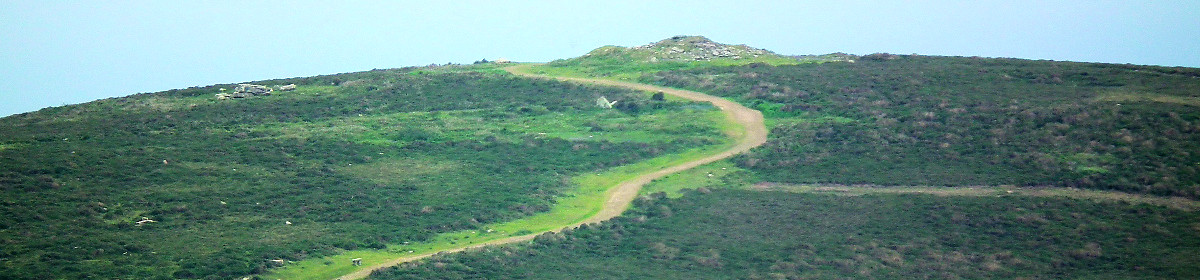
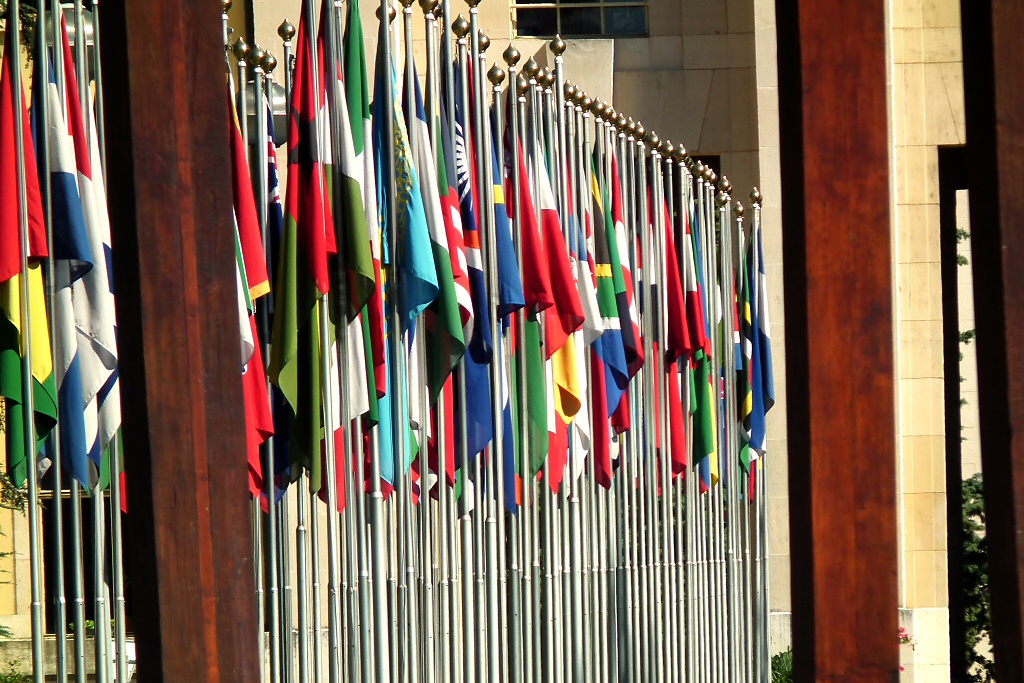
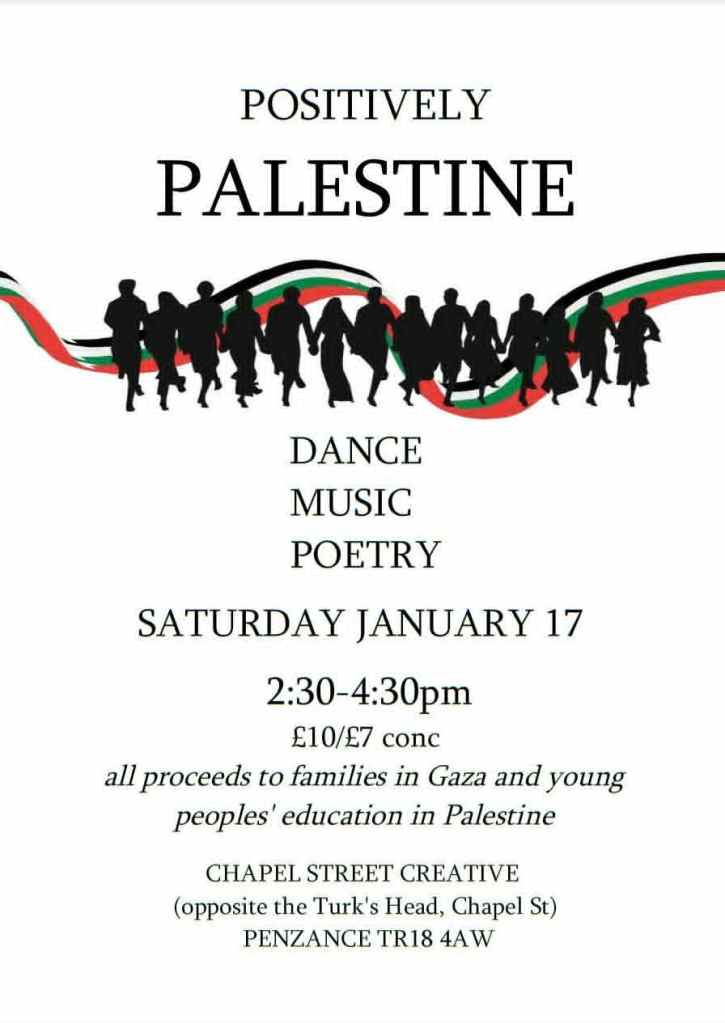
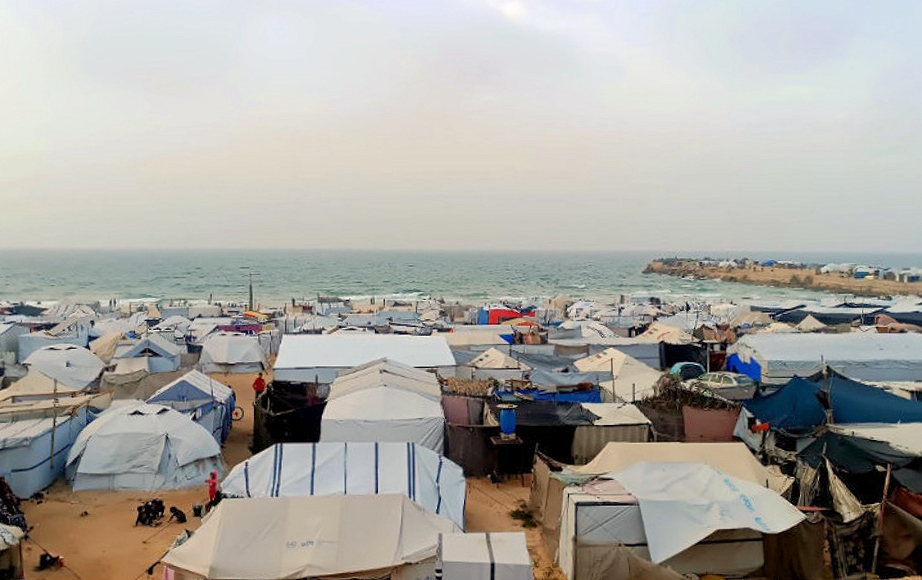

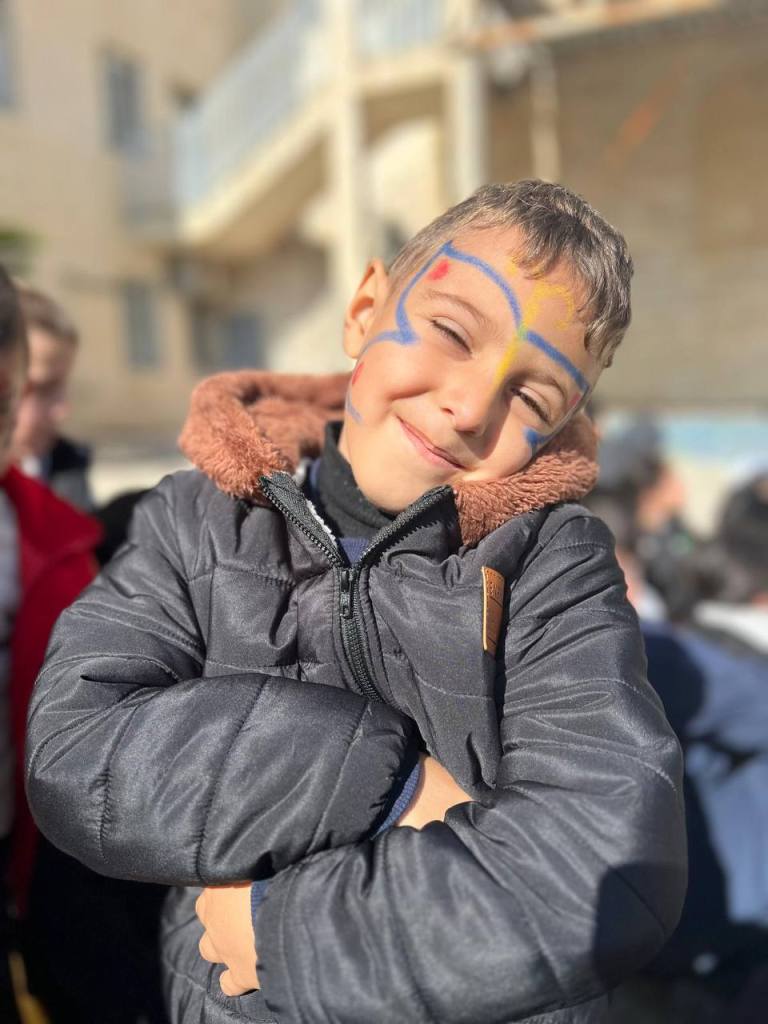


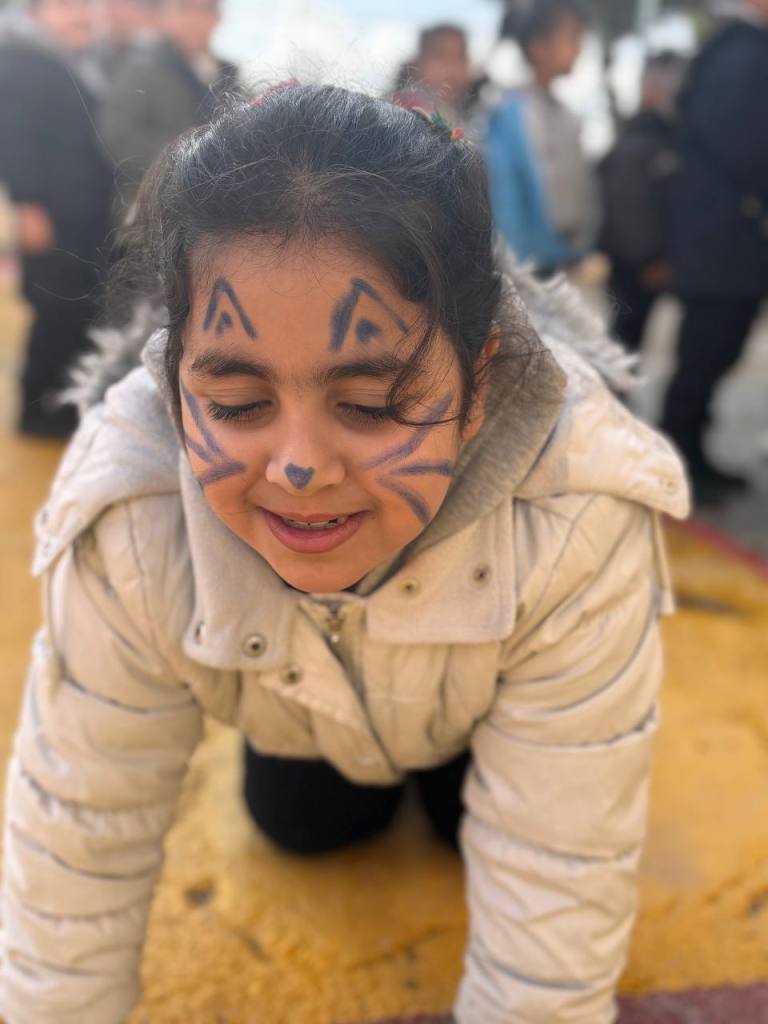
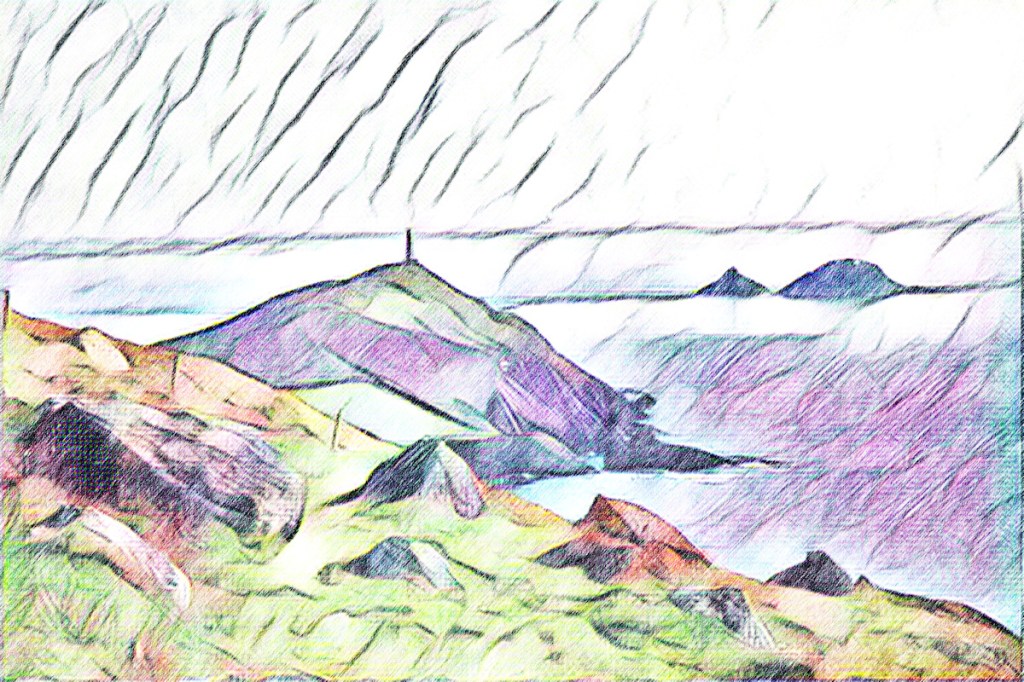


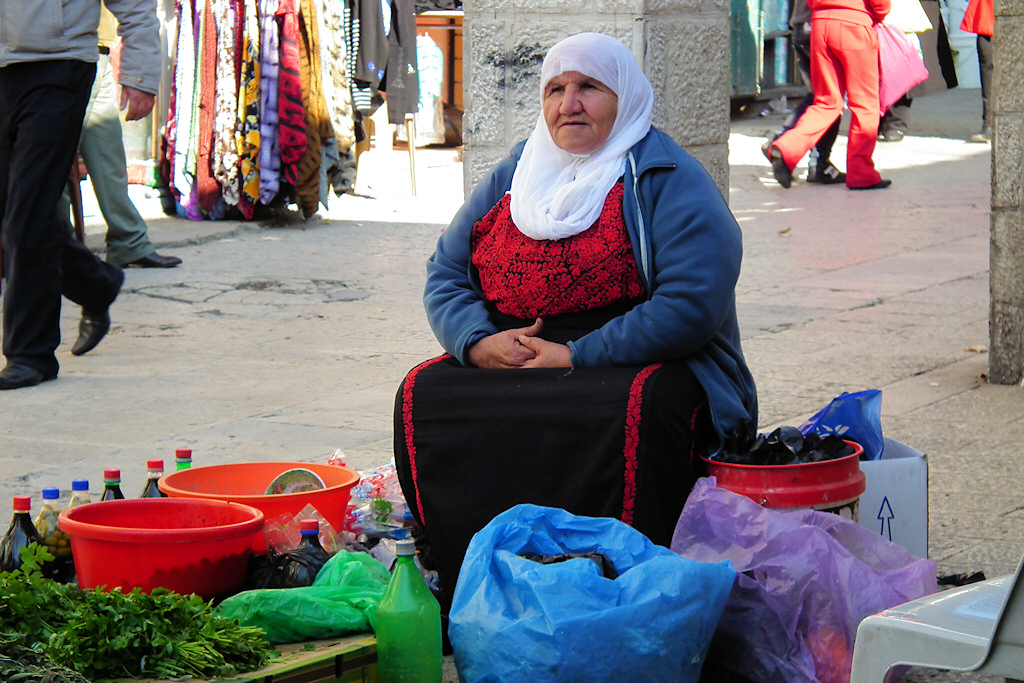

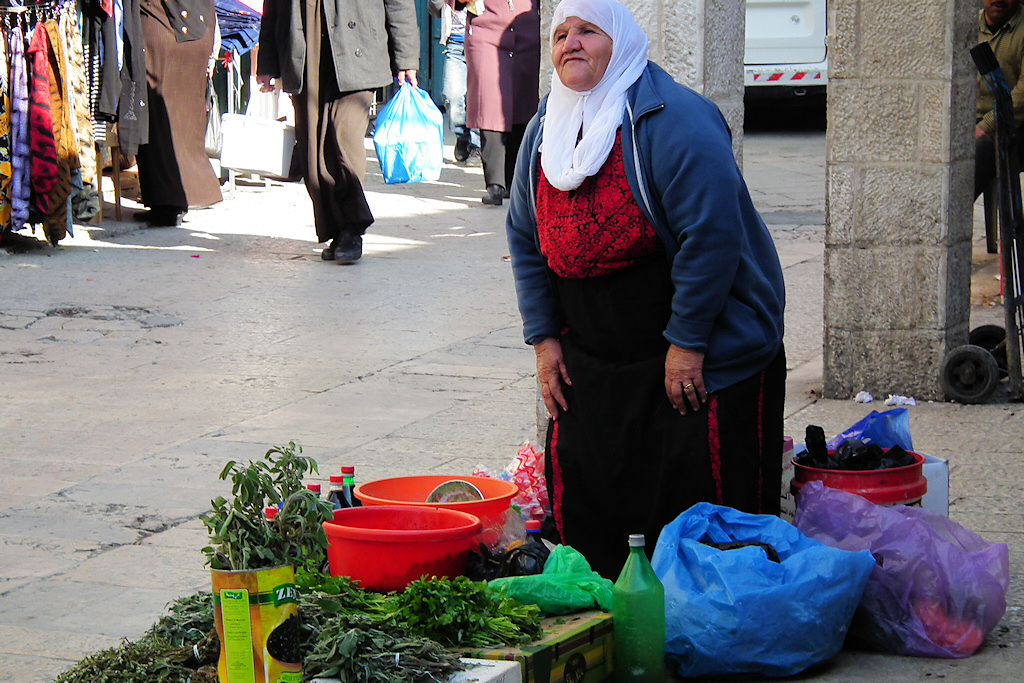


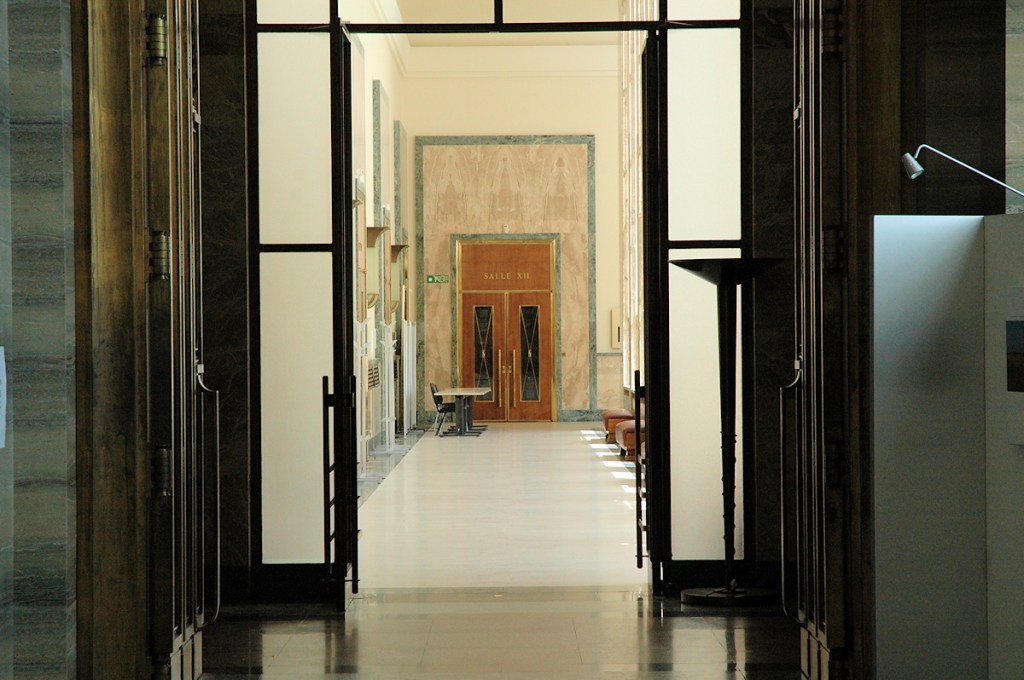
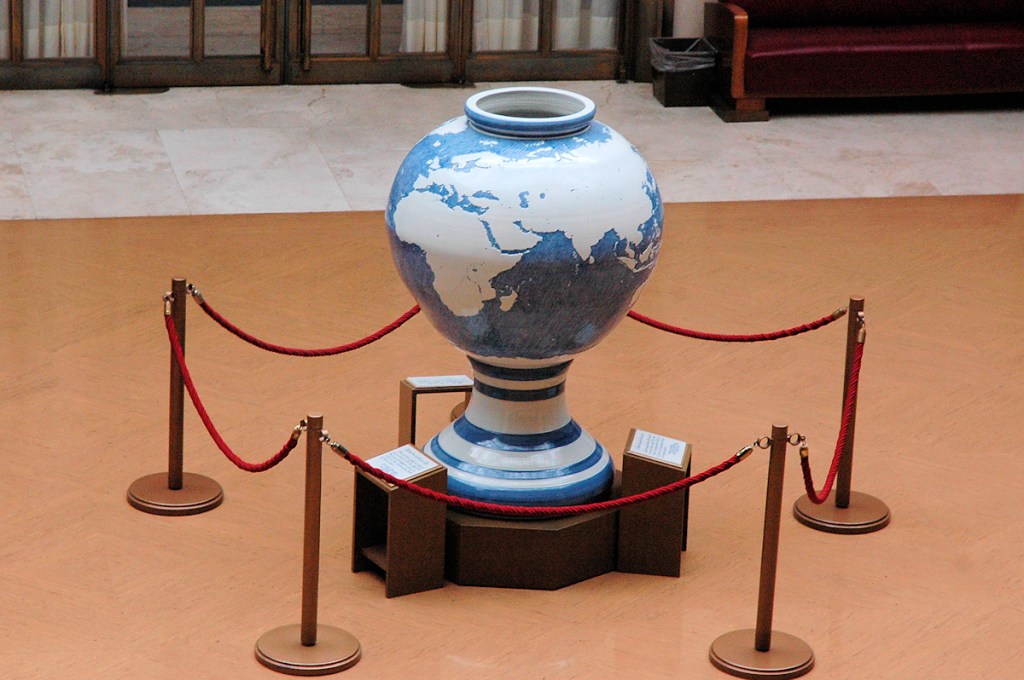


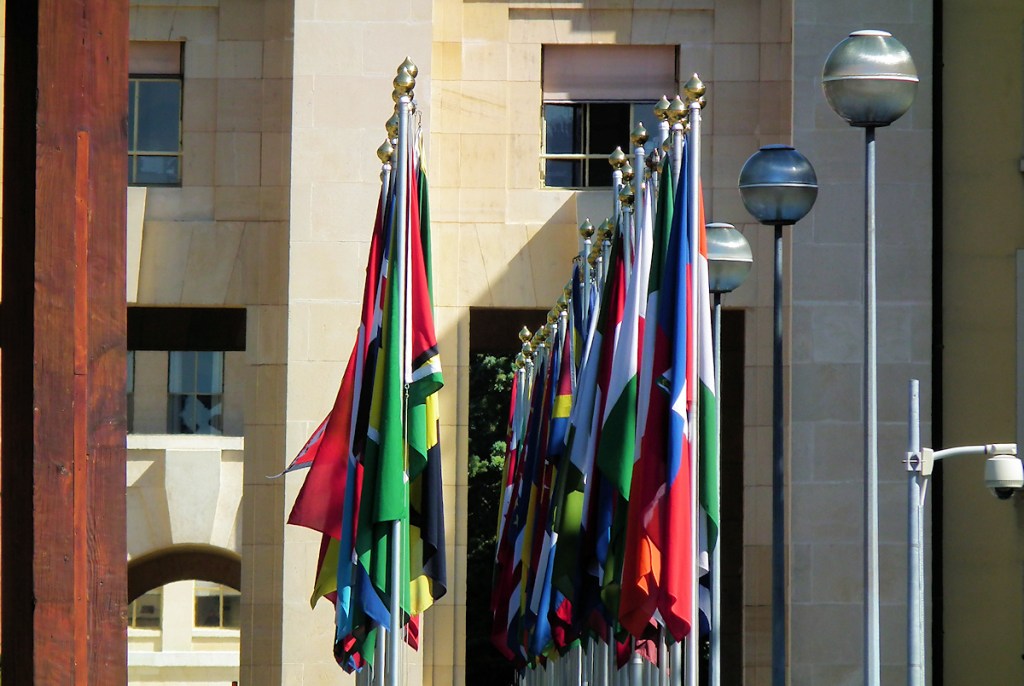


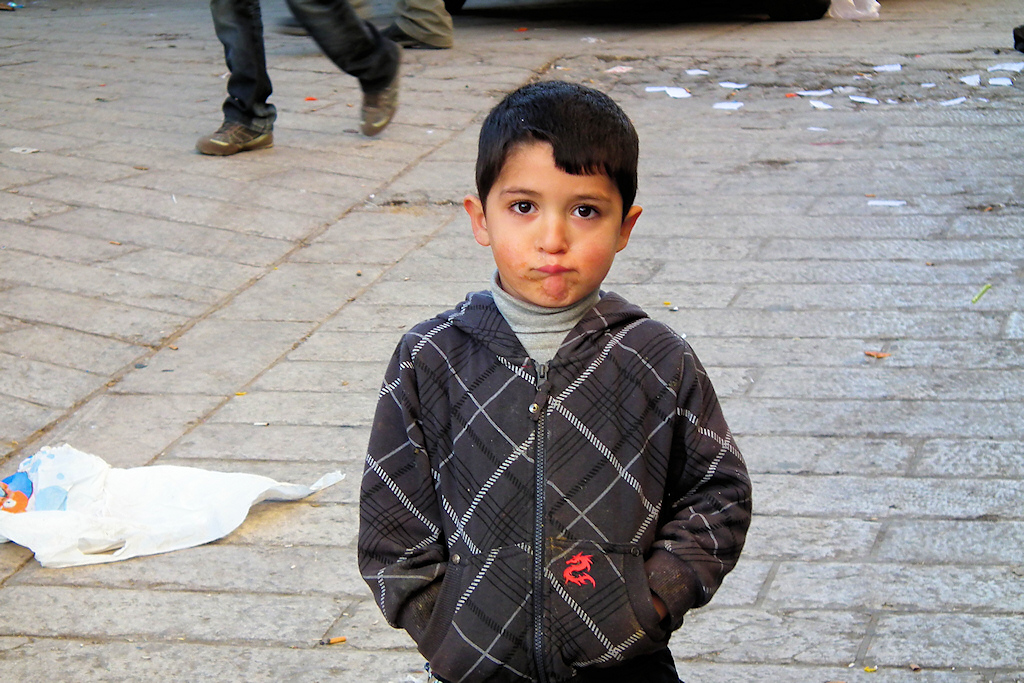


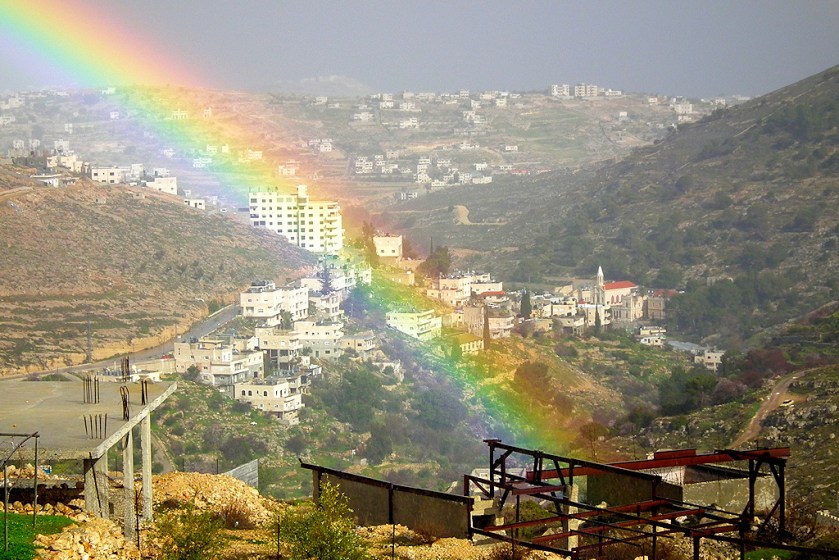
 Notes from the Far Beyond
You must be logged in to post a comment.