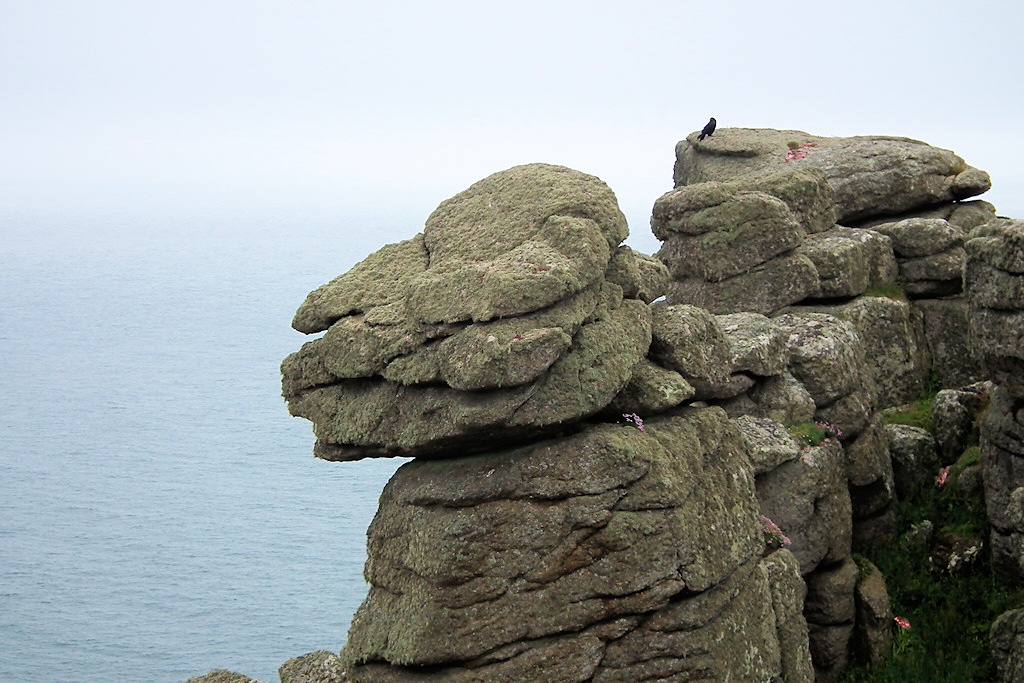
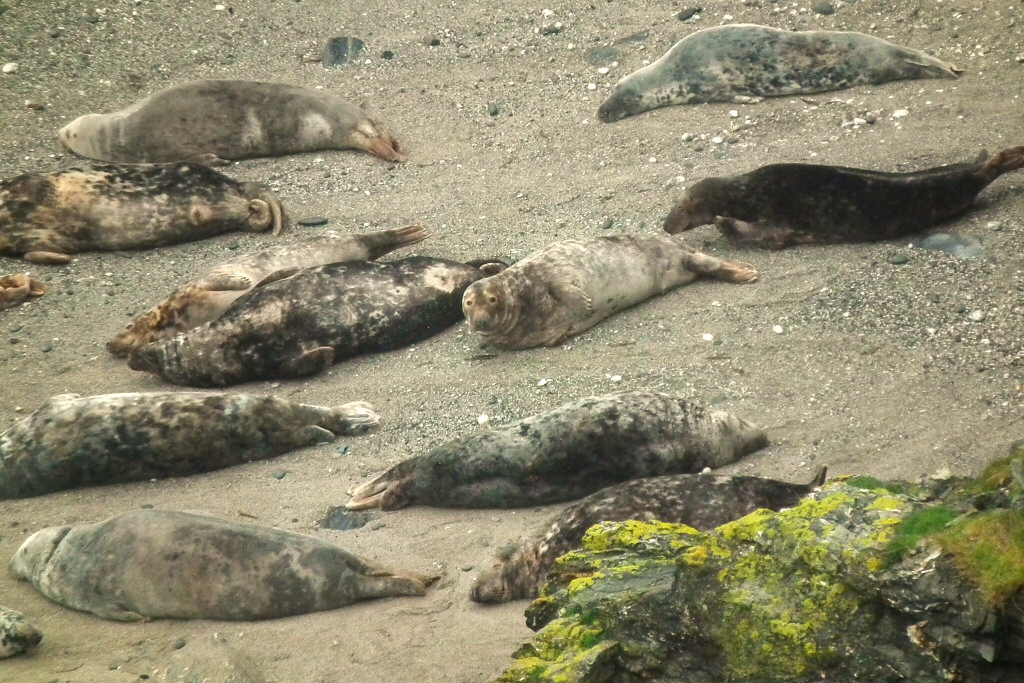
Ancient guardian at Pordenack Point, Cornwall. Busy watching.
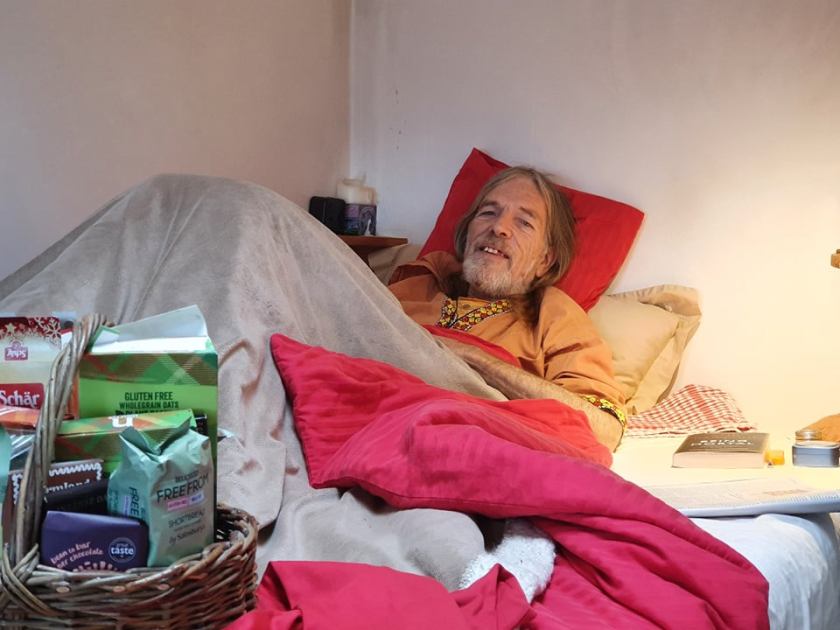
Quite a few people have followed my outpourings because I’m a cancer patient with some deep and wide perspectives on it. I’m one of those who was told I had perhaps a year to live (and it felt like it), and here I still am, six years later.
I haven’t said much about cancer recently. Partially because I’ve said a lot already and tend not to repeat myself. However, there are recent friends and followers out there who haven’t had the full story.
I’m mulling it all over… and that’s part of the reason for relative silence on it. My cancer book ‘Blessings that Bones Bring’, available on my site, is undergoing a revision, and a new version will come out sometime – here in Cornwall we say ‘dreckly’. It needs to be shorter and more focused on what matters most to cancer patients and their helpers. Some new reflections are brewing, but my psyche moves slowly nowadays…
If you need something now, then go to my podcast page and look for the ‘Cancer and Dying’ section. To get a sense of the progression from earlier to later days, start from the bottom and work upwards. It’s here:
I have an incurable blood cancer called Multiple Myeloma – it can only be managed and held at bay, medically. It affects the bones: the first sign, in my case, was that the four bottom vertebrae in my back collapsed and, from that day on, my life changed. Rather painfully at first.
I became a partially-disabled old crock. It was a soul-shift. I’m not sure whether I went down with cancer or went up with it. But it confirmed and tested a life-lesson I had already learned, that everything in life is a gift.
Repeat: everything in life is a gift. Especially at those times when it doesn’t feel like it.
Time spent in Palestine taught me that, though cancer took it to a new level. As a peacemaker, I distinctly disbelieve in the notion of ‘fighting cancer’ – and as it happens, I’m still alive, so there might be something in it.
Cancer is not a failure or an aberration – it is a gift. It is an awakener. It presents hard facts and profound choices. This is about free will at its deepest level. Surrender. Acceptance like you’ve never accepted before.
Living with cancer is very difficult, and that’s the point. It confronts us on why we’re here and what it’s all about.
I’m in a different life now, drawing on the mixed outcomes of the life I’ve had, but it feels like a different life. Funny, that.
Anyway, I woke up with this morning with the thought to reconnect with fellow cancer-experiencers, and something is brewing, and I just wanted to say that.
If you’re struggling through the darkness, just keep going. On a soul level, during times like that we make a lot of progress.
Amidst all the noise, bother and confusion pervading our world today, we need to zoom out, for there are far bigger questions to give attention to.
These are not just the enormous challenges in our ecosystem and with the human condition that we see before us. There’s more.
We’re heading for a time when as a planetary race we must face the fact that we are not alone. This has enormous implications.
This pod is all about the way our world will change when we start facing this. Our petty squabbles, the ways we oppress each other and the ways we wreck our world will take on a very different complexion.
One day, this small matter will trump everything.
A contactee in several senses, I’m happy to share some insights that might be worth considering!
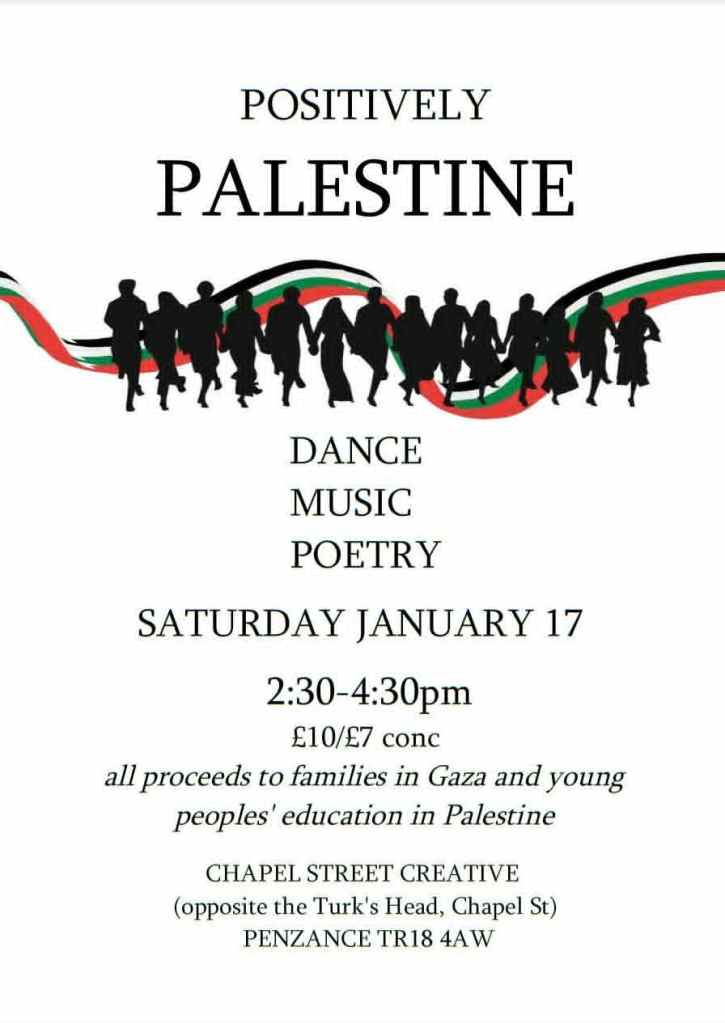
This is a short talk I gave recently in Penzance, Cornwall, during a Palestine-support event.
Many of us get caught up in the big issues around Palestine, often paying a lot of attention to our own countries’ or international politics and inadvertently forgetting actual Palestinians in places like Gaza. Anyway, the politics is a nightmare that’s going nowhere anytime soon.
This is about making friends with an actual Gazan, taking a person-to-person approach. It can have a bigger effect that you might at first imagine. And the friendship and benefit goes both ways.
In the talk I recommend a website run by Gazan young people: www.wearenotnumbers.org – check it out.
Thanks to Gershon Baskin of Jerusalem – a good-hearted Israeli – for a quote from his recent writing. Well done Adam Stout and Alison Dhuanna for organising the event – and thereby raising 600 GBP to help a few Gazans.
A correction: to get out of Gaza costs $5,000, and it is paid to the Egyptians at Rafah Crossing, who pay the Israelis, and both take their cut. It’s just as bad, whatever the excuse and whoever does it – exploiting people in need.
With love, Palden
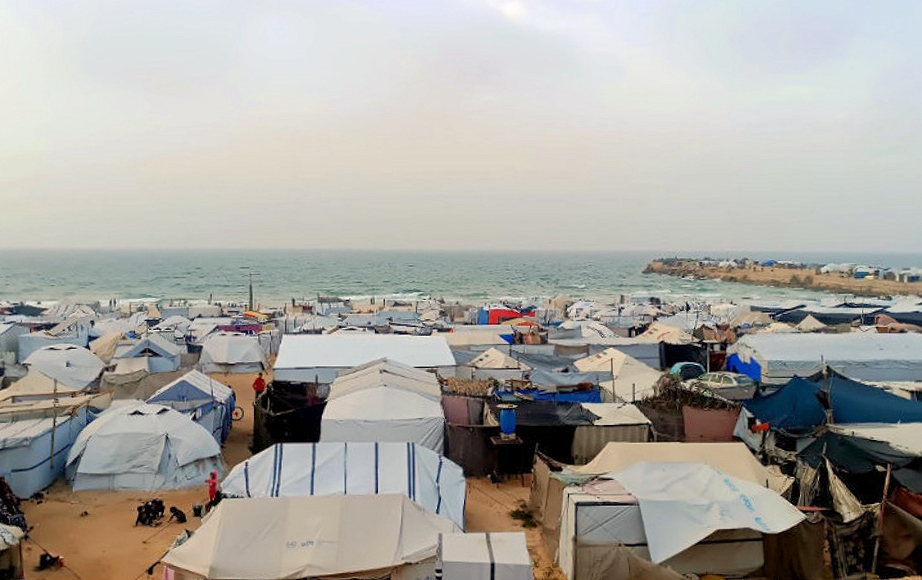
By the seaside. Photo by Refaat Ibrahim of wearenotnumbers.org
Having done battle with the Furies of Storm/Hurricane Goretti, and by the grace of hard-working local tree surgeons and power engineers, I’m back online and able, yet again, to elbow you about the Sunday Meditation!
Usually I do it weekly on Facebook and occasionally here on my blog. From now on I shall do this more occasionally, since I’m slowly losing my capacity to sit easily at a keyboard and activate it in a manageable way.
That is, though I sound lucid and coherent, as a meticulous Virgo and retired editor I go over and over it at least five times, and that’s getting laborious. A life of service to keyboards is slowly grinding down as finger-coordination declines and brains slowly decouple from this World of Ten Thousand Things.
But meditation is another thing, and I’ll be there, regardless, at the appointed time, whatever the weather or circumstances, at least until my passing and possibly for a while afterwards. The times are below, and if you are so moved, you are welcome to find a place to park yourself and join a holy party! And if not this week, then another week.
It’s also a good, doable and undemanding life-habit to establish, since the blessing-channel will be open and operative at 7-7.30pm GMT whatever happens. Times in other timezones are below. For me, over the last thirty years, and having had a life with little regularity to it, it has been like a cosmic timecheck – one thing that has been constant and unchanging over time, whatever is going on and wherever I have been – even in car parks, trains, deserts and cow fields. Funny, that.
It’s easy. Meditate, contemplate, be mindful, go quiet, make prayer, go inner-journeying, drop out for half an hour, and do it in your customary way. There’s no prescribed method or mantra, no sign-up and no need to be online. Just be present. I sometimes call it ‘cosmic availability’. We’re just a bunch of bright souls sitting together in inner space, at an appointed time. It amplifies the outcomes.
It is overlighted by a collective of cosmic beings I’ve worked with for decades, the Council of Nine, and if you resonate with me, then you’ll probably resonate with them. But they don’t meddle with us. They put it this way: if you meddle too much with your children you’ll drive them against you, and that is what free will is all about. So they don’t meddle – they subscribe to the Prime Directive (and that Startrek concept came from them). But they do like to support us in exercising our free will – our true and deep free will. More about them here: www.palden.co.uk/nine.html
As for times of passing, it’s funny how things go. If you’re spiritually oriented then other forces tend to take over, and the timing of death is not just a medical matter involving normal probabilities. It’s now six and also four years since I should have died, medically speaking, but here I am, and though I experience deterioration and decline of capacities and fascinating changes of viewpoint, I have no idea at all whether I have weeks, months or years ahead. This weekend my ‘perceptual age’ is in my mid-90s, though on a good day it’s 80-85ish, and my physical age is 75.
Thanks to all of you who have flown alongside over recent times, and may it continue, and may it bring benefit to you and to our benightedly shining planet. This isn’t a resignation letter but it’s always good to say things that need saying while we still can – or perhaps, when in the mood! Perhaps the Furies shook me up.
Love from me, Palden.
Current meditation times, on Sundays:
GMT: UK, Iceland, Ireland & Portugal 7-7.30pm W Europe 8-8.30pm E Europe, Turkiye and the Levant 9-9.30pm Iran: 10-10.30pm Pakistan: midnight-00.30 Monday India: 00.30-01.00 Monday Oz: AEST 5-5.30am Monday NZ: 8-8.30am Monday Greenland: 5-5.30pm Brazil-Argentina: 4-4.30pm Venezuela, Bolivia, Chile: 3-3.30pm EST, East Coast North America, Cuba: 2-2.30pm CST, Mexico, Jamaica, Colombia: 1-1.30pm PST, West Coast North America: 11am-11.30am
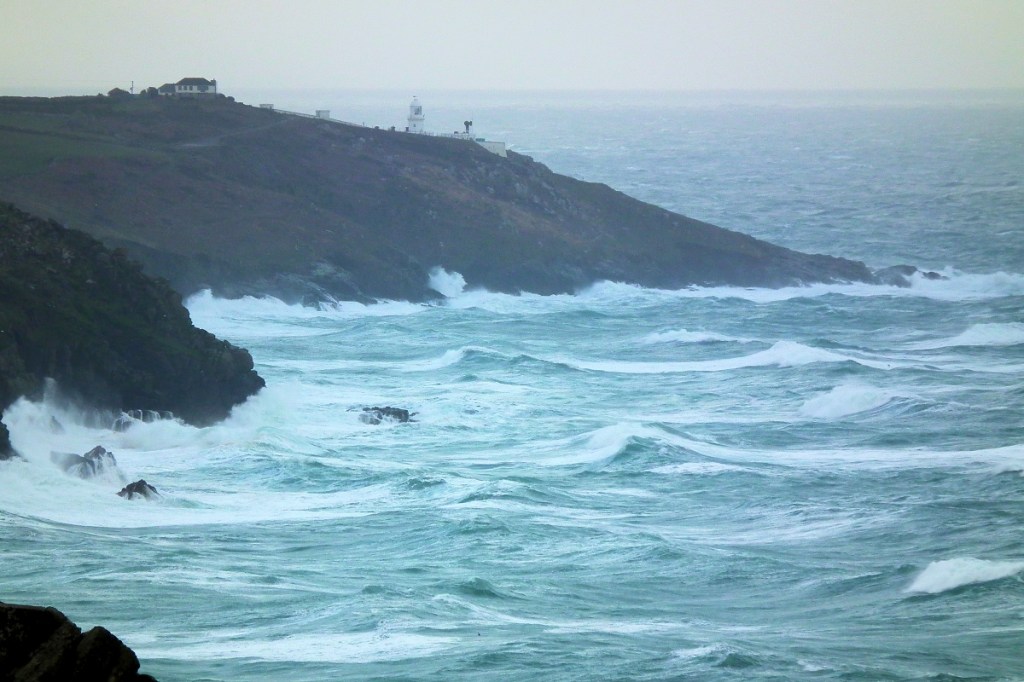
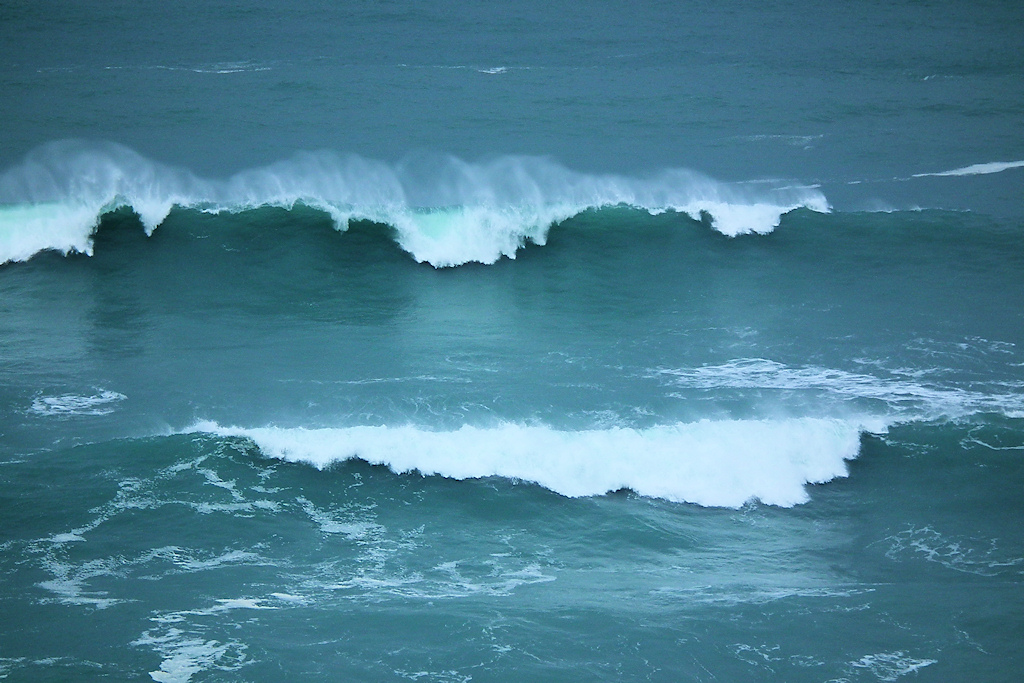
They came. And they went. They went scorching along the south coast of Britain toward the Netherlands. The storm gods, that is. It was a right old holy hoolie, a demonstration of the Power and the Glory for everyone in Cornwall to hide away from. And we did.
It’s one of those situations where you just have to huddle down, say your prayers and wait. One of those situations where even proudly hubristic secular rationalists start saying a prayer, just in case. You have to wait until it’s over, because it’s no longer in your power to do anything much else.
The winds were resolute, firm and consistent, not blustery or tricksy – they were forceful, merciless and thoroughly unrestrained. This was what in capitalism they call a hostile take-over. No consultation, no regard for human rights, no compassion: just the energy and might of a full-on Atlantic storm, a gift of the gods to remind us how small we are and how easy it is to wipe us out and dispose of us, if Nature so chooses.
Too often, we arrogant, self-centred, comfort-addicted humans forget this. It’s not that difficult for Nature to blink or cough, sending us beetling off to Heaven in our thousands, for the angels to sort out. Well, I’m heading that way anyway, sometime soon, and if the weather gods wish to take me today, getting in there first before the cancer gods get me, then what a way to go. I won’t complain. You have to get to Heaven somehow, after all, and in this there is no choice except for timing and method.
But it was okay. The lights went off and I sat in bed, reading in candlelight a novel about the Dreyfus Affair of 1890s France – as it happens, topically, a prime example of institutional anti-Semitism if ever there was one. Then I dropped off to sleep, with 100mph winds screeching over my little cabin, The Lookout.
They were coming from the northwest, and a hill stands there behind the farm, sheltering us from the Atlantic vastness, 3,000 miles of it, and it was okay. Had the winds been coming from the south, as in some of the storms of 2014, there would have been trouble on the farm. We were okay, but across Cornwall a lot of people were not, and many trees lost their lives. I found myself wondering what small birds do in super-storms like this, like the tits, dunnets and the robin who patronise the feeder outside my door.
Anyhow, I’m a survivor, and programmed up for it. Well, much of the time. The main dangers I have faced in my life have been from humans – control-freaky Israeli soldiers, nervy Palestinian freedom fighters, gritty ISIS terrorists and crack-addled Nigerian criminals – and the force of Nature has a more comforting side to it.
It is mighty, threatening and decisive, administering justice in a remarkably even-handed way and singling out all those things you’d failed to notice or do anything about during calmer times, making them fly. But it speaks the words of The Ultimate, and no one can argue with that – even The Donald, living as he does in a hurricane corridor called Florida, the land of the flowers, who badly needs to realise that he is not God and never will be.
But human dangers are another matter, and with them you’re dealing with a different, more capricious and regrettable kind of randomness.
When I woke up there was no power or water. Jon, the farmer, was clearing up the mess in the farmyard – the roof of his woodshed had radically repositioned itself. There was no phone signal, so a neighbour had driven to where there was a signal, finding out that we might, with luck, expect power back Friday afternoon. It took until Saturday afternoon.
Well and good. Except there’s one problem. Why is it that the power always returns just at that moment when you’re beginning to enjoy the calm and the candlelight?
But I do have a woodstove, and it soon was alight. There was the light of a lovely golden dawn over the valley, exhibiting another kind of Power and Glory from that of the night before. The birds were very quiet, probably a bit groggy after a long, trying midwinter night. There was no sign of the flight of geese who pass over the farm in the morning, hooting and croaking to the Void as if sadly lamenting the insecurity and non-attachment that migrating animals have to accept. They’d probably come from Greenland, Iceland or Norway, now wondering whether they might have been better to stay there.
So I pottered around. The worst that can happen is that the food in my freezer defrosts. No bombs are falling, and no earthquake-aftershocks are to be expected. Before long a saucepan was on the woodstove, warming up for the first pot of tea. I stumbled down into the farmyard and along the track to check a neighbour – yes, she was okay and huddling in bed with her dog. I came back, making my walking-stick work hard, poured the tea and read more of my book. Then I rooted around in the cupboards and found a Tilda pack of lemon and herb rice – and that went on the stove too, with some grapes thrown in.
One of the best meals I’ve ever had was during an Israeli lockdown on the West Bank. People in the rich world, all neurotic about our loss of freedoms, complained loudly during the Covid lockdowns, but with an Israeli lockdown, well, if you go out, you risk getting shot – it’s quite simple. Israeli troops are trained to shoot first and think later. In circumstances such as this, a kind of culinary gallows humour takes over and, using what you have in the cupboards, some amazing feasts can be had.
This is partially a perceptual issue. At a Palestinian refugee quarter outside Damascus, since I was a European with some diplomatic skills, I went out to see if I could find some food for the family I was staying with. We outsiders sometimes could get to places and negotiate things that others could not – though it would depend, of course, on the mood and values of any gun-toting man you met along the way, and whether they spoke English, German, Swedish or French. My ageing, sixty-something brains were having difficulty absorbing Arabic.
I usually managed to convince them I was a decent chap. Arabs are good at reading your body-language. Anyway, it was my lucky day and I came back with a shoulder-bag of bread – including, strangely, a plastic-wrapped pack of German pumpernickel. We had a true feast – of bread, with a few old, chewy olives thrown in. And, believe me, it was a wondrous and happy feast. Palestinians are well used to this kind of thing, though they have one weak point: they go through big coffee-withdrawal problems during lockdowns and hard times.
People often ask me what I used to do in Palestine and Syria. Well, I’ve done three books and an audiobook on the matter (links below), but the short answer is, things like this. Such as finding bread for a family to eat because, in the circumstances, I had the capacity to do so. It’s a small matter, finding food, but a meal can have a big effect on people’s mood and welfare. And you get to eat something too.
So a Cornish winter hoolie, well, it takes me back to that alert, resigned, improvisational, ready-to-run state that you get into when stuck in an emergency. You’re out of control of your fate, yet strangely in control too – though it’s necessary to leave the fear until later. In a funny sort of way it brings out the best in me. Comfortably normal regularity is not my forte, as my former partners can easily testify.
My computer battery is running out and I’ve said enough. I’ve been churning out verbiage for a whole lifetime, so no more is necessary. And, as usual, I’ve forgotten my tea and it has gone cold. So I’ll put my mug on the woodstove and, lo behold, in a few minutes it’ll be warm again. What simple delight can be found in small mercies.
And, as Arabs often say, Allahu Akbar, God is Great. Life is a wondrous thing. It’s a gift that’s worth cherishing while we have it. As something of an expert in other worlds and their characteristics, I can safely inform you that the tea on Earth is the best in the whole Universe. If you don’t believe me, your turn will come to find out.
However, compensations are available in Heaven. It’s a cool place to be, so don’t worry about the tea or other such things. Other things matter there. But just make sure that, when your own time comes, you’ve had enough of the experiences of this world to have, in another sense, truly had enough of them.
Since it’s solstice, here’s an extract from a book of mine, Power Points in Time, about the cycle of the solar year, for your interest. More about the book below.
We tend to take the cycle of the year for granted, viewing it in a rather reductionist, calendrical and mechanical manner. This is partially because the Western calendar has no natural basis, so we tend to think of a calendar as a matter of dating with no further significance. For a solar-based calendar it would make better sense to anchor it in the solstices and equinoxes, allowing us to move more in harmony with the seasonal undertow of life and nature and with overall energy-conditions.
The seasons are brought about by Earth’s orbital relationship with the Sun, in which she exposes each of her poles to the Sun for half of the year as she orbits around it. Each pole is maximally exposed to the Sun around the time of summer solstice, experiencing the midnight sun, while the other pole is in perpetual darkness during its winter solstice.
Outwardly, the Sun gives Earth light and heat, and inwardly there is a deeper energy-weather cycle activating and modulating life-force on Earth, connected with the solstices. Life-force courses through the subtle meridians of the Earth and the energy-systems and patternings of all living things. In terms of our daily lives, a year takes a while, but for the Earth it is just a short inbreath and outbreath in the long course of geological time.
The ancients took it upon themselves to invoke favourable seasonal change, in the knowledge that change is the essence of earthly life and rhythm is the breathing of life-force. They knew also that subtle energy patternings are the energy-framework upon which physically manifest things are draped.
Psycho-spiritually, the Sun within us resides at the centre of our being, around which all of the constituent parts of our psyche orbit. The Sun represents our fundamental raison d’etre, our will-to-live and our source of aliveness. It gets us up in the morning to meet a new day. You could say it channels the soul through into our personalities and earthly natures. It’s a vibrant, shining place within us which seeks to make something good out of life and to evolve through life’s experiences.
Through the Sun in our birth charts, we seek to become something more than we now are, to evolve and serve our purpose, to be part of the life-process and to contribute to it.
This inner Sun goes through its own cycle of the year. We each relate differently to it, depending on the position of the Sun in our birth charts, but we have a common cycle too – the Earth’s cycle. It’s about the fluxings of energy in life and nature and the thrumming of the resonant sphere of the Earth – we’re bathed in it, even when we live in big cities, even on the 25th floor. The Sun moves around the zodiac in the course of a year, exposing us to different shades and tonalities of life-experience as it moves through the signs. An Aquarian day can feel quite different from a similar Piscean day, and what we make of each is up to us.
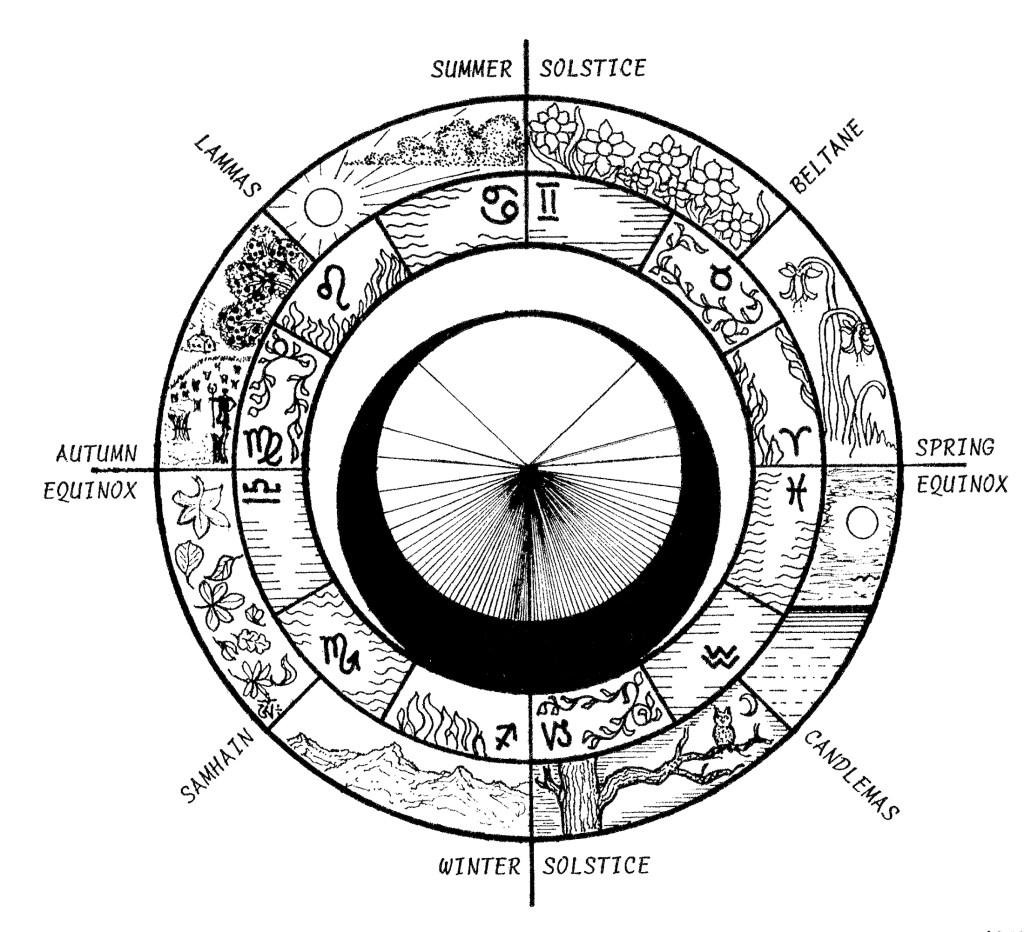
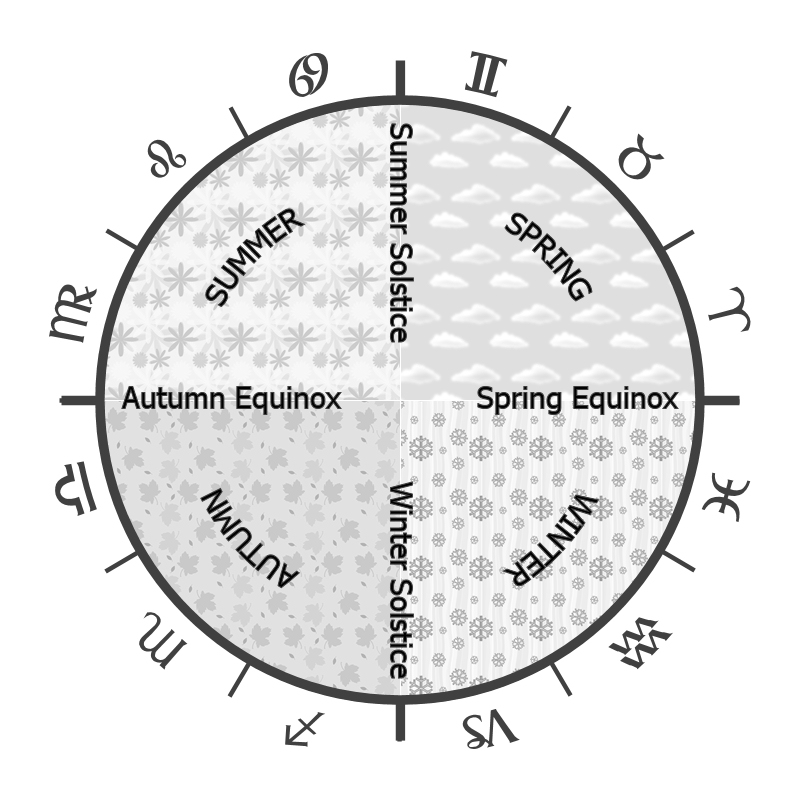
There are twelve signs of the zodiac, and the zodiac is anchored in the four quarter-points of the year – the two solstices and two equinoxes. The solstices represent turning points and the equinoxes represent tipping points in the four seasons.
There’s a three-sign sequence in each season. The zodiac has little to do with the stars and everything to do with the solstices, equinoxes and seasonal alternation, outlining the qualitative and archetypal undertow of the four seasons.
An archetype is an image or root-model of fundamental patterning behind and within all happenings and situations. If I say ‘oak tree’ then you will immediately form an image of an idealised oak tree, even though oak trees vary in shape, size and detail. So an archetype represents a basic patterning or template by which living beings and things shape themselves, even though the precise manner of their shaping varies enormously in real life. And yes, trees have thoughts and feelings.
There’s something interesting here. In Britain, NW Europe and other temperate climes (between about 40° and 60° from the Earth’s equator), nature manifests its actual physical changes in an eightfold, not really a twelvefold pattern. This eightfold pattern is marked out by the four quarter points and also by the mid-points (or cross-quarters) between these. These are important in temperate higher latitudes because the alternation of light and dark, day-length and temperature are more emphasised there. This also happens on a subtle-energy level, and it is these changes which pull us around and squeeze us through certain kinds of experiences at certain times of year.
In latitudes closer to the equator, other factors are emphasised by local circumstances or traditions, such as prevailing winds, rainy seasons, river floods, the rising points of stars such as Sirius or the orbital cycles of Venus. Localised cultures saw things in the light of what was visibly important in their own localities. In Europe, the great ocean is westwards, yet in China it is eastwards, and in Brazil the rainy season determined the way indigenous peoples structured their beliefs, while in Europe or Canada spring and autumn do so.
An eightfold calendar is more natural in NW Europe than a twelvefold one, which originated in Mesopotamia – though they interlock. The Sami (Lappish) people of far-northern Europe have an eightfold year, five seasons being different kinds of what most of us would call winter. The ancient megalith builders of Atlantic Europe 4-5,000 years ago, stretched between Portugal and the Baltic, embodied eightfold mathematics into the alignments and placing of the standing stones and stone circles they built. But both eightfold and twelvefold calendars are anchored similarly in the solstices and equinoxes. So they are related.
The energy principles behind each year are represented by the twelve zodiac signs, and manifest seasonal changes are represented by an eightfold subdivision of the year. This interlocking of principles and practicalities has meaning to it. Here we’ll look at the eight annual subdivisions, and in the next chapter we’ll examine the twelve, the zodiac. The eight, the quarters and cross-quarters, were marked in ancient times by festivals when fires, beacons and lights were lit, representing and re-invoking the life-force.
Power Points in Time. This isn’t a normal astrology book – it has little to do with birth charts or specific events. It’s all about cycles of time – cycles big and small, as astrologers see them. But when the original version of this book, Living in Time, came out in 1987, we found that it wasn’t so much astrologers who got excited about it, but it was pagans, druids and lovers of nature, ancient sites and shamanic practices. So, 28 years later, I updated and reworked the book, which came out in 2015.
It’s still available in print, published by Penwith Press and, while it’s a bit late for Christmas, here’s a thought…
If you are a seeker on a quest to understand a bit more about what lies behind and underneath the events of your life, it pays to have a modicum of understanding of astrology as part of your general knowledge – really, the basics should be taught in schools to teenagers.
It takes a while to get your head and heart around the details, but it pays off, since it’s really interesting, and your understanding of it and of life will evolve over time, as the years progress – whether or not you become an actual astrologer. And wintertime is a great time to get focused on it.
If you’re into ancient sites and working with the inner magic of nature and of time, then here’s a secret. The ancients built their sacred sites at power points in the landscape, but they carried out their ceremonies, rites, healings and workings at power points in time. I wrote this book to help my friends identify and understand power points in time.
Time is what stops everything happening all at once.
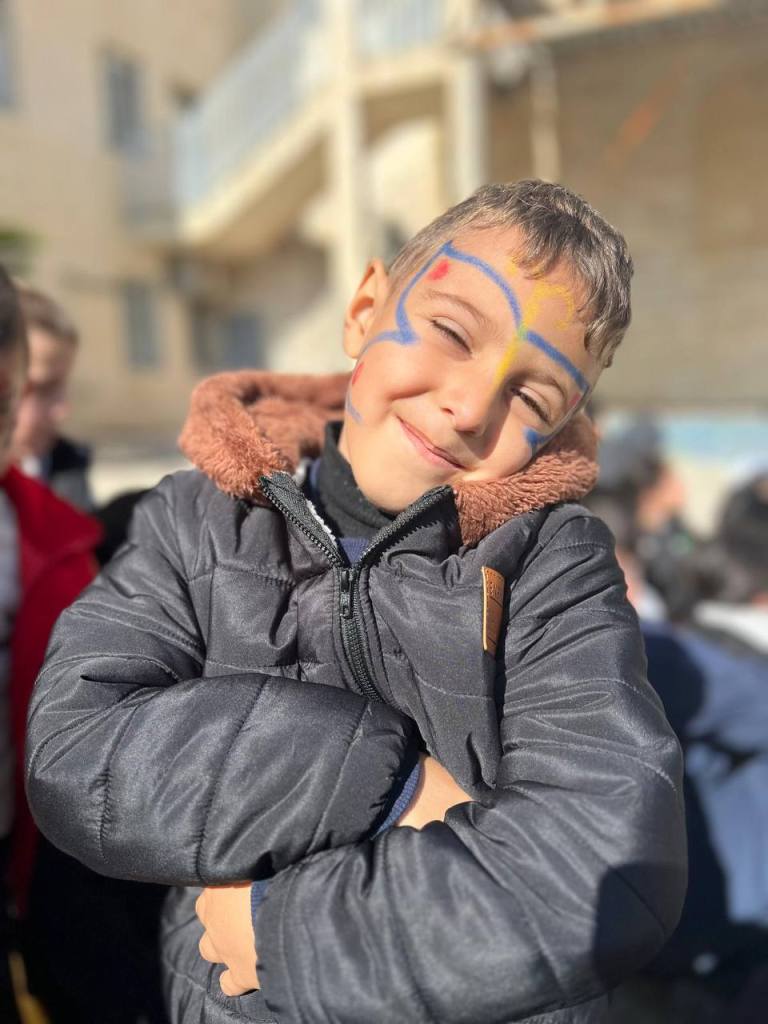
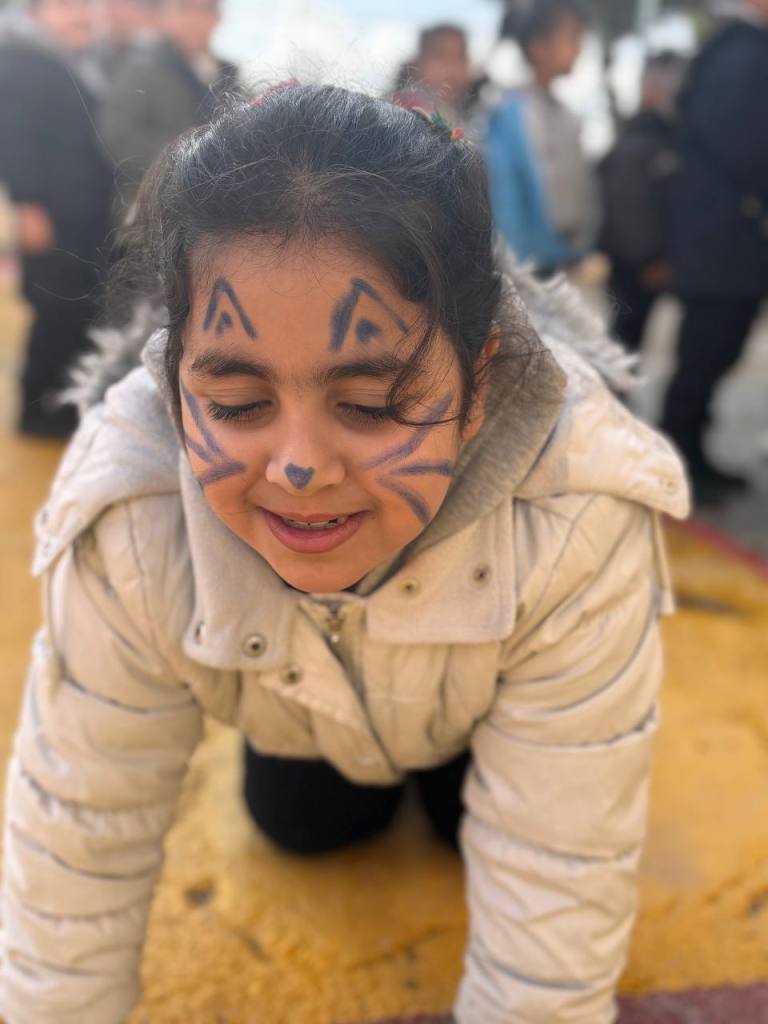
These are kids at the Hope Flowers School in Bethlehem, West Bank, Palestine, and these pics were taken in the last few days.
They are orphans from Gaza, and refugee and special needs kids from the West Bank. Apart from giving a good education under difficult circumstances, the school gives kids the tools to process their anger, loss, fear and trauma, so that they grow up knowing there is another way. Another way from what has happened over the last hundred years in Palestine and Israel.
Note the performers. These look like visiting Europeans. They are independent humanitarians: they set about brightening up the lives of people in places like Palestine and they make a big difference. They often fund themselves to do so, and travel cheap and crash on sofas. Some are performers, some hairdressers, some are welders and some are law graduates, artists and retired professionals. Have you ever considered doing something like this?
Forget Trump and Natanyahu: this is the human frontline, where the real work of peacemaking happens. These children are, I hope, the generation who will see a big change across the Middle East. The times of war need to end now: we must do things another way. And these are the people who will do it. That is my prayer for them.
Here’s the translation of the text that came with the pics:
In an atmosphere filled with fun and positive energy, the professor of physical education, Mr. Mustafa, organized a special recreational day for the students of the school, in cooperation with the refugee center, where play, art, and laughter came together in an unforgettable day ✨
⭕ A variety of events between animated games that enhanced activity and interaction, face painting added colors of joy to the faces of children, alongside a theatrical circus that presented pleasant performances that brought joy to the hearts🎪😊
Our students also participated in playing with parschute and other group activities that contributed to promoting a spirit of cooperation, active discharge, and building self-confidence in a fun and safe way 🌟
⛔ This day was an open space for joy and expression, and an integrated recreational educational experience that emphasizes the importance of play in supporting our children’s physical and psychological development 💚
ـــــــــ🍂ــــــ We learn for human well-being ــــــ🍂ــــــــ
To make a donation to Hope Flowers, go to this page for links to Hope Flowers’ supporting organisations in different countries: https://hopeflowers.org/wp/support/
Here’s a readable story about the history and philosophy of the school. It’s from my book Pictures of Palestine, and it’s called ‘Korea meets Palestine’. (Korea and Palestine were both divided in the same year, 1948.) https://www.palden.co.uk/pop/korea-meets-palestine.html
This time of year it’s easy to feel battered by life. Things just get to be too much. This is part of the syndrome of modern times – we get overloaded and stressed, landing up in a routine of juggling too many balls, and we lose our way. We end up wondering what it’s all about and why we’re living our lives the way we do. This is an important truth point.
When I got cancer six years ago I had to look at what I had done in my life to bring it about, or to make myself vulnerable to it. We can blame such things on this or that but, in the end, it’sus. I realised that I had been both harmed and helped by moments like this – times when I was strung out on a busy and engaged life, pushing myself, trying to keep up with everything that was required of me, trying to do my best.
I was harmed because at times like this we actually generate the seeds of future illness. These are times of vulnerability, overstretchedness, worry and, if we are honest, times when we swim around in our guilt and fear, in unconscious stuff that we never have time to look at or to process through.
So we lay it down as a pattern, a pattern of fear which becomes a bit harder to look at another time. This is where the root causes of later illnesses or disabilities arise – in those stuffed-away, shadowy segments of our psyche where we don’t want to look. This is where we have power change our futures.
I was also helped by times like this. They give moments of self-examination and soul searching, an opportunity to pay attention, at the very time when we need to do so – even in the middle of busily stressful, dissonant and portentous junctures.
One of the greatest mass self-destruction errors of today is the setting aside of essential soul matters in order to tread the mill, to pursue our important agendas, in which we carry the weight of the world, fight our loved ones and get worked up over small things (like supermarket queues).
We lose our way. We lose our sense of the real reason why we’re doing all this business of being alive on a planet. I mean, what on Earth am I doing with my life?
It is very important, amidst these times of So Many Important Things, to give ourselves proper quality time, being quiet, giving ourselves timetable-free space, relaxing, yielding, taking it easy, changing the subject inside ourselves, and letting new information, energy, healing or blessing come into us.
This is a matter of allowing. It’s not about making it happen. Unless you really want to, you don’t have to pay large amounts of money to go on retreats or to exciting places in the mountains of Turkiye: it’s a matter of giving time and space now, today, even if just for an hour.
When I was examining myself and the causes of the cancer that I was suddenly given in 2019, I came to see the roots of my cancer in moments like this. It’s to do with those times when we have stuff coming up from deeper down, changes going on, truth emerging – and, we tell ourselves, we’re too busy, and we can’t give it the attention it is due right now. Later.
We often set aside these moments, these openings of doors. Thus we lay down patterns which can lead to future regret. Or at least to future times when conscience and consciousness are squeezed and wrung out of us, by force of circumstance. Times when our souls decide to present us with hard, inescapable truths.
It’s not about being perfect. The soul is forgiving, understanding, and it sits in an eternal place. We are here to learn. As humans we are a mixture of light and darkness. We are not here to be angels. We are here to make good in a difficult and challenging situation, and to do our best with the riddle of life and the deal we are given, to struggle our way through an obstacle course and a learning journey. This is what we came for.
This is planet Earth’s special gift: you get an amazing physical life in which you meet remarkable people and situations, and in return you undertake to learn some profound lessons – lessons about balancing the physical with the spiritual, daily-life routine and inner calling, and our own and others’ needs and preferences.
We should not feel bad and guilty about our failings, our hidden bits, and the things we come to regret. These are fuel for the fire of learning. That’s what we came for.
But it certainly does us a lot of good if we pay attention to releasing whatever needs releasing as closely as possible to the time that it happens, while it is in focus. It’s good to build a habit of moving forward, seeking out truth, applying all of the different kinds of growth-tricks we come to learn as we pursue our path through life.
If we build this habit it means that when the shit really does hit the fan, we have tools and experience to resort to, because we have built a growth habit, a truth habit.
It’s not that truth is always available at the moment when we seek it. Sometimes it takes time. Someone once said, a decision is truly made only at the time when you can chuckle about it. On the other hand, in every moment there is sufficient truth available for us to do enough of the right thing in the situation we find ourselves in.
This involves intuition – listening to the signs and signals within us. It involves listening to that inner voice which at times just says, ‘Be aware, be aware in this moment’. This is what you could call conscience.
Only sometimes does it give an answer about what to do, but it certainly gives a prompt to say ‘Be aware, this is a moment of choice’. If we pay attention to these moments, these moments of proto-truth, it expands our free will, our freedom of expression, our freedom to negotiate situations in the best way we can.
Sometimes we get it all wrong. And this is life. Because there can be deeper threads, deeper meanings going on underneath, and it is not uncommon that we find ourselves out of our depth, being stretched. Life gives us these moments of choice. This is what free will is. And sometimes we get it wrong.
That’s not the end of the matter. Because revelation and times of correction do come. Be patient. Sometimes we can make it up with the people who were involved, or we can correct or improve the situation, or we can own up in some way, and sometimes we can’t. But within ourselves, it is possible to change the story.
In every scrangle, we were half of the problem, and we can change our half, even in retrospect. This shifts shadows. Balance starts returning. Forget good and bad, right and wrong: what matters is movement, forwardness and progress. Sometimes this can involve taking the difficult path – a path of confrontation, pain, tears or apology. But this lands up becoming the easiest path.
Sometimes we cannot shift the shadow or resolve the situation. It might be too late, or the other party might refuse to forgive, or resolution might not be possible. But we can still look at our own side of the equation and get that bit right.
There is a simple rule by which to judge situations: treat others as you would like them to treat you.
If there are instances in the past that you regret, where you didn’t do your best, you can own up and rework them. It’s a de-guilting, forgiving process. And perhaps the judgements of rightness and wrongness made at the time were themselves incorrect.
In whatever proportions, you were both at fault and you were both right too. Remarkably, if you move on your side, sooner or later there will be movement on the other side. But don’t sit around waiting for it.
There can be resolution for the other person, or the other people who were involved, even if you don’t know whether it’s happening, or even after their death or yours. But in the fullness of time, if we release our side of the equation, then it loosens up the whole tangled cycle of co-bondage that lies behind and beneath the whole situation.
Some situations just cannot be understood or explained. But things happened that way. The world, as we have made it, is an incomprehensible place. So-called ‘mental illness’ is a simple consequence of living an a screwed-up, contradictory, insensitive world.
This is particularly important for those of us in late life. It’s about forgiving other people for what they did or they omitted to do, or that they did in ways which could have been different. It’s about forgiving world and societal situations because some, such as an earthquake, might have hurt a lot, but these are part of the formula, the equation, the deal we took on by being born, when we decided to have a life on Earth.
There’s also the matter of forgiving ourselves. Because in forgiving ourselves it loosens up the whole cobweb, the whole network of shared error, since we are not as separate as individuals as we frequently believe. We are all so intertwined. We breathe each other’s air.
There are various dimensions to this. There are things we definitely got wrong, and there are things other people judged were wrong which perhaps were not so, when seen from further away.
Then there are cultural issues where social judgments are implicitly made and accepted which, in the fullness of time, turn out to be to be very different. For me, for example, 900 years ago I believed in holy war, yet in this life I do not believe in war at all.
Then there are matters where we were wronged, yet we took on the guilt, the wrongness, because we were surrounded by unavoidable situations or people who misjudged us. Quite complex gestalts and constellations of human feeling can cause us to carry a psychological burden when in fact we might not have needed to carry it.
Some people spend their whole lives carrying far more guilt than indeed they should do, but in another way they mop up the free-flowing projections of other people and of society, absorbing it like sponges – sometimes with an ability to transform it, as nurses, carers, humanitarians or even inadvertent social healers, and sometimes they become victims of society and its ills and madnesses – the special needs cases.
In fact, the way things are going, the whole population of the world, currently around 8.2 billion, is becoming a special needs case. Help!
So if you’re feeling rather beat up at the moment, and if you’ve had enough, and if you’re feeling physically or emotionally vulnerable, it’s well worth staking out some time for yourself. Just tell everyone else to go away. Switch off your phone. It is to others’ advantage to support you in becoming a better person.
Whatever their dependencies and needs, these will be better fulfilled if you are in a good state. But if you are struggling inside with ghosts and demons, your generosity and good-natured side doesn’t shine genuinely and wholeheartedly.
If you’re lying in bed feeling unwell or wobbly right now, you might try listening to one of my podcasts about the inner doctors. Working on things like this can be really helpful, but often it’s only at these moments of vulnerability where we really perceive the need to pay attention to this kind of thing.
Also, it’s winter solstice – at least, here in the northern hemisphere – and a time for contemplation and reflection. Many people make this into a time of stress, spending vast amounts of money and overconsuming even if they don’t want to – all out of a sense of obligation to fulfil needs which were relevant in former, poorer times, when a feast was good and necessary, but which have lost so much relevance today. If gifts and treats are expected and taken for granted, they are not a gift, and the money might have been better spent supporting a family in Gaza.
There’s a big case of cognitive dissonance around all this. It is symbolised on Christmas Day when the day starts in a very human and open hearted kind of way, but then most people in countries like Britain start assaulting themselves with alcohol and overeating, also going through social situations which perhaps they might not want to go through, though they might feel obliged to do so. Don’t upset your grandmother, darling.
This sense of obligation to be happy, and to do all the right things, is, deep down, guilt-driven. Yet in order to have peace and goodwill on Earth, and every day of the year, and for evermore, which is surely what we all genuinely want, we need to free up all this guilt.
As you might by now tell, I don’t do Christmas, so unfortunately you will not be receiving a Christmas card from me. It’s not Scrooge mentality – it’s just a divergent Aspie’s preference. Before Christmas I am Scrooge, and after Christmas quite a few people, burping, tell me I’m lucky to have bypassed all that.
Here is a greeting to those who concur with me, and who will be spending Christmas mostly on their own – for perhaps you are the ones who can do some forgiving, pumping up the peace and the goodwill to all people, with an extra dollop of collective release and public mercy, without burying it in fats, and carbs and alcohols.
Here is a greeting to those who love Christmas too. It can be such a wonderful time of family and neighbourly gathering, and do it well. It’s special. Unplug the TV and get everyone to pile their phones in a box for the time you’re together. And get the kids doing the washing up – or, alternatively, making a valuable contribution of their choice. After all, we live in anti-authoritarian days, so options must be available, though I have not heard of a human right that entitles us to avoid earning our ticket.
Savour the Christmas plenty. I mean that. Because we’re coming into times when there might not be so much plenty, and it will be necessary to enjoy that too, and the gifts of grace that come with it. For when the economy goes up, society goes down, yet when the economy goes down, society goes up.
I think that was an economics and life lesson that the Prophet Jesus, peace be upon him, was trying to teach. It is likely that peace and goodwill in our world will rise as the global economy adjusts to the facts of its situation, and as humanity goes through an inner change that causes it to stop gulping up our world and shitting on it.
Not only that, but we will enjoy the new situation. There will be elements of relief to it. And defence expenditure, malware and security cameras will be things of the past, like holy war.
The world is in a process of acceleration and thawing, and it’s complex, and the bits are all bumping up against one another, and it looks as if things are getting worse with each passing year. No, they are getting better, though it is a painful and intricate process. Things are just starting up.
And the way they look now is not how it is going to be in the fullness of time. All things shall pass. All will be well, and in ways we cannot currently imagine. Hold that thought. All will be well.
It happens again this week, on a cushion just under your bum – and the times in different countries are below. Do it your way: there’s no prescribed method, faith or mantra – just a bunch of good souls scattered around, meditating together. No need to sign up, be online or subscribe – just be there, wherever you are.
This meditation was started in 1994 in response to a request from the Council of Nine that we humans do so. It’s at a fixed time so that The Nine can create a field that surrounds us, for that half hour. You’ll feel it, and it begins and shuts off bang on time. To find out more about The Nine: www.palden.co.uk/nine.html
They do not seek followers. Follow your spirit, soul, heart, mind and intuitions and, together, we’ll get there.
I’ve been working through the book I compiled for them thirtyish years ago, ‘The Only Planet of Choice‘, as a kind of revision course. It’s good to re-learn things I learned earlier in life. Or was that another life? They had a big influence on me.
I found some interesting lines from them…
——————–
You must understand that your thoughts are a living reality. If you do not monitor and guard your thoughts, exchange joy for dissension, exchange compassion for disdain, then it is difficult for planet Earth to move forward. We mean planet Earth collectively. If you have gathered but a small understanding of the importance in your moving forward, to benefit the elevation of planet Earth, then you have attained a great step forward for humankind.
It is not necessarily a path of great difficulty, for it is a joyful path, if you understand the truth of who you are. It is a path of happiness, for when you find the essence within yourself, then fear, which creates conflict, cannot completely control you. It is also true that on your path there will seem to be times of trailing backward. What is important is always to understand who you truly are, for you will then move forward. This is your planet, and you have not come here in error.
Every human being who is upon planet Earth has come here by choice. At this time in particular there are many who have come for the purpose of service to planet Earth. Because of the variety and the beauty of planet Earth, and also because of the density that has come into being through unbalanced-negative influences, many souls are now stuck on planet Earth. For these influences try to be in competition with Creation, not understanding that in reality they are of Creation itself – and yet they choose to be in competition, not in obedience, and not in forwardness.
When we talk about obedience, we do not mean that obedience should be blind, not in the way used in your world. We mean that you need to be conscious and aligned to the forward evolution of the universe.
At this time we wish you to appreciate that planet Earth is congested and bottlenecked, since many have chosen to reincarnate here when they could have gone on to other experiences. They became entrapped in what they believed to be reality. It is now time to transcend that.
There are many upon Earth who are trapped in their addictions – if it be addiction to power, addiction to ingestion of substances, addiction to physical sexuality, and to habits, or addiction to attempting to find one’s self in others – and humankind has desecrated planet Earth because of lack of understanding, when in reality it is undoubtedly the most beautiful planet available to experience.
It is important that you not give your free will away: you do it when you permit yourself to lose control of yourself, whether it be with ingestion of addictive substances, or in anger, or other things. You are always responsible: that cannot be removed. This does not mean that you should not have joy in dancing and singing, and all those wonderful attributes that are generated in humankind, for we wish only joy upon planet Earth, and we wish you to enjoy all that has been provided for you. For variety in experience of this kind does not exist in any physical civilisation in the universe.
Always walk in gentleness, in kindness, in joy, and remember this: when you are laughing, the universe is also in laughter and joy. Many of you humans have lived before on planet Earth, as you have all lived in other places of existence. This time you have come here to help planet Earth transform itself. You will continue in future to live also in other planetary civilisation systems, but that does not mean you can escape the responsibility of this existence.
You are a universe within yourself, and your universe affects all universes. As you generate love and kindness, you touch other universes and infuse them. As you generate despair and anger, you also do that to others, for you each are powerful individuals within yourselves.
Some would say that when they die, when they make the transition, they are transformed. But that is not what we mean by transformation. For if in their transition they take with them their problems which they maintained upon planet Earth, then they have created a transformation that is heavier than what transformation truly is on planet Earth.
We wish them to know the importance of transforming who they are during their life on Earth, their direction and their understanding of their responsibility for planet Earth, its inhabitants, its life in all forms, including the seas and the minerals within the Earth – to have respect and to bring about the transformation of planet Earth by elevating it out of darkness. That begins with the individual. Is that explanatory enough?
———————
With love, Palden
———————
Current meditation times, on Sundays: UK, Ireland & Portugal 7-7.30pm W Europe 8-8.30pm E Europe, Turkiye and the Levant 9-9.30pm Brazil-Argentina 4-4.30pm EST, Cuba 2-2.30pm CST, Mexico, Jamaica, Colombia 1-1.30pm PST, West Coast North America 11am-11.30am
I’ve been working with a village of Tuareg for ten years, in a small people-sized support operation. They live in the Sahara desert, a day away from the historic city of Timbuktu in Mali.
We restocked their goats and camels after a terrible drought, helped them dig a new well and build a small village school.
But now I need to pull out – I can’t continue with things I used to be able to do. But I don’t want to abandon them.
So this pod tells the story, and about the dilemma of a humanitarian with a need to pass this on.
With love, Palden
Thanks to Constanze Küppers in Germany for prompting me to make this pod









 Notes from the Far Beyond
You must be logged in to post a comment.