This is a short talk I gave recently in Penzance, Cornwall, during a Palestine-support event.
Many of us get caught up in the big issues around Palestine, often paying a lot of attention to our own countries’ or international politics and inadvertently forgetting actual Palestinians in places like Gaza. Anyway, the politics is a nightmare that’s going nowhere anytime soon.
This is about making friends with an actual Gazan, taking a person-to-person approach. It can have a bigger effect that you might at first imagine. And the friendship and benefit goes both ways.
In the talk I recommend a website run by Gazan young people: www.wearenotnumbers.org – check it out.
Thanks to Gershon Baskin of Jerusalem – a good-hearted Israeli – for a quote from his recent writing. Well done Adam Stout and Alison Dhuanna for organising the event – and thereby raising 600 GBP to help a few Gazans.
A correction: to get out of Gaza costs $5,000, and it is paid to the Egyptians at Rafah Crossing, who pay the Israelis, and both take their cut. It’s just as bad, whatever the excuse and whoever does it – exploiting people in need.
With love, Palden
By the seaside. Photo by Refaat Ibrahim of wearenotnumbers.org
These are kids at the Hope Flowers School in Bethlehem, West Bank, Palestine, and these pics were taken in the last few days.
They are orphans from Gaza, and refugee and special needs kids from the West Bank. Apart from giving a good education under difficult circumstances, the school gives kids the tools to process their anger, loss, fear and trauma, so that they grow up knowing there is another way. Another way from what has happened over the last hundred years in Palestine and Israel.
Note the performers. These look like visiting Europeans. They are independent humanitarians: they set about brightening up the lives of people in places like Palestine and they make a big difference. They often fund themselves to do so, and travel cheap and crash on sofas. Some are performers, some hairdressers, some are welders and some are law graduates, artists and retired professionals. Have you ever considered doing something like this?
Forget Trump and Natanyahu: this is the human frontline, where the real work of peacemaking happens. These children are, I hope, the generation who will see a big change across the Middle East. The times of war need to end now: we must do things another way. And these are the people who will do it. That is my prayer for them.
Here’s the translation of the text that came with the pics:
In an atmosphere filled with fun and positive energy, the professor of physical education, Mr. Mustafa, organized a special recreational day for the students of the school, in cooperation with the refugee center, where play, art, and laughter came together in an unforgettable day ✨
⭕ A variety of events between animated games that enhanced activity and interaction, face painting added colors of joy to the faces of children, alongside a theatrical circus that presented pleasant performances that brought joy to the hearts🎪😊
Our students also participated in playing with parschute and other group activities that contributed to promoting a spirit of cooperation, active discharge, and building self-confidence in a fun and safe way 🌟
⛔ This day was an open space for joy and expression, and an integrated recreational educational experience that emphasizes the importance of play in supporting our children’s physical and psychological development 💚
ـــــــــ🍂ــــــ We learn for human well-being ــــــ🍂ــــــــ
To make a donation to Hope Flowers, go to this page for links to Hope Flowers’ supporting organisations in different countries: https://hopeflowers.org/wp/support/
Here’s a readable story about the history and philosophy of the school. It’s from my book Pictures of Palestine, and it’s called ‘Korea meets Palestine’. (Korea and Palestine were both divided in the same year, 1948.) https://www.palden.co.uk/pop/korea-meets-palestine.html
Thirtysomething years ago I had the privilege of working with a bunch of (for want of a better term) cosmic beings called the Council of Nine, compiling and editing a book for them, ‘The Only Planet of Choice‘. They dropped in loads of remarkable insights and here’s a bundle or two of them. Some readers might think this stuff far too way out, or utter garbage – so use your freedom of thought and intuitive discernment here.
Planet Earth is very different from other worlds. One factor affecting this is its gravitational density and the intense physicality of our lives on Earth. This has had a troublesome, diversionary and downward-pulling effect on human consciousness, with the result that we tend to forget why we came and what we are here for. We get lost in the daily round and in our psycho-emotional stuff, losing our connection with spirit. It has made human history into something we can be proud of and also we ought to be ashamed of it.
Over the centuries and millennia we have institutionalised this situation, making it our default behaviour, such that waking up to the heart of the matter has become an exceptional, dissenting thing to do, with difficulties and sanctions attached. This is further exacerbated by historical factors such as the control agendas of dominant elements in society and the compromised submissiveness and conformity of the majority. We’ve given power to fear, guilt and shame, clamping our spirits and clipping our wings.
There’s another issue too. As a planetary race, we did not start our evolutionary journey together as one tribe or family, originating from one single source, as is the case (according to the Nine) with many worlds, cultures and civilisations throughout the universe. Humanity has physically evolved in a Darwinian sense, with periodic non-Darwinian seedings and tweaks from outside, as part of a hybridisation project. Such discreet interventions have helped us evolve in consciousness, culture and technology too, though in quirky and sometimes dangerous ways.
The aim was to breed a new kind of conscious being that could be at home in denser and more experientially-diverse conditions than ever before. The idea was to draw influences and souls from throughout the universe, throwing us together on one planet, in the hope that we might co-create something new, different and never done before. We were to become a new kind of individualised, enspirited, dense-physical, humanoid-type being.
So Earth has become rather like a New York or a Singapore in experiential terms – naturally and intentionally multicultural. Living in different cultural realities and localised mini-worlds, we have been bumping up against one another throughout history, becoming changed in the process. The end-game of the modern phase of Earth’s history is to get all these cultures and individuals to come together as one planetary race – a race that is capable of managing its own world and making something of it.
So now, by 2025, we have created a world system, criss-crossed with cables, shipping and air lanes, and humanity now needs to catch up with all that this means. Nationalist and isolationist feelings are a symptom of a stop-the-world reaction to this historic mega-trend. As usual, we walk into the future facing backwards, more concerned about what we’re losing than what we’re gaining.
Also, life on Earth is always a mixed bag, and experiencing this is part of the grinding process that hones the soul. It faces us with choices – sometimes big and deep ones – and that’s what we came for.
They called for volunteers – this wasn’t conscription – saying that living on Earth would be difficult though potentially rewarding – a fast-track way of honing the soul. We would be given individualised free-will – a capacity to do whatever each of us feels best. As incoming souls, we felt that we could maintain consciousness sufficiently to fulfil our purposes in signing up for this project. At first we had that kind of clarity about life that you sometimes get when you’ve been on holiday, done ayahuasca or been on a meditation retreat – but then, when you get home, the pressures and complications start, and the main agenda gets set aside for another day, when there’s time… and we get lost again.
Over time, more and more souls came, as individuals and as groups, creating a population explosion in modern times. It has become a mass-migration, rising into billions, and fresh souls are still coming. (At one point the Nine said that Earth’s optimum population is around 200 million, not 8-10 billion, though they also reckoned we could manage such high numbers if we did it right.)
We now have a situation where we have billion of souls on one planet, yet in very different worlds. Multiplicities of them. This diversity happens on the same street, even within families. Diversity doesn’t have to mean dissonance yet currently dissonance is strong, and this matter is going critical. Not least because, on a deep psycho-spiritual level, dissonance makes divide-and-rule easier, and arguing has become pandemic in scale.
The consequences of dissonance have been highlighted in Gaza. Palestine/Israel is a microcosm of the whole world – divided, and not just two ways. This microcosm business is a key reason why this conflict matters so much to so many people. It holds the world down. Around 12 million people are holding 8,300 million back. Yet equally, if it is resolved, it could lift up the whole world. And this isn’t really just about Israelis and Palestinians – at root it’s about people and the Megamachine.
Neither is it a simple equation of one side as badguys and the other side as goodguys – it’s far more subtle and convoluted. Yet it polarises around Israelis and Palestinians because we have a habit of dehumanising others, lumping them together into a mass of horrible, fundamentally different people who threaten our happiness or our very existence.
Israelis and Palestinians, bless them, live in very different worlds, to the extent that people on either side just cannot see what it’s like being on the other side – except for some brave souls on both sides who are willing to step outside the confines of groupthink. We all variously do this dehumanising thing, justifying ourselves by making others wrong, but Israelis and Palestinians have an acute and persistent case of it.
They aren’t even in the same conflict, though they live close together in one small ‘holy’ land. It all boils down to the way we see things – especially when we get het up, losing our patience and tolerance.
This is why, in peacemaking, it isn’t possible to propose nice, sensible diplomatic solutions to which everyone can easily agree and comply, point by point, so that we can all go home and forget it. They’re fighting different wars, committing different suicides. This stuff, this shadow, goes so much deeper.
Plenty of shadows lurk in the collective psyche of virtually every country and social grouping worldwide – some of these ghosts are dormant, some simmer and some are heating up.
At present, globally there are few encouraging signs of mass healings and breakthroughs, and this leads to a creeping sense of disillusionment and disappointment across humanity.
If anything, the main factor currently pacifying conflicts seems to be exhaustion – sheer weariness. That’s not resolution and healing, but it can allow feelings to cool to manageable levels. Social-cultural healing can take decades, but there comes a point where both sides see that healing is cheaper than the price of continued conflict.
So it’s all a matter of what happens after open conflict ends, and whether a momentum of progress can be built up. It requires a time of confidence-building where each side has to restrain itself, even during touchy moments. In some respects this demands more bravery than in times of war, since there’s a courageously resilient madness to warfare that subsides with peace, once people get used to sleeping safely in their own beds.
Deep down, many Palestinians understand the pain Israelis feel over the pogroms and the Holocaust, but it was Europeans who did this, yet Arabs are being punished. The Arabs of Gaza, the West Bank, Jerusalem and Israel are divided by circumstance, permits and walls. There’s a tug-of-war between negotiators (Fateh) and resistance fighters (Hamas), and neither is winning or compromising. Recent events have stumped the negotiators and decimated the resisters, and many Palestinians feel rudderless and stuck in a tightening vice of diminishing options. Top to bottom, Palestinians are hurt, dismayed, upset, unsure what to do next.
Meanwhile, Israelis feel deeply hurt and shocked, and for entirely different reasons. Zionists, centred in Jerusalem, are hurt and angry since their God-given right to the land of ‘Greater Israel’ is being obstructed by an interfering world filled with Jew-haters – and Arabs ought to get out of the way. Meanwhile the ‘peace camp’ centred in Tel Aviv, themselves hurt, diminished and stumped, have lost much of their trust in everything and everyone, preferring life inside a missile-protected beachside bubble.
Historic Jewish insecurities have genuinely been reawakened, with some Israelis lashing out, others recoiling in dread and many stuck, confused and afraid. Something fundamental has dislodged in the Israeli and the international Jewish psyche, and something ill-judged and disproportionate has welled up in the attitudes of non-Jews toward Jews.
Israelis and Palestinians sit in fundamentally different worlds, each with different ways of dehumanising the other. As do those who support either side, around the world. Palestine activists need to stop belly-aching about genocide and rights and actually support real-life Palestinians directly with friendship, money and contact. Meanwhile, those who bang on about anti-Semitism need to forget it, and those who deny or ignore it need to remember it, deep in their hearts.
It’s a reality-conflict, projected on others yet reflecting what’s going on inside all of us. It’s about far more than just Palestinians and Israelis.
But there’s a flipside. Conflict and hardship can be so crazy, tough and senseless that it leads to a kind of rapid de-traumatisation, an epiphany, a deeper change of heart and optic. This happened after WW2, with the founding of the UN, the EU, the welfare state, the beginning of decolonialisation and of the urbanised modernity we now take for granted.
That ‘rules-based order’ is now getting shaken up and we have entered a slippery phase in which things are accelerating to a point where none of us really knows where we stand any more. We’re being forced to let go of past structures, habits, heroes and normalities. We’re being ground down.
The key issue is that we need to get on with each other.
Otherwise nothing else can get resolved. So, from a planetary-evolutionary viewpoint we’re at a really critical tipping point in history. We have come from very different worlds across the universe, developing very different cultures here on Earth, and we now have urbanised ourselves into multicultural melting-pots – 60% of humanity lives in artificial cities over half a million in size. This, plus increasing global migration, is humanity meeting up with itself.
The whole universe is watching, and it means a lot to them – not least because we’re their relatives. They will not intervene unless it is absolutely necessary (think of the ‘prime directive’) because intervention will override the purpose of the whole planetary project – to find out what happens in a dense-physical world run according to free-will rules.
Besides, I don’t think they really know what to do with us. They really need us to sort ourselves out.
We humans have become hyper-reactive, complex and dangerous – we even fight over toilet rolls. When they give us prompts, gifts and clues – subtle interventions – as a whole we tend to ignore, corrupt or misuse them. Or we resist. Or we create complex diversions and avoidances.
It’s all to do with seeing beyond our own little worlds, stretching ourselves and seeing things from another viewpoint. This is difficult right now, since our divisiveness has gone viral. Every society has a kind of concussion, dogged by past trauma and by the intensity of change happening now in these times. All societies have a consensus problem, a solidarity problem and a leadership problem. Old answers aren’t working, even though we keep grasping for them. Yet, strangely, this parlous situation is a necessary part of the change process – and there’s further to go.
We no longer need a rules-based order. We need an integrity-based order.
Some are moved to weaken and destroy the old rules-based order, but on the whole they do not know how to create a system based in integrity. Meanwhile, oligarchies cannot reform systems from which they themselves benefit, and which protects them from a latently angry world public.
So change needs to start from bottom up, and increasingly, fitfully, valiantly this is happening more and more. But to do so, ‘the mass of humanity’ needs to develop a certain maturity, forgiveness and a set of basic common standards. The Hindu rule of ahimsa or non-harming is one such standard.
This is why the imagery of devastation emanating from Gaza stirs so many people worldwide. Such devastation has been seen before but Gaza hits a nerve in the global psyche – especially in the Global South. Gazans have hit bottom. A fuse is close to blowing in the world psyche and in the geopolitical arena. Gaza is like a magnifying glass, exposing all sorts of agendas, shadows and cobwebs underneath.
At present there’s even a possibility of a sudden, house-of-cards tectonic change in world geopolitics – as a pragmatic and rapid adaptation to an avalanche of facts. This might lead to coffee and toilet roll shortages: it will affect everyone and force changes that, if truth be known, really need to happen.
We humans are up against the consequences of letting things pass when we know we should have drawn a line, many times throughout history. The ‘war to end all wars’ should have been like it said on the tin. We’ve got ourselves into a global-scale historic mess, imprisoned in self-created default behaviours, laws, regulations, systems and self-defeating patterns.
This has framed itself around Israel-Palestine because it’s not just about Palestinians and Israelis. It’s about the world’s capacity to decide what’s best. This hundred-year conflict would not exist without the interventions and manipulations of foreign powers that have fuelled it and failed repeatedly to address it. Too many bombs, too little wisdom.
It boils down to a touchy geopolitical question that we face in coming decades: the capacity of nations and the ‘international community’ to interfere in the sovereign affairs of individual nations, when necessary. And who decides?
Take this a level deeper, and it concerns our capacity as a planetary race to run and organise our planet. Doing so involves facing all of the big and small problems we have – an enormous task, yet it’s unavoidable. This would be a critical step in human evolution – a rite of passage and a triumph of global solidarity, based in disagreeing agreeably, bridging differences and staying focused on the main priority – getting the world back on track and making it a safe, fair and happy enough place to be.
There is a solution to all of this that the Nine mentioned quite often, and it isn’t new. It’s a simple, easy-to-understand yet profound method for achieving an integrity-based order, and it applies to everyone, at all levels of the human pyramid.
Treat other people as you wish to be treated yourself.
If we did just this, Earth would be a very different place.
This started out as my usual weekly posting about the Sunday Meditation, but it turned into something else…
A Palestinian bagpipe band in Manger Square, Bethlehem – a leftover from British Mandate days
In Britain we currently have a kerfuffle about an anti-Semitic murder outbreak in Manchester, one of the most multicultural cities in our country. Though I’ve worked a lot with Palestinians, mercifully I’ve never been accused of anti-Semitism. Throughout my time working in the West Bank I had a lot to do with Israelis too – particularly former soldiers. A few of them helped me smuggle tofu from Tel Aviv through Checkpoint 500 outside Bethlehem – packaged tofu looks rather like Semtex, you see.
My grandfather was part of General Allenby’s British invasion force in Iraq and Palestine in WW1, and my father was in Egypt and Palestine in WW2. Some of my German ancestors were executed for opposing Hitler, probably at Sachsenhausen concentration camp for dissenters, and some of my Roma ancestors went down in the Holocaust. Jews have played a key part in my awakening, in this life and others. So I have some threads of personal involvement here.
But what matters is that all this concerns humans and the way we treat each other. We’ve reached a global-scale impasse where our mistreatment and exploitation really need to change – particularly, to start with, humanity’s self-destructive tendencies toward war and violence.
Early on in life, as I was beginning to awaken in my late teens, though I was then oriented toward ecological issues, I realised that we will not make significant progress with eco-stuff while we are committing acts of violation and warfare against each other. Such atrocities put the brakes on human and planetary evolution. Since then I have trodden a path with one foot in the spiritual sphere and one in the political – an awkward dualism if ever there was one, with deep and conflicting moral and human issues involved.
One basic thing holds universally for all people of all faiths, beliefs and inclinations, including seculars. It’s necessary to understand and to feel what it’s like being on the other side. That’s one reason I’ve been involved with Palestinians: they’re on the other side from me – or at least, from where I started in life. Stepping over that gulf has been one of the most rewarding aspects of my life. Stepping over not just in belief and viewpoint, but in practical terms and, on a few occasions, putting my life on the line.
It was Tibetans, another bunch of apparent perpetual losers, who shoe-horned me into this. They presented me with the option to take the Bodhisattva Vow, a vow to dedicate my life to the benefit of all sentient biengs. In this I cannot claim to have succeeded and I’ve made loads of errors, hurting people and getting things wrong in the process, though the centre of gravity of my life has tilted toward service as a result of taking the vow. And I’m really glad about that.
For me, there is a connection between the blood-and-thunder stuff of politics and what many might consider fluffy, useless, unrealistic stuff such as spiritual beings and extraterrestrials. It’s all about stepping over gulfs. Mentally and emotionally. Crossing that divide. ‘Going native’. Setting selfhood aside in order to open up sufficiently to empathise with those others over there, on the other side. In this, a statement by a Christian minister in Northern Ireland has had a big effect on me. It’s this…
It’s better to fail in something that ultimately will succeed, than to succeed in something that ultimately will fail.
It’s pretty profound, that. Write it on your toilet wall.
Two West Bank Palestinians chatting with an Israeli settler
Back to anti-Semitism. So, in your thoughts and beliefs and the way you structure and apply them, use your discernment. When your finger is on the trigger, you have a choice. You can kill or harm that person (even if only in your private thoughts), but the memory will stay with you forever, no matter how much you repress it. That’s an example of something that succeeds in the short term though it will fail in the longterm.
Or you can spare them and turn the occasion into a massive, pattern-changing mutual learning-situation for both of you. That’s your choice. And there are consequences to everything that we do. And there are consequences also to those things we avoid and deny, or we fail or omit to do.
We live our lives on each other’s behalf. Humanity is one being, and we are micro-cells within that being. Humankind is on a path of accelerated growth, both in population and in spirit. We’re now being faced with the future and with a choice to carry on as before, or to step over a threshold into a rather wide-open and at times scary space. This comes to a crunch when we face the Other, the person or the people over there – the people we don’t like. They test our capacity to understand, accept and forgive – and to see ourselves more clearly.
Compassion means ‘with-feeling’, standing in others’ sandals and boots and feeling what it’s like. Agreement or sympathy are not required. Just feel what it’s like.
This isn’t about giving way, losing your precious sovereignty or getting guiltily floppy. It’s about a new kind of strength that requires discernment. There are things in our world that are wrong, regrettable and ultimately flawed, and we are challenged to stand up and do something about correcting those. Not just to wring hands and grind our angst over them, but actually to do something about it – at least within our own sphere of possibilities.
And there are situations where we need to stop, look and listen – we need to be willing to review our position, our habits, preferences and patterns, and make a change. If a stranger knocks on our door seeking help and refuge, what is our choice?
Israelis and Palestinians can and do have fun with each other
So, if you are pro-Palestinian in inclination, make a stretch and put yourself in the shoes of a variety of Israelis and international Jews. Feel what it’s like being them and being in the situation they find themselves in. And if you are pro-Israeli or Jewish, stretch over to feel what it’s like being a variety of Palestinians, whether in Historic Palestine or in the diaspora. And if you’re not bothered, feel what it’s like being bothered.
Because it’s good for you. It broadens your horizons. This is about humans – and you are one of this crazy, self-immolating species. Would you like being shot at or bombed? Would you like being hungry, having your home destroyed or seeing your father carted away at gunpoint?
Discernment is tricky to work with. Quite often I am approached for help, and I have to say No. That’s because helping them will overload my capacities and harm the people and things I am already working to help. Better to do small things well than big things badly. Guilt does not work in this context: if guilt is involved in altruism or political activism, things will go wrong. Guilt distorts true giving and sharing.
The world is polarising right now, more and more. We’re each and all faced with a question: are we ourselves adding to it, or are we bridging gulfs, whether with a smile or by giving our lives to something that builds bridges?
Jews have been victimised and persecuted for many centuries – particularly by Europeans claiming to be Christians and followers of that Jew called Jesus. Secretly, we Brits, though we righteously fought Hitler, we were quite happy to get rid of Jews and send them to Palestine, one of our colonies – though we’d have preferred them to go to Uganda. We taught those Jews all the means of oppression that we now see imposed by Israelis on their neighbours.
This doesn’t mean we should guiltily go along with what the Israeli state – Netanyahu and the Judaeans – currently do. Because this is about People and the Megamachine, and Israelis suffer this problem as much as anyone. There are young IDF soldiers who, today, are eating their hearts out over serving in Gaza or the West Bank. There are Israelis and diaspora Jews who are in a deep moral confusion and pain over this. It’s Christian fundamentalism more than Jewish extremism that is really driving the Gaza catastrophe.
John, a Palestinian Christian, outside his souvenir shop in Bethlehem, now closed by Israeli soldiers. I wonder how and where he is now?
In the West Bank, one thing that impressed me was that the majority of Palestinians didn’t dislike Israelis as such. Only a few Israeli friends would dare to visit me in the West Bank – the rest feared for their lives, and largely incorrectly. I forget the Arabic word for it, but what Arabs feel strongly about is not Jews, but assholes. They have a strong sense of the difference between a good person and an asshole. As a Brit, by rights I should have attracted the anger of some Arabs, because of history and what we were at that time doing in Iraq and Afghanistan, but I did not.
People would ask me whether I was a Christian, a Jew or a Muslim and, when I said No, they couldn’t figure out how I could be ‘a good man’. Well, the Hand of God moves in strange ways. But they were willing to rise up and stretch beyond their customary social judgements. That was a big teaching for me.
One Palestinian Christian, John, said to me that he felt pity for Israelis, despite all the wrongs they had done to him and his family, because many were Europeans, Americans and Russians who had gone through so much. “As a result, they are individuals, on their own, and they even question and defy God, while we Arabs have each other and we love Allah in ways you Europeans do not understand. We fight them because of our current pain, not because of the pain of the past – their pogroms and Holocaust. So, when the pain stops, we’ll stop. But they find it difficult stopping. If we stop, I fear that they will fight each other. So perhaps it is better they fight us.“
It’s also true that in times of bloodshed and violence, Palestinians polarise against Israelis, and those who don’t polarise have to keep their heads down. But when times of relative calm come along, Arabic attitudes tend to be more forgiving.
This is the secret that many Israelis fail to understand. If they let Palestinians get on with their lives and have a decent life, all will be well, and eventually Israelis and international Jews will have the safety and security they deserve. This will take time (perhaps three generations), and there will be mishaps, but this is how endless war and jeopardy will turn into mutual appreciation and cooperation, even if it takes time.
The Manchester killings happened on the Day of Atonement, giving them extra poignancy. It’s a day of recognition, understanding and forgiveness. A day of consciousness, awareness of options. The Council of Nine, a bunch of non-earthly cosmic beings I had the priviledge of working for, thirty years ago, put it very well. They said that Jews are not the Chosen People – they are People of the Choice. The choice to ‘obey the laws of God’ and the covenant that we as humans have with God or the world of spirit, or of nature.
They also said something else. Although Jews can be clannish, separative and exceptionalist, throughout history the vast majority have melted into the wider world population, through exile, intermarriage, conversion or change over the centuries. This means that you could have Jewish genes, even if you don’t know it. Think about it. I’m part-Welsh, and the Welsh claim historic connections with Jews, going back millennia.
So, if you have strong feelings about Israel and Jews, just remember, there’s something inside you that might need facing. All the things we blame Israel for now, well… actually we all do them and we and our ancestors have all done them in the past – so own up. It helps not to carry those patterns into the future. Because this concerns humans and the future of our planet.
Thus endeth today’s sermon!
As for the Sunday Meditation, you’re welcome to join. There is no mantra, no scripture, no method, no sign-up and no obligation – it’s just a group of us in various countries meditating together for half an hour on Sundays (times below), and doing it each in our own way, together. If needed, further details are here: www.palden.co.uk/meditations.html
May all beings be blessed, whether they are upstanding citizens or horrendous terrorists, on the right or the wrong side, and whether or not they have a right or an ability to defend themselves. For we all are here on Earth anyway and, in the end, we all seek happiness. And that’s the main thing. Oh, and, if you really want to find a cure for cancer, it’s forgiveness.
Brinkmanship. (An extract from Healing the Hurts of Nations, a book I wrote in 2003 at the time of the Iraq war.)
A Palestine historic timeline. (The pages that follow it might interest you if you seek insights into Palestine’s history).
Current meditation times, on Sundays: UK, Ireland & Portugal 8-8.30pm W Europe 9-9.30pm E Europe, Turkiye and the Levant 10-10.30pm Brazil-Argentina 4-4.30pm CST, Mexico, Jamaica, Colombia 2-2.30pm EST, Cuba 3-3.30pm PST North America 12noon-12.30pm
PS. In my last podcast I mentioned how I’m finding writing more difficult now, and this is still true. Normally I’d write a piece like this in 1-2 hours but this took six. But I did it. Or it did me.
Here are some thoughts on the current vexatious world situation and some of the threads that lie behind it. It’s all about the incremental North-to-South shift of world power, about people against the Megamachine, and Gaza and Israel, the decline of the West, and a few things like that.
Are we entering the future facing forwards or facing backwards? This is a key question in our time.
Listen on Spotify (it’s also on Apple and Google Podcasts):
Should it interest you, here are two relevant articles I’ve written in former times: + An astrological article I wrote about the 2020s, written back in 2020: https://penwithbeyond.blog/2020s/ + And here’s something I wrote in 2011 when in Bethlehem during the Arab Revolutions, about Hamas and its relationship with Fateh (the Palestine Authority in the West Bank). It’s pertinent now, for those of you who are into more in-depth thinking around Palestine. www.palden.co.uk/pop/hamas-and-fatah.html
Since it’s crap weather (here in Cornwall, at least), and winter seems to be coming on early (here in Cornwall, at least), you might like some vitamins for the ears (wherever you are, and however things are).
I’ve assembled my four audiobooks in one place, here…
Good for when you’re stuck in a traffic jam, stuck in bed, stuck in the kitchen or stuck on a train, or if you’re fed up with the radio, or simply if you’d like something interesting to listen to!
I’m continually reminded of the extent to which the present is a gift. Everything comes from Spirit, from the Void, from what we call God, and everything returns to Spirit, to the Void and to God. And everything exists within them.
It doesn’t matter how we see the nature and meaning of life, the universe and everything – it’s still the same. We are the eyes, ears and hands of existence-consciousness-beingness. It’s dead easy to forget, to get lost in our stuff, but it remains true.
Some people are in the midst of nightmares right now. Some days ago I did a joint online presentation to a support group in Britain with Ibrahim Issa, director of the Hope Flowers School in Bethlehem, in the West Bank of Palestine. Western governments, aid agencies and donors have withdrawn a lot of support, so we’re having to do some remedying of that, especially since life in the West Bank is getting harder and harder.
I was amazed at his composure. Or perhaps he was just too tired. He and everyone around him had been kept awake through the night by missiles, planes and sirens. And fear.
Even so, they keep on at the school, driving by the seats of their pants – attending to the needs of the children, their families and the local community. On a shoestring.
The latest measure they’ve taken – since Israeli roadblocks all over town make movement difficult – is to take trauma-support services to the people, in a Volkswagen van. It’s a sort of trauma-ambulance, for people losing their rag because of the tensions, dangers and offensive experiences they’re living through.
In my contribution I mentioned the Arabic term, sumud – hanging in there, never giving up. The secret is to stay in the present, to make the best use of the gifts it yields. When the past is being obliterated and the future holds little to hope for, there remains the present – the only time we actually have agency.
My own body is gradually deteriorating – a new health issue is slowly immobilising me – yet I’m continually amazed at the gifts that life presents. One is this: lessons I’m learning from people younger than me. In this case, it’s Ibrahim, teaching-reminding me about the present moment. Doing what you can with whatever is available right now and making the best of it. Because the past is gone and the future is but an idea.
People bang on a lot about freedom of speech, though really we need to learn more about exercising our freedom of attitude.
In the immediately-impending future, on Sunday (times below, for different countries), there comes the Sunday Meditation, and you’re welcome to be present with it. It’s free, no sign-up, no strings, do it your way, and wherever you are.
Perhaps give some attention to feeling what it’s like to stand in the shoes of someone whose life could be snuffed out tonight, for no understandable reason or purpose. Hold their hand. There’s no shortage of available souls in need of good-hearted soul-company, in plenty of places. This is what we can do.
With love from me. Palden.
———————
Current meditation times, on Sundays: UK, Ireland & Portugal 8-8.30pm GMT W Europe 9-9.30pm E Europe, Turkiye and the Levant 10-10.30pm Brazil-Argentina 4-4.30pm CST, Mexico, Jamaica, Colombia 2-2.30pm EST, Cuba 3-3.30pm PST North America 12noon-12.30pm
This is another of my Palestine tales from 12-15 years ago, from a book called O Little Town of Bethlehem, which recorded a five-month stay in 2011-12. In my writings and photos at the time my aim was to humanise Palestinians. Because, like you and me, they’re real humans with real human lives to live.
———————
As the sun went down, a wonderful atmosphere settled upon Bethlehem. The town was in a genial mood – people chatting and hanging out in the streets. At Cinema, a busy intersection with taxis and taxi-vans, I saw a six year old girl standing on some steps simply singing out loud to the street. This was not only touching but also rather refreshing because, for some reason, Palestinians tend not to sing.
Aisha, an English friend who teaches English at the Hope Flowers Centre and stays at my place one night a week, uses the large, empty, echoey conference room in the school for practising opera – she’s an accomplished singer but, living in Ramallah and surrounded with people who would find opera rather strange, doing her scales and practicing her arias doesn’t quite work easily. So she loves practising at the school, where she won’t be heard – and the conference room echoes quite nicely too.
Nevertheless, a neighbour discretely enquired of me what was happening. I explained and he smiled. He’d seen opera on TV, and was interested when I said that operas were like plays sung out loud, with stories to them. I asked him why Palestinians tend not to sing, and he said back, “Since the Nakba we haven’t had much to sing about”. Well, true, but I know that’s not the real answer, which I am yet to find out.
The Nakba, by the way, was ‘The Disaster’, the 1948 war during which the Israelis staked out their nation militarily, by ethnically cleansing and killing the Arabic inhabitants of hundreds of villages and towns in what became Israel. In the space of a few months, the population of Bethlehem quadrupled with refugees and they have never gone home – there’s no home to go back to. As a symbolic act, refugee families keep the keys to their old, lost houses, like a family totem, proof of having torn-up roots in their own land.
This afternoon was one of those times when people set their cares aside and enjoy the moment. That’s one thing I like in Palestine: people do their best to keep their spirits up and enjoy life. There is no alternative. Or at least, the alternative, dwelling on your problems, is far worse.
As my friend Ghada once put it, at a time when she was feeling pessimistic a few years ago, “In Palestine we don’t have up days and down days, we have down days and worse days”. She was at that moment manifesting symptoms of the strange collective bipolarity Palestinians live by, thanks to their circumstances: generally they keep their mood positive in spite of everything, but when they lose their strength and fortitude, they plummet into deep despond. That was where she was when she said this.
Palestinians wear their emotions inside out: love and sadness, friendship and disgust, humour and anger, they share them openly, men perhaps more than women. Their feelings spill out liberally. Mercifully it’s their positive emotions they show most. I have never seen a sign of violence except on a couple of occasions when Israeli soldiers are around, acting provocatively, but even then Palestinians suppress it because they usually don’t feel like getting shot, beaten up, arrested or hounded. They got tired of that ten years ago, and it doesn’t achieve much.
But on a lovely, tranquil afternoon like today, there was still a problem. On the way home, passing through Deheisheh and Duha, there was smoke everywhere. People were setting fire to the skips in which they put their rubbish. They do this because civic rubbish disposal is patchy at the best of times, and the skips were full. It’s not only smoky but dangerous, since so much of their rubbish contains plastics and other toxic materials, and the slow smoulder of the rubbish means that it doesn’t even burn properly. They have a blind spot around this issue. When Westerners like me raise the matter, they shrug it off as if it is no problem. But it is a problem and a big one.
Before you disapprove of these apparently backward people, let me remind you that we in the West started seriously addressing issues such as this only 20-30 years ago, when it was already too late for us. Before that, we trusted in modernity and slavishly paid the price in smog, toxicity, fumes and ugliness. Even today, when I speak to Westerners of the dangers of mobile phones, microwave ovens, wireless internet and electro-smog, people smirk or frown, as if to say “Oh no, he’s one of them”, since this is a current blind spot. One day an enormous scandal will erupt about it and people will yell “Why weren’t we told? Who is responsible for all this?”. We are responsible. We know. But we don’t want to face it.
So blind-spots – areas of life that people deliberately ignore, ultimately to our own cost – are not unique to Arabs. In fact, Arabs look on Westerners as backward because we turn our backs on God – Europeans by becoming increasingly secular and Americans by turning God into a heavily-armed, consumptive patriot with conservative politics.
Every race and nationality covers its insecurities by looking on others as inherently deficient. The less contact they have with other kinds of people, the stronger the negative projection on outsiders – this is one reason for the separation wall, so that each side can project its fantasies about the other onto a concrete screen untainted by reality. This is why Iran is currently a bogeyman – no one goes there to meet the people, so it’s easy to dehumanise them.
This said, Palestinians must still address the issue of rubbish – creating less of it and disposing of it properly. Battery recycling, vegetable waste composting and plastics disposal? Forget it, it doesn’t exist here. But probably it will exist in 10-20 years’ time – Palestine is at a similar stage to the West in the early 1970s. Yet regarding social values, sharing and human warmth, Palestinians are advanced, at a stage that I hope the West will reach in a few decades’ time.
I went into town to do my shopping. I’ve been sitting slogging away at the computer for the last week, so I don’t have many events to report. The trouble with computers is that people hardly see the results of your work because it’s digitally concealed, distinctly not in your face. Much of the work is for people far and wide, so that people around you see little significance in what you’re doing – you’re just sitting at a computer, twiddling fingers and looking serious. I’ve been building a website, dealing with issues for Hope Flowers, doing bits of work and answering questions online – many questions, from many people.
When shopping I went to an old lady I visit regularly. She has a small stall on the streetside in the Old Town. By stall, I mean a stool and a few boxes and bags. She sells herbs and figs. She’s a lovely old lady, clad in her embroidered traditional dress. She walks into town daily with her husband, who leads their donkey, which carries the herbs – then he returns home to work on the land, and he comes back to pick her up later.
Palestinians are big on herbs – they have mint or thyme in their tea and they eat parsley, sage, coriander, spinach and chillies copiously. I buy my herbs from her – big bunches of them, far too big to use on my own, for 1-2 shekels per bunch (20-40p in British money). She likes her pet Englishman. She eyes me closely when she thinks I’m not looking. I think she knows intuitively that I’m roughly the same age as she is, except she’s an old woman and I look younger – apart from a rather wrinkly face which has clearly seen some things. She hasn’t figured me out yet. Life wears out Palestinians.
Then I went down to the market to get vegetables. Two stallholders were trying to steal me off the stallholder I usually go to, but he has the best vegetables. One thing many Palestinians don’t quite understand is this. They tend to think one is obliged to shop with them out of a duty to support them – after all, fair’s fair, isn’t it? Well no, I’m a Westerner, and I go for the best stuff and the best deal. Sorry about that. Also, annoyingly, I buy things only when I need them.
The souvenir shopkeepers down in town think similarly. I’m a Westerner, therefore I have money, therefore I ought to buy from them. Not so. I buy presents only because there are people I know and love to whom I wish to give things, and I buy specifically for them. There’s also the question of how to get it back to England, so I cannot buy much. I’m not a buying machine – well, at least, not in my own head.
Dear reader, this might seem elementary, but it’s not so for Palestinians. This is a walled-off cooperation and mutual-support economy, an economy where everyone depends on everyone else for keeping each other alive, so the emphasis here is on supporting your fellow citizens by trading with them, to some extent whether or not you need what they’re selling.
Nevertheless, when one of the traders, a young chap of seventeen who helps his elder brother run a shop, moaned to me today about having no money to buy schoolbooks, I took pity on him. He had said there had been no business today, and he needed 50 Jordanian Dinars (250 shekels or £50) for the books tomorrow. He was worried and depressed. So I wandered off to do other chores, including raiding a bank machine, and slipped him 50 JDs on the way back. He lit up and hugged me, shedding a tear. Now he could get his books.
I told him that this is a life-lesson we all need to learn: solutions often come when you’ve given up. When you give up, it means you’re opening up to Allah, handing over your problems since you couldn’t solve them yourself. This money is a gift from Allah, through a random Englishman. So give thanks to Allah.
“You are a good man, Mr Balden. I pray that Allah, he will pick you up when you have a need.” Well thanks, I might need your prayer to come true one day. This young Palestinian, poor yet intelligent, has better English than some of the 17-year old Brits I know. Good luck to you, mate – I sincerely hope you get a future.
————————–
My three Palestine books are: – Pictures of Palestine (in print and as a downloadable PDF) – Blogging in Bethlehem (an audiobook and PDF) – O Little Town of Bethlehem (PDF only) Available here: http://www.palden.co.uk/pop/order.html
Photos from trips I made to Geneva 12-14 years ago. These are The Dispossessed
If you’re in your forties or fifties this is for you. Oh, and by the way, this is what’s nowadays called a ‘long read’, and, guess what, no AI was involved.
It’s about the care crisis and what needs to happen before you yourself grow old. I’m not going to harp on about pensions and savings, or the rights or wrongs of privileged old people currently being relatively prosperous at the expense of younger people. Neither will I repeat the implicit message that says ‘Look after yourself because no one else will’. There’s much more to it than that.
Nowadays I’m a net recipient of care and support, as a creaky old cancer patient. Similar things will probably happen to you. For Millennials and today’s younger people, it looks like you have a problem building up for when you get old, and that’s daunting. But there’s time to prepare, and magic solutions are available.
We’ve got to get real about the future. My own postwar generation has avoided much of this, and our behaviour has not necessarily matched our beliefs and ideologies. There’s a lot of hot air about growing old gracefully, but my generation still hangs on to our independence, sovereignty and property, and we have difficulty letting go (Pluto in Leo, and the Pluto in Virgos of the Sixties can be pretty control-freaky too). When we were young we had big visions of community (we have Neptune in Libra), and it hasn’t happened – not in a way that works in our old age. We have omitted to pool our financial and social capital. Here’s a tip: try not to do the same as you lot grow older!
Many of my generation have landed up on our own, stowed away in our centrally-heated, often over-sized houses or isolated in some godforsaken room somewhere. Society, in a perpetual hurry, quietly elbows us and dependents like us to the side. People largely don’t mean to do this, but they just don’t have time to be human – and this creates a social crisis. It’s the human aspect that, to children, to the chronically ill, the disabled and the old, becomes critically important: we humans have a bizarre need to feel that somebody loves and cares about us, that we matter to someone.
Geneva
Palestinians used to ask me, ‘How can you talk about human rights when you stuff your grandparents away in front of a TV in a padded prison?‘ – and they have a point.
This is a Pluto in Aquarius question – a key issue for the next twenty years. In the West we’ve gone through a period of (arguably) excessive prosperity, enabling us to venture into possibilities that otherwise wouldn’t have happened. One of these is lengthened lives – it’s now reasonable to expect reaching our eighties while, when I was young, it was the sixties or seventies. If I had contracted cancer 30-40 years ago I’d soon have been decisively dead – but not now.
Along the way we have professionalised and medicalised social care, and this is unsustainable, clunky, expensive and without limits. There’s a shortage of carers, nurses, teachers, cleaners, cooks and midwives, and we neither pay them well nor honour them properly, even though they hold up society. It’s all costing more than we are able or willing to pay, and we’re going deeper into debt, trying to maintain a lifestyle that’s already past its time. We’ve reached the end of a period in which the West got rich off everyone else, and now that we’re in an historic downward-curve, we need to get focused on a soft landing.
We’ve lapsed into a rather decadent kind of denialism: “I’m all in favour of change as long as it doesn’t affect me“. Thus we’re heading toward a likely crash landing… shock, horror… only to realise that we can’t continue living as we have lived, and our precious lifestyle has become unserviceable. Why didn’t someone warn us? Well, they did, decades ago, and no one wanted to listen.
Well, we’ll get what we get, though there are options.
Geneva has never been an imperial capital or the capital of anything, but it has a certain style to it…
In the rich world we’ve become materially wealthy while becoming socially and spiritually poorer. We’ve set aside social and community matters, even our humanness, in favour of wealth-generation and consumption, as if happiness comes from material plenty and security. But it does so only up to a point, and above that we hit diminishing happiness-returns. Just enough is good for us, and too much is definitely not. Treats are not a substitute for happiness.
This dilemma revealed itself to us during the Covid lockdowns. We became a tad more human for a month or two before grudgingly restoring normality. Meanwhile, having lectured the world about democracy in recent decades, we whiteys (or pinkies?) now find we’re an ethnic minority in a big, wide world where we’re far outnumbered and outclassed. We British think we’re different from Hungarians, but to the rest of the world we’re all Europeans and pretty much similar. Over half of the world’s population is Asian. Things are moving on.
I learned a lot when working with Palestinians – they are socially wealthier while being materially and circumstantially poorer. Their families, clans and communities pretty much hold together, even under extreme duress – and that’s what social wealth looks like. From the late 1960s to the 1990s they lived virtually without government, organising themselves so that everybody was provided for and most essential social functions were catered for from the ground up. A simple consensual rule held sway: help, support and do no harm to fellow Palestinians. Or, for that matter, to anyone deemed a ‘good person’. This included ‘good’ Jews. It’s not about ethnicity or religion – it concerns content of character. Guess what? There was little crime, pretty good road safety and a woman could walk down the street alone at night and feel safe.
A ‘generosity economy’ survives through mutual support and collective adaptation. You need no qualifications to participate or to benefit richly – you just need to do your bit, whatever you can do. It’s not perfect, but in another way it is exemplary. Even in Gaza we have not seen the kind of destitution and social disarray that we sometimes see in other places that plunge into crisis. While Palestinians are always the losers, they are not beaten.
The world – the work of some famous artist whose name escapes me.
From this I learned a big lesson. It wasn’t a case of me, a well-meaning Westerner, a ‘humanitarian’, going out to Palestine to help these poor benighted folk in their dire circumstances. No, I had to get over that one. All I needed to do was to be amongst them, to add my bit when appropriate, to listen a lot and learn from these people. Being fully present was sufficient. Their generosity and sincerity was, at first, button-pressing to me as a European – we’re programmed with a neurotic need to pay for everything. But in Palestine you should never offer to pay if something is ofered or given, because you will deprive a good Muslim of giving you a gift of God – even if they’re poor, with nothing for tomorrow.
Instead, you learn to enter the cycle of mutually-circulatory social generosity and you play an active part in it – keep the benefits moving around. As a relatively rich outsider, you spend thoughtfully and you quietly drop people occasional monetary gifts of God, to help them on their way, simply because it’s good to do so.
However, I had further advantages I could offer. As a European, it was easier for me to level with an Israeli soldier than it was for a Palestinian. I could use my privileged position in the apartheid system to eyeball an Israeli, practice street-level diplomacy and improve the overall outcomes – you see, in a roughly nine-level apartheid system, foreign visitors come in third, just below Ashkenazi and Sephardic Jews, but above the Druze, four kinds of Palestinians and the Bedouin. It’s complex.
Often, the poor soldier was 30-40 years younger than me anyway, doing his or her conscription-slavery, and I pulled age on them. I used my influence as a Westerner to turn round the interaction and calmly hold the power, even though the soldier had the gun. Exploiting the hidden rules of apartheid, I projected an image of a politely self-confident, imperialistic Brit visiting one of his country’s former colonies.
After all, my grandfather was in General Allenby’s invasion force in WW1 when we took Palestine from the Ottomans, and my father fought in Egypt in WW2, and my aunt was a periodic Jew-rescuer – so it could be construed that Israel owes my family a favour, if truth be known. My ruse was that I was an historian interested in studying early Christian fonts. Yeah, me, a Christian – but it worked. Israeli border guards tend to regard Christians as rather stupid, sometimes awkward, but largely harmless.
Of course, to see many of the UN buildings, you have to go on a tour. But there are security issues they do need to stay on top of.
At times these interactions were rather comical. When searching my bags once, they found some plastic-wrapped tofu I’d bought in a healthfood store in Tel Aviv, suspecting it was Semtex… well, it took a few minutes to sort that out (such as reading the Hebrew labelling) and we all landed up chuckling… and, in a better mood, they let me through, waving a load more people through after me. Bingo.
It’s all about societal energy-exchange. In that instance I used my strengths as a Brit to give both the Israelis and the Palestinians what they needed. It works best when there’s some sort of balance of benefit that can equalise both parties – however that benefit is perceived. A change of mood and spirit can make the whole situation flip quite quickly, and the all-round benefit gained often grows greater than the sum of all the individual benefits.
After all, the soldiers at Checkpoint 500 were bored shitless, and the Palestinians standing in line were equally bored, and it just needed the right thing to happen. The magic catalyst was tofu – Romanian-style and marinated. But if I’d reacted to those soldiers as ‘the enemy’, tightening up my body-language and doing oppo, trouble would have ensued and I’d have given away my power – since they did have the guns – and the Palestinians would have got home from work even later than they did.
So, here am I, older and more decrepit, in need of a few hours of help a week, and also for times of company, love and tenderness. These three matter a lot in late life – you might get hugged but real cuddles can be rare. I’m quite self-sufficient, though there are times when I go downhill and I need more intensive help and attention. In recent months a lot has come together on the support front and I am really happy about it: a group of lovely people has come together, and it’s working. Friends of Palden (FoP) – thank you all and bless you. It was a health crisis I had in September that precipitated the change.
For my part, what needed to happen was an opening of my own heart – and the illness and physical pain cracked me open. I had been in a state of emotional recoil for two years, after the sudden and, for me, reluctant end of a loving relationship early in 2022. After that, I wasn’t interested in opening up to others. I’d lost my trust and felt stuck in my hermit-like Saturnine isolation pattern – the ‘anti-social’ thinker and writer with one foot in society and the other in the mountains.
There was something I needed to face – a big and rather final, late-life change – and it took two years to adjust to it emotionally. I’d realised that this was the last close one-to-one relationship I would have in this lifetime. That sounds a bit sad, or dramatic, but no, it isn’t. It’s quite a settled feeling. I’ve had some good relationships over the last half-century, and there’s more to life too. Things have changed. Actually, don’t tell anyone, but it was Ayahuasca wot did it. The focus of my love extends now to a wider circle of people, and I’m playing a new and different role in their lives, and they in mine, whether they’re near or far.
Geneva is in a rather idyllic setting.
Here we come to energy-exchange. Caring for an new age codger like me can at times be hard work. So I’m working at making it good for everyone, if and however I can. I can’t run around servicing relationships in the way I used to in pre-cancer days, but I can do certain things. I can give a listening ear and sometimes a few astute observations – as a wizzened old retired astrologer who’s figured a few things out. I can give them an hour’s break in a warm, calm, phone-free cabin on a farm in a magical place, with springwater tea and an oakwood fire, so that they can draw a line between the last thing and the next thing, departing a little clearer and more ‘sorted’ than when they came.
There’s something deep to this. It’s about being there for people – it’s the grandfather or patriarch archetype. I don’t have to do anything, and they don’t even need to be with me to benefit from it. It’s just that I’m here, and that in itself is perceived to add something to others’ lives. Spending a lot of time on my own, I range around in my mind, pastorally thinking of people as they pop into my attention, I monitor their souls and pick up on them when they’re unconsciously signalling. They themselves feel supported, deep down. This motivates them to do things that benefit me.
This sounds terribly transactional but, actually, if you keel over with cancer or something similar, or with misfortune, you do have to think transactionally and make sure you’re getting enough of what you need. Otherwise, you won’t get it. You have to be carefully selfish, yet also understanding of others since you’re relying on their goodwill and generosity.
For what it’s worth, ‘elderhood’ is where I now find myself. I’m something of a natural at it, though I’m also somewhat reluctant (I prefer thinking of myself as a veteran). Perhaps I’ve been here and done this before in other lives. It’s all about quietly standing behind people and being there for them. It gives them a certain security whereby, if they feel they’re out of their depth, or fucked off with life, or at their wits’ end, they can anchor back to someone like me, even just in their thoughts.
To which my response is, Yes, that happens, it’s life, it’s okay, hang in there, and the world isn’t ending… though I’d put it more subtly, and much of it lies in the vibe I give out. The fact that I’m standing there is living proof that you can and do survive life’s hard knocks. Or at least, I have, thus far, and perhaps you can too.
It’s not about having opinions and telling people what’s best. There’s a challenge to overcome the reactive, self-satisfied conservatism of age and, from a rather more transcendent, slightly dementia-liberated viewpoint, to think afresh, seeing things from a new place, contributing not opinions but perspectives. But even then, only when asked. Be pleasantly surprised if younger people actually do take heed. Besides, they’re the ones making the decisions now.
So, although I depend on the help, support and company of friends, there’s something I can offer, and this is important. This is ‘social capital’ and if, like me, you haven’t been focusing on building up financial capital, then you need to work on building up social capital, on cultivating your assets, your character and transferable skills. This means that, when you too become relatively useless, with luck you’ll be liked, valued and a little bit useful, even then.
It’s him.
In my life I’ve had phases of organising volunteers to help me run projects I’ve started. While they liked doing it and it brought them benefit, it was also hard work, with a fair measure of wind and rain thrown in. I tried to help them gain a growth-payoff, a soul-payoff, from it. That is, something in them would progress, and some started a new life from that time on. There’s a certain joy in being part of something that works well and is good to be part of.
My father taught me that. He had been in industrial relations in the 1960s-80s and his philosophy was that, if your workers are happy working with you, they’ll be motivated to work well and and everyone will benefit. He’d encourage the directors to eat lunch in the canteen rather than at the golf club, and to avoid driving their Jaguar to work. Sounds obvious, and it’s true, but it was not what was happening in British workplaces at the time, and it does so only for some workers now. It’s how a generosity economy works, in which everyone is a stakeholder and beneficiary, together.
It’s about ‘we‘, not ‘I‘. However, while the relationship of ‘I’ to ‘we’ is still important, in the end ‘we’ are the overriding priority, and each of us needs to learn to do the best we can with that, as individuals.
Pluto is now in Aquarius. We need now to focus on strengthening society. Not the economy, not technology, not government, not business, but society and the mechanisms by which it works.
Do people exist to serve the system, or does the system exist to serve the people?
Pluto likes to dig out the bottom-line hard truths of things, and this is the big question for at least the next twenty years.
There’s something substructural going on. In richer countries, our time is done, our economies are subsiding and we’ve got to get real about this. It is a necessary historic adjustment of economic levels. For Britain, Europe and America real wealth-generation is sinking, overall costs, complications and debts are rising, and things are approaching a crunchpoint.
We in rich countries are not enjoying treading the mill of work and consumption as we once did. We’re supposed to be excited about the latest gizmo, scientific discovery or tech advance, but many of them arouse mainly a yawn. We’ve reached a certain level of satiation. There’s now a deep-level exhaustion, a declining motivation to bust a gut for what might anyway prove to be dubious outcomes. There’s an element of laziness and decadence to this, yes, but it’s also genuine, deep down. We’re discovering a need to become more human and for society to become more humane.
This historic shift will affect Millennials and currently younger people as you grow old. Compared with my (Pluto in Leo) postwar generation, you have more inherent social wealth than we, with a greater sense of implicit togetherness, and this is driving a deep reconstitution of society that is only now gaining momentum.
There is a fundamental law of economics that few mention, yet it’s abidingly true: when the economy goes up, society goes down, and when the economy goes down, society goes up. We’re at an inflection point in this oscillatory equation.
When you yourselves are old, there might be care-bots to help you, and there will still be people who hold society together by acting as committed care-givers, but there’s unlikely to be the capacity to finance the full care and medical facilities that we have today. So this needs tackling another way, especially by building up social wealth.
Here we return to people like Palestininans with their family survival mechanisms – and most Mediterranean cultures are (or were) like this. They have families often of fortyish people, young and old, which are part of a larger clan that can number hundreds or thousands. The old people and the kids spend a lot of time together, often at the centre of the compound where everyone lives, freeing up middle-aged people to do their daily duties. The older kids look after the younger kids, both look after the old people, and the old people oversee the kids. People come and sit for a chat and a cup of tea, then to continue on their way. It’s an integrated system with the oldsters and the youngsters at the centre. Everyone does something toward the family, to the extent that they can, and someome is usually available to step in with a solution if there is a need.
Western researchers would come to Palestine, finding unemployment levels standing at 20-30%, yet no one was hanging around looking unemployed. This was simply the generosity economy at work – lots of people had no paid job, but they had a place in the family and community economy – and it doesn’t show up in the statistics. Everyone is catered for and everyone contributes. In Bethlehem, a little boy would help me with runaround tasks and occasionally I’d give him some loose change, and he’d run home to give it to his Mum because it was more important to him to contribute to his family than to sneak off to the sweetshop to feed his face.
This is the way to go. It lies in social values. So teach your children well. To get through the future, countries like Britain need to work on social wealth and resilience. Social love and solidarity. Hanging together. Making life easier for each other. Sharing lifts. Keeping an eye out for each other.
That’s not as easy as it sounds, because it involves dealing with disagreement – what’s politely called ‘diversity’. In the 2020s we’re pretty good at arguing, disagreeing and detracting, pretty unwilling to hear others’ viewpoints, or even to acknowledge that they’re actually real, valid people, just like us. We have issues about who’s in and who’s out. There’s a lot of shadow stuff lurking in the social psyche – trust issues, historic pain and resentment, unresolved questions, pending problems.
Migration is one of those issues we have to face because it is happening anyway, and we have to get sensible about it. It is changing our societies and we need to do this well. We can’t evade the facts, pretending that we can stop it or send people home – it’s happening, and we in rich countries have been a substantial part of the cause. We cannot supply munitions to Israel and expect Palestinians to stay at home without seeking refuge in Manchester – sorry, that’s two-faced, narrow, poor thinking, and if such thinking were applied to you, you’d hate it. Yet, on the other hand, we need to take in numbers that we can realistically absorb, so that there are enough housing, teachers, facilities and space to cater for them, to give them what they need and to get what we need too – and this is a very real issue without easy answers. It brings up quite primal emotions – it’s not solely socio-logical.
My generation failed, when it reached its sixties, to pool its capital and engage in creating mutual support systems for late life. We didn’t think we would actually get old. Those of us who have done well financially do what we can to enjoy our position, and the rest of us get by as best we can. Our sense of generational fairness and equality has been compromised by incentives and bonuses that have successfully splintered us. We might disapprove of businessmen getting stinking rich, though strangely we nevertheless believe it’s kinda okay for a rock musician to own five houses, a stack of glossy, carbon-belching sports cars and an art portfolio for which the insurance can cost a quarter million. [Even so, here’s a perceptive song from one of them, Roger Waters: Is this the Life We Really Want?]
This kind of thing is not really good for the future – unless of course we permit it, allowing an oligarchy to burn up resources while we dutifully catch the battery-bus to save energy. World circumstances are changing, and if the excesses of the past are to continue into the future, then you Millennials have a problem before you. And here’s an awkward question (sorry): do you want to leave this problem to your children, as my generation has done with you? Or will changing circumstances and shifting values perhaps force the issue before you reach that point?
Strengthening society – from the bottom up. To face the future we need to build social resilience. This means looking after each other and sharing what’s available and what we have. It means pitching in together when there are floods, pandemics, economic downturns, supply-line blockages, power-brownouts and gaps on the supermarket shelves. Governments and institutions can certainly facilitate the process, but it needs to come from ordinary people.
In 2025 Neptune enters Aries for 14 years. This is about Big Men and our neurotic need, during insecure times, for leaders who will fix things for us and keep control. This is why we have Putins, Trumps, Modis and Xis dominating the world and holding it to ransom. We need to overcome this illusion. However, the real issue here is not about getting rid of leaders – that’s something we’re generations away from, realistically.
It’s about right leadership and – more important – astute, intelligent, thoughtful citizens who think a bit further than our noses, and who don’t allow populists and pranksters to capture our support and run off with the agenda. Perhaps we also need to support and respect our leaders a bit more, holding them to account but with more empathy and understanding – it’s a lonely and shitty job, with plenty of holes to fall into and minefields to navigate. The worst bit is that, even if you’re a great reformer, someone, somewhere, gets hurt and loses out.
During this Neptune in Aries period we might also see some exemplary, Mandela-esque leaders. To quote Georges Pompidou, a French politician of the 1970s (in old sexist language): “A statesman is a politician who places himself at the service of the nation. A politician is a statesman who places the nation at his service“.
One such leader I’m watching at present is the prime minister of Barbados, Mia Mottley – she’s lucid, justice-seeking, solid, with a good sense of proportion, likeable, and she’s the sort of person who, with luck, will leave a good track record behind her. [Click here to see her recent UN General Assembly speech.]
Leaders can catalyse helpful social processes – at least for their first ten years in office – but it is not for them to determine our future. Society needs to take control of itself. We need to train ourselves to form, develop and hold to social consensus, to make fair deals between competing interests, to stand back from sectoral disagreements and responsibly to keep hold of the power and influence that society itself should hold. Government is important as a coordinating influence, but placing responsibility for fixing society on government and institutions inevitably leads to a disjunction of values and aims between oligarchies and ordinary people.
Since the demographic pyramid currently favours the old, weighing quite heavily on the young, we oldies need to pull together to look after each other to lighten the load. We have resources. We don’t need a paid carer to come in to make a cup of tea and hold our hand when a friend, a neighbour or a grandchild is far better. We need professional help only in those things that we cannot do ourselves – I can keep my house in good shape on a daily basis, but I find vacuum-cleaning physically difficult. I can mostly cook for myself, but there are occasions when I’m worn out and really appreciate the application of someone else’s culinary gifts.
Being rendered into a passive recipient of care – especially in old people’s homes – is disempowering, dispiriting and it costs a bomb. It’s healthy to keep going with the daily tasks that we can do – and it’s far more healing to do it with and for others, not just for ourselves. And a single oldie doesn’t need a whole house to live in – I live in a one-room cabin where it’s just five steps from my bed to my kitchen, and it’s great! Let’s liberate our oversized homes for people who truly need them.
Social capital. The strongest social bonding force is crisis. When a society goes through a crisis, triumphing over the odds by sharing and cooperating, the social ring of power gains strength. It’s a transpersonal feeling, a feeling of being in it together and being mutually reliant and reinforcing. It is in the interests of oligarchies meanwhile to keep society splintered, dissonant and competitive. The social ring of power is activated when collective resonance and solidarity rise and hold firm – and this is why organisations like Hamas and Hezbollah are unbeatable, since you can bomb them out as much as you like but the need for such movements doesn’t go away. So they remain and revive, even when shot to pieces.
But solidarity can be dangerous if social blindness or denial is tangled up in it. When at war, Israelis have remarkable national solidarity, but the big question is, toward what ultimate end? Israelis need a safe homeland where they can pursue their lives in peace. Yet, feeling the world to be against them, they do tend to create conflict around themselves – and this is an example of the way a people can be captured by an oligarchy which harnesses and exploits their solidarity for narrow, ultimately unwise ends – in this case, it’s Zionism, but Israel is not the only place where such things happen. But for Israelis, subservience to Zionist aims and values leads to a situation where war is needed as a way of generating solidarity – national unity in an otherwise rather culturally-argumentative country. Here herd mentality fails to serve the true and lasting interests of the whole herd. Israelis will find peace when they become friends with their neighbours. Period. And so it is worldwide.
The initiative lies with people at ground level. It concerns cultivating the wisdom of crowds. Often this happens through encountering nexus-points of occasion and crisis where there are opportunities for social healing, for the airing and resolution of unprocessed social issues. In Britain we’ve just had a rumpus over ‘assisted dying’ – a rumpus because we have a cultural fear of death and an unwillingness to even think about it, so we start panicking when we’re forced to.
There’s also the possibility of a future characterised by the madness of crowds and a lack of societal connectedness, leading amongst other things to the marginalisation of the old and the unwell by the fit and the healthy. The solution to the ‘problem’ of the old and infirm is a fundamental reconstitution of society. And perhaps this escalating social crisis is a gift in disguise. The crunch will come when our economies can no longer support the standards we have become used to.
Good luck, you lot, in addressing a problem I don’t think my own generation has cracked. We need to look after each other a lot more, and to get into proportion what’s really abidingly important in life. Because, believe me, at the end of my life it’s not the pounds, shillings and pence that I earned and spent that I remember – it’s the closenesses I’ve had with fellow humans, the magic moments and the rustling of the leaves in the trees.
The pictures are from trips I made to Geneva in Switzerland (an incredibly expensive place) 12-14 years ago – one of the UN capitals. As you might gather, I’m distinctly internationalist in my geopolitics!
Twelve years ago I wrote a piece in one of my Palestine blogs about the British period of occupation of Palestine. For some of you, it might throw some light and perspective on how this mess in the East Mediterranean all started.
This morning I fell upon it and it struck me that it might be useful re-posting it now.
So, if it interests you, try this (it’s a five minute read):
It’s a chapter from one of the three Palestine books I wrote back then. This chapter is from ‘O Little Town of Bethlehem‘, a book that hasn’t been published in print but it’s available as a PDF, as is ‘Blogging in Bethlehem‘. ‘Pictures of Palestine‘ was published in print though. They’re all available through the PoP site.


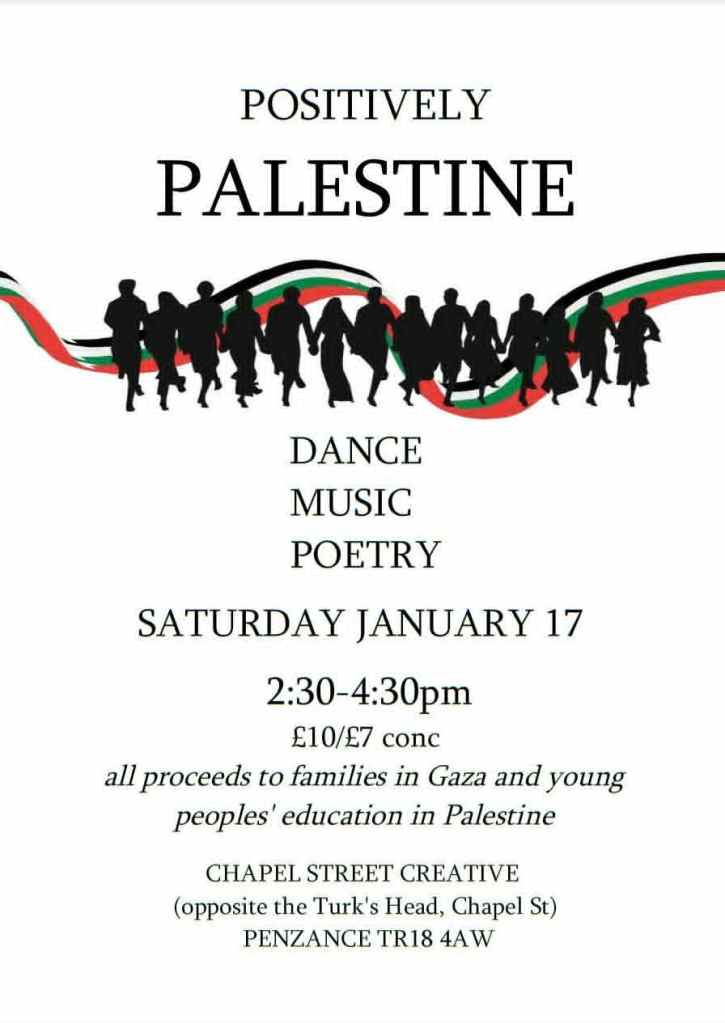
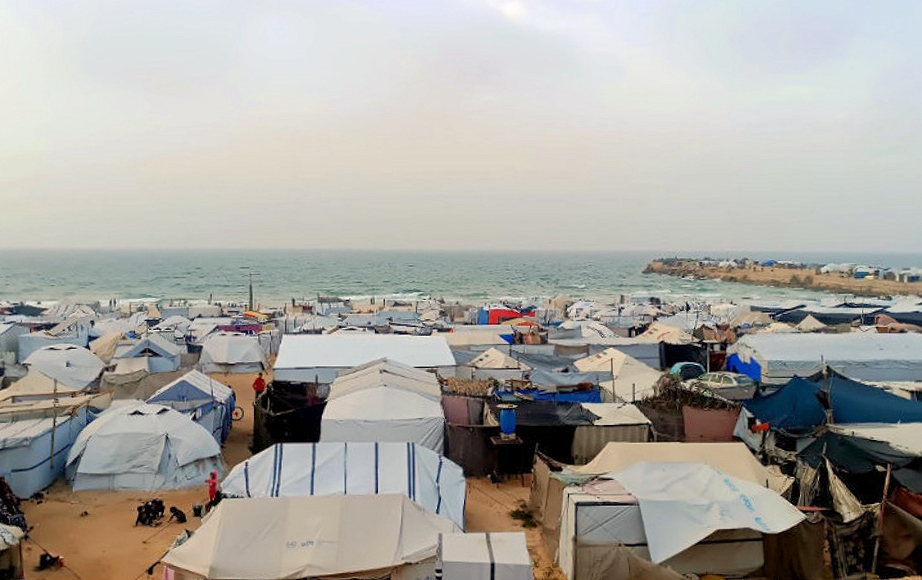

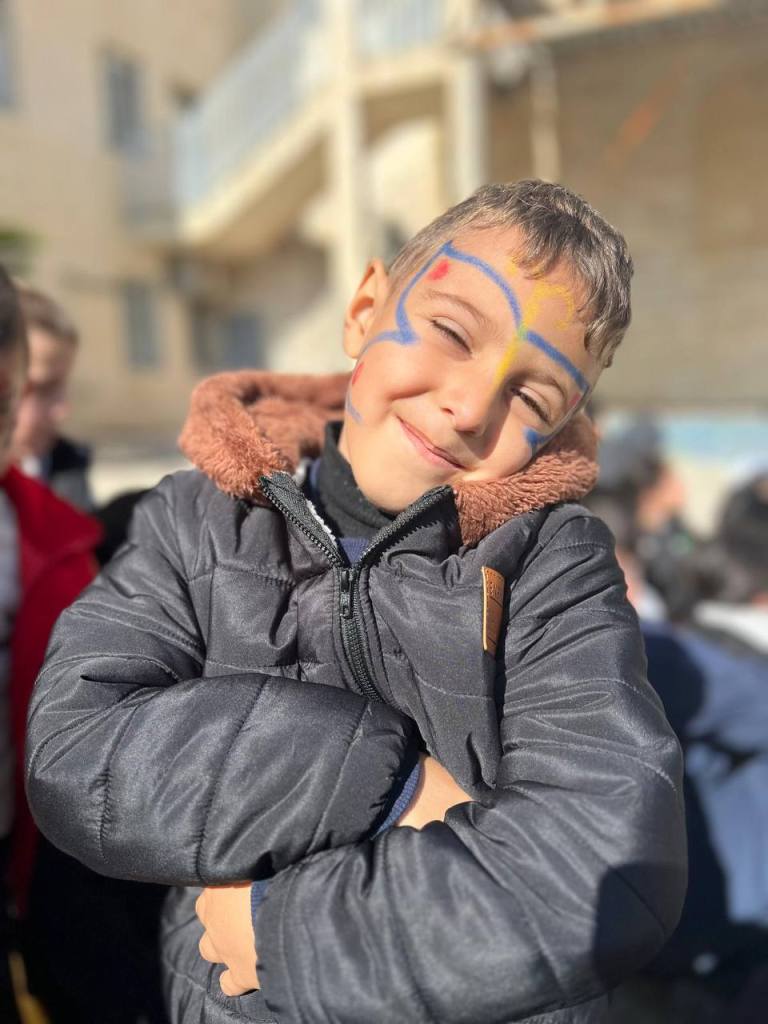


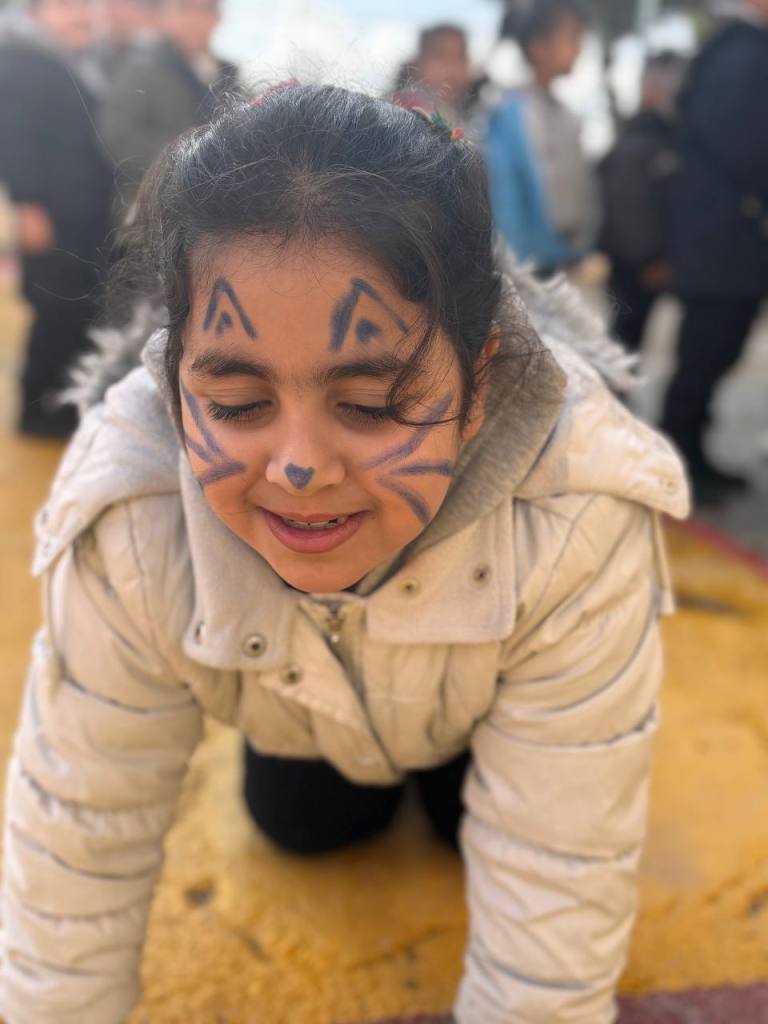

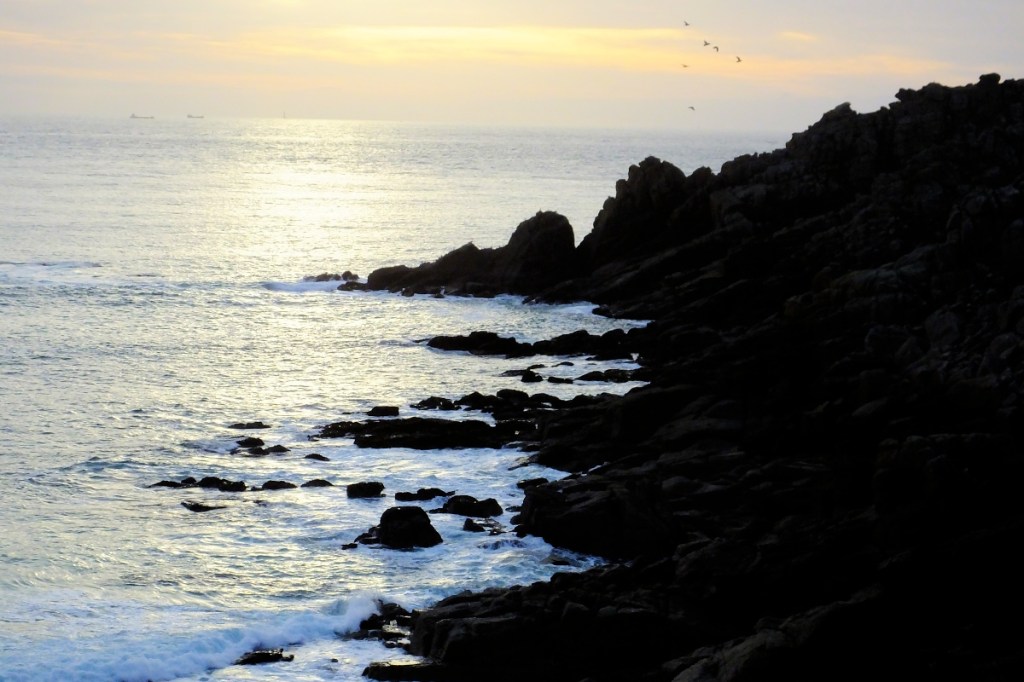


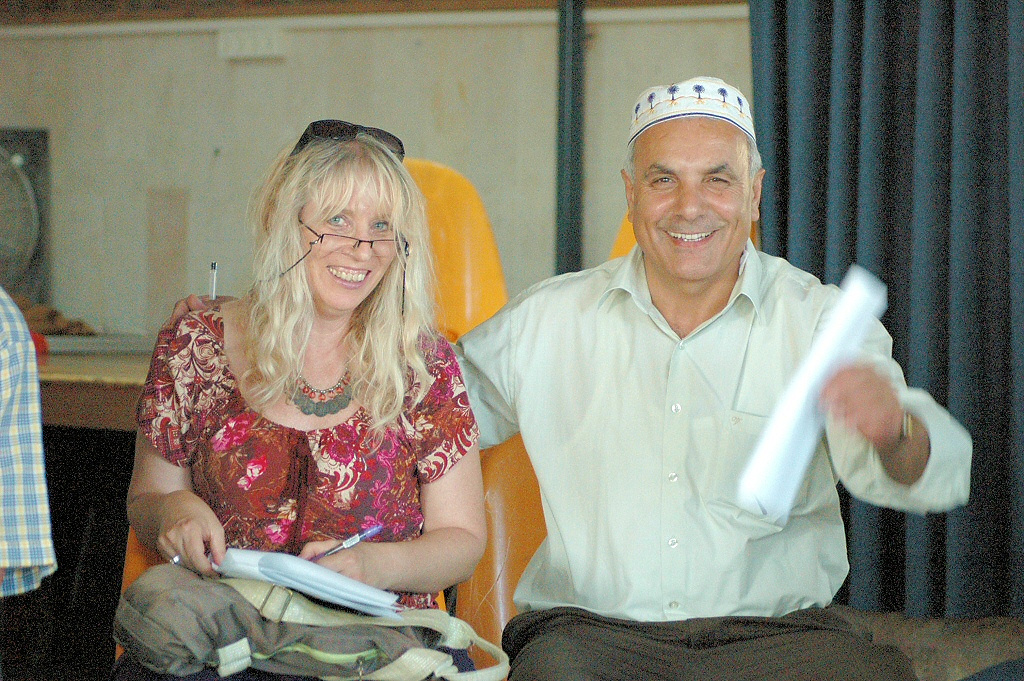


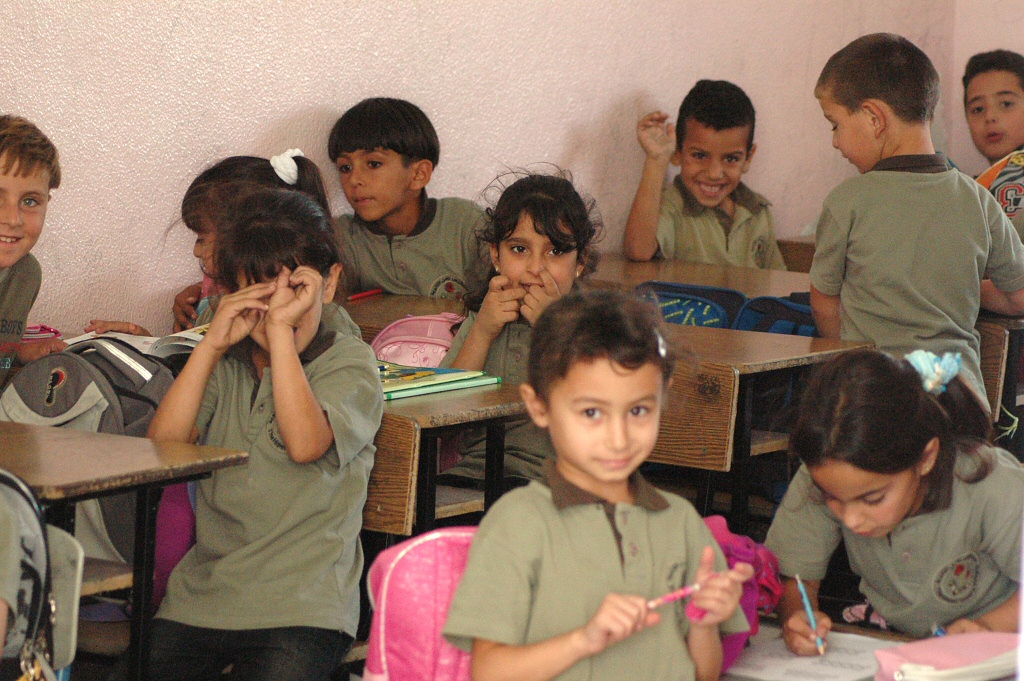
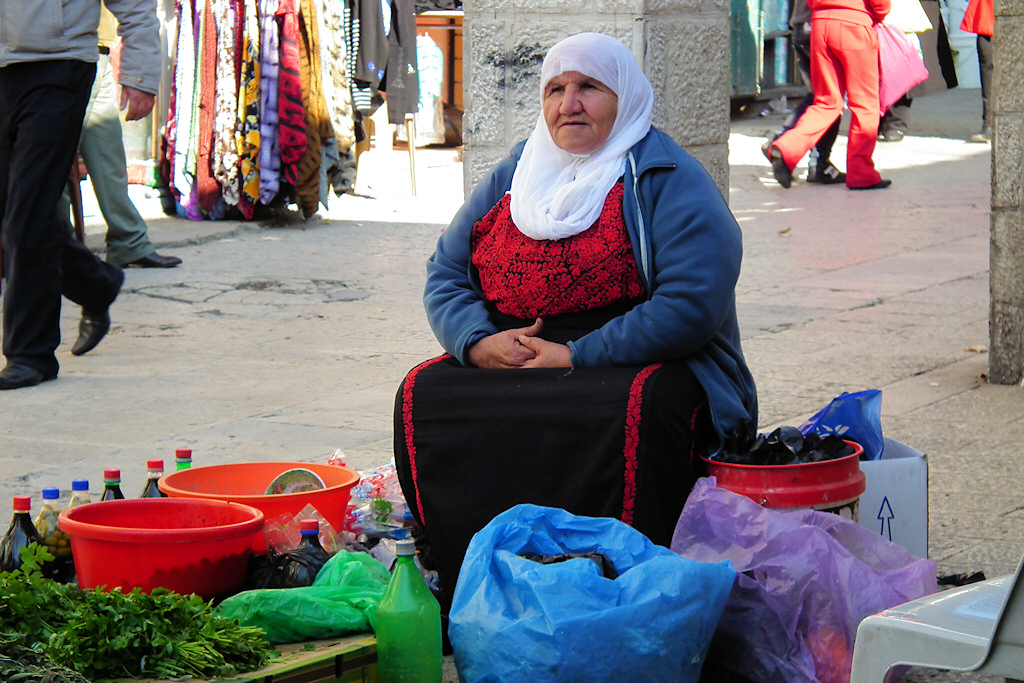

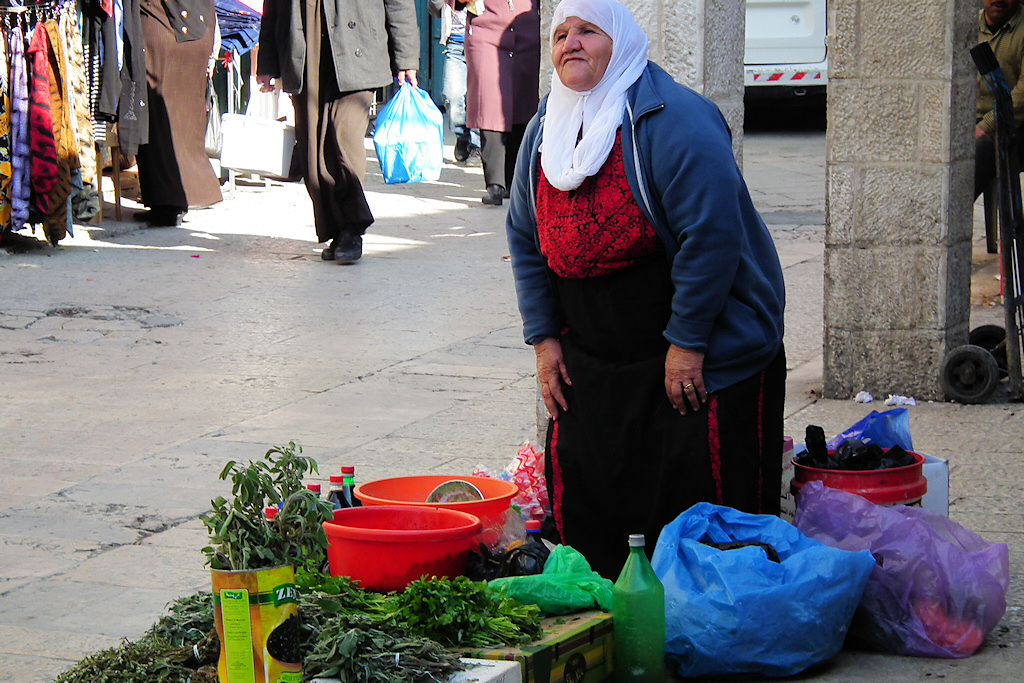


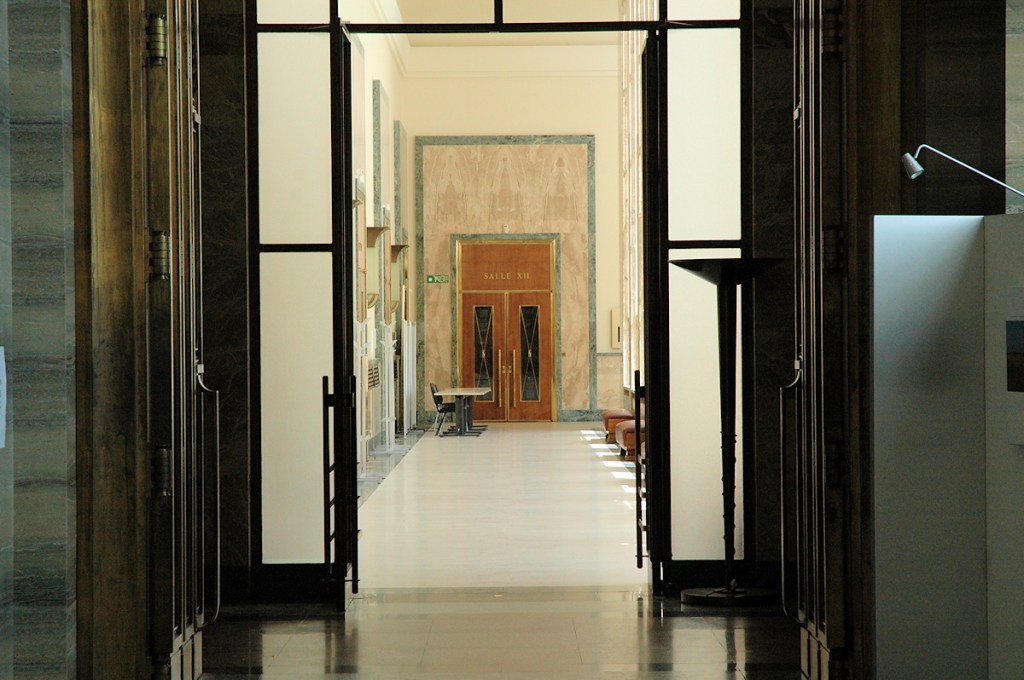
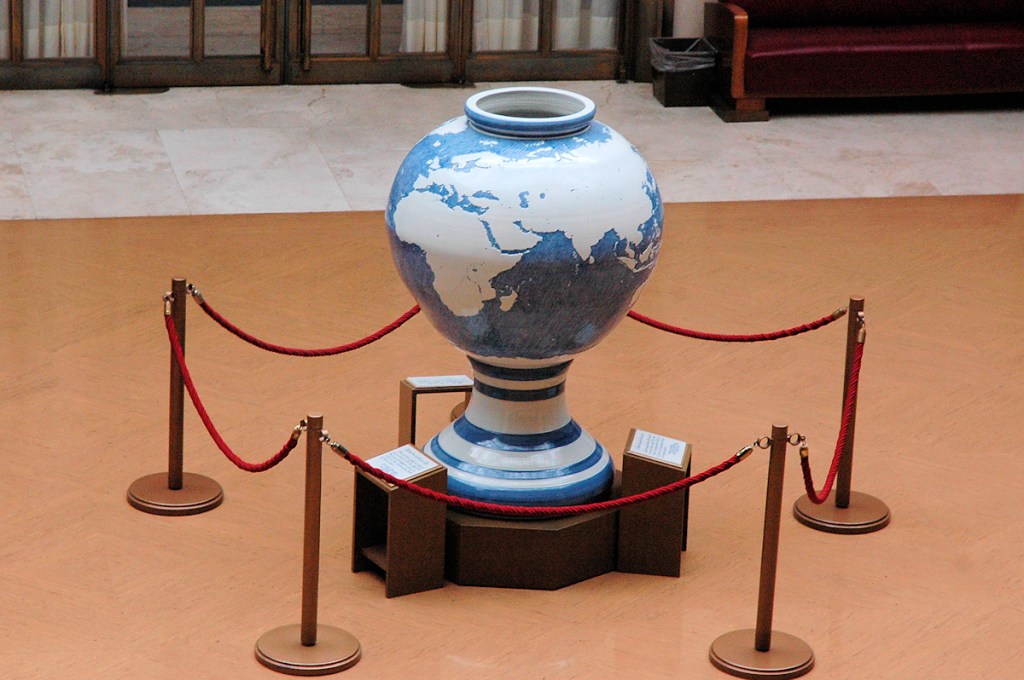


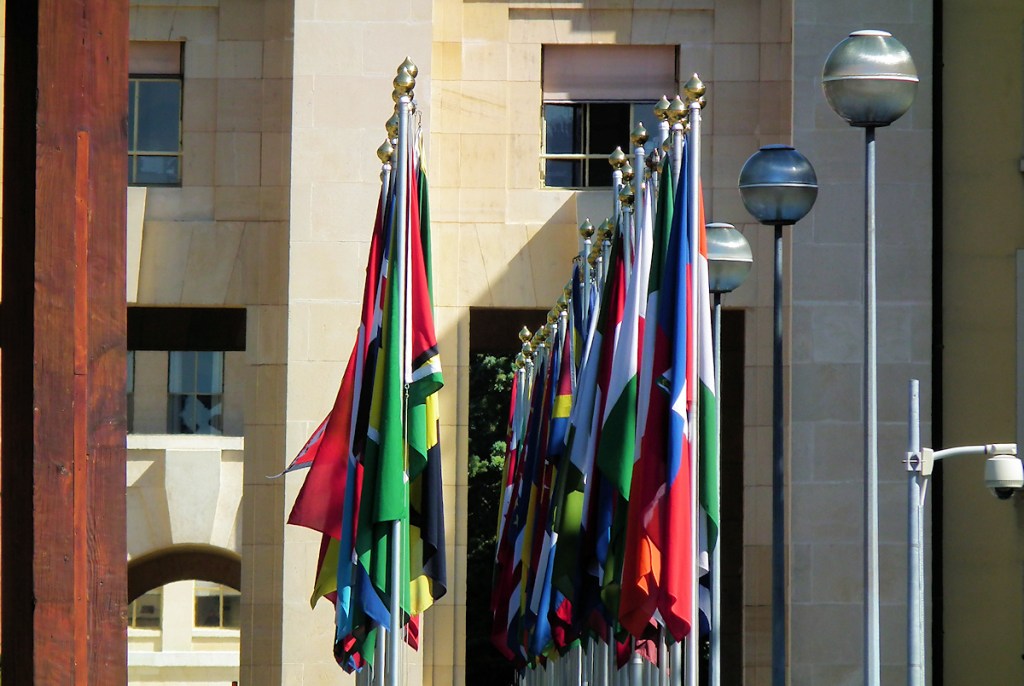


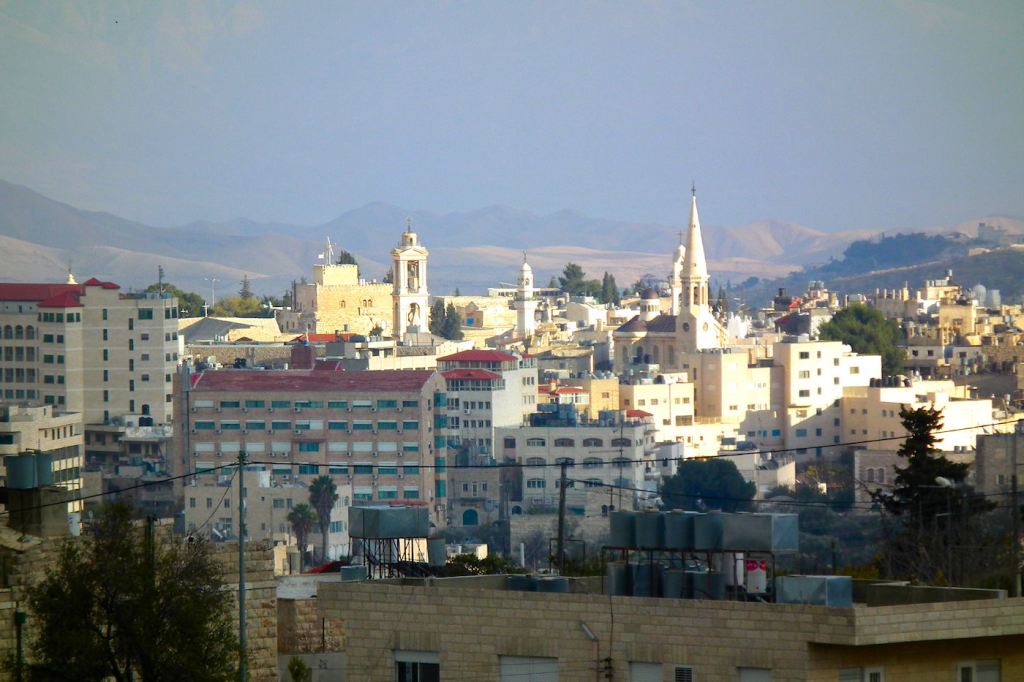
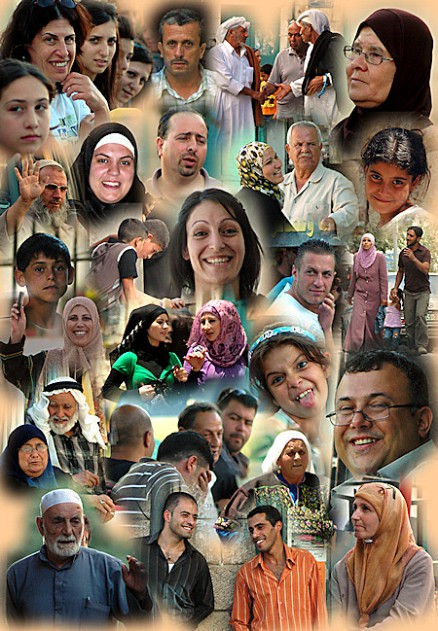
 Notes from the Far Beyond
You must be logged in to post a comment.